



Crispa tulips bring something special to the spring garden: beautifully fringed petals that give their flowers a delicate, almost crystalline appearance. Unlike tulips with smooth petal edges, these decorative varieties have finely serrated or fringed margins that add texture and make each bloom stand out. Their distinctive look makes them attractive choices for gardeners who want something a little different from traditional tulips.
Available in a range of colors, including pink, red, purple, yellow, and white, Crispa tulips can suit both bold planting schemes and softer, romantic combinations. They look striking in flower beds and borders, work well in containers, and bring an unusual texture to cut-flower arrangements. In this guide, we explore the main characteristics of Crispa tulips, introduce eight varieties worth discovering, and explain how to use them in different garden styles. Our gardening blog is a perfect place to find all the information you need!
What Are Crispa Tulips?
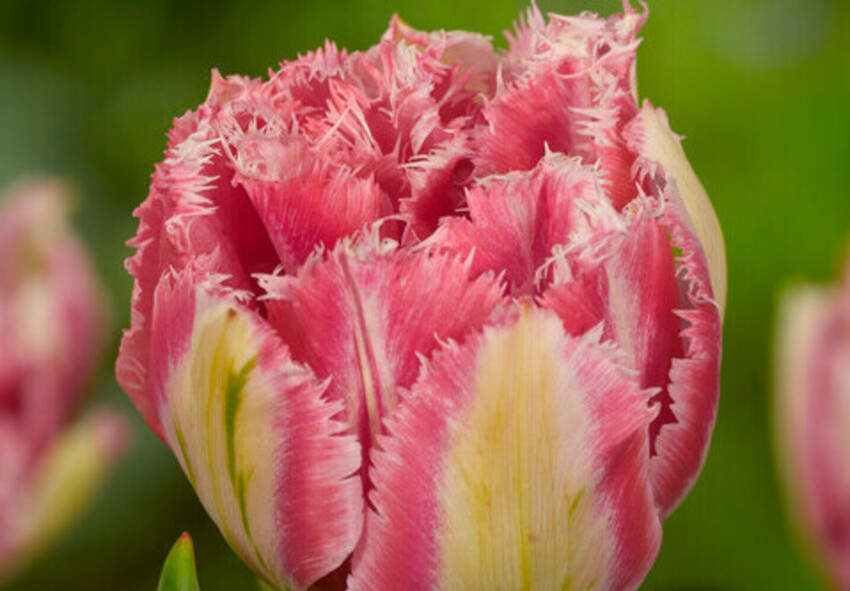
Crispa tulips, also known as Fringed tulips, are a horticultural group recognized by the distinctive edges of their petals. Instead of having the smooth margins found on many traditional tulips, their petals feature fine projections that create a fringed, crystalline, or lace-like effect. The fringe is their defining characteristic, but these tulips also offer considerable variety in flower color, shape, and overall appearance. Some have delicate, finely serrated edges, while others feature more prominent fringes that create a textured outline around the flower.
Their blooms are generally cup-shaped, although the appearance changes as flowers open and respond to sunlight and temperature. Depending on the variety, the petals may be a single color or feature contrasting shades that emphasize the fringed edges. Crispa tulips typically flower in spring, often during mid to late spring, depending on the cultivar and local climate. Many have upright stems and prominent flowers, making them useful in flower beds, borders, and cutting gardens.
Unlike botanical tulips, which are often valued for their compact, natural appearance, Crispa tulips are primarily appreciated for their decorative flowers and unusual petal texture. They also differ from classic Darwin Hybrid or Triumph tulips because their fringed margins are the main visual feature. For gardeners who enjoy distinctive flower forms, Crispa tulips offer an easy way to introduce texture and individuality into a spring planting scheme.
Main Characteristics of Crispa Tulips
Crispa tulips combine the familiar shape of garden tulips with a distinctive petal texture. Their appearance varies between cultivars, so understanding their main characteristics can help you select varieties that fit your garden design.
Fringed Petals
The most recognizable feature of Crispa tulips is the fine fringe along the edges of their petals. These projections can resemble tiny crystals, delicate needles, or decorative lace, depending on the variety. The fringes create additional texture around the flower and can make the blooms look especially intricate when viewed up close. In sunlight, the edges may appear brighter or more defined, adding another layer of visual interest to the display.
The length and density of the fringe vary among cultivars. Some varieties have subtle, finely serrated edges, while others have more pronounced fringes that create a dramatic silhouette. This variation allows gardeners to choose flowers with either a delicate appearance or a stronger decorative effect. When planning a tulip bed, consider the fringe as part of the overall design. Combining Crispa tulips with smooth-petaled tulips can create an interesting contrast, allowing the fringed flowers to stand out without overwhelming the planting.
Flower Colors and Shapes
Crispa tulips are available in a wide range of colors, including white, pink, red, purple, yellow, and various combinations of these shades. Some cultivars have relatively uniform coloring, while others feature contrasting edges or subtle color transitions that make the petals appear more dimensional. Their flowers are generally cup-shaped, with the petals arranged around a central structure. As the blooms open, their shape and the visibility of the fringed edges may change, creating slightly different effects throughout the flowering period.
Color selection is an important part of designing with Crispa tulips. White and pale pink varieties can create a soft, elegant display, while red or purple flowers bring stronger contrast. Yellow varieties add brightness, especially when combined with darker spring flowers. For a coordinated appearance, choose two or three complementary colors rather than mixing every available shade. Alternatively, plant one variety in a larger group to highlight its distinctive petal texture.
Height and Growth Habit
Crispa tulips generally produce upright stems that support their decorative flowers above the foliage. Their mature height varies by cultivar, so it is worth checking the specific characteristics of each variety before planting. Many are suitable for the middle of flower borders or for use as focal points in spring beds. Taller varieties can provide vertical structure, while shorter cultivars are useful near the front of a border or in containers where their flowers can be appreciated at close range.
Their upright growth also makes Crispa tulips attractive for cutting. The fringed petals add texture to bouquets and can create an interesting contrast with flowers that have smooth petals or rounded forms. When planting several varieties together, consider their mature heights and flowering times. Positioning taller tulips behind shorter plants can help every flower remain visible and give the planting a more balanced appearance.
Flowering Time
Crispa tulips generally flower in spring, with many varieties blooming in mid to late spring. However, the exact timing depends on the cultivar, regional climate, winter conditions, and temperatures during the growing season. A mild spring may bring flowering forward, while cooler conditions can delay it. Exposure to sunlight and the local microclimate can also affect how quickly buds develop and how long the flowers remain attractive.
If you want to extend the display, combine Crispa tulips with other tulip groups and spring-flowering bulbs that bloom at different times. Early-flowering varieties can provide the first color, followed by later tulips that continue the display. Planting groups of different Crispa cultivars can also introduce some variation in flowering time, although the degree of overlap depends on the varieties selected. Check supplier information when planning a display around a particular season or event.
Popular Crispa Tulip Varieties
Crispa tulips include varieties with different colors, fringe styles, and decorative effects. The following eight selections offer inspiration for spring planting, from soft and elegant flowers to bold blooms that can become focal points in the garden.
1. Tulip Queensland
Tulip Queensland is a popular fringed tulip known for its pink flowers and decorative, finely fringed petal edges. Its soft yet noticeable color makes it a good option for gardeners who want something more distinctive than a traditional smooth-edged tulip without relying on very strong colors.
The fringes add texture around the flower, giving it a detailed appearance that works particularly well in mixed spring borders. The pink coloring can complement white tulips, pale daffodils, and other pastel-flowering bulbs. Queensland can be planted in groups for a fuller display or incorporated into a mixed bed where its fringed petals provide a contrast with neighboring flowers.
It also makes an appealing choice for containers placed near patios, entrances, or seating areas. For a romantic planting scheme, combine Queensland with white and blush-pink flowers. If you prefer stronger contrast, pair it with deep purple or burgundy-toned spring flowers.
2. Tulip Fabio

Tulip Fabio is a distinctive fringed tulip valued for its strong color and decorative flower edges. Its bold appearance makes it suitable for gardeners who want a variety that stands out in spring beds and borders. The fringed petals give the flowers additional texture, helping distinguish them from tulips with smooth edges.
When planted in groups, Fabio can create a concentrated patch of color that attracts attention from across the garden. This variety can work well in mixed borders, dedicated tulip beds, and larger containers. It can also be combined with other Crispa tulips to create a display that contrasts different fringe styles and flower colors.
For companion planting, consider white or pale-colored flowers to provide visual relief around Fabio. Alternatively, combine it with other rich colors for a more dramatic arrangement. Before finalizing the color scheme, check the supplier’s current description and photographs of the specific cultivar to confirm its flower shade.
3. Tulip Barbados
Tulip Barbados is known for its dramatic fringed petals and richly colored flowers. Its strong visual character makes it a striking choice for gardeners who want tulips with plenty of texture and presence. The prominent fringe gives the petals a distinctive outline, adding an almost spiky effect around the flower. This unusual texture is especially noticeable when the blooms are viewed closely or planted in a group.
Barbados can be used as a focal point in a spring flower bed or incorporated into a mixed border where its decorative petals contrast with simpler flower shapes. Planting several bulbs together can help emphasize the variety’s distinctive appearance. For a balanced display, pair Barbados with flowers that have smooth petals or softer forms. White and pale pink tulips can create contrast, while darker companion flowers may produce a more dramatic effect.
As with all fringed tulips, good drainage and a sunny growing position are important for healthy development. Allow enough space for the flowers to open fully without becoming crowded by neighboring plants.
4. Tulip Brisbane
Tulip Brisbane is an attractive option for gardeners who enjoy fringed tulips with a colorful, decorative appearance. Its flower edges add texture, while its overall form makes it suitable for spring beds and borders where individual blooms can be appreciated. The distinctive fringe helps give Brisbane a more intricate look than conventional smooth-petaled tulips.
Brisbane can be planted in groups to create a more unified effect or mixed with other Crispa varieties for a collection of contrasting blooms. It is also worth considering for containers, particularly when positioned where the flowers can be seen from nearby paths or seating areas.
When choosing companion plants, consider the actual color of the bulbs offered by your supplier. White and pastel flowers often create a softer combination, while contrasting colors can make the planting more energetic. Repeating the same variety in several parts of the garden can also help create a cohesive spring display.
5. Tulip Huis Ten Bosch
Tulip Huis Ten Bosch is a refined fringed tulip associated with soft pink flowers and delicately textured petal edges. Its elegant appearance makes it a natural choice for gardeners who prefer romantic color schemes and detailed flower forms. The fringe gives each bloom a decorative outline, while the pink tones can help soften a mixed border.
This variety can be particularly attractive when planted with white tulips, pale daffodils, and other spring bulbs in complementary colors. Huis Ten Bosch is suitable for flower beds, cottage-style gardens, and containers where its flowers can be viewed at close range. Planting it in small groups creates a stronger effect than scattering individual bulbs widely across a large area.
For a more layered planting scheme, combine it with plants that have contrasting foliage or smooth flower petals. These differences can emphasize the intricate edges of the tulip without competing with its color. If you are planning a coordinated collection of fringed tulips, Huis Ten Bosch can contribute a softer visual element alongside more strongly colored varieties.
6. Tulip Drakensteyn
Tulip Drakensteyn is a fringed tulip worth considering for a spring display built around decorative flower edges and distinctive color. Like other Crispa tulips, its defining feature is the textured margin of the petals, which creates a more intricate silhouette than a conventional tulip bloom.
Its place in a mixed planting depends on the flower color and mature height of the specific bulbs you purchase. Check the supplier’s description before choosing companion plants or deciding where to position it in a border. Drakensteyn can be incorporated into a dedicated tulip bed, a mixed spring border, or a container planting.
Combining it with tulips that have smooth petal edges can create an appealing contrast in texture, even when the flowers share a similar color. For the most cohesive result, repeat the variety in small groups and use complementary plants nearby. This approach helps the distinctive flowers remain visible while giving the entire planting a more intentional appearance.
7. Tulip Crispion Sweet
Tulip Crispion Sweet is an appealing option for gardeners looking to add a decorative, fringed flower to their spring planting scheme. Its name reflects the ornamental character associated with Crispa tulips, whose petal edges provide extra texture and visual interest.
When choosing this variety, check the current product description for its precise color, height, and flowering characteristics. These details are useful when coordinating Crispion Sweet with other tulips or selecting the right position in a border. Fringed tulips work particularly well when their texture can be appreciated at close range.
Crispion Sweet can therefore be considered for containers, the front or middle of a flower border depending on its height, and mixed tulip beds. Pair it with flowers that have a contrasting shape or complementary color. Smooth-petaled tulips, simple spring bulbs, and low-growing plants can all help highlight the distinctive fringe without making the planting look overly busy.
8. Tulip Lemon Beauty
Tulip Lemon Beauty is a variety to consider when planning a spring display with lighter, brighter tones. Yellow and lemon shades can bring freshness to a flower bed and create a cheerful contrast with the darker colors often used in spring planting schemes.
The fringed petal edges add texture to the flower, distinguishing it from smooth-edged yellow tulips. This combination of color and texture makes it useful in borders, mixed tulip beds, and containers. Lemon Beauty can be paired with white flowers for a light, harmonious display or with purple and violet flowers for stronger contrast. Pink tulips can introduce a softer transition between the two color groups.
For the best effect, plant several bulbs together rather than relying on a single flower. Repeating the same yellow tone in different parts of the garden can help connect the planting visually and make the overall display feel more balanced. As always, confirm the variety’s exact flower color and growth characteristics from the supplier before planning the final arrangement.
Crispa Tulips in Different Garden Styles
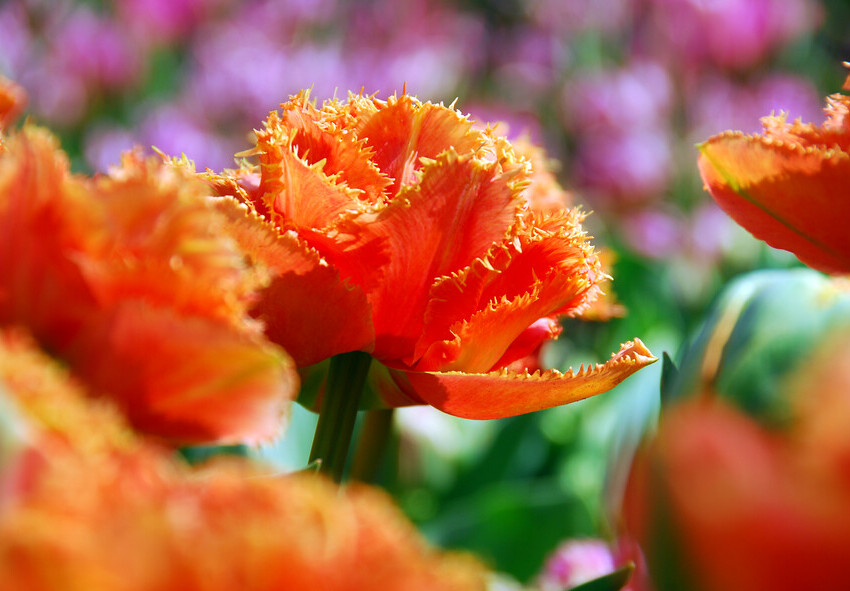
Crispa tulips are versatile ornamental plants, and their fringed petals can bring texture to many garden styles. The key is to choose varieties and color combinations that complement the surrounding plants and the overall character of the space:
- Formal flower beds: Plant the same variety in repeated groups or coordinated blocks of color. Consistent spacing and a limited palette can create a neat, structured display while allowing the fringed petals to provide decorative detail.
- Cottage gardens: Combine Crispa tulips with spring-flowering perennials and other bulbs for a relaxed, layered appearance. Soft pink, white, and pastel varieties can suit romantic planting schemes, while contrasting flowers add more energy.
- Contemporary gardens: Use strong colors and simple planting patterns to make the flowers stand out. Repeating one or two varieties in larger groups can create a bold visual effect, while the fringed edges provide texture without requiring a complicated design.
- Cutting gardens: Crispa tulips can bring a distinctive look to indoor arrangements. Their fringed petals contrast with smooth flowers and rounded forms, making bouquets more varied in texture. When selecting varieties for cutting, check their expected stem length and flowering characteristics.
- Containers: Grow Crispa tulips in pots near entrances, patios, terraces, or seating areas where the unusual flower edges can be appreciated up close. Choose containers with drainage holes and use a well-drained growing medium to help prevent bulbs from sitting in excess moisture.
Whichever garden style you choose, consider repeating a few varieties rather than mixing too many unrelated colors. A coordinated palette helps the flowers complement one another, while differences in fringe style, height, and bloom shape keep the display interesting.
Conclusion
Crispa tulips stand out because of their distinctive fringed petals, which add texture and an elegant decorative quality to traditional tulip flowers. Their variety of colors and flower forms makes them suitable for many different spring planting schemes, from formal beds and cottage gardens to containers and cutting gardens.
Planting Crispa tulips in coordinated groups can make their fringed petals more noticeable and create a fuller spring display. Combine them with complementary colors or smooth-petaled flowers to highlight their unusual texture. With a sunny position, well-drained soil, and thoughtful plant combinations, Crispa tulips can bring color, detail, and personality to your spring garden!
Frequently Asked Questions (FAQs) about Crispa Tulips
1. What are Crispa tulips?
Crispa tulips, also known as Fringed tulips, are recognized by the delicate, serrated or fringed edges of their petals. They come in a variety of colors and add texture to spring gardens. Their distinctive flowers look attractive in flower beds, borders, containers, and bouquets, making them a decorative choice for many garden styles.
2. When do Crispa tulips bloom?
Crispa tulips generally bloom in spring, often in mid to late spring, depending on the variety and local growing conditions. Weather, planting time, and climate can affect flowering dates. For a longer display, choose varieties with slightly different flowering periods and combine them with other spring bulbs that bloom earlier or later.
3. Can I order Crispa tulip bulbs in your online store?
Yes, you can look for Crispa tulip bulbs in our online store Dutch-bulbs.com, subject to seasonal availability. Different varieties may offer distinctive colors, petal fringes, and flower forms. Before ordering, check each product description for variety details, bulb size, and planting recommendations to choose the Crispa tulips that best suit your garden or containers.
4. How do you grow Crispa tulips successfully?
Plant Crispa tulip bulbs in autumn in well-drained soil and a sunny or lightly shaded location. Follow the recommended planting depth and spacing for your bulbs. Water after planting if the soil is dry, but avoid waterlogged conditions. After flowering, allow the foliage to yellow naturally so the bulbs can replenish their energy reserves.
5. Can Crispa tulips grow in containers?
Yes, Crispa tulips can grow well in containers if they have enough space and good drainage. Choose a pot with drainage holes and use a suitable, free-draining potting mix. Plant bulbs at the recommended depth, and keep the container in a suitable outdoor location. Protect pots from prolonged waterlogging and extreme winter conditions where necessary.
Published: 23.10.2026