



Multi-headed daffodils are popular spring-flowering bulbs valued for their clusters of cheerful blooms, often producing several flowers on one stem. Compared with single-flowered varieties, they can create fuller displays in garden borders, containers, and naturalized plantings. Choosing suitable cultivars, planting bulbs correctly, and providing proper seasonal care will help you enjoy healthy plants and abundant flowering year after year. Our gardening blog is a perfect place to find all the information you need!
What Are Multi-Headed Daffodils?
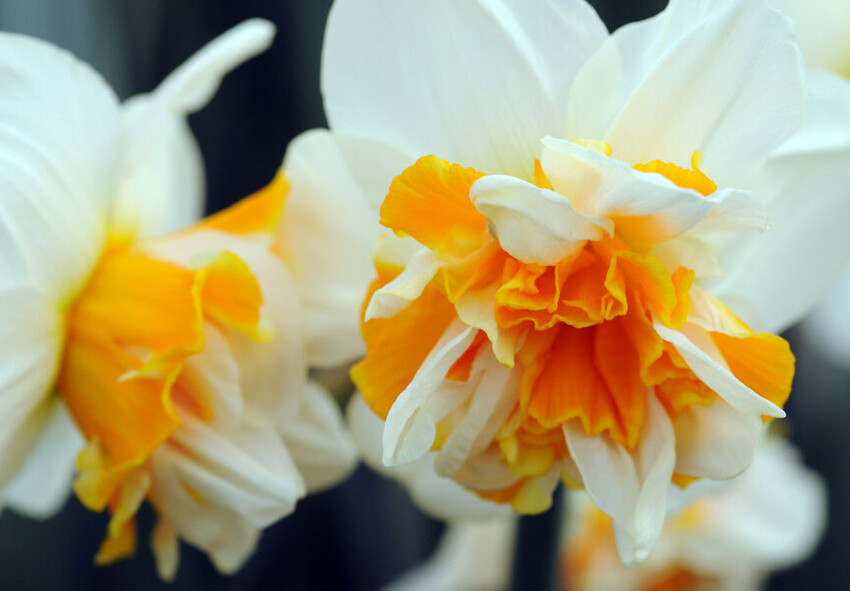
Multi-headed daffodils are varieties of Narcissus that produce several flowers on a single flowering stem. Their clustered blooms create a fuller appearance and can make them especially attractive in borders and cut-flower arrangements.
It is worth distinguishing these varieties from daffodils that produce several separate flowering stems from one bulb. Both can create abundant displays, but the number of flowers per stem depends on the cultivar and growing conditions.
Popular Multi-Headed Daffodil Varieties
Several daffodil varieties are known for their clustered flowers, attractive colors, or suitability for creating abundant spring displays:
- Narcissus ‘Tête-à-Tête’ – A compact, bright yellow daffodil ideal for containers, rock gardens, and front-of-border planting. It can produce multiple flowers or flowering stems from a bulb.
- Narcissus ‘Minnow’ – A charming miniature variety with pale yellow petals and deeper yellow cups. Its small flowers often appear in clusters, making it suitable for borders and naturalized plantings.
- Narcissus ‘Thalia’ – An elegant white daffodil with slender, fragrant flowers. It is a good choice for light-colored borders and spring bouquets.
- Narcissus ‘Geranium’ – A fragrant variety with white petals and orange-yellow cups. It produces clusters of flowers and works well in mixed borders and cut-flower arrangements.
- Narcissus ‘Avalanche’ – A traditional, fragrant variety with white petals and yellow cups, valued for its clusters of flowers and suitability for naturalized displays.
When choosing a variety, consider flower color, fragrance, height, flowering time, and the space available. Always check the supplier’s description to confirm the cultivar’s flowering habit and suitability for your climate.
When and Where to Plant Multi-Headed Daffodils
Choosing the right planting time and location helps daffodil bulbs establish strong roots before flowering. Most garden daffodils grow best in autumn-planted beds with adequate sunlight and well-drained soil.
Best Planting Time
Autumn is generally the best time to plant daffodil bulbs because it allows them to develop roots before winter. Plant when the soil has cooled but remains workable, ideally several weeks before the ground freezes. The exact planting window depends on your climate. In colder regions, plant earlier in autumn, while gardeners in milder areas can often plant later, provided the bulbs have time to establish roots.
Choosing the Right Location
Multi-headed daffodils grow well in full sun or partial shade. A sunny position usually encourages good flowering, while light shade can work well, especially beneath deciduous trees that allow spring sunlight through before their leaves fully develop. Choose a location with well-drained soil, as standing water can cause bulbs to rot. Daffodils are suitable for garden borders, informal drifts in lawns, spaces beneath deciduous trees, and containers with drainage holes.
Preparing the Soil
Prepare the planting area by loosening compacted soil and removing weeds and stones. If the soil is heavy, improve its structure and drainage with suitable organic matter and, where necessary, consider a raised bed. Avoid planting daffodil bulbs in areas where water collects after rain. Well-drained soil is one of the most important conditions for healthy bulbs and reliable flowering.
How to Plant Multi-Headed Daffodil Bulbs
Correct planting depth and spacing help bulbs establish successfully and leave room for future growth. Plant healthy bulbs in groups to create natural-looking clusters rather than arranging them in rigid, evenly spaced lines.
Choose firm, healthy bulbs without soft spots, extensive mold, or obvious damage. Avoid bulbs that are badly shriveled or show signs of rot, as they may struggle to establish. Plant purchased bulbs as soon as practical after receiving them, keeping them in a cool, dry, well-ventilated place if you need to store them briefly.
As a general guide, plant daffodil bulbs at a depth of about two to three times their height, measuring from the base of the bulb to the soil surface. Larger bulbs usually need deeper planting than miniature varieties, so follow the supplier’s recommendations when available. Space bulbs according to their mature size, often around 4–6 inches (10–15 cm) apart for many garden daffodils. Closer groupings can create a fuller display, but bulbs should not be so crowded that they compete excessively as they multiply.
For natural-looking displays, plant bulbs in small groups or larger drifts. Place each bulb with its pointed end facing upward, cover it with soil, and water if the ground is dry. For containers, use a well-draining potting mix and a pot with drainage holes. Compact varieties such as ‘Tête-à-Tête’ are particularly suitable for pots and window boxes. Container soil dries out faster than garden soil, so check moisture regularly without allowing the bulbs to sit in water.
Caring for Multi-Headed Daffodils
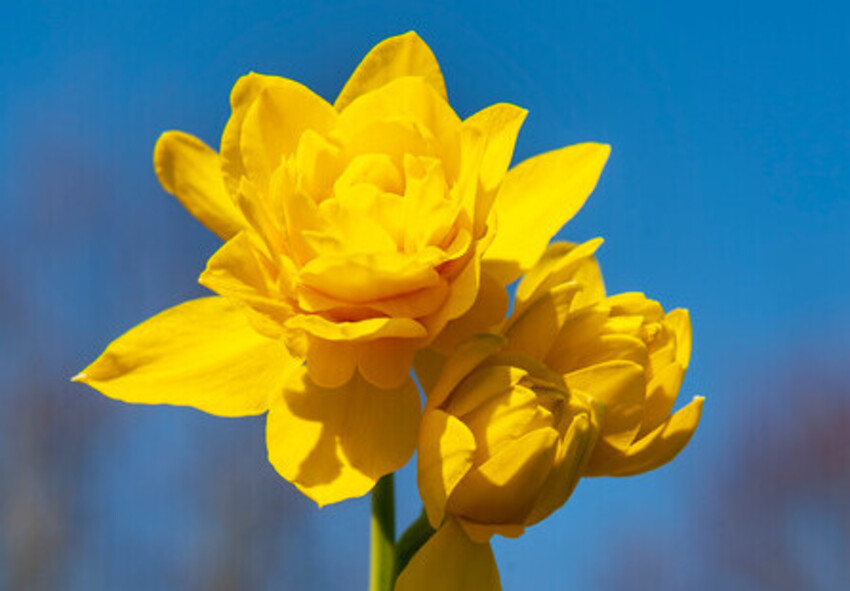
Once established, daffodils need relatively little maintenance, but appropriate watering and foliage care help support future blooms. Consistent growing conditions also reduce the risk of bulb rot and weak flowering.
Watering and Feeding
Water newly planted bulbs if the soil is dry, then allow natural rainfall to provide much of their moisture where conditions permit. During active growth, water during prolonged dry spells, but avoid keeping the soil saturated. Daffodils growing in poor soil may benefit from a suitable bulb fertilizer applied according to its label. Avoid excessive nitrogen, which can encourage leafy growth rather than good flowering.
Mulching and Weed Control
A light layer of mulch can help retain soil moisture, suppress weeds, and moderate soil temperature. Keep the mulch from becoming excessively thick over the bulbs, particularly in wet conditions. Remove weeds carefully so they do not compete with daffodils for moisture and nutrients. Avoid deep digging around established clumps, as it can damage the bulbs.
Care After Flowering
Remove faded flowers to prevent the plant from putting energy into seed production, but leave the green foliage intact. The leaves continue photosynthesizing and replenish the bulb’s energy reserves for the following season. Allow foliage to yellow and die back naturally before cutting it off or mowing the area. Prematurely removing green leaves is a common reason daffodils flower poorly in subsequent years.
Propagating Multi-Headed Daffodils
Daffodils multiply naturally as bulbs produce offsets, gradually forming larger clumps. Dividing crowded clumps can help restore space for growth and provide additional bulbs for other parts of the garden.
Natural Bulb Division
Over time, offsets develop around the original bulb. These may eventually grow large enough to flower, although small offsets can need several growing seasons to reach flowering size. Clumps do not need to be divided every year. Consider dividing them when flowering becomes less abundant or when the bulbs are visibly overcrowded.
When and How to Divide Clumps
The easiest time to lift and divide daffodil clumps is generally after the foliage has died back, when the bulbs are dormant. Carefully loosen the soil with a garden fork and lift the clump without cutting into the bulbs. Separate offsets gently where they come apart easily, discard any bulbs that are soft or rotten, and replant healthy bulbs at the appropriate depth. Mark the planting area if the bulbs are dormant and no longer visible. Newly separated offsets may not flower immediately. Give them time to establish and build up their size before expecting a full display.
Pests and Diseases
Although daffodils are generally hardy, several pests and diseases can affect their bulbs, leaves, or flowers:
- Narcissus bulb fly: The larvae can damage bulbs from inside, causing poor growth or plant collapse. Use healthy bulbs and remove severely damaged ones.
- Slugs and snails: These pests may feed on young shoots and flowers, especially in damp weather. Monitor plants and use suitable controls if damage becomes significant.
- Fungal bulb rot: Bulbs may soften or decay in waterlogged soil or when infected. Ensure good drainage and avoid planting damaged bulbs.
- Poor flowering: Overcrowding, insufficient sunlight, and cutting foliage too early can reduce blooms. Correct the growing conditions before assuming a disease is responsible.
Inspect bulbs before planting and remove diseased plant material. Good drainage, clean planting practices, and appropriate seasonal care are the best starting points for preventing many common problems.
Using Multi-Headed Daffodils in Garden Design
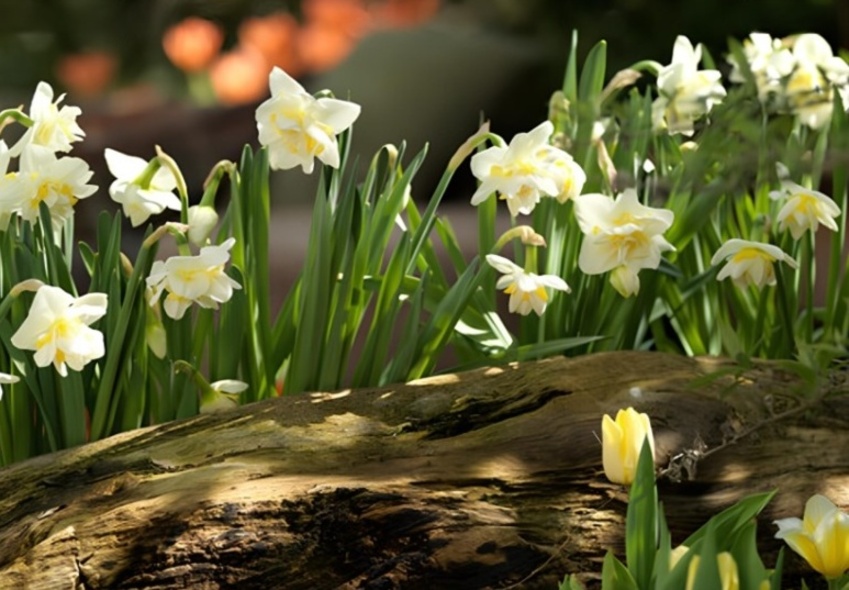
Multi-headed daffodils are versatile plants that bring color and texture to spring gardens. Their clustered blooms can create a fuller effect, whether planted in formal borders or more natural arrangements:
- Spring borders: Combine different heights and flower colors for a layered display along paths and garden edges.
- Naturalized drifts: Plant groups among lawns or beneath deciduous trees for an informal spring effect, allowing the foliage to die back naturally before mowing.
- Containers: Use compact varieties such as ‘Tête-à-Tête’ in pots and window boxes, alone or with other spring bulbs.
- Cut flowers: Choose fragrant varieties such as ‘Geranium’, ‘Thalia’, or ‘Avalanche’ for indoor arrangements. Keep in mind that daffodil sap can shorten the vase life of some other cut flowers, so condition them separately before mixing.
Combining daffodils with early-flowering perennials and other spring bulbs can extend the season of interest and create a more varied display.
Conclusion
Multi-headed daffodils are an excellent choice for gardeners who want abundant spring color without complicated maintenance. By selecting suitable cultivars, planting healthy bulbs in autumn, and providing well-drained soil, you can encourage strong growth and reliable flowering.
The most important aftercare rule is to let the foliage die back naturally after flowering. With appropriate watering, occasional division of crowded clumps, and attention to drainage, multi-headed daffodils can brighten garden borders, containers, and naturalized areas for many seasons.
Frequently Asked Questions (FAQs) about Multi-Headed Daffodils
1. What are multi-headed daffodils?
Multi-headed daffodils are daffodils that produce several flowers from one bulb, either on a single stem or across multiple stems. They can create a fuller display than many single-flowered varieties. Popular choices include ‘Minnow’, ‘Geranium’, and ‘Avalanche’, although the number of flowers depends on the cultivar and growing conditions.
2. When is the best time to plant multi-headed daffodils?
The best time to plant multi-headed daffodil bulbs is in autumn, usually from early fall until the ground becomes too cold to work. Plant bulbs before the first hard frost so they can develop roots before winter. Choose a sunny or partially shaded spot with well-drained soil to encourage healthy growth and spring flowering.
3. Can I order multi-headed daffodils in your online store?
You can look for multi-headed daffodil bulbs in our online store Dutch-bulbs.com, including varieties such as ‘Minnow’, ‘Geranium’, and ‘Avalanche’, if they are available. Check each product listing for variety details and current availability before ordering. Choose cultivars suited to your garden space and the spring display you want to create.
4. How deep should I plant multi-headed daffodil bulbs?
As a general rule, plant daffodil bulbs about two to three times as deep as the bulb is tall. Leave approximately 10–15 cm between bulbs, adjusting the spacing to suit the variety and desired display. Plant with the pointed end facing upward, cover with soil, and water if conditions are dry.
5. Why are my multi-headed daffodils not flowering?
Daffodils may fail to flower because they receive too little sunlight, become overcrowded, or have been planted too shallowly. Cutting back the leaves before they turn yellow can also reduce flowering the following year, as the foliage replenishes the bulb. Allow leaves to die back naturally, and avoid excessive feeding with high-nitrogen fertilisers.
Published: 09.11.2026