



Darwin tulips are popular among gardeners for their large, elegant flowers, strong stems, and vibrant spring colors. They bring a bold, classic tulip look to flower beds and borders while also making excellent cut flowers for indoor arrangements. Whether you prefer rich red blooms, soft blush tones, warm apricot shades, or clean white flowers, there are plenty of colors to explore.
These tulips are particularly appealing for gardeners who want a striking spring display without relying on complicated planting designs. Growing several varieties together can create a harmonious color scheme, while planting one variety in a larger group produces a more dramatic effect. In this guide, we explore eight Darwin tulip varieties and how to incorporate them into different garden styles. Our gardening blog is a perfect place to find all the information you need!
What Are Darwin Tulips?
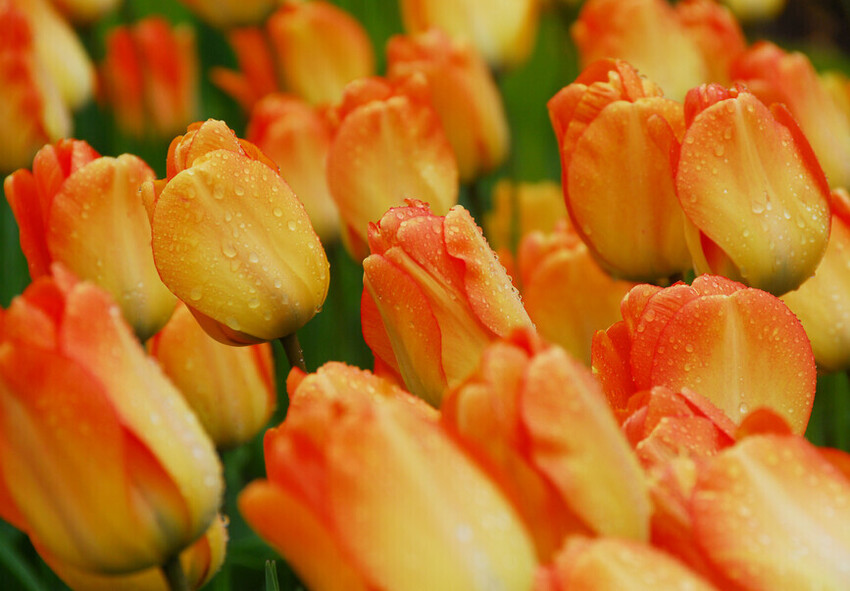
Darwin Hybrid tulips are a group of cultivated tulips developed for their impressive flowers, strong stems, and reliable garden performance. They are generally known for their large, rounded or egg-shaped blooms and sturdy growth, making them popular choices for spring flower beds, borders, and cutting gardens.
Many Darwin Hybrid tulip varieties flower in mid to late spring, although the exact timing depends on the cultivar, climate, and local growing conditions. Their substantial flowers and upright stems help create a noticeable display, especially when bulbs are planted in groups. Compared with some smaller botanical tulips, Darwin Hybrids usually have a larger, more traditional tulip appearance. They are often taller and more visually prominent, making them suitable for the middle or back of a border, depending on the height of the particular variety.
Gardeners appreciate Darwin tulips for their combination of size, color, and versatility. They can be used in formal planting schemes, relaxed cottage gardens, contemporary designs, and dedicated cutting beds. Many also perform well as perennials when planted in suitable conditions, although flowering in subsequent years can vary with climate, soil, and care. For the best results, plant Darwin tulips in a sunny location with well-drained soil. Good drainage helps protect bulbs from excess moisture, while adequate sunlight supports healthy growth and flowering.
Popular Darwin Tulip Varieties
Darwin tulips come in a wide range of colors, from strong reds and delicate pinks to soft apricots and whites. The following varieties offer different possibilities for spring planting, whether you want a coordinated color palette or a more varied display.
1. Tulip Bella Blush
Tulip Bella Blush is an appealing choice for gardeners who prefer a softer, romantic spring palette. Its blush-toned appearance can bring a gentle touch of color to flower beds and borders, particularly when paired with white, cream, or other pastel flowers. The delicate color makes this variety useful in planting schemes where the aim is to create a harmonious display rather than a strong contrast. It can be planted in groups for a more noticeable effect or incorporated into a mixed border with other spring-flowering bulbs.
Bella Blush is worth considering for cottage-style gardens, decorative beds, and arrangements designed around soft spring colors. White daffodils, pale muscari, and other pink-flowering plants can complement its appearance without competing for attention. When planning a combination, consider the colors of nearby flowers as well as their flowering times. A carefully coordinated planting can help Bella Blush become part of a cohesive spring display.
2. Tulip Big Love
Tulip Big Love is a variety to consider when you want tulips to make a clear visual statement. Its bold character suits spring beds where flowers are intended to stand out rather than blend quietly into the surrounding planting. Like other tulips selected for ornamental displays, it can be planted in repeated groups to create a more unified effect. A larger group of the same variety often looks more impactful than a few scattered bulbs, especially when viewed from a distance.
Big Love can be used in mixed borders, dedicated tulip beds, and containers large enough to accommodate a group of bulbs. It can also be considered for cut-flower arrangements, depending on the available stem length and the supplier’s description of the cultivar. For companion planting, choose flowers that complement the actual color of the bulbs you purchase. White or pale-colored flowers can provide a calm contrast, while stronger colors can create a livelier, more dramatic combination.
3. Tulip Apricot Delight
Tulip Apricot Delight is another option for gardeners who love the warmth of apricot-colored flowers. Apricot shades are particularly useful when you want spring color that feels softer than bright red or orange but more noticeable than pale cream. Although its name suggests a similar palette to Apricot Pride, the two varieties should not automatically be assumed to look identical.
Flower shade, form, and overall appearance can differ between cultivars, so comparing supplier photographs and descriptions is helpful when choosing between them. Apricot Delight can suit cottage gardens, mixed spring borders, and coordinated tulip beds. It can be planted with white flowers for a light, elegant effect or combined with purple and deep pink blooms for stronger contrast.
For a harmonious display, repeat its warm tones in different parts of the garden or combine it with other flowers that share similar colors. You can also introduce contrasting foliage to make the flowers stand out. As with all tulips, choose a suitable planting location with good drainage and enough sunlight. The right growing conditions will help the bulbs establish and support healthy flowering.
4. Tulip Red Impression
Tulip Red Impression is associated with the striking red-flowered appearance that makes Darwin Hybrid tulips so popular. Red tulips bring depth and energy to spring planting schemes, creating a clear focal point in both formal and informal gardens. This variety is worth considering for larger flower beds, repeated border plantings, and displays where a strong block of color is desired. Planting several bulbs together can create a more unified effect, while smaller groups can add bright accents among other spring flowers.
Red Impression can also be combined with white tulips or white-flowering bulbs for a crisp, classic color scheme. Yellow flowers introduce a stronger contrast, while pale pink or cream companions create a softer transition between colors. Its bold appearance makes it useful in contemporary gardens as well as traditional borders. Repeating the same red tone in several parts of the garden can also help connect separate planting areas and make the overall design feel intentional. As with other Darwin tulips, choose a sunny, well-drained location and allow enough space for the foliage and flowers to develop without excessive crowding.
5. Tulip Candy Apple Delight
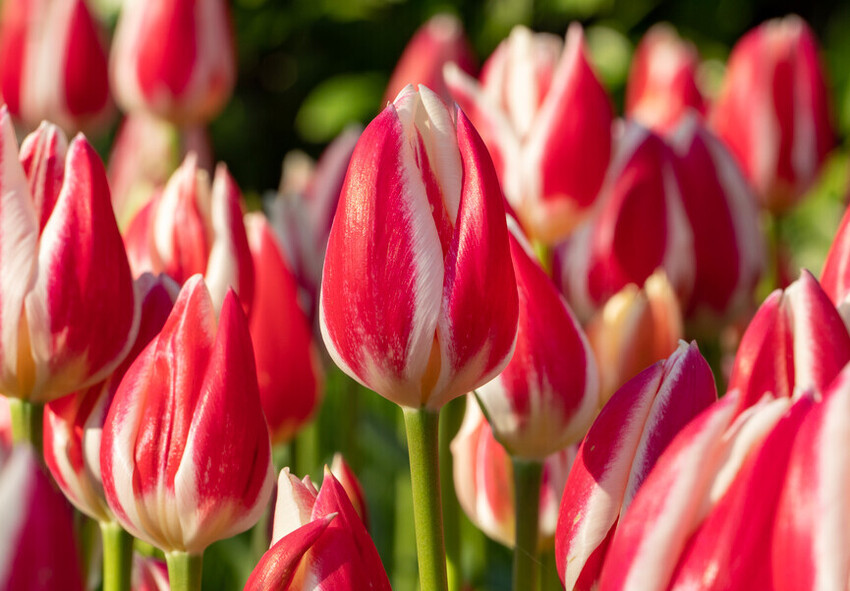
Tulip Candy Apple Delight is an attractive option for gardeners who enjoy lively spring colors and eye-catching flowers. Its name suggests a bright, playful garden character, making it a variety to consider for colorful flower beds and coordinated tulip displays. When using a vivid tulip in a planting scheme, the surrounding colors can make a substantial difference to the overall effect. Pairing it with white flowers creates contrast and helps individual blooms stand out. Combining it with other warm shades can produce a more energetic display.
Candy Apple Delight can be planted in groups along borders, in larger flower beds, or in suitable containers. Its effect will be particularly noticeable when several bulbs are planted together rather than dispersed among unrelated plants. For a balanced design, combine it with plants that have different flower shapes or foliage textures. This creates visual interest without requiring every plant to compete for attention. Before selecting companions, check the cultivar’s actual flower color and expected height from the supplier, as these details are important for planning a coordinated display.
6. Tulip Hakuun
Tulip Hakuun is a choice for gardeners who appreciate an elegant, light-colored spring display. White tulips are particularly versatile because they can complement almost any color palette, from soft pastels to vivid reds, purples, and oranges. A white-flowered tulip can brighten a planting scheme and create visual breathing room between stronger colors.
Hakuun can therefore be considered for formal flower beds, mixed borders, and arrangements where a calm, balanced appearance is the goal. White tulips are especially effective when planted in groups. Repeating the same variety along a border can create a clean visual line, while combining it with pink or apricot flowers produces a softer, more romantic look.
For a contrasting design, pair white flowers with dark purple or deep red tulips. The difference in color helps each group stand out without requiring a complicated planting pattern. Before planning the layout, confirm Hakuun’s exact flower characteristics and mature height with the supplier. This will help you position it appropriately in relation to other varieties and ensure that taller plants do not obscure the display.
7. Tulip Salmon van Eijk
Tulip Salmon van Eijk offers a warm salmon-colored appearance that can bring depth and softness to spring gardens. Salmon tones often combine elements of pink and orange, making them useful for planting schemes that need color without an overly sharp contrast. The Van Eijk tulip group is well known in ornamental gardening, and Salmon van Eijk is a useful choice for gardeners interested in a classic tulip display with a warmer palette.
It can be considered for mixed borders, larger beds, and cutting gardens. White flowers can help balance salmon tones, while purple or blue companions introduce contrast. Other warm-colored tulips can create a more blended effect, particularly when their shades are repeated across the planting area.
For a layered border, position tulips according to their mature height and the height of neighboring plants. This allows the flowers to remain visible and helps create a natural progression from the front of the border to the back. When growing Salmon van Eijk for cutting, plant enough bulbs to allow for repeated harvesting while retaining a separate group for garden display. Always check the supplier’s cultivar information for specific growth and flowering details.
8. Tulip Apricot Pride
Tulip Apricot Pride is a lovely option for gardeners drawn to warm, subtle flower colors. Apricot shades can sit somewhere between pink, orange, and peach, giving spring beds a softer and often more nuanced appearance than a planting dominated by primary colors. This type of color works especially well in cottage-style gardens and romantic planting schemes. Apricot flowers can be paired with cream, white, soft pink, or pale yellow blooms to create a gentle transition between neighboring plants.
For a more contrasting arrangement, combine apricot tones with deep purple or blue spring flowers. The cooler shades help emphasize the warmth of the tulips and give the display greater visual depth. Apricot Pride can be incorporated into mixed borders, dedicated tulip beds, and cutting gardens.
When growing it for cut flowers, check the supplier’s information about stem length and flowering characteristics to determine how well it suits your intended use. A useful design approach is to repeat apricot tones in several small groups rather than concentrating every bulb in one place. This helps the color appear throughout the garden while keeping the planting visually connected.
How to Choose the Right Darwin Tulip Variety
Choosing the right Darwin tulip involves considering more than flower color alone. The size of the planting area, the overall garden style, and the conditions available all influence which varieties will work best. Use the following factors to guide your choice:
- Flower colors and personal preferences: Decide whether you prefer bold reds, delicate blush shades, warm apricots, salmon tones, or white flowers. A limited palette often creates a more coordinated display, while contrasting colors can add energy.
- Bloom shape and garden style: Consider how the tulips will look alongside other flowers and foliage. Traditional tulip shapes work well in formal beds, while mixed flower forms can make informal plantings feel more relaxed.
- Plant height and available space: Check the expected height of each cultivar before planting. Taller varieties can be positioned toward the back of borders, while shorter plants are better suited to the front or to areas where their flowers can be viewed closely.
- Flowering time and seasonal planning: Darwin tulips often flower in mid to late spring, but timing varies by cultivar and climate. Combine varieties with other bulbs that flower earlier or later to extend the overall spring display.
- Choosing varieties for different uses: Repeated groups can make an impact in large borders, while carefully selected combinations work well in mixed flower beds. If you want cut flowers, consider stem length and the quantity of bulbs you need.
- Combining colors for a harmonious display: White can soften strong colors, purple can contrast with apricot and salmon shades, and red can create a striking focal point. Repeating colors in different parts of the garden helps the planting feel connected.
It is also important to consider soil and sunlight. Darwin tulips generally perform well in sunny locations with good drainage. Avoid areas where water tends to collect, as persistently wet soil can damage bulbs. Finally, review the information supplied for each cultivar before ordering. Exact flower color, height, flowering period, and other characteristics should be confirmed for the specific variety rather than inferred from its name.
Darwin Tulips in Different Garden Styles
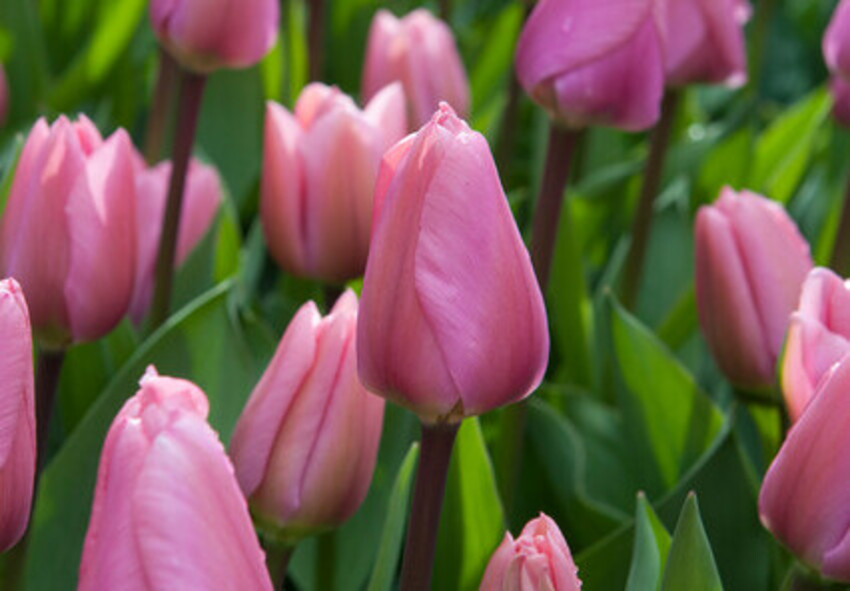
Darwin tulips can fit into a wide range of garden designs. Their large flowers and clear colors make them easy to incorporate into structured planting schemes, while mixed varieties can bring a relaxed character to informal borders:
- Formal flower beds: Plant the same variety in repeated blocks or straight rows to create a structured, coordinated appearance. Red Impression or a white-flowered variety can be particularly effective when used consistently throughout the design.
- Cottage gardens: Combine tulips with spring-flowering perennials and other bulbs for a softer, more relaxed effect. Apricot Pride, Apricot Delight, and Bella Blush can be considered for warm or pastel color schemes, depending on their confirmed flower shades.
- Contemporary gardens: Use bold color blocks and simple planting arrangements. Repeating one or two varieties creates a strong visual statement without making the design feel crowded. Contrasting red, white, or apricot tones can help define different areas of the garden.
- Cutting gardens: Plant tulips in accessible rows or dedicated beds so flowers are easy to harvest. Consider the expected stem length and flowering characteristics of each variety, and grow enough bulbs to provide flowers for both cutting and outdoor display.
- Mixed spring borders: Combine Darwin tulips with other spring bulbs and early-flowering plants to create variation in color, height, and flower form. Choose companions with compatible light and soil requirements, and allow enough space for foliage to develop after the flowers fade.
Whichever style you choose, planting in coordinated groups is often more effective than scattering individual bulbs randomly. Repetition creates rhythm, while carefully selected contrasts keep the display interesting.
Conclusion
Darwin tulips are an excellent choice for gardeners who want large flowers, strong visual impact, and a colorful spring display. Varieties such as Bella Blush, Big Love, Candy Apple Delight, Red Impression, Apricot Pride, Hakuun, Salmon van Eijk, and Apricot Delight offer different possibilities for building a planting scheme around warm tones, softer shades, or bold contrasts.
When choosing your tulips, consider the flower colors you enjoy, the available space, the expected plant height, and the conditions in your garden. Planting several bulbs of the same variety together can create a striking effect, while combining complementary varieties adds depth and variety. With thoughtful selection and suitable growing conditions, Darwin tulips can bring structure, color, and classic spring beauty to formal beds, cottage gardens, mixed borders, and cutting gardens alike.
Frequently Asked Questions (FAQs) about Darwin Tulips
1. What are Darwin tulips?
Darwin Hybrid tulips are popular spring-flowering tulips known for their large, classic blooms and sturdy stems. They come in a wide range of colors, including red, pink, white, salmon, and apricot. These tulips are suitable for flower beds, mixed borders, and cutting gardens, making them a versatile choice for many garden styles.
2. Can I order Darwin tulip bulbs in your online store?
Yes, you can order Darwin tulip bulbs in our online store Dutch-bulbs.com, subject to seasonal availability. The selection may include varieties with different flower colors and characteristics. Before purchasing, review each product description for cultivar details, planting requirements, and expected flowering time so you can choose tulips that suit your preferences.
3. When do Darwin tulips bloom?
Darwin Hybrid tulips generally bloom in mid to late spring, although the exact timing depends on the variety, local climate, and weather conditions. Planting varieties with different flowering periods alongside earlier spring bulbs can help extend seasonal color. For the most accurate expectations, check the flowering information provided for each individual cultivar.
4. Do Darwin tulips come back every year?
Darwin Hybrid tulips can return for several years when grown in suitable conditions, although flowering may become less reliable over time. Choose a sunny location with well-drained soil, allow the foliage to mature naturally after flowering, and avoid excessive moisture. Climate, soil conditions, and the individual cultivar all influence how well tulips return.
5. How should I combine Darwin tulip varieties in the garden?
Choose a color scheme before planting your Darwin tulips. Red and white create a classic contrast, while apricot, salmon, and blush shades produce a softer display. Planting several bulbs of each variety in groups creates a fuller effect. Consider plant height, flowering time, and nearby plants to create a balanced spring arrangement.
Published: 21.10.2026