



Tulips are usually admired for their colours, elegant shapes and ability to transform the garden in spring. However, these popular bulbous plants can also offer another attractive quality: fragrance. Although most tulips have only a very subtle scent, certain cultivars and botanical species are noticeably more fragrant and can add an additional sensory dimension to a spring garden.
Fragrant tulips are especially appealing when planted near paths, terraces, entrances and seating areas, where their scent can be appreciated at close range. In this article, we will look at which tulip varieties are known for their fragrance, how their scent can vary depending on weather and growing conditions, where scented tulips are best planted and how to choose healthy, high-quality bulbs. Our gardening blog is a perfect place to find all the information you need!
Do Tulips Have a Fragrance?
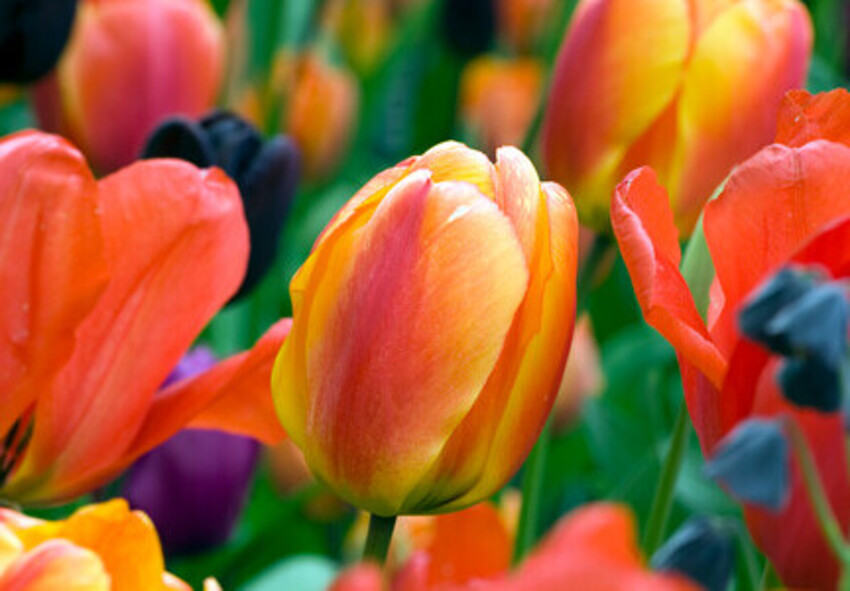
The answer is yes, although the intensity of the scent varies considerably between varieties. Some tulips produce a delicate fragrance that is noticeable only when you stand close to the flower, while others have a more distinct sweet, spicy or fresh aroma.
Why Most Tulips Have Only a Subtle Scent
Tulips have traditionally been bred primarily for flower colour, shape, size, stem length and flowering time. As a result, fragrance has not always been the main selection criterion in modern tulip breeding. This is why many popular tulips have little or no noticeable scent. Their ornamental value comes mainly from their spectacular flowers and reliable garden performance.
Nevertheless, fragrance has not disappeared from the genus. Some older cultivars, double-flowered varieties and botanical tulips can produce a more noticeable aroma. The scent may be sweet, honey-like, spicy or fresh, depending on the cultivar.
Which Tulips Are Known for Their Fragrance?
There is no single type of scent shared by all fragrant tulips. Some varieties produce a soft, sweet aroma, while others have a more distinctive spicy or fresh character. The intensity also depends on the time of day and the weather. A warm, calm spring afternoon may make the scent much easier to detect than a cold or windy morning. When choosing fragrant tulips, gardeners should therefore consider both the variety’s documented characteristics and the conditions in which the plants will be grown.
How Weather and Growing Conditions Affect Scent
Temperature can significantly influence how strongly a tulip’s fragrance is perceived. Warm weather generally helps volatile aromatic compounds become more noticeable, while cold conditions may make even a naturally fragrant variety seem almost scentless.
The location also matters. A sheltered position near a wall or patio can allow fragrance to remain around the flowers for longer. By contrast, strong wind can quickly disperse even a noticeable scent. Healthy plants grown in suitable soil and receiving adequate light are also more likely to express their natural characteristics fully. This is another reason why good planting conditions and high-quality bulbs are important.
The Most Fragrant Tulip Varieties for the Garden
Several popular tulips are particularly appreciated by gardeners for their pleasant fragrance as well as their decorative qualities. Their different colours, flower forms and flowering periods also make it possible to create varied spring compositions while adding a subtle aromatic element to the garden.
Angelique: A Soft and Delicate Fragrance
Angelique is one of the best-known double late tulips, valued for its romantic, peony-like flowers. Its soft pink petals create a gentle and luxurious appearance, making it a popular choice for ornamental spring compositions.
The fragrance is delicate rather than overpowering, so it is best appreciated when the flowers are planted near paths or seating areas. Angelique flowers relatively late in the tulip season and performs best in a sunny location with fertile, well-drained soil. Its large flowers can become heavy, so a sheltered position helps protect the stems from strong winds and heavy rain.
Apricot Beauty: A Warm and Sweet Scent
Apricot Beauty is an early single tulip with elegant apricot-pink flowers. It is especially valued for its warm colour and pleasant fragrance, which makes it attractive both in garden compositions and as a cut flower.
The flowers open relatively early in spring, allowing gardeners to enjoy their colour and scent at the beginning of the tulip season. The variety is suitable for flowerbeds, borders and containers. For the best result, plant the bulbs in a sunny position with good drainage. The combination of early flowering and a warm flower colour makes Apricot Beauty tulip a particularly attractive choice for spring displays.
Princess Irene: A Spicy and Distinctive Aroma
Princess Irene is a striking tulip with orange and purple tones that create an unusual and highly recognisable appearance. In addition to its distinctive colour combination, the variety is known for its pleasant fragrance.
The scent is often described as warm and spicy, making the variety particularly interesting for gardeners who want more than just visual appeal from their spring planting. Princess Irene tulip flowers in the early to mid-spring period and works well in mixed borders. It can be combined with other spring bulbs in contrasting colours to create a lively composition.
Monte Carlo: A Fragrant Double Early Tulip
Monte Carlo is a double early tulip with rich yellow flowers and a rounded, full appearance. Its bright colour brings warmth to the garden at the beginning of the season. The variety is also valued for its fragrance. The scent is relatively soft but noticeable, particularly during warm weather.
Because of its compact growth and full flowers, Monte Carlo tulip is suitable for containers, borders and small garden compositions. Its early flowering makes it useful for creating a sequence of colour with later tulip varieties.
Orange Emperor: A Bright Spring Variety with a Light Scent
Orange Emperor is a popular early tulip with bright orange flowers and a strong visual presence. Although its fragrance is generally lighter than that of some strongly scented cultivars, it can still add a pleasant aromatic note to a spring garden.
The variety is particularly effective in sunny plantings where its vivid flowers can be appreciated from a distance. Orange Emperor tulip also works well in mixed compositions with yellow, purple or white spring flowers. A well-drained planting site is important because excessive moisture can damage tulip bulbs and reduce their performance.
Allegretto: A Delicate Fragrance with Elegant Colour
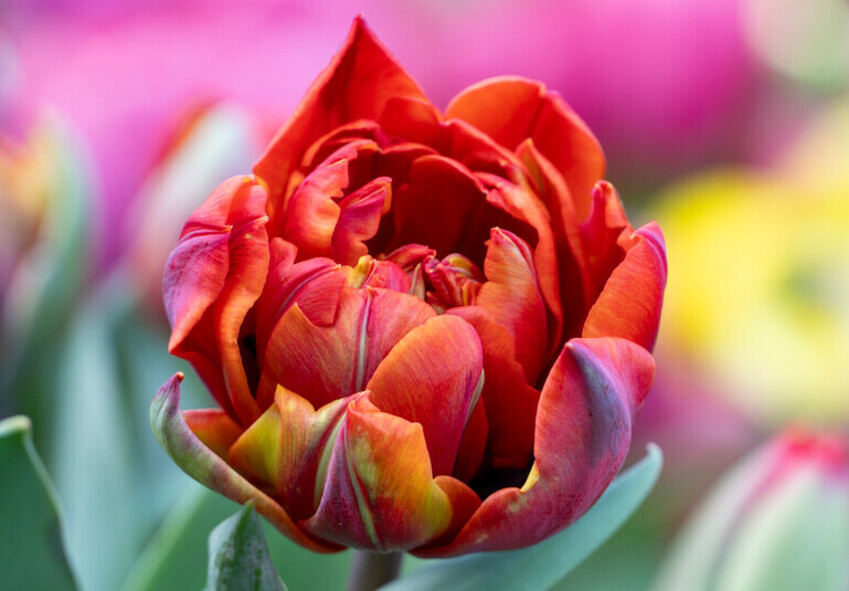
Allegretto is an attractive tulip variety that combines elegant flowers with a delicate, pleasant fragrance. Its refined appearance makes it suitable for spring borders, mixed flowerbeds and containers, while the subtle scent is best appreciated when the bulbs are planted near paths, entrances or seating areas.
Like other fragrant tulips, this variety performs best in a sunny location with fertile, well-drained soil and regular seasonal care. Its graceful flowers can also complement other scented spring bulbs, helping to create a more varied and atmospheric garden composition. With its balanced combination of decorative appeal and fragrance, Allegretto tulip is a versatile choice for gardeners who want to add a sensory element to their spring displays.
Botanical Tulips: Small Flowers with Characteristic Fragrance
Botanical tulips are often overlooked in favour of large hybrid varieties, but many have their own special appeal. They are generally smaller and more naturalistic in appearance, making them suitable for rock gardens, borders and informal plantings.
Some botanical species and cultivars are valued for their noticeable fragrance. Their flowers may be smaller, but they often have an elegant form and can naturalise successfully in suitable conditions. They are particularly attractive for gardeners who want a more natural spring landscape rather than a formal display of large flowers. Many botanical tulips also return reliably when planted in a sunny, well-drained location.
When and Where to Plant Fragrant Tulips
The location of scented tulips can determine how much of their fragrance you actually experience. A carefully chosen sheltered position can help the aroma remain noticeable and make the plants more enjoyable throughout their flowering period.
Planting Near Paths and Seating Areas
The best place for fragrant tulips is often somewhere people regularly pass or spend time. Paths, entrances, patios and seating areas allow the scent to be appreciated at close range. Planting scented varieties at the back of a large flowerbed may reduce their practical value because the fragrance can be difficult to notice from a distance. A small group near a doorway or garden bench can sometimes create a stronger sensory effect than dozens of fragrant bulbs planted far away.
Growing Fragrant Tulips in Containers
Containers are an excellent option for scented tulips because they can be placed close to the house or moved to the most suitable location. A container should have drainage holes and be filled with a loose, well-drained growing medium. Avoid allowing water to remain around the bulbs, especially during cold periods.
Growing fragrant tulips in pots also makes it easier to combine different flowering times. Early varieties can be placed together for the first spring display, while later containers can extend the season.
Creating a Fragrant Spring Flowerbed
A fragrant flowerbed can combine tulips with other scented spring plants. The goal is not necessarily to make every plant fragrant but to create several points of interest throughout the garden.
Different tulip varieties can be selected according to flowering time, height and colour. Early scented tulips can begin the display, followed by mid-season varieties and later double or lily-flowered cultivars. When planning such a bed, remember that fragrance is best experienced in sheltered areas. A position protected from strong wind can help the scent remain noticeable for longer.
How to Choose High-Quality Fragrant Tulip Bulbs
The quality of the planting material directly affects the future performance of the plants. Strong, healthy bulbs are more likely to establish successfully and develop the vigorous growth needed for abundant flowering.
Why Variety Matters More Than Bulb Size Alone
A large bulb is often advantageous because it contains substantial reserves, but size alone does not determine fragrance. The cultivar is the most important factor when choosing a scented tulip.
A large bulb of a variety with little natural fragrance will not necessarily be more fragrant than a healthy bulb of a naturally scented cultivar. The best approach is to select a variety known for its aromatic qualities and then choose healthy bulbs of an appropriate size.
How to Recognise Healthy Planting Material
Healthy tulip bulbs should feel firm and dense. They should not have extensive soft spots, wet rot, a strong unpleasant odour or spreading mold. The outer papery skin may be slightly loose or wrinkled, especially after storage or transportation, but the underlying tissue should remain firm.
High-quality bulbs provide a stronger foundation for healthy root development, vigorous growth and good flowering. They should also be stored correctly before planting to preserve their condition.
When to Order Fragrant Tulip Bulbs
It is usually sensible to order popular varieties in advance of the planting season. Fragrant cultivars may be available in limited quantities, and popular varieties can become unavailable closer to the optimal planting period.
Ordering early also gives gardeners more time to plan combinations of colours, heights and flowering periods. This is particularly useful when creating a dedicated fragrant flowerbed or selecting several varieties for containers.
Who Should Choose Fragrant Tulips?
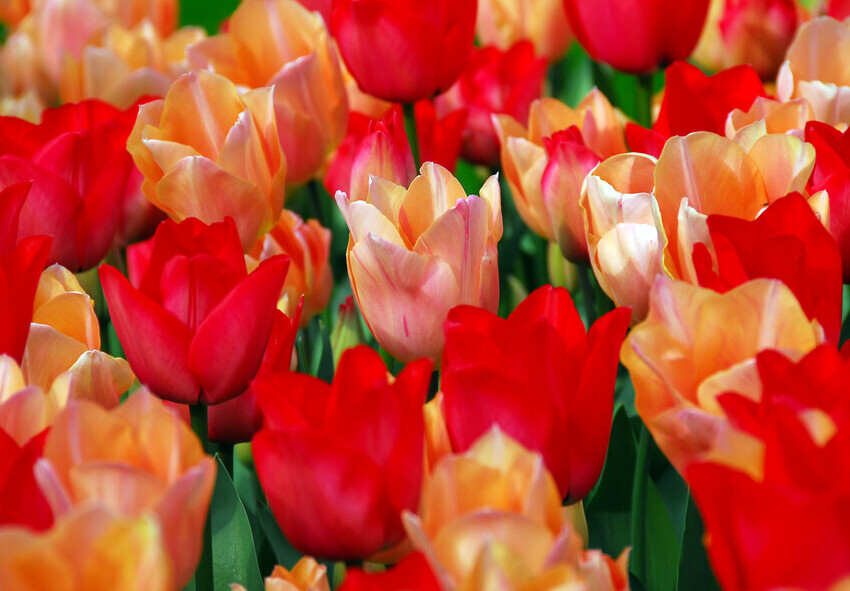
Scented tulips can be suitable for a wide range of gardeners, but they are especially valuable in certain situations:
- For Small Private Gardens: In a small garden, every plant can be selected for more than one characteristic. A fragrant tulip can provide colour, attractive form and scent in a relatively small space. Planting scented varieties near a path or entrance allows the fragrance to become part of the everyday garden experience.
- For Containers and Balconies: Gardeners with limited space can grow fragrant tulips in containers on balconies, terraces and patios. The pots can be positioned close to seating areas where the scent is easiest to enjoy. Containers also allow gardeners to experiment with different varieties without changing the permanent structure of the garden.
- For Gardeners Creating Sensory Plantings: Fragrant tulips are particularly suitable for sensory gardens and plantings designed to stimulate more than one sense. Their flowers provide visual interest, while their aroma adds another layer to the spring experience. Combining scented tulips with plants that have contrasting textures, colours and flowering periods can create a more engaging and memorable garden.
Conclusion
Although most tulips have only a subtle fragrance, scented varieties and botanical species demonstrate that these popular spring bulbs can offer much more than colour and flower form. Varieties such as Angelique, Apricot Beauty, Princess Irene and Monte Carlo can add pleasant aromas to the garden, while botanical tulips offer a more naturalistic alternative with their own distinctive characteristics.
The best place for fragrant tulips is usually near paths, seating areas, entrances and other locations where their scent can be appreciated. Containers can also be an excellent solution for bringing scented flowers closer to the home. When choosing planting material, focus first on the characteristics of the variety and then on the condition and size of the bulbs. Firm, healthy bulbs planted in suitable conditions are more likely to produce strong plants and attractive flowers.
For gardeners who enjoy combining visual beauty with fragrance, fragrant tulips can make the spring garden more memorable and enjoyable. With thoughtful variety selection and proper care, they can contribute colour, elegance and a subtle sensory experience to the landscape!
Frequently Asked Questions (FAQs) about Fragrant Tulips
1. Do all tulips have a noticeable fragrance?
No, not all tulips have a strong or easily noticeable scent. Many popular cultivars produce only a very subtle fragrance, while certain varieties and botanical tulips are known for a more distinct aroma. The intensity of the scent can also depend on temperature, sunlight and weather conditions. Warm, sheltered locations usually make the fragrance easier to appreciate during flowering.
2. Can I order fragrant tulip bulbs from your online store?
Yes, you can order a selection of tulip bulbs from our online store Dutch-bulbs.com, including varieties with attractive flower forms, colours and fragrant characteristics. Depending on availability, you can choose bulbs suitable for flowerbeds, containers and other garden compositions. When selecting planting material, pay attention to the specific variety and choose firm, healthy bulbs to give your fragrant tulips the best start.
3. Which tulip varieties are considered the most fragrant?
Several tulips are appreciated for their pleasant fragrance, including Angelique, Apricot Beauty, Princess Irene and Monte Carlo. Botanical tulips can also offer distinctive scents, although their flowers are often smaller than those of modern hybrids. Fragrance intensity varies between cultivars, so gardeners who specifically want scented flowers should select varieties known for their aromatic qualities rather than relying on flower colour or size alone.
4. Where is the best place to plant fragrant tulips?
Fragrant tulips are best planted where their scent can be enjoyed at close range. Suitable locations include paths, entrances, patios, terraces and areas near garden seating. Sheltered positions are particularly useful because strong wind can disperse the fragrance quickly. Growing scented tulips in containers is another practical option, as pots can be placed close to the house or moved to a more suitable location.
5. How should I choose high-quality bulbs for fragrant tulips?
Choose tulip bulbs that feel firm and dense and show no extensive soft spots, wet rot, spreading mold or unpleasant odours. Slightly loose or wrinkled outer skin can be normal after storage or transport. The cultivar is especially important when fragrance is the priority, while an appropriate bulb size and good overall condition help support strong establishment, healthy growth and attractive flowering.
Published: 24.07.2026