



Many gardeners believe that every tulip must be dug up after flowering and replanted each autumn to ensure reliable blooms. While this advice is useful for some modern hybrid tulips grown for exhibition-quality flowers, it does not apply to every group. In fact, several tulip species and carefully selected hybrid varieties can remain in the ground for many years, returning with beautiful flowers each spring when grown under suitable conditions.
For gardeners who prefer low-maintenance landscapes, perennial tulips are an excellent choice. They reduce the amount of seasonal work while still providing colourful spring displays. The key is selecting varieties that naturally perennialize well and planting them in conditions that encourage healthy bulb development.
This guide explains which tulips are best suited to long-term cultivation without annual digging, how to care for them, and what to look for when purchasing planting material. Our gardening blog is a perfect place to find all the information you need!
Do All Tulips Need to Be Dug Up Every Year?
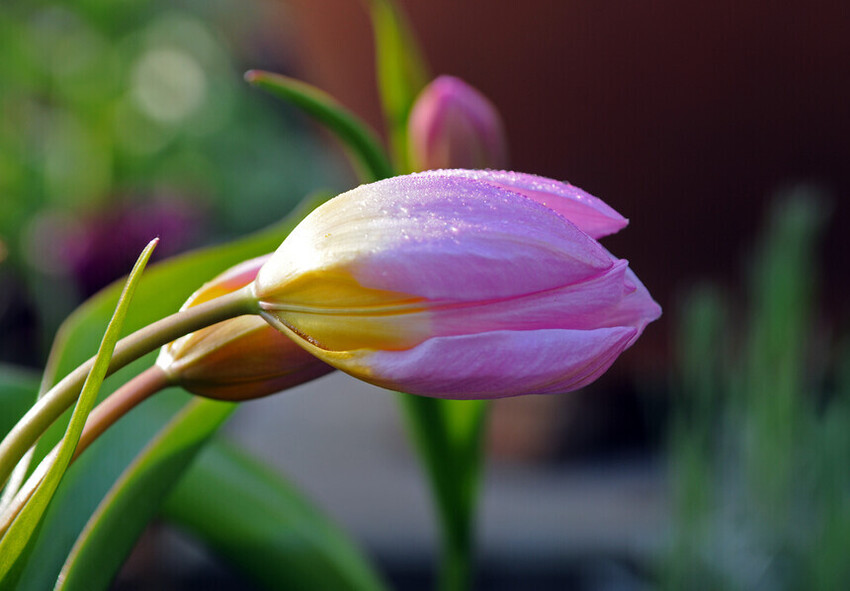
The simple answer is no. Whether tulips require annual lifting depends largely on their genetic background, the growing conditions and the gardener’s expectations.
Why This Common Gardening Myth Exists
The recommendation to dig up tulips every year originated mainly from commercial production and exhibition gardening. Large-flowered hybrid tulips often produce their best displays when bulbs are lifted, dried and replanted under carefully controlled conditions.
This practice helps maintain uniform flowering and reduces the risk of diseases developing in heavy or poorly drained soils. However, many gardeners mistakenly assume that the same routine is essential for every tulip. In reality, several botanical species and robust hybrid groups naturally behave as perennial plants, especially when planted in favourable locations.
Which Tulips Naturally Perennialize Better
Some tulips have inherited characteristics that allow them to survive and multiply in the same place for many years. These include most botanical tulips as well as certain Darwin Hybrid, Kaufmanniana and Greigii cultivars.
Unlike some highly bred exhibition varieties, these tulips often develop stronger natural resilience and can produce flowers consistently without frequent disturbance. Although flowering may gradually become less uniform after many seasons, they generally remain attractive with minimal maintenance.
Conditions That Help Tulips Return Every Spring
Even the best perennial tulips require suitable growing conditions to perform well year after year. The most important requirement is excellent drainage. Bulbs that remain wet during the summer dormant period are much more likely to rot than bulbs growing in dry, well-drained soil.
Full sun, moderate fertility and allowing the foliage to die back naturally after flowering all help tulip bulbs replenish their food reserves. Under these conditions, many perennial tulips can continue flowering successfully for several years without being lifted.
The Best Botanical Tulips for Long-Term Growing
Botanical tulips are among the most dependable choices for gardeners seeking long-lasting displays with minimal maintenance. Their natural ability to perennialize makes them especially suitable for rock gardens, borders, lawns and naturalistic plantings.
Tulipa tarda (Dasystemon)
Tulipa tarda is one of the easiest botanical tulips to grow and one of the most reliable for naturalizing. Its cheerful star-shaped flowers combine bright yellow centres with crisp white petals, creating an attractive display in early to mid-spring.
Unlike many modern hybrids, this species readily forms clumps over time and can flower reliably for many years without annual lifting. It performs particularly well in sunny, well-drained locations and is highly suitable for rock gardens or informal borders.
Why gardeners choose Dasystemon tulip:
- flowers reliably for many years
- naturalizes readily by forming attractive clumps
- compact size suits rock gardens and borders
- excellent winter hardiness
- requires very little maintenance once established
Tulipa clusiana ‘Lady Jane’
Often called one of the most elegant botanical tulips, ‘Lady Jane’ produces slender, pointed flowers that are creamy white inside with striking rose-red outer petals. The blooms open wide in sunshine and close again during cloudy weather or at night.
This graceful species thrives in sunny positions with free-draining soil and can gradually increase when left undisturbed. Its refined appearance makes it particularly attractive in gravel gardens and naturalistic planting schemes.
Highlights of Lady Jane tulip:
- elegant star-shaped flowers with contrasting colours
- long-lasting spring display
- suitable for naturalistic planting
- prefers dry summer conditions
- reliable perennial performance
Tulipa bakeri ‘Lilac Wonder’
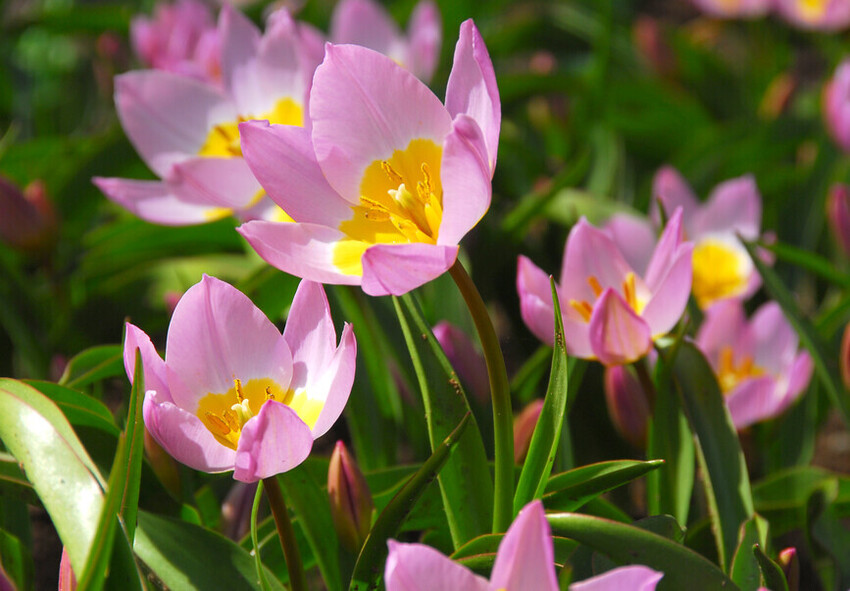
‘Lilac Wonder’ is admired for its soft lilac-pink petals surrounding a brilliant golden-yellow centre. Although relatively small, the flowers create an eye-catching display that blends beautifully with other spring bulbs.
This botanical tulip performs exceptionally well when planted in sunny positions where the soil remains relatively dry during summer dormancy. Over time, healthy bulbs can produce increasingly impressive colonies.
Reasons to grow Lilac Wonder tulip:
- attractive pastel colouring
- bright yellow centres add contrast
- dependable perennial habit
- excellent for borders and rock gardens
- low-maintenance once established
Reliable Darwin Hybrid Tulips
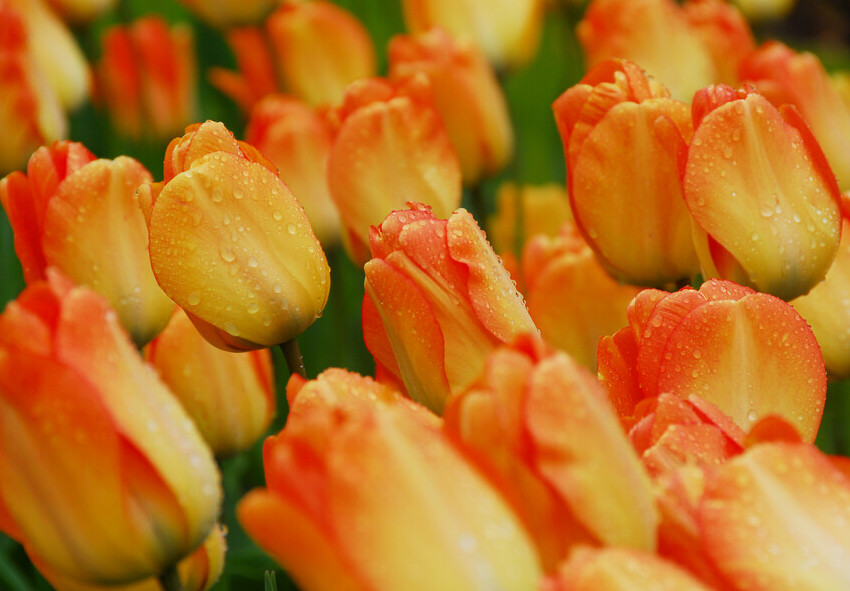
Among modern hybrid tulips, Darwin Hybrids have earned an excellent reputation for their strength, longevity and ability to flower repeatedly without annual digging. Although they may eventually benefit from lifting after many years, they generally outperform most other large-flowered tulips when left in the ground.
Apeldoorn
Apeldoorn remains one of the world’s most popular Darwin Hybrid tulips. Its large scarlet-red flowers stand on tall, sturdy stems that withstand spring weather remarkably well.
The variety is known for returning reliably under suitable conditions and often maintains impressive flowering for several seasons. Its vivid colour makes it an outstanding choice for large flowerbeds and public landscapes.
Advantages of Apeldoorn tulip:
- dependable repeat flowering
- strong, weather-resistant stems
- large classic tulip flowers
- suitable for mass planting
- excellent garden durability
Red Impression
Red Impression produces enormous bright red flowers carried on exceptionally tall stems. The blooms create a dramatic display and remain attractive for an extended flowering period.
As a Darwin Hybrid, Red Impression combines spectacular appearance with good perennial performance. When planted in well-drained soil, it often flowers successfully for several consecutive years without annual lifting.
Key features of Red Impression tulip:
- exceptionally large blooms
- vibrant red colouring
- vigorous growth
- excellent for borders and cut flowers
- reliable perennial potential
Daydream
Unlike traditional red Darwin Hybrids, Daydream offers changing flower colours throughout its flowering period. Buds begin with warm yellow tones before gradually developing beautiful apricot and orange shades.
This unique colour transformation makes every planting more dynamic. Daydream also inherits the strong stems and dependable garden performance typical of Darwin Hybrid tulips.
Why choose Daydream tulip:
- unique colour-changing flowers
- tall, strong stems
- long flowering period
- attractive in mixed spring displays
- dependable performance over several seasons
Novi Sun
Novi Sun is a striking Darwin Hybrid recognised for its brilliant golden-yellow flowers and vigorous growth. Its large blooms brighten spring borders and combine well with blue, purple and white companion plants.
Like other members of the group, Novi Sun can continue flowering successfully for several years when planted in a sunny position with excellent drainage.
Benefits of Novi Sun tulip:
- bright golden-yellow flowers
- excellent landscape variety
- sturdy flower stems
- good perennial reliability
- suitable for large garden displays
Giuseppe Verdi
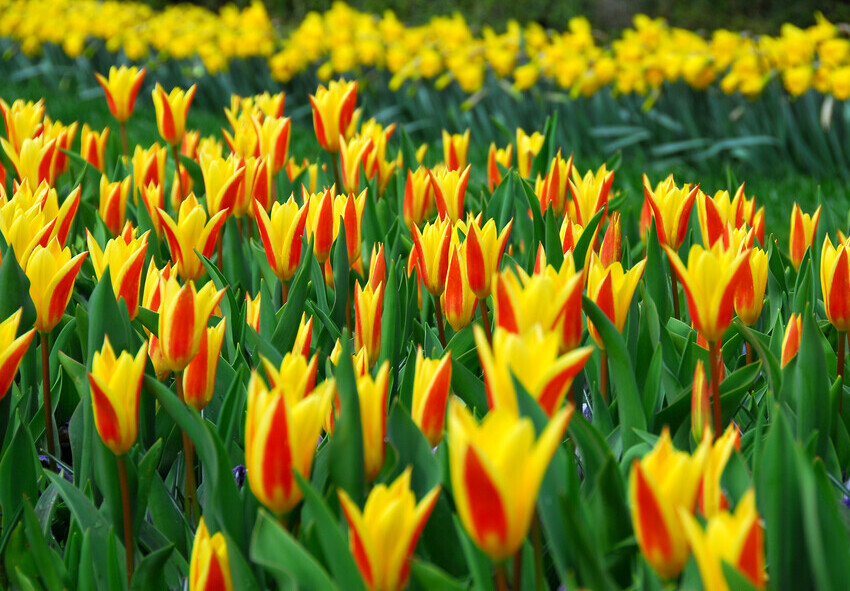
Giuseppe Verdi is one of the best-known Kaufmanniana tulips and is valued for both its colourful flowers and decorative foliage. The bright yellow blooms are highlighted by bold red flames, creating a striking display even in small gardens. Its attractive mottled leaves remain ornamental throughout much of the spring season.
This variety flowers earlier than many traditional tulips, making it ideal for extending the flowering season. It performs well in borders, containers and rock gardens, and it often returns reliably when planted in well-drained soil.
Why grow Giuseppe Verdi tulip:
- early flowering season
- bright yellow flowers with red markings
- attractive variegated foliage
- compact growth for small spaces
- dependable perennial performance
Red Riding Hood
Red Riding Hood is a compact Greigii tulip that combines brilliant scarlet-red flowers with distinctive purple-striped foliage. Even before flowering begins, the patterned leaves provide attractive ornamental value, making this variety a favourite among gardeners seeking season-long interest.
Its compact habit makes it particularly suitable for borders, edging and containers. With proper growing conditions, Red Riding Hood can flower reliably for many years without requiring annual lifting.
Highlights of Red Riding Hood tulip:
- vivid scarlet-red flowers
- decorative striped foliage
- compact and tidy growth
- ideal for containers and borders
- excellent long-term garden performance
Toronto
Toronto belongs to the Greigii group and is especially admired for producing several flowers on a single stem. The soft coral-pink blooms create an abundant display that appears fuller than many traditional tulips.
This variety is known for its durability and adaptability in garden settings. When planted in a sunny position with well-drained soil, Toronto often naturalizes successfully and provides dependable spring colour year after year.
Reasons to choose Toronto tulip:
- multiple flowers per stem
- attractive coral-pink colour
- reliable repeat flowering
- excellent for naturalizing
- easy-care garden variety
How to Help Tulips Thrive Without Annual Digging
Although these tulips are naturally better suited to perennial cultivation, a few simple gardening practices can significantly improve their longevity. Proper planting conditions often have a greater influence on long-term performance than the variety alone.
Choose a Sunny, Well-Drained Location
Sunlight is one of the most important factors for healthy tulip bulbs. Most perennial tulips require at least six hours of direct sunlight each day to produce strong leaves and replenish their energy reserves after flowering. Equally important is excellent drainage. Bulbs that remain in wet soil during their summer dormancy are much more likely to rot. Raised beds, sandy soils and areas that dry out naturally after spring are particularly suitable for long-term cultivation.
Avoid Excess Summer Moisture
Many tulips originate from regions with dry summers, so excessive moisture after flowering is often more damaging than temporary drought. Avoid planting perennial tulips in areas where irrigation continues throughout summer or where water collects after heavy rain. If your garden has heavy clay soil, improving drainage with coarse sand or organic matter can greatly increase bulb longevity.
Allow the Foliage to Die Back Naturally
One of the most common mistakes is removing tulip leaves too early. Although the foliage may look untidy after flowering, it continues producing energy that is transferred back into the bulb. Allow the leaves to yellow and dry naturally before removing them. This process strengthens the bulbs and greatly improves flowering the following spring.
Feed the Bulbs at the Right Time
Tulips benefit from balanced nutrition immediately after flowering, when the bulbs begin storing energy for the following season. A fertilizer higher in phosphorus and potassium than nitrogen encourages healthy bulb development. Excessive nitrogen later in the season may promote leaf growth without improving bulb quality.
How to Choose Quality Tulip Bulbs for Naturalizing
Even the best perennial varieties will only perform well if the planting material is healthy from the beginning.
Select Mature, Healthy Bulbs
Choose bulbs that are firm, heavy for their size and free from soft spots, mould or signs of rot. The protective outer skin may appear slightly dry or loose, but the bulb itself should remain solid. Healthy planting material establishes more quickly and is better able to withstand changing weather conditions throughout the growing season.
Why Bulb Size Matters
Larger bulbs generally contain more stored nutrients, allowing them to produce stronger stems and larger flowers during the first season. While smaller bulbs may also perform well over time, mature bulbs usually establish faster and provide more reliable flowering. When purchasing bulbs for perennial cultivation, selecting larger, professionally graded planting material often gives the best long-term results.
Where to Buy Reliable Planting Material
Always purchase tulip bulbs from reputable suppliers that provide clear information about the variety, bulb size and country of origin. Reliable retailers also store bulbs under appropriate conditions before shipping, helping to preserve their quality. Buying early in the season offers the widest choice of perennial varieties and increases the likelihood of obtaining premium bulb sizes before popular cultivars sell out.
Conclusion
Growing tulips does not have to involve digging up bulbs every year. By choosing varieties that naturally perennialize well, gardeners can enjoy colourful spring displays with considerably less maintenance.
Success depends not only on selecting the right varieties but also on providing suitable growing conditions. Sunny locations, well-drained soil, careful post-flowering care and healthy planting material all contribute to stronger bulbs and more reliable flowering year after year.
With thoughtful planning and high-quality bulbs, even gardeners looking for the simplest possible maintenance routine can enjoy beautiful tulip displays that return each spring with very little extra effort.
Frequently Asked Questions (FAQs) about Growing Tulips
1. Do all tulips need to be dug up every year?
No. While some modern hybrid tulips benefit from annual lifting to maintain the largest flowers, many botanical tulips, Darwin Hybrids, Kaufmanniana and Greigii varieties can remain in the ground for several years. Their long-term performance depends on well-drained soil, sufficient sunlight and proper care after flowering, allowing the bulbs to rebuild their energy reserves naturally.
2. Which tulip varieties are best for growing without annual digging?
Some of the best choices include botanical tulips such as Tulipa tarda, Tulipa clusiana ‘Lady Jane’ and Tulipa bakeri ‘Lilac Wonder’. Reliable Darwin Hybrids like Apeldoorn, Red Impression, Daydream and Novi Sun also perform well, as do Kaufmanniana and Greigii varieties including Giuseppe Verdi, Red Riding Hood and Toronto. These tulips are known for their durability and dependable repeat flowering.
3. Can I order perennial tulip bulbs from your online store?
Yes, you can order a wide selection of tulip bulbs from our online store Dutch-bulbs.com, including botanical tulips, Darwin Hybrids, and other varieties that are well suited to perennial cultivation. We offer healthy, high-quality planting material in different bulb sizes, making it easy to choose varieties for low-maintenance gardens, borders, rock gardens and naturalized spring displays.
4. How can I help perennial tulips return every spring?
Choose a sunny location with excellent drainage and avoid areas that stay wet during summer. Allow the foliage to die back naturally after flowering so the bulbs can store nutrients for the following season. Applying a balanced fertiliser after blooming and avoiding excessive nitrogen also encourages healthy bulb development and improves the chances of reliable flowering in future years.
5. Is bulb size important when growing tulips without digging them up?
Yes, bulb size can influence first-year performance. Larger, mature bulbs generally contain more stored energy, allowing them to produce stronger stems and larger flowers during their first season. Although smaller bulbs may establish successfully over time, professionally graded, healthy planting material usually provides more reliable flowering and stronger long-term garden performance.
Published: 30.07.2026