



Muscari, commonly known as grape hyacinths, are popular spring-flowering bulbs valued for their compact growth and clusters of colourful, bell-shaped flowers. They are generally easy to grow and require little maintenance, but unsuitable growing conditions can make them vulnerable to fungal, bacterial and viral diseases.
Excess moisture, poor drainage, overcrowding and infected planting material can all contribute to plant health problems. Learning to recognise the first signs of disease helps gardeners protect their Muscari and prevent infections from spreading to nearby plants. This guide covers common Muscari diseases, their symptoms, treatment options and practical prevention measures. Our gardening blog is a perfect place to find all the information you need!
Common Diseases Affecting Muscari
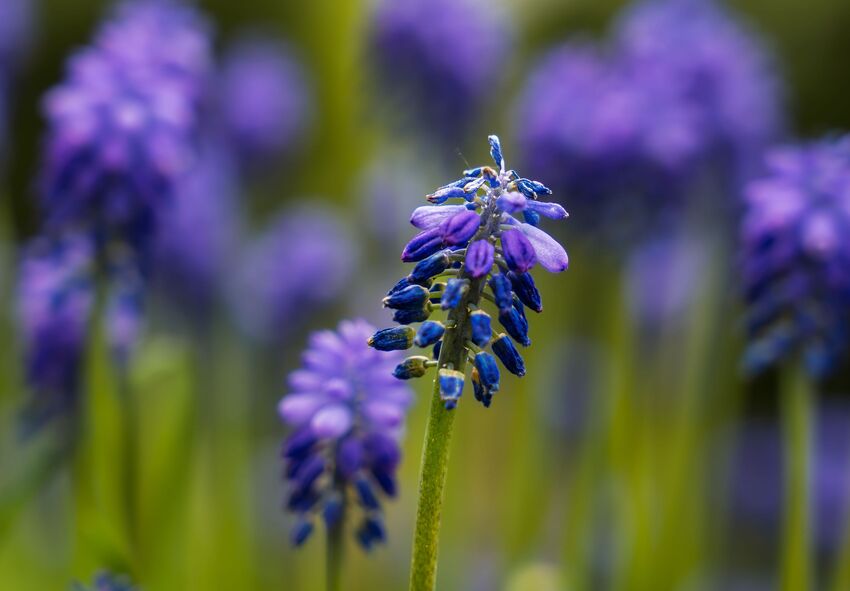
Muscari can experience several types of disease, particularly when bulbs are planted in heavy, poorly drained soil or exposed to prolonged damp conditions. The most important problems to watch for include bulb and root rot, gray mold, Fusarium-related infections and viral diseases.
Bulb Rot and Root Rot
Bulb rot and root rot are among the most damaging problems affecting Muscari. They are commonly associated with excessive soil moisture, poor drainage and fungal or fungus-like pathogens that thrive in wet conditions.
Symptoms:
- Bulbs become soft, discoloured or unpleasant-smelling.
- Roots turn brown or black and begin to decay.
- Leaves may yellow, wilt or fail to develop properly.
- Plants show weak growth or do not emerge in spring.
Causes and control: Constantly wet soil creates favourable conditions for pathogens responsible for bulb and root decay. Before planting Muscari bulbs, inspect them carefully and discard any that are soft, damaged or showing signs of rot. If established plants become infected, remove affected bulbs and surrounding decaying plant material.
Improve drainage by loosening compacted soil and incorporating suitable organic matter where appropriate. In particularly heavy soil, raised beds or containers with drainage holes can help reduce the risk of further problems.
Gray Mold (Botrytis)
Gray mold, caused by fungi in the Botrytis group, can affect Muscari foliage and flowers, especially during cool, humid weather. Poor air circulation and prolonged moisture on plant surfaces encourage infection.
Symptoms:
- Brown or water-soaked patches appear on leaves and flowers.
- A gray, dusty-looking fungal growth develops on affected tissue.
- Flowers may become discoloured, wilt or decay.
- Infected foliage gradually collapses.
Causes and control: Gray mold spreads more easily when plants remain wet for extended periods. Remove infected flowers and leaves as soon as symptoms appear, taking care not to damage healthy growth. Dispose of diseased material rather than leaving it on the soil or adding heavily infected debris to the compost.
Avoid overhead watering, provide adequate spacing and remove dead foliage regularly. Improving air circulation around plants helps reduce humidity and makes conditions less favourable for the fungus.
Fusarium-Related Diseases
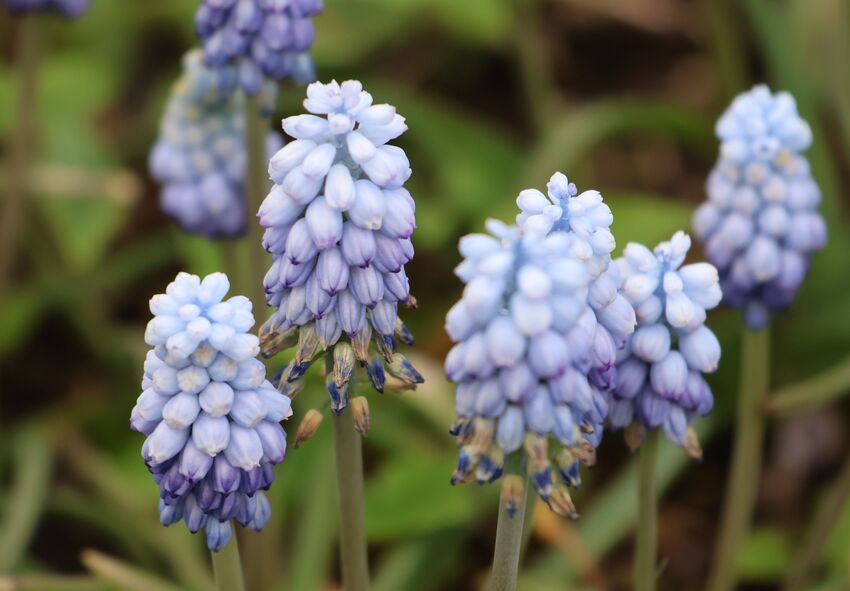
Some Fusarium fungi can cause bulb and root infections in ornamental plants, including susceptible bulb crops. These pathogens may persist in soil or be introduced through infected planting material. The risk depends on the particular Fusarium species and local growing conditions.
Symptoms:
- Leaves turn yellow, often starting with older growth.
- Plants become stunted or wilt despite apparently suitable care.
- Roots may become brown and damaged.
- Bulb tissue develops discoloured, dry or rotten areas.
Causes and control: Fusarium infections can be difficult to manage once they become established. Remove severely affected plants and bulbs, including damaged roots, and dispose of them appropriately. Avoid replanting Muscari immediately in soil where serious bulb infection has occurred.
Use healthy planting material and clean tools between working with affected and healthy plants. Good drainage and careful watering also help reduce stress and limit conditions that favour infection.
Viral Diseases
Viral infections are less common than problems associated with excessive moisture, but they can affect Muscari and other ornamental bulbs. Viruses may be introduced through infected bulbs or spread by sap-feeding insects, depending on the virus involved.
Symptoms:
- Leaves develop irregular yellow streaks or mottled patterns.
- Growth may become distorted or unusually weak.
- Flower colour can appear uneven or abnormal.
- Plants may produce fewer or smaller flowers.
Causes and control: Viral diseases cannot be cured with fungicides or ordinary plant treatments. Remove clearly infected plants and bulbs to reduce the risk of spreading infection. Do not use affected Muscari bulbs for propagation, and disinfect cutting tools after handling diseased material.
Purchase bulbs from reliable suppliers and inspect plants regularly. Controlling aphids and other sap-feeding insects can also help limit the spread of certain plant viruses.
How to Prevent Diseases in Muscari
Prevention is usually more effective than trying to treat an established infection. A few simple growing practices can help keep Muscari healthy and reduce the likelihood of disease.
- Choose healthy bulbs: Select firm, undamaged bulbs without soft spots, mould or unusual discolouration. Discard questionable planting material.
- Prepare well-drained soil: Muscari prefer soil that retains some moisture but does not remain waterlogged. Improve heavy soil before planting.
- Water carefully: Water when necessary, taking the weather and soil conditions into account. Avoid excessive watering, especially during dormancy.
- Allow sufficient spacing: Do not overcrowd bulbs. Good air circulation helps foliage dry more quickly after rain or watering.
- Remove dead plant material: Clear away decaying leaves and flowers, as they can harbour pathogens.
- Inspect plants regularly: Check foliage, flowers and visible bulbs for unusual spots, yellowing, mould or signs of decay.
It is also important to avoid planting Muscari in areas where bulbs have repeatedly rotted. If disease has been a recurring problem, consider improving drainage or choosing a different planting location.
What to Do When Muscari Plants Become Infected
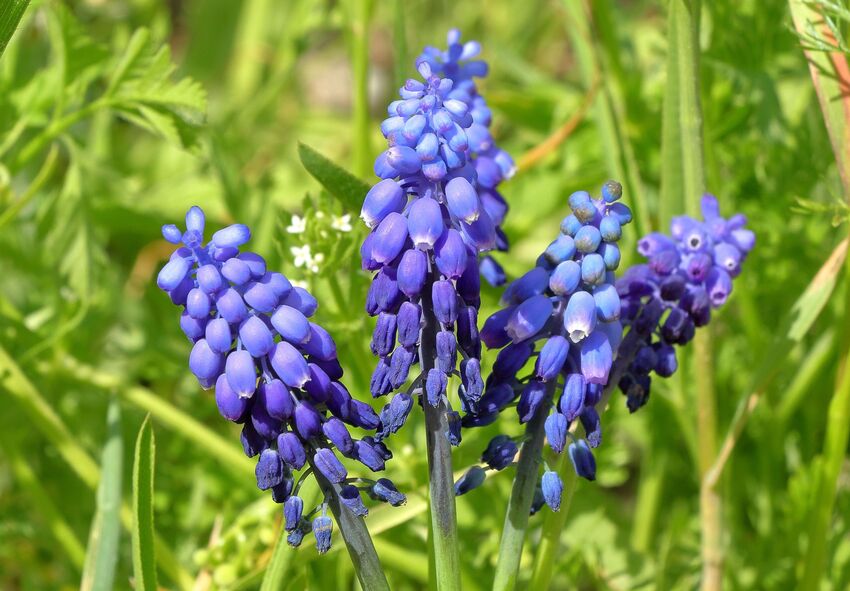
If you notice signs of disease, act promptly to reduce the risk of infection spreading. The right response depends on the symptoms and the part of the plant affected. First, inspect the plant carefully. Check whether the problem is limited to a few leaves or whether the bulb and roots are also damaged. Yellowing foliage alone does not always indicate disease, as Muscari leaves naturally die back after flowering.
For plants with localised leaf or flower infections, remove the affected parts using clean, disinfected tools. If a bulb is soft, rotten or severely damaged, carefully lift and remove it along with any decaying roots. Avoid leaving infected material on the soil surface. Dispose of diseased bulbs and plant debris in household waste where local rules allow. Do not add severely infected material to ordinary garden compost, as the composting process may not reliably destroy all pathogens.
After handling infected plants, clean soil and plant residue from tools before disinfecting them. Wash your hands and avoid using the same equipment on healthy plants without cleaning it first. If several plants show similar symptoms, review the growing conditions. Persistent dampness, compacted soil and overcrowding may be contributing to the problem. Correcting these conditions can help protect the remaining healthy plants.
Conclusion
Muscari are generally resilient bulbs, but diseases such as bulb rot, gray mold, Fusarium-related infections and viral problems can affect their growth and flowering. Regular inspection, healthy planting material, well-drained soil and careful watering are essential for prevention.
When disease appears, remove affected plant parts or bulbs promptly, clean tools and dispose of infected material responsibly. With good growing practices and early action, you can reduce disease risks and enjoy healthy Muscari flowering in your garden each spring.
Frequently Asked Questions (FAQs) about Muscari Diseases
1. What are the most common diseases affecting Muscari?
Muscari can be affected by several diseases, including bulb rot, root rot, gray mold (Botrytis), Fusarium-related infections and viral diseases. Excessive moisture and poor drainage increase the risk of fungal problems, while viruses may cause mottled leaves and distorted growth. Regular inspection helps gardeners recognise symptoms early and protect healthy plants.
2. Why are my Muscari bulbs rotting?
Muscari bulbs commonly rot when planted in waterlogged or poorly drained soil. Excess moisture encourages pathogens that damage bulb tissue and roots. Affected bulbs may become soft, discoloured or unpleasant-smelling. To prevent further problems, remove rotten bulbs, improve soil drainage and avoid excessive watering, particularly during the dormant period.
3. Can I order Muscari bulbs in your online store?
You can visit our online store Dutch-bulbs.com to explore the available Muscari bulbs and check the current selection. Depending on the season, different varieties and colours may be offered. Review the product descriptions for details about each variety and check availability before ordering, as the selection may change throughout the year.
4. How can I prevent fungal diseases in Muscari?
To reduce fungal disease risks, plant healthy bulbs in well-drained soil and leave enough space between them for good air circulation. Avoid overwatering and try not to wet the foliage unnecessarily. Remove dead leaves and infected flowers promptly, clean gardening tools and inspect plants regularly for early signs of infection.
5. Can Muscari recover from viral diseases?
Unfortunately, plants infected with viruses cannot usually be cured. Symptoms may include yellow streaks, mottled foliage, distorted growth and unusual flower colouring. Remove severely affected plants and bulbs to limit possible spread. Do not use infected bulbs for propagation, and clean tools after handling them to protect healthy Muscari.
Published: 25.11.2026