



Muscari, commonly known as grape hyacinths, are hardy spring-flowering bulbs that usually require little maintenance. Their clusters of blue, purple, white or pink flowers return year after year, making them a popular choice for borders, rock gardens, containers and naturalised planting. Although these plants are generally trouble-free, several pests can damage their bulbs, roots, leaves and flowers.
Recognising pest activity early makes it easier to protect Muscari and prevent problems from spreading. Some pests feed directly on the bulbs, while others attack young foliage or flower stems. This guide explains how to identify the most common threats and choose practical control methods for a healthy, attractive display. Our gardening blog is a perfect place to find all the information you need!
Common Pests That Affect Muscari
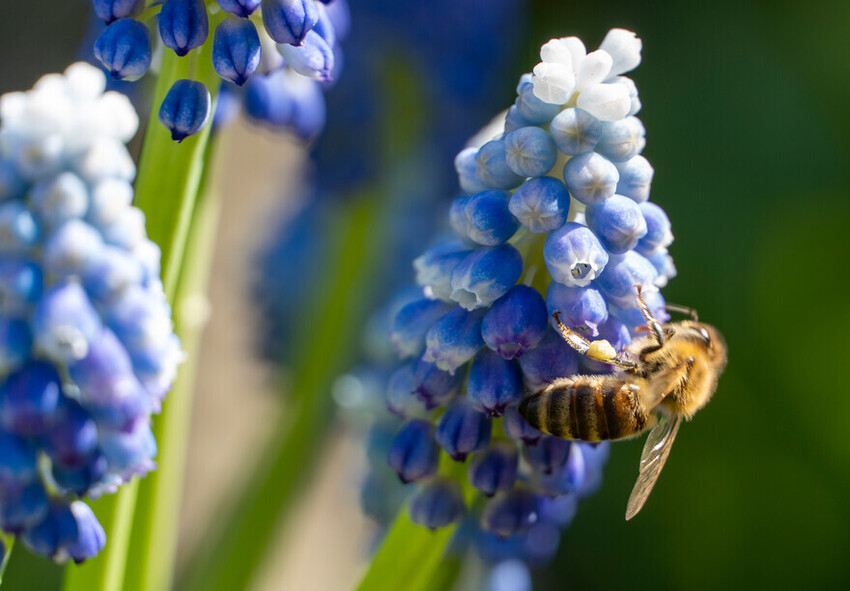
Although Muscari are naturally hardy, they are not completely immune to garden pests. Different insects and small animals can attack different parts of the plant, so recognising the signs of damage is an important first step. The following pests are worth watching for, particularly during planting and early spring growth.
1. Bulb Mites
Bulb mites are tiny, pale, often translucent pests that live around the base of plants and feed on damaged or weakened bulbs. They are difficult to see without magnification, but their presence may become apparent when Muscari grow poorly or fail to flower.
Affected bulbs may develop brown, soft or damaged areas, while roots can become weak and unhealthy. Infestations are more likely to develop in bulbs that have already been injured or stored in unsuitable conditions. Bulb mites can also contribute to further deterioration by creating wounds that allow rot-causing organisms to enter.
The best prevention is to plant only firm, healthy Muscari bulbs. Inspect them before planting and discard any that are soft, badly damaged or show signs of infestation. Avoid injuring bulbs when handling them, and keep stored bulbs in a cool, dry, well-ventilated place.
If you discover affected bulbs, remove them from the planting area rather than leaving them in the soil. Do not add severely damaged bulbs to your compost. Where an infestation is suspected, inspect neighbouring bulbs and avoid replanting in heavily affected soil until the problem has been assessed.
2. Rodents: Mice, Voles and Other Small Animals
Mice, voles and other rodents sometimes disturb or feed on planted bulbs. However, Muscari are generally less attractive to rodents than many other spring bulbs, so serious feeding damage is not especially common. The risk depends on the local rodent population and the availability of other food sources.
Signs of rodent activity include missing bulbs, shallow tunnels, disturbed soil and holes around planting areas. You may notice that Muscari fail to appear in spring despite having planted healthy bulbs the previous autumn.
Physical protection is usually the most reliable approach. Planting muscari bulbs in wire mesh baskets can make them harder for rodents to reach while still allowing roots and shoots to grow. Make sure the mesh openings are small enough to provide protection and that the basket is properly covered with soil.
Keep planting areas tidy and remove dense piles of leaves or garden debris where rodents may shelter. If rodents are causing repeated damage, consider using suitable physical barriers around vulnerable planting beds. Avoid placing poison where pets, wildlife or children could be exposed to it.
3. Slugs and Snails
Slugs and snails can damage Muscari as young leaves and flower stems emerge in early spring. They are particularly active during damp weather and often feed at night, making their presence easy to overlook.
Typical signs include irregular holes along the edges of leaves, damaged flower buds and missing sections of young shoots. You may also notice silvery slime trails on the soil or foliage. Although mature Muscari plants can usually tolerate some feeding, heavy damage may weaken young growth and spoil the flowers.
Regular inspection is a simple way to manage these pests. Check around plants in the evening or after rainfall, when slugs and snails are most active. Remove any you find and clear away hiding places such as damp boards, dense weeds and accumulated plant debris.
Encouraging natural predators, including birds, frogs and ground beetles, can also help reduce their numbers. If additional protection is needed, use barriers or slug-control products specifically approved for garden use, following the label instructions. Avoid excessive use of chemical treatments, particularly where pets and wildlife may be present.
4. Aphids

Aphids are small, soft-bodied insects that feed by sucking sap from plant tissues. They may gather on young Muscari leaves, flower stems and developing buds, especially during mild spring weather.
An infestation can cause distorted or weakened growth. Leaves may curl, flower stems may become misshapen, and the plants may look less vigorous than usual. Aphids also produce sticky honeydew, which can attract ants and encourage the growth of sooty mould. Some aphid species can transmit plant viruses while feeding.
Inspect new growth regularly, paying particular attention to the undersides of leaves and the bases of flower stems. A small population usually does not cause serious damage and can often be removed with a firm spray of water.
Encouraging beneficial insects such as ladybirds, lacewings and hoverfly larvae helps keep aphid numbers under control. If an infestation becomes severe, consider an insecticidal soap or another product approved for use on ornamental plants. Always follow the manufacturer’s instructions and avoid spraying flowering plants when pollinators are visiting.
5. Bulb Flies and Their Larvae
Some bulb-feeding fly larvae can damage ornamental bulbs, although the risk to Muscari varies by species and location. The larvae develop in or around bulbs and feed on the tissues, potentially preventing normal growth.
Affected plants may produce weak leaves, fail to flower or stop growing altogether. When a damaged bulb is lifted, it may contain soft, hollowed or partially eaten tissue. In some cases, the bulb may have deteriorated so much that no healthy growth remains.
Prevention begins with careful bulb selection. Buy firm, undamaged bulbs from reliable suppliers and inspect them before planting. Avoid leaving damaged bulbs in the ground, as they may attract further pests or provide a place for larvae to develop.
If a plant suddenly wilts or fails to grow, carefully inspect the bulb rather than assuming it is simply dormant. Remove badly damaged bulbs and check nearby plants for similar symptoms. Good garden hygiene and avoiding unnecessary bulb injuries can help reduce the risk of future problems.
How to Prevent Pest Problems in Muscari
Preventing pest damage is generally easier than dealing with an established infestation. A combination of healthy planting material, suitable growing conditions and regular garden care can reduce the risk of problems. These simple practices also help Muscari establish well and produce reliable spring flowers.
Choose Healthy Bulbs and Suitable Planting Conditions
A few simple gardening habits can make Muscari less vulnerable to pests. Start by choosing healthy, firm bulbs and planting them in well-drained soil. Waterlogged conditions and damaged planting material can weaken bulbs and make them more susceptible to secondary problems.
Keep Planting Areas Clean and Uncrowded
Avoid overcrowding plants. Although Muscari look attractive in generous groups, leaving adequate space between bulbs improves airflow and makes it easier to inspect the plants. Remove dead foliage and weeds when appropriate, but allow healthy leaves to die back naturally after flowering so the bulbs can replenish their energy.
Inspect Plants Regularly
Check your planting areas throughout the growing season. Autumn is a good time to inspect bulbs before planting, while early spring is ideal for watching for slugs, snails and aphids. If you notice unusual growth or missing plants, investigate promptly to identify the cause.
Use Pest Treatments Carefully
It is also important to use pest-control products selectively. Identify the pest before choosing a treatment, follow product instructions and consider the effects on beneficial insects, pets and wildlife. In many cases, physical removal, good hygiene and suitable planting conditions are enough to manage minor infestations.
Quick Signs of Common Muscari Pests
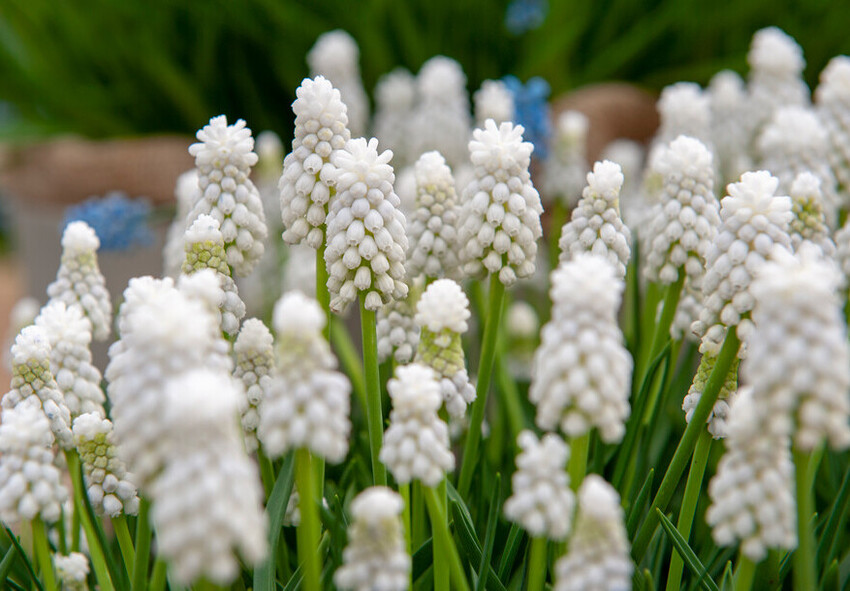
When Muscari show signs of damage, it is not always immediately clear which pest is responsible. Looking closely at the affected parts of the plant can help narrow down the possibilities. Use the following quick guide to compare common symptoms and identify what may be attacking your bulbs:
- Bulb mites: Soft, damaged or weakened bulbs, sometimes with brown patches and poor root growth.
- Rodents: Missing bulbs, disturbed soil, shallow tunnels or unexplained gaps in planting areas.
- Slugs and snails: Irregular holes in leaves, damaged flower buds and silvery slime trails.
- Aphids: Clusters of tiny insects on young growth, curled leaves, sticky honeydew and distorted flower stems.
- Bulb fly larvae: Weak or missing shoots and bulbs with hollowed, softened or eaten tissue.
Identifying the likely pest before taking action helps you choose an appropriate treatment and avoid unnecessary use of pesticides.
Conclusion
Muscari are resilient spring bulbs, and serious pest problems are relatively uncommon when they are planted in suitable conditions. Nevertheless, bulb mites, rodents, slugs, snails, aphids and certain bulb-feeding fly larvae can occasionally damage them.
Regular inspection, healthy planting material and simple preventive measures are the foundations of effective pest control. By identifying damage early and choosing targeted solutions, you can help your Muscari remain healthy and enjoy their colourful spring flowers for many years.
Frequently Asked Questions (FAQs) about Muscari Pests
1. What pests commonly attack Muscari bulbs?
Muscari can occasionally be affected by bulb mites, rodents, slugs, snails, aphids and certain bulb-feeding fly larvae. Some pests damage the bulbs underground, while others feed on leaves, flower stems or buds. Regular inspection helps identify problems early and makes pest control easier and more effective.
2. Can I order Muscari bulbs in your online store?
You can check the Muscari bulbs in our online store Dutch-bulbs.com to find varieties for your garden. Availability may vary depending on the season and current stock. Before ordering, consider the flower colour, variety and planting requirements to choose bulbs that suit your garden design and growing conditions.
3. How can I tell if Muscari bulbs have been damaged by pests?
Look for soft or weakened bulbs, missing plants, damaged roots and unusual growth. Holes in leaves, distorted flower stems, sticky honeydew and silvery slime trails can indicate pests feeding above ground. If Muscari fail to emerge in spring, carefully inspect the planting area and any remaining bulbs for signs of damage.
4. How can I protect Muscari bulbs from rodents?
Although rodents generally find Muscari less attractive than some other spring bulbs, they may occasionally disturb or eat them. Planting bulbs in protective wire mesh baskets can reduce the risk of damage. Keeping the garden tidy, removing potential rodent shelters and checking planting areas regularly can also help protect your bulbs.
5. Are Muscari bulbs resistant to pests?
Muscari are generally hardy and relatively trouble-free, but they are not completely pest-resistant. Bulb mites, slugs, snails, aphids and some bulb-feeding larvae can occasionally cause damage. Growing Muscari in well-drained soil, choosing healthy bulbs and maintaining good garden hygiene will help reduce the likelihood of serious pest problems.
Published: 16.11.2026