



Hydroponic tulip growing is a method of growing tulips without traditional garden soil. Instead, the bulbs are placed in a container where their roots have access to water while the bulb itself remains above the water level. This makes it possible to enjoy tulips indoors in attractive glass vases, forcing glasses, and other decorative containers.
Tulips are naturally well suited to this type of indoor forcing because the bulb already contains the nutrients and energy needed to produce initial leaves, roots, and flowers. With the right chilling period, water level, light, and temperature, a dormant bulb can develop into a colorful indoor display without being planted in soil. Our gardening blog is a perfect place to find all the information you need!
Choosing Tulip Bulbs for Hydroponic Growing
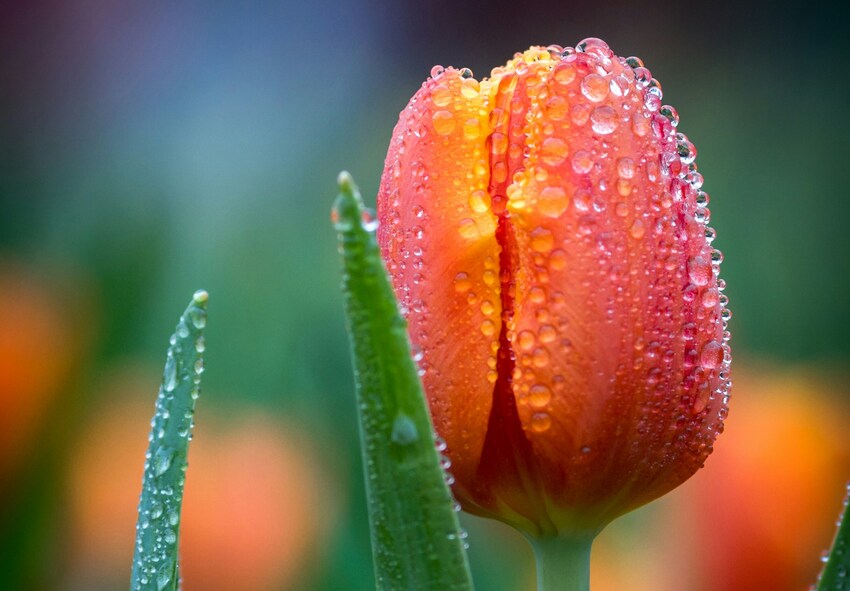
Choosing good-quality bulbs is one of the most important steps when growing tulips in water. Look for firm, healthy, flowering-size bulbs without obvious mold, soft areas, cuts, or severe damage. Some tulip varieties are more suitable for forcing than others. When purchasing bulbs specifically for indoor growing, look for varieties or bulbs recommended for forcing.
These are generally selected with early indoor flowering in mind. You may encounter both prepared and unprepared bulbs. Prepared bulbs have received specific treatment intended to help them flower under forcing conditions, while unprepared bulbs normally require an appropriate cold period before they can flower successfully.
Healthy tulip bulbs should feel firm and substantial for their size. Avoid bulbs that are badly shriveled, soft, moldy, or showing signs of rot. Bulb quality directly affects the final display. A healthy, mature bulb has better reserves for producing strong roots, leaves, and flowers, while a damaged or immature bulb may produce weak growth or fail to flower.
When to Start Growing Hydroponic Tulips
Timing your hydroponic tulips starts with deciding when you want them to flower. If you want blooms during winter or early spring, you need to allow enough time for the bulbs to develop roots and complete their required chilling period. Tulips generally need exposure to cool conditions before flowering. This cold period helps prepare the bulbs for normal flower development and is an essential part of the forcing process.
The exact schedule depends on the tulip variety, whether the bulbs have been prepared for forcing, and the desired flowering date. Prepared bulbs may require a shorter chilling period than unprepared bulbs. For the most reliable results, check the recommendations supplied with your bulbs and work backward from your intended flowering date. Starting a few containers at different times can also help create a succession of flowers.
How to Prepare Tulip Bulbs for Hydroponic Growing
Preparation is more than simply placing a bulb over a glass of water. Before active growth begins, the bulbs need suitable chilling conditions, an appropriate container, and careful positioning. Taking time to prepare everything correctly helps reduce the risk of rot and gives the roots a stable environment in which to develop.
Chilling the Bulbs
Cold treatment is essential for many tulips being forced indoors. During this period, the bulbs experience cool conditions that help prepare them for subsequent growth and flowering. The bulbs can be chilled in a cool, dark location at temperatures appropriate for the specific variety and forcing method. A consistently cool environment is preferable to a location with frequent temperature changes.
The required chilling period varies by variety and by whether the bulbs have already received cold treatment. Many forcing schedules involve several weeks of chilling, so always check the supplier’s instructions when available. During chilling, avoid exposing the bulbs to freezing conditions unless the particular storage method specifically calls for it. The aim is to provide cool conditions without damaging the bulbs.
Choosing a Hydroponic Container
A suitable container should hold the bulb securely above the water while allowing its roots to reach the moisture below. Special bulb vases and forcing glasses are designed specifically for this purpose and are particularly convenient for beginners. Decorative glass containers can also work if their shape allows the bulb to sit above the water without falling into it. The container should be stable enough to support the developing plant as it becomes taller.
Cleanliness is important when growing tulips in water. Wash the container thoroughly before use and keep it free from decaying plant material during the growing process. Transparent containers have an additional advantage because you can observe root development. Watching white roots gradually grow into the water is one of the most interesting parts of hydroponic bulb forcing.
Light and Temperature for Hydroponic Tulips
During the chilling period, tulips generally need cool, relatively dark conditions. Once the required cold treatment is complete and the bulbs begin active growth, move them gradually into a brighter location. Bright, indirect or filtered natural light can support healthy leaf and flower development. Avoid placing developing tulips directly beside a radiator, heating vent, or other strong heat source.
Indoor temperatures that are too warm can encourage rapid growth, resulting in elongated stems and flowers that fade quickly. Cooler conditions generally help slow development and can extend the flowering display. As the tulips grow, rotate the container occasionally if the stems begin leaning strongly toward the light. This encourages more balanced growth and helps maintain an attractive appearance.
How to Grow Tulips in Water
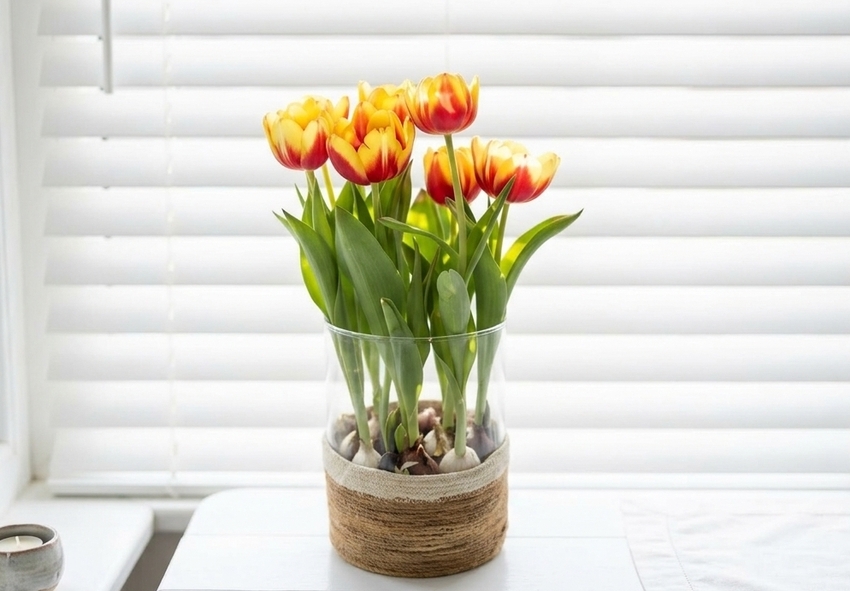
Once the bulbs have received their required chilling period, they can be placed in their hydroponic containers. The key principle is simple: roots should have access to water, while the main body of the bulb should remain above it. Correct positioning and water management are essential because continuously wet bulbs are much more susceptible to rot.
Positioning the Bulb
Place the tulip bulb in the top of the forcing glass or container so that it remains securely supported above the water. The basal plate, which is the bottom part of the bulb where roots emerge, should be close enough to the water for the developing roots to reach it.
The bulb itself should not sit submerged. Direct and continuous contact between the bulb and water can create excessively wet conditions around the scales and increase the risk of rot. Once the roots begin developing, they will naturally grow downward toward the water. This allows the plant to access moisture without keeping the entire bulb wet.
Adding Water
Add enough water to the container so that there is a small gap between the bottom of the bulb and the water surface. As the roots grow, they will extend through this gap and reach the water. Avoid filling the container so high that the bulb becomes submerged. A small air space is important for keeping the bulb drier while allowing the roots to access moisture.
Check the water level regularly because evaporation and root growth can change the amount of available water. Top up the container when necessary, but avoid unnecessarily flooding the bulb. If the water becomes cloudy, develops an unpleasant smell, or contains visible debris, empty the container, clean it, and add fresh water.
Developing Roots
Healthy roots are generally firm and light-colored as they develop. They should gradually extend downward from the basal plate and reach the water. Once roots have formed, make sure they continue to have access to moisture. However, the water level should still remain below the bulb rather than covering its lower portion completely. Monitor root development during the early stages. If roots become brown, slimy, or begin to decay, check the cleanliness of the container and the water level.
Caring for Hydroponic Tulips as They Grow
Hydroponic tulips require regular observation rather than complicated seasonal care for garden tulips. Because the bulbs are growing in a transparent container, it is easy to monitor the roots, water, and overall condition of the plant. Keep the following points in mind as your tulips develop:
- Monitor water levels: Check the container regularly and maintain enough water for the roots without submerging the bulb.
- Keep the container clean: Remove debris and replace cloudy or unpleasant-smelling water to reduce the risk of microbial problems.
- Provide sufficient light: Place growing tulips in a bright location where they can develop strong leaves and flower stems.
- Rotate containers: Turn the container periodically if the plant begins leaning toward the light.
- Support tall stems when needed: Some tulips may develop tall or slightly weak stems, particularly in warm conditions. A discreet support can help prevent flopping.
- Watch for signs of stress: Look for yellowing leaves, soft bulbs, unhealthy roots, wilting, or unusual changes in the water and adjust the growing conditions accordingly.
Common Problems When Growing Tulips in Water
Although hydroponic tulip growing is relatively simple, several problems can occur when moisture, temperature, or chilling requirements are not properly managed.
Bulbs Rot
Rot is one of the most common problems when forcing tulips in water. The main cause is usually excessive moisture around the bulb rather than a lack of water for the roots. Keep the bulb above the water and make sure only the developing roots have direct access to moisture. Clean the container regularly and remove any decaying plant material. Good airflow around the bulb and a clean growing environment can also help reduce conditions that encourage fungal and bacterial problems.
Tulips Grow Leaves but Do Not Flower
If tulips produce healthy-looking leaves but fail to develop flowers, insufficient chilling can be one possible cause. The bulbs may not have received the environmental conditions necessary for proper flower development. Incorrect bulb selection can also contribute to disappointing results. Some varieties are better suited to forcing than others, and immature or poor-quality bulbs may lack sufficient reserves. Timing is another important factor. Starting the forcing process too early or moving bulbs into warm conditions before they have completed their required cold period can interfere with flowering.
Stems Become Weak or Flop
Weak stems can develop when tulips grow too quickly. Excessive warmth is a common factor because higher temperatures can accelerate growth and produce elongated stems. Insufficient light can also contribute to weak, stretched growth. Move the container to a brighter location while avoiding excessive heat. If a flowering stem becomes difficult to support, a discreet plant support can help keep it upright. However, correcting the growing conditions is usually more useful than relying on support alone.
Water Becomes Cloudy or Smells Bad
Cloudy or foul-smelling water can indicate bacterial or fungal activity, particularly when organic material is decomposing in the container. Remove the bulb carefully, discard contaminated water, and clean the container thoroughly. Check the bulb and roots for signs of decay before returning the plant to fresh water. Keep the container clean throughout the forcing process and remove dead or decaying material promptly. Maintaining good hygiene is especially important when several hydroponic bulbs are being grown indoors.
What to Do With Tulip Bulbs After Hydroponic Growing
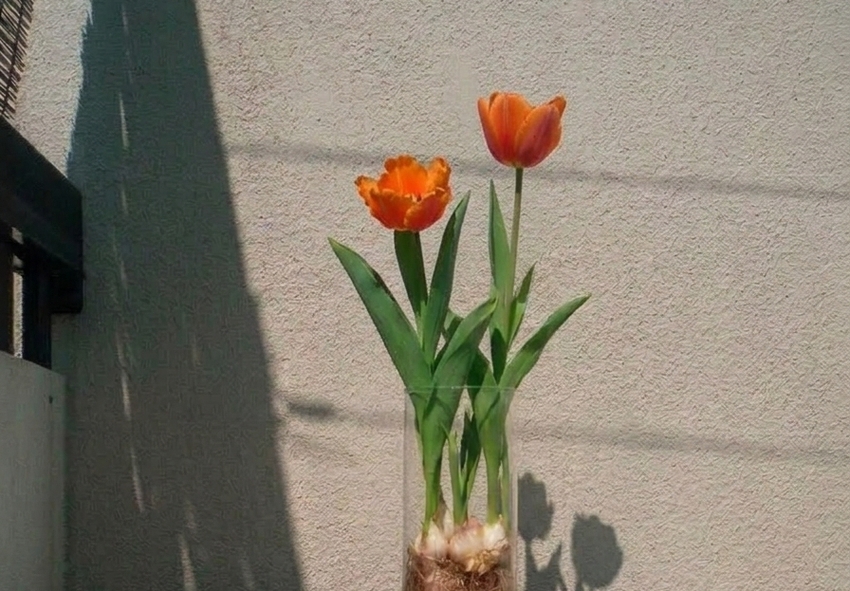
Forcing tulips uses a significant amount of the bulb’s stored energy. As a result, bulbs grown hydroponically may be depleted after flowering and may not produce the same quality of flowers the following season. After flowering, allow the foliage to remain as long as it is green. The leaves continue photosynthesizing and can help the bulb rebuild some of its energy reserves.
If the bulb is healthy, it may be possible to plant it outdoors after the foliage has died back naturally. However, success varies, and some forced bulbs may need a period of recovery before they are capable of flowering well again. Once the foliage has naturally yellowed and died back, the bulb can be removed from the container. Depending on its condition and the particular variety, it can be planted in suitable garden soil when outdoor conditions are appropriate.
Do not expect every hydroponically forced tulip to produce a spectacular flower display the following year. The forcing process is primarily intended to create an indoor flowering display, and the bulb may need additional growing seasons to rebuild its reserves.
Conclusion
Growing hydroponic tulips is an enjoyable way to watch bulbs develop roots, leaves, and flowers without using traditional soil. The process can also create an attractive indoor display when the bulbs are grown in clear glass containers or dedicated forcing vases.
For the best results, start with healthy, flowering-size bulbs and choose varieties suitable for forcing. Provide the appropriate chilling period, position the bulbs above the water, and maintain enough moisture for the roots without allowing the bulb itself to remain submerged.
There is plenty of room to experiment with different tulip varieties, containers, and flowering schedules. The most important factor is careful timing: giving the bulbs enough cold treatment before active growth is essential for successful hydroponic tulip forcing.
Frequently Asked Questions (FAQs) about Hydroponic Tulips
1. Can tulips be grown hydroponically without soil?
Yes, tulips can be grown hydroponically without traditional soil by placing the bulb above water and allowing its roots to grow downward into the moisture. The bulb itself should remain above the water to reduce the risk of rot. With proper chilling, light, temperature, and water management, tulips can produce attractive indoor flowers.
2. Can I order tulip bulbs from your online store?
Yes, you can browse our online store Dutch-bulbs.com for tulip bulbs suitable for indoor growing and forcing. When choosing bulbs, consider the variety, bulb size, whether they are prepared for forcing, and their recommended chilling requirements. Healthy, flowering-size bulbs are a good starting point for creating a successful hydroponic tulip display.
3. How long do tulip bulbs need to be chilled before forcing?
Tulip bulbs generally need several weeks of cool conditions before they can be forced to flower indoors. The exact chilling period depends on the variety and whether the bulbs have already received cold treatment. Always check the supplier’s recommendations for your specific bulbs and maintain consistent cool conditions throughout the chilling stage.
4. How do you grow tulips in water?
To grow tulips in water, place a chilled bulb in a forcing vase or suitable container so that the bulb remains above the water. Keep the basal plate close enough for emerging roots to reach the water. Maintain a small air gap, monitor water levels, and provide bright light and moderate temperatures.
5. Why are my hydroponic tulip bulbs rotting?
Tulip bulbs commonly rot when they remain in direct contact with too much water. The bulb should sit above the water while only the roots reach the moisture. Dirty containers, stagnant water, poor airflow, and decaying plant material can also contribute to rot. Clean the container regularly and replace cloudy or foul-smelling water.
Published: 28.09.2026