



Papaver orientale (Turkish poppy) is an ornamental perennial that has earned a special place in gardens thanks to its large, vivid flowers and expressive appearance. It is widely valued for its ability to decorate flower beds with bold color accents and for how well it combines with other perennials such as irises, peonies, and ornamental grasses.
This plant originates from the regions of the Caucasus, northeastern Turkey, and northern Iran. Over time, it became highly popular in European gardens due to its resilience, long lifespan, and spectacular blooming. The main decorative features of Papaver orientale include large flowers with intense colors, silky petals, and striking dark centers that create strong visual contrast.
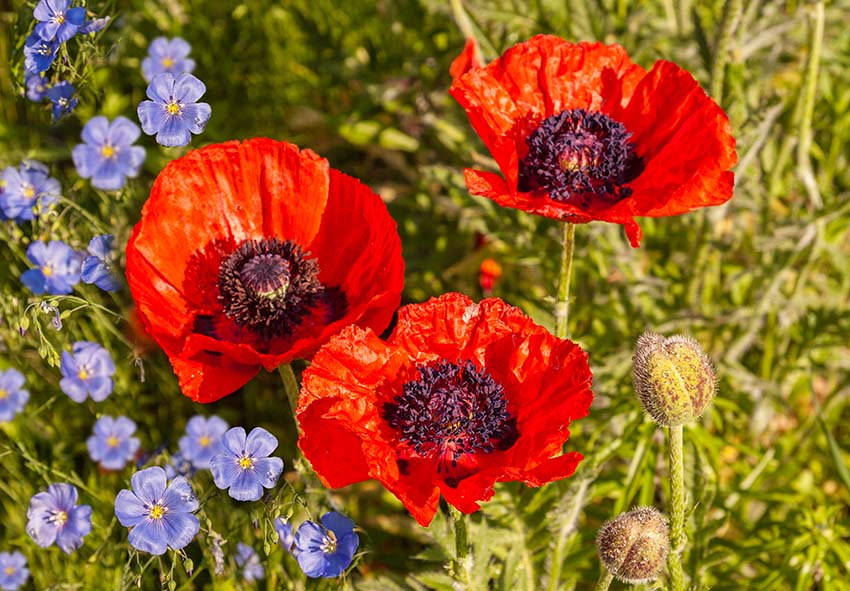
In appearance, the plant forms dense clumps of green, slightly hairy leaves that remain attractive even before flowering begins. During the blooming period, tall stems rise above the foliage, carrying large flowers that can reach impressive sizes. After flowering, the above-ground part of the plant may partially die back, which is a natural stage of its life cycle.
This plant is ideal for homeowners, cottage gardeners, beginners, and anyone searching for a bright and reliable perennial to enhance garden design. Thanks to its expressive blooms and relatively simple care requirements, Turkish poppy is a perfect choice for creating eye-catching and harmonious flower beds. Our gardening blog is a perfect place to find all the information you need!
Popular Varieties of Papaver orientale
Papaver orientale offers a wide selection of varieties that differ in appearance and decorative qualities. These variations allow gardeners to choose plants that perfectly match their design goals.
Red, Pink, Orange, and White Varieties
Papaver orientale is available in a wide range of varieties that differ primarily in color. Each cultivar brings its own character to the garden, allowing for diverse and expressive planting designs:
- Beauty of Livermere – One of the most popular classic varieties, known for its large, deep crimson-red flowers with a distinctive black center. It produces strong, tall stems and creates a dramatic focal point in any flower bed.
- Princess Victoria Louise – This elegant variety features soft salmon-pink petals with a dark blotch at the base. Its delicate color makes it perfect for romantic and pastel-themed garden compositions.
- Royal Wedding – A striking white-flowered variety with bold black centers that create a strong contrast. It is often used to balance brighter colors in mixed borders and adds a refined, sophisticated touch.
- Patty’s Plum – A unique and unusual cultivar with deep plum-purple flowers. Its rich, velvety color makes it stand out among more traditional varieties and adds depth to planting schemes.
- Allegro – A compact variety with bright red flowers, ideal for smaller gardens or front-of-border planting. Despite its smaller size, it produces abundant blooms and maintains a strong visual impact.
- Turkenlouis – Easily recognizable by its fringed, almost feathery petals in vivid red shades. This variety adds texture and movement to garden compositions and looks especially декоративно during full bloom.
- Brilliant – Known for its bright scarlet-red flowers with dark centers, this variety is valued for its intense color and reliability. It is a classic choice for bold, eye-catching displays.
- Perry’s White – Another white variety, softer in appearance than Royal Wedding, often with subtle dark markings. It blends well in naturalistic or cottage-style gardens.
- Picotee – A distinctive variety with white petals edged in orange or red tones. This contrasting coloration gives the flowers a unique and artistic appearance.
These varieties allow gardeners to experiment with color combinations, plant heights, and textures, making Papaver orientale a versatile and valuable addition to any flower garden.
Differences in Size, Height, and Petals
Different varieties of Turkish poppy vary not only in color but also in size and structure. Some plants remain relatively compact, making them suitable for smaller flower beds, while others grow taller and become dominant visual elements in the garden. Flower size can also differ significantly, with some varieties producing exceptionally large blooms. Petal shapes may range from smooth and rounded to slightly fringed or textured, adding depth and uniqueness to each plant.
Creating Colorful Garden Compositions
The diversity of Papaver orientale varieties allows gardeners to create visually rich and balanced compositions. By combining different colors and plant heights, it is possible to design layered flower beds that remain attractive throughout the season. Turkish poppies work especially well when paired with plants that bloom at different times, ensuring continuous visual interest and harmony in the garden.
Planting Papaver orientale in Open Ground
Successful cultivation of Papaver orientale begins with proper planning and site preparation. Understanding the plant’s needs ensures healthy growth and abundant flowering.
Best Time for Planting
The success of growing largely depends on choosing the right time and techniques for planting Papaver. The most suitable periods are early spring, when the soil begins to warm up, and late summer or early autumn. Autumn planting is often preferred because it allows the plant to establish a strong root system before winter, resulting in more vigorous growth and flowering in the following year.
Choosing the Right Location
Selecting the proper location is essential for healthy plant development. Papaver orientale thrives in open areas where it can receive sufficient sunlight and air circulation. A well-chosen site helps the plant grow strong stems and produce large, vibrant flowers.
Light Requirements
Turkish poppy requires full sun to perform at its best. Ideally, it should receive at least six to eight hours of direct sunlight daily. While it can tolerate light shade, insufficient light may lead to weaker stems and reduced flowering, which affects the overall decorativeness of the plant.
Soil Requirements for Healthy Growth
The plant prefers:
- Light, well-drained soil
- Moderately fertile conditions
- Neutral to slightly alkaline pH
Avoid heavy clay or waterlogged soil, as it can cause root rot.
Proper Planting Technique
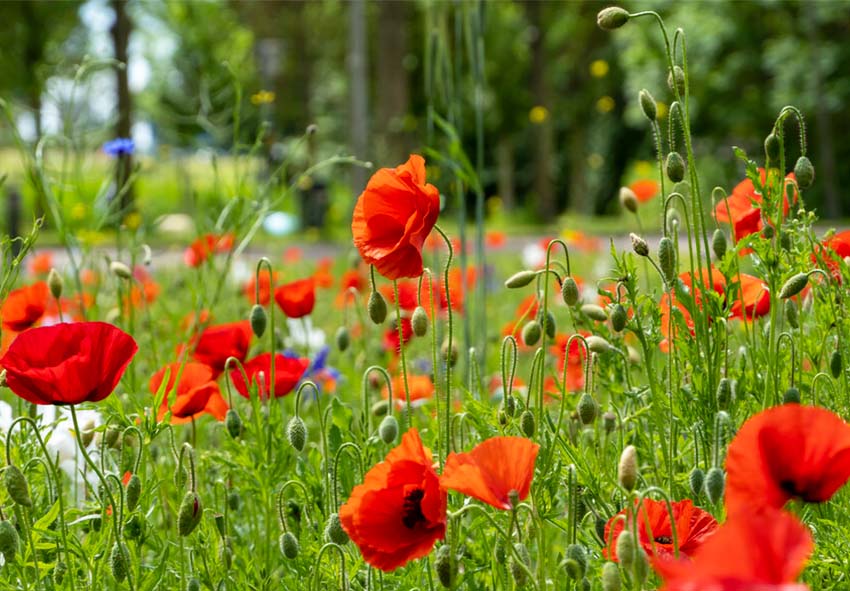
Correct planting techniques play a key role in establishing healthy and long-lasting plants. Whether using seeds or seedlings, attention to detail is essential.
Growing from Seeds
Growing Papaver orientale from seeds is a common and effective method. To grow Papaver seeds:
- Sow directly into open ground
- Lightly press seeds into soil (do not bury deeply)
- Keep soil slightly moist until germination
Seeds usually sprout within 2–3 weeks.
Growing from Seedlings
Although less common, Papaver orientale can also be grown from seedlings. In this case, care must be taken during transplantation to avoid damaging the roots. The seedlings should be placed gently into prepared soil and watered moderately to help them adapt to their new environment.
Spacing Between Plants
Proper spacing between plants is important for their development. When planted too closely, plants may compete for nutrients and light, which can affect their growth and flowering. Adequate spacing allows each plant to develop a strong root system and maintain good air circulation.
Importance of Correct Planting
Correct planting techniques play a crucial role in the overall health of Papaver orientale. When planted properly, the plant establishes quickly, grows more vigorously, and produces abundant, high-quality blooms that enhance the garden’s appearance.
Caring for Papaver orientale in the Garden
Proper care ensures that Papaver orientale maintains its decorative value throughout the growing season. Even though the plant is relatively undemanding, consistent attention improves results.
Watering Guidelines
Papaver orientale requires moderate watering, especially during active growth and flowering. The soil should remain slightly moist but never waterlogged. Once established, the plant becomes more tolerant to short periods of drought, making it suitable for low-maintenance gardens.
Mulching Benefits
Mulching is beneficial for maintaining stable soil conditions. A layer of organic material helps retain moisture, reduces weed growth, and protects the soil from temperature fluctuations. This creates a favorable environment for healthy root development.
Fertilizing for Strong Blooms
Fertilizing the plant in early spring supports strong growth and abundant flowering. A balanced fertilizer provides essential nutrients that promote the formation of large, vibrant flowers. However, excessive fertilization should be avoided, as it may lead to excessive leaf growth instead of blooms.
Care After Flowering
After the blooming period, the plant enters a transitional phase that requires minimal but important care. Proper maintenance helps preserve both plant health and garden aesthetics.
Pruning and Maintenance
After flowering, it is important to remove spent blooms and cut back flower stems. This helps the plant conserve energy and maintain a neat appearance. In some cases, foliage may begin to die back naturally, which is a normal process and does not indicate a problem.
Keeping Flower Beds Tidy
Regular maintenance of flower beds improves both the visual appeal and health of the garden. Removing dried plant parts reduces the risk of disease and keeps the overall composition clean and well-structured.
Preparing Papaver orientale for Winter
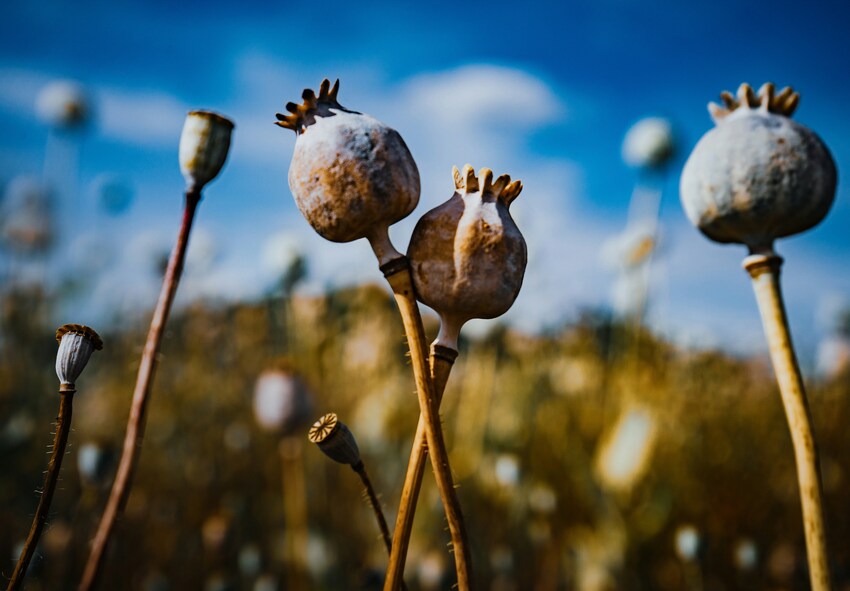
Preparing the plant for winter ensures its survival and strong regrowth in the next season. Although it is hardy, a few simple steps can improve its resilience.
Frost Resistance
Papaver orientale is known for its strong resistance to cold temperatures. Most varieties can withstand winter conditions without special care, making the plant suitable for regions with harsh climates.
Winter Protection Methods
In areas with extreme winters, additional protection may be beneficial. Applying a layer of mulch around the base of the plant helps insulate the roots and prevent damage from severe temperature fluctuations. In some cases, light covering can provide extra protection and ensure healthy regrowth in spring.
Conclusion
Papaver orientale remains one of the most reliable and visually striking perennials for garden use. Its combination of beauty and simplicity makes it a favorite among gardeners of all experience levels.
Papaver orientale (Turkish poppy) is an impressive and relatively undemanding perennial that can transform any garden into a vibrant and visually appealing space. With proper planting, a suitable location, and basic care, gardeners can enjoy healthy plants and abundant flowering year after year, making it a true highlight of any flower bed!
Frequently Asked Questions (FAQs) about Planting Papaver
1. How long does Papaver orientale bloom and how can I extend the flowering period?
Papaver orientale typically blooms for about two to three weeks in late spring or early summer, depending on the variety and climate conditions. While the blooming period is relatively short, you can extend the visual appeal by planting different varieties with slightly staggered flowering times.
2. Can Papaver orientale be grown in containers or only in open ground?
Papaver orientale can be grown in containers, but it requires deep pots to accommodate its long taproot system. Containers must have excellent drainage to prevent excess moisture, which can harm the roots. While it is possible to grow in pots, the plant generally performs better in open ground.
3. Why does the foliage of Papaver orientale disappear after flowering?
The disappearance of foliage after flowering is a natural part of the plant’s life cycle. Papaver orientale enters a temporary dormancy period during which the leaves may dry out and die back. This process helps the plant conserve energy. New growth typically appears later in the season or the following spring, so there is no need for concern when this occurs.
4. Is Papaver orientale suitable for beginner gardeners and low-maintenance gardens?
Papaver orientale is considered a great choice for beginner gardeners due to its relatively low maintenance requirements and strong adaptability. Once established, it does not need frequent watering and tolerates short dry periods well.
5. Can I order Papaver orientale from your online store?
Certainly! At our online store Dutch-bulbs.com, we offer a wide selection of Papaver plants, including varieties sourced from Holland. You can browse our inventory to find Holland Papaver plants that suit your preferences and gardening needs.
Published: 24.04.2026