



Chionodoxa is one of the most charming early-spring flowering bulbs, bringing delicate shades of blue, violet, pink, and white to the garden when most plants are only beginning to emerge from winter dormancy. Commonly known as glory-of-the-snow, this low-growing bulbous perennial is valued for its star-shaped flowers, cold tolerance, and ability to naturalize over time. It is an excellent choice for rock gardens, flower borders, woodland settings, and planting beneath deciduous trees.
Despite its delicate appearance, Chionodoxa is relatively easy to grow and requires little maintenance once established. With the right planting location, well-drained soil, and appropriate seasonal care, these small flowers can return year after year, gradually forming colorful spring carpets. This guide explains how to choose Chionodoxa varieties, plant the bulbs correctly, and provide the conditions they need to thrive. Our gardening blog is a perfect place to find all the information you need!
What Is Chionodoxa?
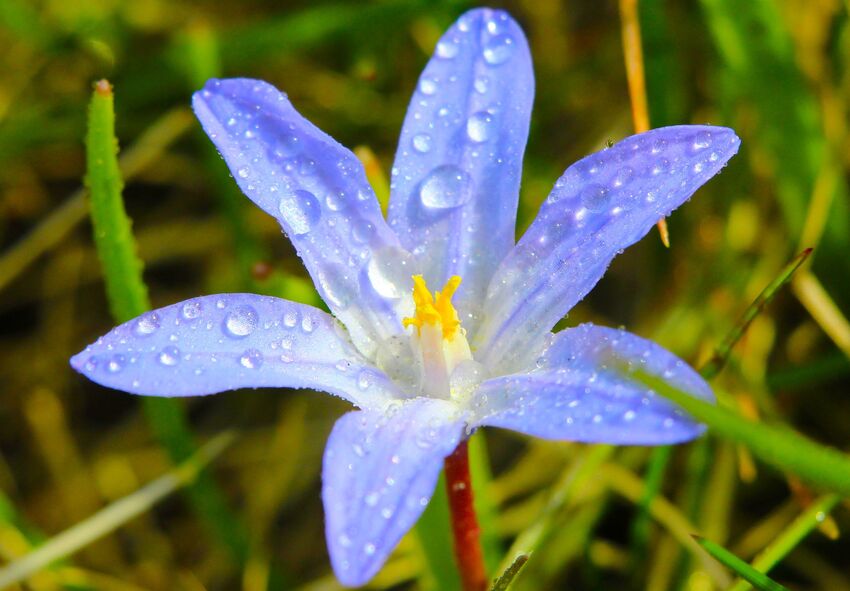
Chionodoxa is the traditional botanical name for a group of small, spring-flowering bulbous plants in the asparagus family, Asparagaceae. They are native primarily to the eastern Mediterranean region, including parts of Turkey and nearby areas. In modern botanical classifications, Chionodoxa species are often included in the genus Scilla, although the name Chionodoxa remains widely used in horticulture and bulb catalogues.
These plants are especially appreciated for flowering early in the season, often appearing alongside crocuses and snowdrops. Their compact size makes them suitable for both small gardens and larger naturalized plantings, while their flowers provide a welcome splash of color after winter.
Botanical Characteristics and Appearance
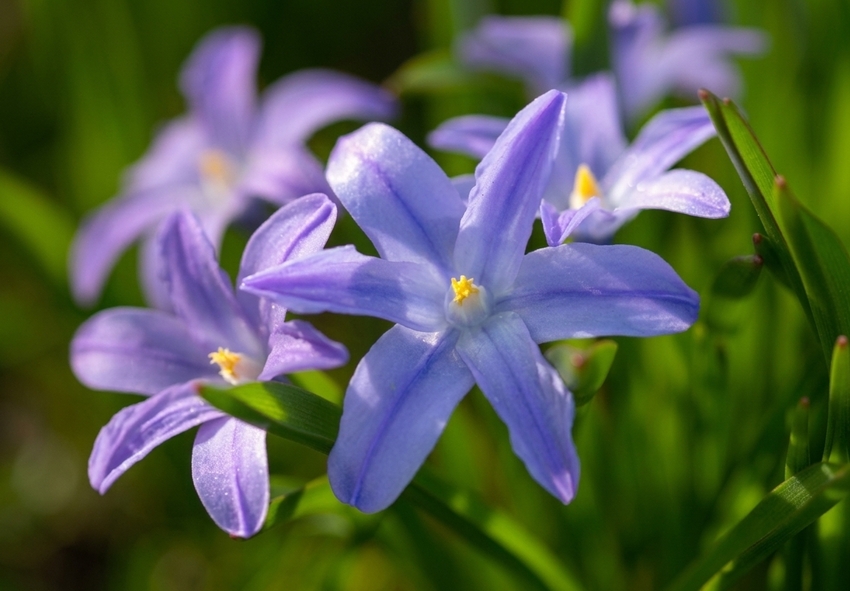
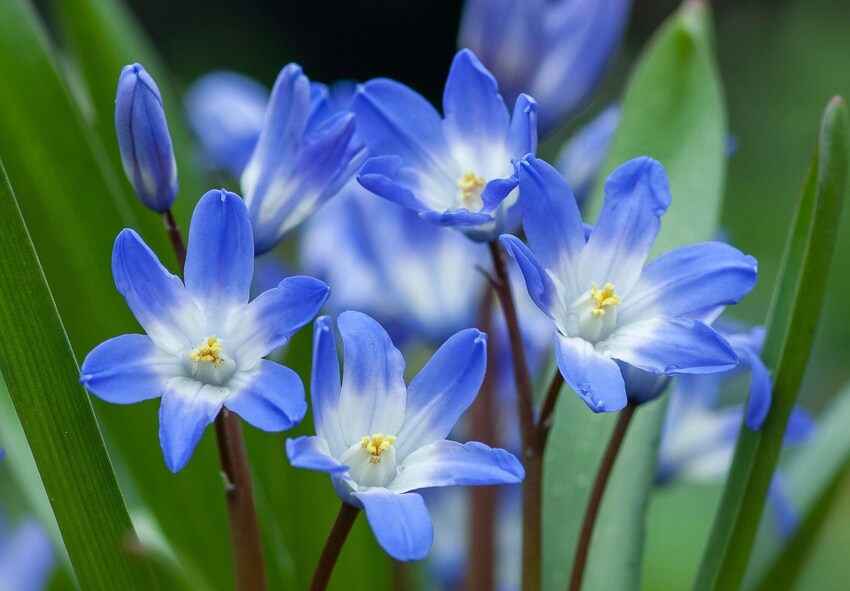
Chionodoxa grows from small, rounded bulbs that produce narrow, strap-shaped green leaves and upright flower stems. Depending on the species and growing conditions, plants typically reach around 10–20 cm (4–8 inches) in height. Each stem may carry several star-shaped flowers, often with six spreading petals and a contrasting pale or white center.
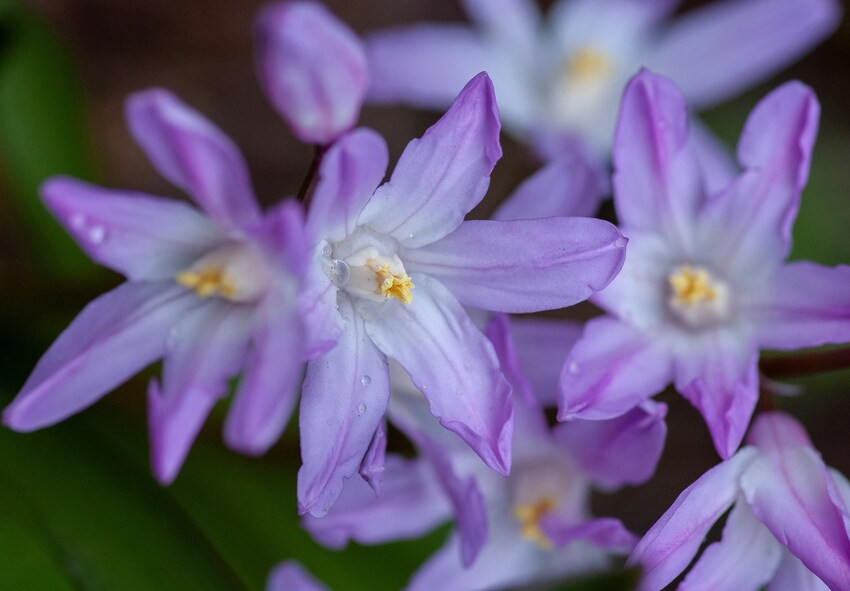
Blue is the best-known flower color, but some varieties produce pinkish or white blooms. The flowers open in bright weather and create an attractive display against bare soil, stones, or emerging spring foliage. After flowering, the leaves continue to photosynthesize and replenish the bulbs for the next growing season. The foliage gradually yellows and dies back as the plant enters summer dormancy. This natural cycle is an important part of successful Chionodoxa care.
Why Is Chionodoxa Also Called Glory-of-the-Snow?
The common name glory-of-the-snow refers to the plant’s ability to flower very early in spring, sometimes pushing through the last patches of melting snow. Its bright blossoms can appear when the surrounding garden still looks bare, making it one of the first signs that the growing season has begun. This early flowering habit also makes Chionodoxa valuable for pollinators. On mild spring days, its open flowers can provide an early source of nectar and pollen for emerging bees and other insects.
Chionodoxa is a perennial bulbous plant that can return for many years when grown in suitable conditions. Unlike annual flowers, it does not need to be replanted every spring. Chionodoxa bulbs survive the dormant season underground and produce new leaves and flowers when temperatures become favorable.
Chionodoxa can also naturalize, gradually forming larger groups through bulb offsets and, in some circumstances, self-seeding. It generally performs best in well-drained soil that receives adequate moisture during active growth but does not remain waterlogged. In regions with cold winters, established bulbs are usually hardy enough to remain in the ground. Once planted in an appropriate location, they require relatively little attention beyond allowing the foliage to mature naturally after flowering.
Popular Chionodoxa Varieties to Grow in Your Garden
Although Chionodoxa flowers share a similar star-shaped appearance, different species and cultivated selections offer variations in flower color, size, and the density of their blooms. Choosing a suitable variety allows gardeners to create anything from subtle woodland displays to vivid blue carpets along garden borders. When selecting bulbs, consider the overall effect you want to achieve, the available planting space, and whether the flowers will be viewed up close or from a distance.
- Chionodoxa luciliae (Glory-of-the-Snow)
Chionodoxa luciliae is one of the best-known plants sold under the name glory-of-the-snow. It produces attractive blue flowers with prominent white centers, creating a bright, fresh appearance in early spring. Its compact growth habit makes it suitable for rock gardens, the front of borders, and planting between deciduous shrubs. This species works particularly well when planted in informal groups rather than as isolated bulbs. Repeating clusters throughout a garden creates a more natural effect and helps the flowers stand out against the soil.
- Chionodoxa forbesii (Forbes’ Glory-of-the-Snow)
Chionodoxa forbesii, also encountered in horticulture under names associated with Scilla forbesii, is known for its clusters of blue, star-shaped flowers with pale centers. Its blooms can create a particularly noticeable display when many bulbs flower together. This type is a good option for naturalized planting beneath deciduous trees, along pathways, and in spring borders. It also combines beautifully with yellow crocuses and white snowdrops, producing a pleasing contrast between different flower colors.
- Chionodoxa sardensis (Sardinian Glory-of-the-Snow)
Chionodoxa sardensis is appreciated for its rich blue flowers, which generally have less conspicuous white centers than those of some other commonly grown types. Its smaller blooms create a delicate but colorful effect, especially when the bulbs are planted in generous groups. This species suits informal garden designs, rockeries, and areas where small spring bulbs can gradually establish themselves. It can also be combined with other early-flowering plants to extend the seasonal display.
Botanical names used for Chionodoxa can vary between suppliers and references because several species have been reclassified within Scilla. Checking the botanical name and flower description on the bulb label can help you select the plant that best matches your expectations.
Choosing the Right Chionodoxa for Your Garden
For a classic blue spring display, choose varieties with bright blue petals and distinct white centers. These are especially effective in sunny borders and against dark soil or evergreen ground cover. Deep-blue selections are suitable for gardeners who prefer a more intense color, while pink and white forms can soften mixed spring plantings.
Planting several types together can create variation in flower color and appearance without making the garden difficult to maintain. For the most natural effect, use groups of bulbs that repeat throughout the planting area rather than arranging each variety in separate, rigid rows.
When to Plant Chionodoxa Bulbs
Correct planting time gives Chionodoxa bulbs the opportunity to develop roots before the ground becomes too cold. Because these plants flower in early spring, they are generally planted during the autumn preceding their first flowering season. The precise timing depends on your local climate, soil temperature, and the onset of winter. The goal is to give bulbs enough time to establish roots without encouraging excessive top growth before the coldest weather arrives.
The Best Time to Plant Chionodoxa
Autumn is the ideal time to plant dormant Chionodoxa bulbs. In many temperate climates, September through November is suitable, although the best window varies by region. In colder areas, plant early enough for root establishment before the soil freezes. In milder climates, planting can often continue later into autumn while the soil remains workable.
Choose a day when the ground is neither frozen nor saturated with rain. After planting, water lightly if the soil is dry to help settle the soil around the bulbs. Avoid leaving bulbs exposed for long periods after purchase. If planting must be delayed, keep them in a cool, dry, well-ventilated place and follow the supplier’s storage recommendations.
Can You Plant Chionodoxa in Spring?
Autumn planting is preferable because the bulbs need time to establish roots before producing their spring flowers. Planting dry, dormant bulbs in spring may result in weak growth or no flowers during that season.
However, container-grown Chionodoxa or plants already in active growth can be transplanted in spring if handled carefully. Choose a well-drained location, preserve as much of the root system as possible, and keep the soil moderately moist while the plants establish. If your goal is a reliable display the following spring, autumn remains the better choice for planting dormant bulbs.
How to Choose Healthy Chionodoxa Bulbs
Healthy bulbs are the foundation of a successful planting. Choose firm bulbs that feel solid for their size and show no obvious signs of decay. Avoid specimens that are soft, badly shriveled, moldy, or damaged. Bulbs may vary naturally in size, depending on the species and supplier.
Larger, mature bulbs often have a better chance of flowering in their first season, while smaller offsets may need additional time to reach flowering size. Store bulbs according to the supplier’s instructions until planting time, and avoid keeping them in warm, humid conditions that may encourage mold or premature growth.
How to Plant Chionodoxa Bulbs Step by Step
Planting Chionodoxa correctly helps the bulbs establish strong roots and produce healthy flowers in early spring. Follow these simple recommendations to create a colorful display that returns year after year:
- Choosing the Right Planting Location: Select a sunny or partially shaded spot, such as a rock garden, flower border, or area beneath deciduous trees. Avoid places where water collects.
- Preparing the Soil Before Planting: Choose moderately fertile, well-drained soil. Loosen it to a depth of 10–15 cm (4–6 inches), remove weeds, and add compost if the soil needs improvement.
- Planting Depth and Spacing: Plant Chionodoxa bulbs approximately 5–8 cm (2–3 inches) deep and space them 5–8 cm apart. Position each bulb with its pointed end facing upward, cover with soil, and water lightly if the ground is dry.
- Planting Chionodoxa in Groups for the Best Effect: Arrange bulbs in informal clusters rather than straight rows for a natural appearance. Combine blue Chionodoxa with white snowdrops or yellow crocuses to create an attractive early-spring display.
How to Care for Chionodoxa
Once established, Chionodoxa requires relatively little maintenance. Its active growing season is concentrated in late winter and spring, followed by a period of summer dormancy. Understanding this seasonal cycle helps you provide the right amount of water, light, and nutrients without interfering with the plant’s natural development.
Watering Requirements
Chionodoxa needs adequate moisture while its roots, leaves, and flowers are developing. Autumn and winter rainfall often provide enough water in temperate climates, while spring watering may be necessary during unusually dry periods.
Check the soil before watering. If the upper layer has dried out and there has been little rainfall, water the planting area thoroughly but avoid leaving the soil saturated. Consistently waterlogged soil is more dangerous to the bulbs than a short period of moderate dryness. After flowering, reduce watering as the foliage begins to yellow and the plants enter dormancy. Bulbs growing in garden beds usually require little or no additional irrigation during summer unless conditions are exceptionally dry.
Sunlight and Temperature Requirements
Chionodoxa is adapted to seasonal temperature changes and generally tolerates cold winters when planted in suitable soil. A period of winter cold supports its natural growth cycle, while the bulbs remain protected underground.
Full sun or partial shade provides the best conditions for flowering. In deciduous woodland settings, early-spring sunlight reaches the plants before the tree canopy closes, allowing them to complete much of their active growth before summer shade develops. If Chionodoxa produces plenty of leaves but few flowers, check whether nearby shrubs or evergreen plants have gradually reduced the amount of available light. Excessive shade can contribute to weaker flowering over time.
Fertilizing Chionodoxa
These bulbs do not require intensive feeding. In moderately fertile garden soil, an annual application of compost may be sufficient to support healthy growth. If the soil is poor, a small amount of balanced bulb fertilizer can be applied according to the product instructions. Apply it during the appropriate active growth period and avoid placing concentrated fertilizer directly against the bulbs.
Too much nitrogen can encourage leafy growth at the expense of flowering. Maintaining healthy soil and allowing the foliage to complete its natural growth cycle are generally more important than frequent feeding.
Caring for the Foliage After Flowering
One of the most important rules of Chionodoxa care is to leave the foliage in place after the flowers fade. The green leaves continue photosynthesizing and transfer energy back into the bulbs, helping them produce flowers the following year. Do not cut or pull away healthy leaves simply because the flowers have disappeared. Wait until the foliage has naturally turned yellow and begun to dry before removing it, if desired.
You can make the planting look tidier by positioning Chionodoxa among later-emerging perennials that gradually conceal the fading foliage. This approach allows the bulbs to complete their growth cycle without leaving an unattractive gap in the garden.
Why Is My Chionodoxa Not Flowering?
If Chionodoxa produces leaves but no flowers, several factors may be responsible. Newly planted or immature bulbs sometimes need more time to reach flowering size. Bulbs that have been planted too deeply or grown in excessively shady conditions may also flower poorly.
Other possible causes include waterlogged soil, damage to the bulbs, or cutting back the foliage too early in the previous season. In some cases, overcrowded clumps may benefit from careful division. To improve flowering, ensure the plants receive sufficient spring sunlight, avoid excessive watering, and allow the leaves to die back naturally. If the bulbs are healthy but still fail to bloom, review their growing conditions before applying additional fertilizer.
How to Encourage More Flowers Each Spring
Consistent growing conditions are the key to reliable flowering. Plant bulbs at an appropriate depth, maintain good drainage, and avoid disturbing them unnecessarily once they are established. Allow the foliage to mature fully after flowering, and remove competing weeds that may consume moisture and nutrients. In poor soil, a light application of compost can support growth without encouraging excessive leafy development.
Patience is also important. Chionodoxa may take time to establish a dense colony, particularly when smaller bulbs or offsets are planted. Given suitable conditions, the planting can gradually become fuller and more impressive over successive seasons.
How to Propagate and Naturalize Chionodoxa
Chionodoxa can spread gradually under favorable conditions, making it a useful choice for gardeners who want to create a natural-looking spring display. Propagation is relatively straightforward, although different methods require different amounts of time and attention.
Propagating Chionodoxa from Bulb Offsets
The simplest way to propagate established Chionodoxa is by separating the small offsets that develop around mature bulbs. These offsets can eventually grow into flowering-size bulbs of their own. Wait until the foliage has died back naturally before lifting a clump. Carefully loosen the soil with a hand fork, lift the bulbs, and separate any offsets that detach easily. Discard bulbs that show signs of rot or serious damage.
Replant the healthy bulbs at the appropriate depth and spacing. Smaller offsets may require an additional growing season or more before flowering, so do not be concerned if they initially produce leaves only.
Growing Chionodoxa from Seeds
Chionodoxa can also be propagated from seeds produced after flowering. This method is slower than growing plants from bulb offsets because seedlings need time to develop into mature bulbs. Allow seed capsules to mature if you wish to collect seeds, then sow them in suitable growing conditions. Keep the growing medium appropriately moist without making it waterlogged, and protect young seedlings from severe drying.
Seed-grown plants may take several years to flower, and their characteristics may vary depending on the species or cultivar. For gardeners who want a quicker and more predictable result, bulb offsets are generally the more practical option.
Best Companion Plants for Chionodoxa
Because Chionodoxa flowers early and remains relatively low-growing, it combines well with other small spring bulbs and plants that develop later in the season. Companion planting can extend the flowering period, add contrasting colors, and help cover the ground as the bulbs enter dormancy.
Combining Chionodoxa with Other Spring Bulbs
Blue Chionodoxa pairs beautifully with white snowdrops, creating a soft, natural color combination. Yellow crocuses provide a stronger contrast, while pale pink spring flowers can create a more delicate palette. You can also plant Chionodoxa near early tulips, provided the plants have compatible growing conditions. Since Chionodoxa is shorter than most tulips, it works well along the front of a spring border or around the edges of larger bulb plantings.
When combining several bulb species, consider their flowering times, mature heights, and light requirements. This helps ensure that one planting does not overwhelm another and that the garden remains attractive as the season progresses.
Chionodoxa in Rock Gardens, Borders, and Woodland Gardens
Chionodoxa is particularly effective in rock gardens, where its small blue flowers contrast with stones and emerging ground cover. It can also be planted along paths, at the front of mixed borders, or in informal groups beneath deciduous trees.
In woodland-style gardens, allow the bulbs to spread in loose drifts among suitable perennials. Plants that emerge later can conceal the yellowing foliage while providing color after the Chionodoxa flowers have faded. For lawns, choose an area where the bulbs can complete their growth cycle before mowing begins. If the leaves are cut too early, the bulbs may weaken and produce fewer flowers in subsequent years.
Common Chionodoxa Growing Problems and Solutions
Chionodoxa is generally easy to grow, but poor drainage, pests, and overcrowding can affect its health and flowering. Follow these simple recommendations to keep your plants healthy:
- Bulb Rot and Poor Drainage: Waterlogged soil can cause bulbs to soften and decay. Choose well-drained soil, avoid areas where water collects, and remove any rotting bulbs.
- Pests and Diseases: Soil-dwelling pests and rodents may occasionally damage bulbs, while excessive moisture can encourage fungal problems. Inspect bulbs before planting, remove damaged specimens, and identify pests before choosing a treatment.
- Overcrowding and Declining Flowering: Dense clumps may flower less reliably over time. If flowering declines, check sunlight and drainage, then divide overcrowded clumps after the foliage has died back naturally. Replant healthy bulbs with adequate spacing.
Conclusion
Chionodoxa is a rewarding choice for gardeners who want to bring color into the landscape early in spring. Its star-shaped flowers, compact growth, and ability to naturalize make it suitable for rock gardens, borders, woodland settings, and informal plantings beneath deciduous trees.
For the best results, plant healthy bulbs in autumn, choose a sunny or partially shaded location, and ensure that the soil drains well. Water when necessary during active growth, avoid excessive fertilizer, and leave the foliage in place until it yellows naturally after flowering. With these straightforward practices, Chionodoxa can establish itself and return year after year, gradually creating a brighter, more colorful spring garden with very little maintenance.
Frequently Asked Questions (FAQs) about Chionodoxa
1. Is Chionodoxa easy to grow?
Yes, Chionodoxa is generally easy to grow because it tolerates cold winters, requires little fertilizer, and needs minimal maintenance once established. Plant the bulbs in autumn in well-drained soil, provide full sun or partial shade, and allow the foliage to die back naturally after flowering. These simple steps help support healthy growth and repeat blooms.
2. Can Chionodoxa grow in pots?
Yes, Chionodoxa grows well in containers with drainage holes and a free-draining potting mix. Plant the bulbs at the recommended depth and keep the soil lightly moist during active growth. Containers can dry out or freeze more quickly than garden soil, so monitor moisture levels and protect pots from extreme temperature fluctuations during winter.
3. Do Chionodoxa bulbs need to be lifted in winter?
No, Chionodoxa bulbs can generally remain in the ground throughout winter in climates where the species is hardy. In suitable garden soil, they naturally withstand seasonal cold and resume growth in spring. Lifting is usually unnecessary unless you need to divide a clump, relocate the planting, or address persistent drainage problems.
4. Is Chionodoxa suitable for naturalizing in lawns?
Yes, Chionodoxa can be naturalized in lawns to create patches of early-spring color. Choose an area that receives adequate sunlight and has well-drained soil. The most important consideration is mowing: allow the foliage to yellow and die back naturally before cutting the grass, so the bulbs can store enough energy for the following season.
5. Can I order Chionodoxa bulbs from your store?
Yes, Chionodoxa bulbs are available in our online store Dutch-bulbs.com, particularly during the autumn planting season. When browsing a store’s assortment, check the botanical name, flower color, bulb size, and recommended planting period. We provide clear planting instructions and ships bulbs at an appropriate time for your local climate.
Published: 30.10.2026