



Cannas are popular garden plants known for their large, tropical-looking leaves and vibrant summer flowers. Fortunately, growing new canna plants is relatively straightforward. Whether you want to expand an existing collection or experiment with new plants, learning how to propagate canna from seeds and rhizomes is a useful gardening skill.
There are two main methods of canna propagation: dividing rhizomes and sowing seeds. Rhizome division is generally faster and more reliable, while seed propagation offers an opportunity to grow new plants that may differ from their parents. This guide explains both methods, including the best timing, essential steps, and common problems to avoid. Our gardening blog is a perfect place to find all the information you need!
Understanding Canna Propagation: Seeds vs. Rhizomes
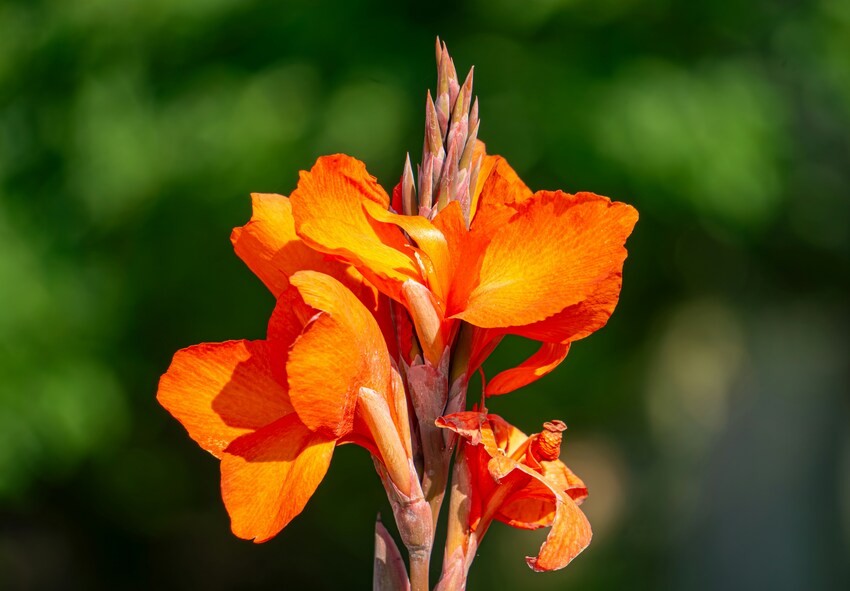
Cannas grow from thick underground stems called rhizomes. These store nutrients and produce new roots and shoots. As a healthy plant matures, its rhizome system expands, making division an effective way to produce additional plants. Cannas can also produce seeds inside rounded pods after flowering. Their seeds have extremely hard outer coats, which protect them but can make germination difficult without preparation.
Both propagation methods have advantages. Rhizome division produces plants genetically identical to the parent cultivar and usually results in faster flowering. Seed propagation takes more patience, but it allows gardeners to raise new plants that may show differences in flower colour, foliage, or growth habit. For gardeners who want to preserve a favourite canna variety, dividing rhizomes is usually the better choice.
How to Propagate Canna from Rhizomes
Dividing canna rhizomes is the easiest way to multiply established plants. Each healthy division can develop into a new plant, provided it has a viable growing bud and enough stored energy to support early growth.
When and How to Divide Canna Rhizomes
The best time to divide canna rhizomes is in spring, shortly before active growth begins. In regions with cold winters, gardeners often lift and store rhizomes in autumn, then divide them before replanting the following spring.
In mild climates, established cannas can also be divided when they are dormant or just beginning to produce new shoots. Avoid dividing plants during periods of intense heat or while they are actively flowering, as unnecessary disturbance can slow their recovery.
Step-by-step guide to dividing canna rhizomes:
- Lift the rhizomes carefully. Use a garden fork or spade to loosen the soil around the clump. Lift it gently to avoid damaging the underground stems.
- Remove excess soil. Brush away loose soil so you can clearly see the rhizomes, growing buds, and any damaged areas.
- Identify healthy sections. Look for firm rhizomes with at least one visible growing bud, often called an eye.
- Divide the clump. Use a clean, sharp knife to separate the rhizomes into sections. Each division should contain at least one healthy bud and a substantial piece of rhizome.
- Inspect the divisions. Discard soft, rotten, or badly damaged sections. Allow freshly cut surfaces to dry briefly before planting, particularly in damp conditions.
- Replant the rhizomes. Place each division in well-drained soil, with the growing buds facing upward. Cover with approximately 5–10 cm of soil, depending on the size of the rhizome and local conditions.
Water lightly after planting and keep the soil moderately moist as new growth develops. Avoid excessive watering before shoots appear, especially in cool weather.
Caring for Newly Divided Cannas
Newly divided cannas establish best in a warm, sunny location with fertile, well-drained soil. Keep the soil evenly moist once shoots are growing, but never permanently waterlogged. If you start divisions in pots, place them somewhere warm and bright. Move them outdoors after the danger of frost has passed, gradually introducing them to outdoor conditions. Healthy divisions can grow vigorously and may flower during the same growing season.
How to Grow Canna from Seeds
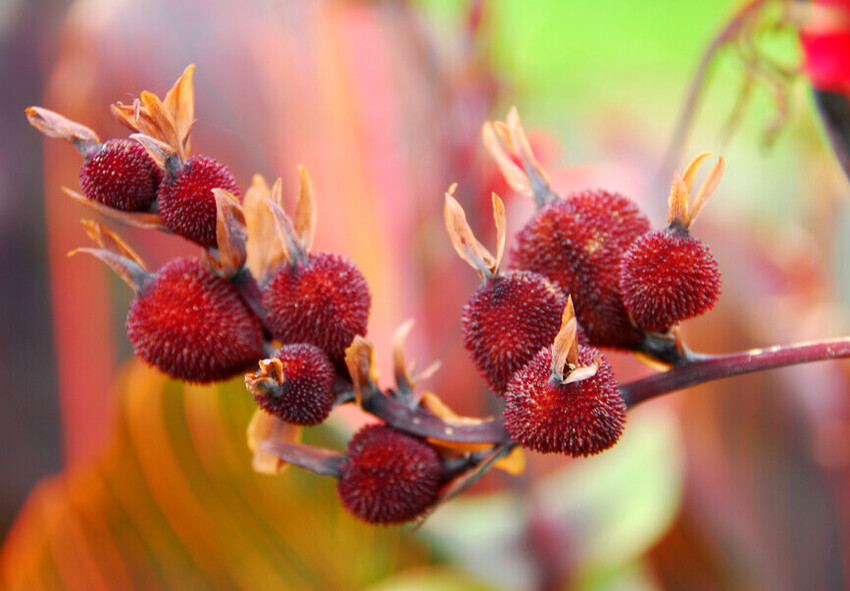
Growing canna from seed takes more patience than dividing rhizomes, but it can be rewarding. Seed-grown plants may display differences in flower colour, leaf appearance, or growth habit, especially when seeds come from hybrid varieties. The main challenge is the seed coat, which is extremely hard and often prevents water from entering quickly. Preparing the seeds before sowing can significantly improve germination.
When and How to Sow Canna Seeds
Canna seeds are best started indoors in late winter or early spring. This gives young plants time to develop before outdoor temperatures become suitable for planting. Cannas need warmth to germinate and grow well. Starting seeds indoors is particularly useful in climates with short growing seasons or late spring frosts.
Step-by-step guide to propagating canna from seeds:
- Collect or purchase seeds. Use mature, firm canna seeds. Freshly harvested seeds should come from fully developed seed pods.
- Scarify the seed coat. Carefully nick or file a small section of the hard outer coating until the lighter inner layer becomes visible. Avoid damaging the embryo inside.
- Soak the seeds. Place the prepared seeds in lukewarm water for approximately 12–24 hours to help them absorb moisture.
- Prepare seed pots. Fill small containers with a moist, free-draining seed-starting mix.
- Sow the seeds. Plant each seed approximately 1–2 cm deep and cover lightly with the growing medium.
- Provide warmth. Maintain a temperature of approximately 21–27°C. A heated propagator or seedling heat mat can help maintain consistent conditions.
- Keep the medium moist. Water gently whenever necessary, avoiding saturated soil.
Scarified seeds may germinate within one to three weeks under favourable conditions, although some take longer. Once seedlings emerge, provide bright light and good airflow.
Caring for Canna Seedlings
Young canna seedlings need warmth, light, and consistent moisture. Keep them in a bright location, but protect tender leaves from sudden exposure to intense sunlight. When seedlings develop several true leaves and their roots begin filling the container, transplant them into individual pots with nutrient-rich, well-drained compost.
Before planting cannas outdoors, gradually harden off the seedlings over approximately one to two weeks. Wait until frost risk has passed and the soil has warmed. Seed-grown cannas may flower in their first season under favourable conditions, although some plants need longer to mature.
Canna Propagation: Which Method Is Better?
Both propagation methods can produce healthy canna plants, but the best choice depends on your gardening goals. Rhizome division is generally quicker and easier. Because each division is part of the original plant, it retains the parent cultivar’s characteristics, including flower colour and foliage appearance. Established rhizome divisions also have stored energy that helps support early growth and flowering.
Seed propagation takes more time and requires additional preparation. However, it offers an opportunity to grow cannas from collected seeds and discover plants with potentially different characteristics. For most home gardeners, dividing canna rhizomes is the preferred method, especially when multiplying named varieties. Growing cannas from seed is an interesting alternative for those who enjoy experimenting with plant propagation.
Common Canna Propagation Problems and Solutions
Even though cannas are relatively easy to propagate, a few problems can affect their early growth. Recognising the cause quickly can help prevent losses. Although cannas are relatively easy to propagate, several problems can affect germination and early growth. Most can be prevented by using healthy planting material and providing suitable growing conditions.
Why Are Canna Rhizomes Rotting?
Canna rhizomes may rot when planted in excessively wet soil, particularly during cool weather. Poor drainage and damaged planting material can increase the risk. Healthy rhizomes should feel firm rather than soft or mushy. To prevent rot, use well-drained soil and avoid excessive watering before new shoots appear. Severely affected rhizomes should be discarded.
Why Are Divided Canna Rhizomes Growing Slowly?
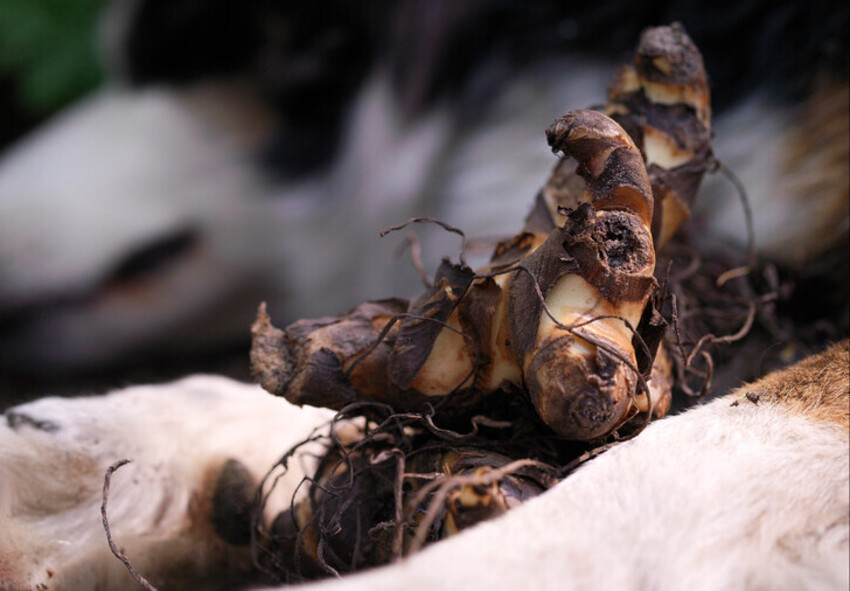
Recently divided rhizomes may grow slowly when soil temperatures remain low or the divisions have limited stored energy. Cannas are warmth-loving plants, so cool conditions can delay shoot development. Keep newly planted rhizomes in a warm, bright location and avoid overwatering while they remain dormant. Once new shoots appear, maintain consistent moisture to encourage healthy growth.
Why Are My Canna Seeds Not Germinating?
The hard outer coating is one of the most common reasons for slow or unsuccessful canna seed germination. Seeds may also struggle when temperatures are too low or moisture levels fluctuate. Careful scarification and soaking can help water enter the seeds. Maintain consistent warmth and moisture after sowing, and allow extra time for slower seeds to germinate.
Why Are Canna Seedlings Weak or Leggy?
Canna seedlings often become tall, thin, and weak when they receive insufficient light. Excessive watering can also contribute to poor root development. Move seedlings to a brighter location, provide good airflow, and avoid keeping the growing medium constantly saturated. Transplant them into larger containers when their roots need more space.
Conclusion
Learning how to propagate canna from seeds and rhizomes allows you to expand your garden collection without relying entirely on new plants. Both methods are effective, but they serve slightly different purposes. Rhizome division is the simplest and fastest approach, especially when you want more plants of an existing cultivar.
Growing canna from seed requires extra preparation and patience, but it offers the excitement of raising plants that may develop unique characteristics. With healthy planting material, suitable warmth, and careful watering, you can successfully propagate cannas and enjoy their bold foliage and colourful flowers throughout the growing season.
Frequently Asked Questions (FAQs) about Canna Propagation
1. What is the easiest way to propagate canna plants?
Dividing rhizomes is the easiest and most reliable way to propagate canna plants. Each healthy division should have at least one growing bud and a firm section of rhizome. This method produces plants identical to the parent cultivar and generally encourages faster growth and flowering than propagation from seeds, making it ideal for beginners.
2. Can I order canna rhizomes in your online store?
You can explore our online store Dutch-bulbs.com for canna rhizomes and tubers, depending on current availability. Check individual product listings for variety descriptions, flower colours, planting information, and stock details. Rhizomes are ideal for multiplying established cultivars, while seeds offer an alternative growing experience.
3. How long does it take for canna seeds to germinate?
Canna seeds typically germinate within one to three weeks when properly prepared and kept warm, although some may take longer. Their hard outer coating should be carefully scarified and soaked before sowing. Maintaining temperatures around 21–27°C and keeping the growing medium consistently moist can improve germination and encourage healthy early seedling development.
4. When is the best time to divide canna rhizomes?
The best time to divide canna rhizomes is in spring, just before new growth begins. In colder climates, stored rhizomes can be divided before replanting after winter. Each division needs at least one healthy bud. Avoid dividing cannas during active flowering, as disturbing the roots may temporarily slow plant growth and establishment.
5. Can you grow canna plants from seeds collected in your garden?
Yes, you can grow canna plants from mature seeds collected from fully developed seed pods. However, seedlings may differ from the parent plant, especially when seeds come from hybrid cultivars. Scarify the hard seed coat, soak the seeds, and sow them in warm conditions. This method is ideal for gardeners interested in experimenting with new plants.
Published: 11.11.2026