



Cannas are valued for their bold foliage and colorful flowers, and when grown in suitable conditions, they can be vigorous and relatively easy to maintain. However, their lush leaves and underground rhizomes can be affected by various pests and diseases. Problems may develop because of insects, pathogens, excessive moisture, poor airflow, or stressed growing conditions.
Identifying the problem correctly is one of the most important steps in protecting cannas. Similar symptoms can have very different causes, so treating a plant without first understanding what is wrong may waste time or make the situation worse. For example, yellow leaves can result from pests, overwatering, poor drainage, or natural aging.
Good growing conditions are the foundation of prevention. Healthy soil, appropriate watering, sufficient sunlight, good air circulation, clean gardening tools, and regular inspections can help reduce the risk of serious pest and disease problems. Our gardening blog is a perfect place to find all the information you need!
Common Canna Diseases
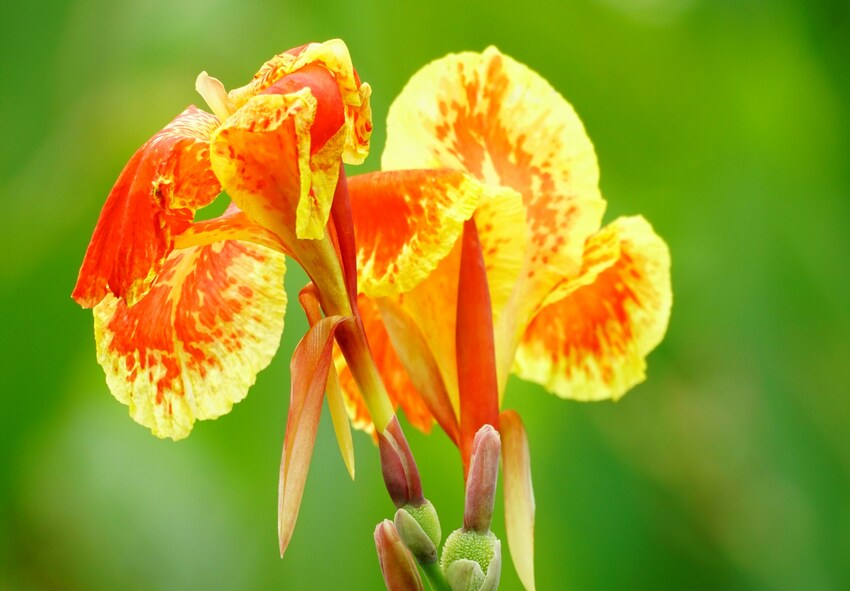
Cannas can develop fungal, bacterial, and viral diseases, particularly when plants are stressed or growing conditions encourage pathogen development. Excessive moisture, poor drainage, prolonged leaf wetness, overcrowding, and contaminated plant material can all contribute to disease problems.
Not every spot or discoloration means a plant has a serious disease. Environmental stress and natural leaf aging can create similar symptoms, so examine the whole plant before deciding on a treatment.
Canna Rust
Canna rust is a fungal disease that can produce yellowish or rust-colored areas and orange to brown pustules on leaves. Infected foliage may become discolored and lose its healthy appearance. The disease can spread through spores, particularly when conditions favor prolonged moisture on foliage. Dense planting and poor air circulation can also create a favorable environment for fungal problems.
Remove severely affected leaves where appropriate and dispose of diseased material rather than leaving it around the plants. Avoid unnecessary overhead watering and provide enough space for air to move between plants. Clean tools after working with affected plants to reduce the chance of spreading pathogens.
Rhizome Rot
Rhizome rot can be particularly damaging because it affects the underground storage organs that allow cannas to survive and produce new growth. Affected rhizomes may become soft, discolored, mushy, or unpleasantly decomposed. Excessive moisture and poor drainage are common conditions associated with rot. Rhizomes that are damaged before planting or stored in unsuitable conditions can also become vulnerable.
Prevention starts with well-drained soil and appropriate watering. Avoid keeping the planting area continuously saturated. When lifting canna bulbs or rhizomes for storage, handle them carefully and inspect them before storing. Any severely rotted material should be removed so that the problem does not spread to healthy rhizomes.
Leaf Spot Diseases
Canna leaves can develop brown, yellow, dark, or irregular spots as a result of various leaf spot diseases. The appearance can vary depending on the pathogen and environmental conditions. Prolonged leaf wetness, crowded planting, and poor air circulation can encourage some fungal and bacterial leaf problems. Damaged or aging foliage may also become more susceptible.
Remove badly affected leaves when appropriate and clear fallen diseased material from the growing area. Water the soil rather than repeatedly wetting the foliage, and provide adequate spacing between plants. Avoid unnecessary handling of wet plants, and clean pruning tools after cutting affected tissue.
Viral Diseases
Viral infections can cause unusual mottling, streaking, color changes, distorted growth, or irregular patterns on canna leaves. However, some canna varieties naturally have patterned or variegated foliage, so an unusual leaf pattern does not automatically indicate a virus.
Viral diseases cannot be controlled with fungicides because fungicides target fungi rather than viruses. If a plant shows persistent symptoms that are strongly suggestive of a viral infection, avoid taking cuttings or dividing it for propagation. Suspicious plants may need to be removed to reduce the risk of spreading a virus to healthy plants. Use healthy planting material and keep tools clean when dividing or handling cannas.
Common Canna Pests
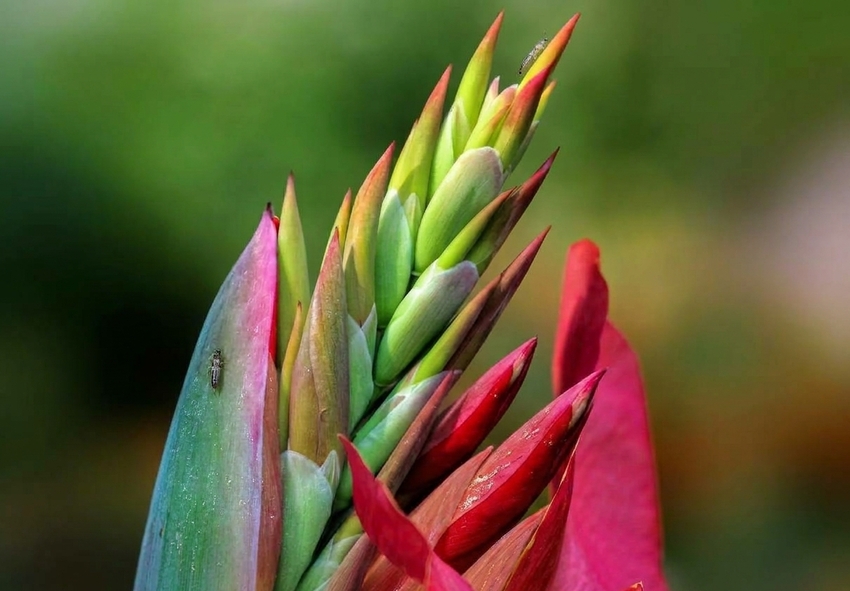
Cannas can attract several types of insects and other garden pests. Some feed directly on the leaves, while others attack flowers or young growth. Regularly checking the plant makes it easier to spot early signs of feeding damage before an infestation becomes widespread.
Canna Leafrollers
Canna leafrollers are caterpillars that protect themselves by rolling or folding parts of the leaves around their bodies. They feed on the foliage from inside these shelters, creating holes, ragged areas, and damaged leaf surfaces. Look closely at folded or rolled leaves, especially if you notice fresh chewing damage. Gently open affected leaves and check for caterpillars, larvae, webbing, or frass.
Small infestations can sometimes be managed by removing affected leaves or caterpillars by hand. Heavily damaged foliage can also be removed if appropriate. Where treatment is necessary, use a product specifically labeled for the pest and plant, and follow the application instructions carefully.
Aphids
Aphids are small sap-feeding insects that can gather on young leaves, stems, and developing flower growth. Heavy feeding can cause leaves to curl, become distorted, or grow poorly. Aphids also produce a sticky substance called honeydew. This can accumulate on leaves and may encourage the development of sooty mold, creating a dark coating over the foliage.
Inspect the undersides of leaves and tender new growth regularly. Small populations may be removed with a strong stream of water or by hand. Beneficial insects such as lady beetles and lacewings can also help keep aphid populations under control. If an infestation becomes significant, use an appropriate labeled treatment according to the instructions.
Spider Mites
Spider mites are tiny pests that can be difficult to see without close inspection. They feed on plant sap and may cause fine stippling, pale patches, bronzing, or an overall dull appearance on the leaves. Fine webbing can become visible when populations are high. Spider mites often become more problematic during hot, dry conditions. Stressed plants may be particularly vulnerable, so maintaining appropriate moisture and avoiding unnecessary plant stress can help.
Inspect the undersides of leaves regularly, especially during hot weather. Increasing suitable humidity around the plant and washing foliage with water can sometimes help reduce small populations. For persistent infestations, a suitable miticide or other labeled treatment may be required.
Thrips
Thrips are tiny insects that feed on plant tissue and can affect both canna leaves and flowers. Feeding may produce silvery patches, distorted tissue, discoloration, or damaged flower petals. Because thrips are small and can hide in flowers and tight plant growth, they may be difficult to spot.
Inspect flowers and young leaves closely when unusual damage appears. Remove badly damaged plant material where appropriate and keep the growing area clean. Monitoring traps can help detect adult thrips. Where treatment is necessary, select a product labeled for thrips and use it according to the instructions.
Other Canna Pests
Cannas may also occasionally be affected by caterpillars, slugs, snails, and other chewing or sap-feeding pests. Their importance can vary depending on the growing environment, weather, and local pest populations. Chewed leaves, missing sections of foliage, slime trails, distorted growth, or visible insects can provide useful clues.
However, similar symptoms may sometimes result from environmental damage or disease. Correct identification matters because different pests require different management approaches. Before applying a treatment, inspect the plant carefully and consider the location, timing, appearance of the damage, and the insects or other organisms actually present.
How to Identify Canna Pest and Disease Problems
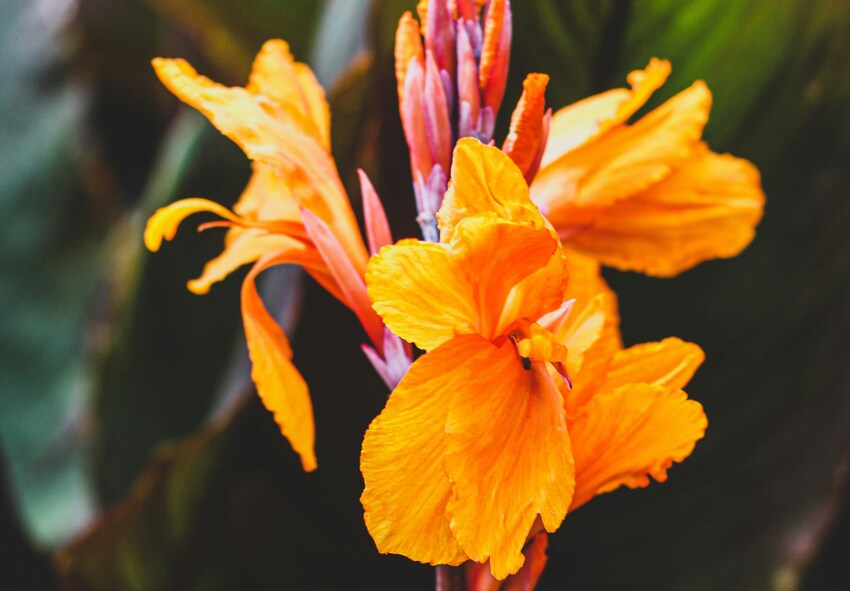
Diagnosing a canna problem starts with observing the symptoms carefully. Look at the leaves, stems, flowers, and rhizomes, and consider recent weather, watering, planting conditions, and any visible pests. Common symptoms can provide useful clues:
- Holes or chewed leaves: May indicate caterpillars, leafrollers, slugs, snails, or other chewing pests.
- Yellow or stippled leaves: Can be associated with sap-feeding pests such as aphids or spider mites, but may also result from watering problems, nutrient deficiencies, or natural aging.
- Rust-colored spots or pustules: May indicate canna rust, particularly when the markings appear as raised orange or brown structures on the leaves.
- Soft or rotting rhizomes: Often associated with excessive moisture, poor drainage, damaged planting material, or unsuitable storage conditions.
- Mottled or streaked leaves: May indicate a possible viral infection, although some canna varieties naturally produce unusual leaf patterns.
When symptoms are unclear, avoid immediately applying multiple treatments. A careful inspection can often reveal whether the problem is caused by a pest, disease, environmental condition, or combination of factors.
How to Prevent Pests and Diseases on Cannas
Prevention is usually easier than dealing with a severe infestation or disease outbreak. Cannas benefit from healthy growing conditions, clean planting material, appropriate watering, and regular inspection.
Choose Healthy Rhizomes and Plants
Start with healthy planting material. Before planting, inspect canna rhizomes for soft areas, unusual discoloration, damage, or signs of decay. Container-grown plants should also be checked for visible pests and suspicious leaf symptoms. Avoid introducing obviously diseased or heavily infested plants into an otherwise healthy planting area.
Provide Good Growing Conditions
Cannas generally perform best when they receive suitable sunlight and have access to fertile, well-drained soil. Adequate spacing allows air to circulate around the foliage and can help reduce prolonged moisture on leaves. Avoid planting canna bulbs in locations where water regularly collects. Healthy roots and rhizomes are better able to support vigorous growth when the soil provides both moisture and adequate drainage.
Water Cannas Correctly
Cannas need sufficient moisture for active growth, but consistently waterlogged soil can create problems for roots and rhizomes. Water according to the plant’s growing conditions and allow excess water to drain away. Where practical, water the soil around the base of the plant rather than repeatedly wetting the foliage. Adjust watering according to rainfall, temperature, soil type, and container conditions.
Keep the Growing Area Clean
Good sanitation can reduce sources of pests and pathogens. Remove badly diseased leaves and dispose of them appropriately rather than leaving them around healthy plants. Clear excessive plant debris where necessary, particularly when it is affected by disease. Clean pruning shears, knives, and other tools after working with infected or suspicious plants, especially before using them on healthy cannas.
Monitor Cannas Regularly
Regular inspection makes it easier to identify problems while they are still manageable. Check the upper and lower surfaces of leaves, young shoots, flowers, stems, and, when appropriate, rhizomes. Look for insects, eggs, webbing, leaf spots, unusual discoloration, distorted growth, and signs of decay. Early detection allows you to respond before a pest population or disease problem becomes more difficult to manage.
Natural and Integrated Pest Control for Cannas
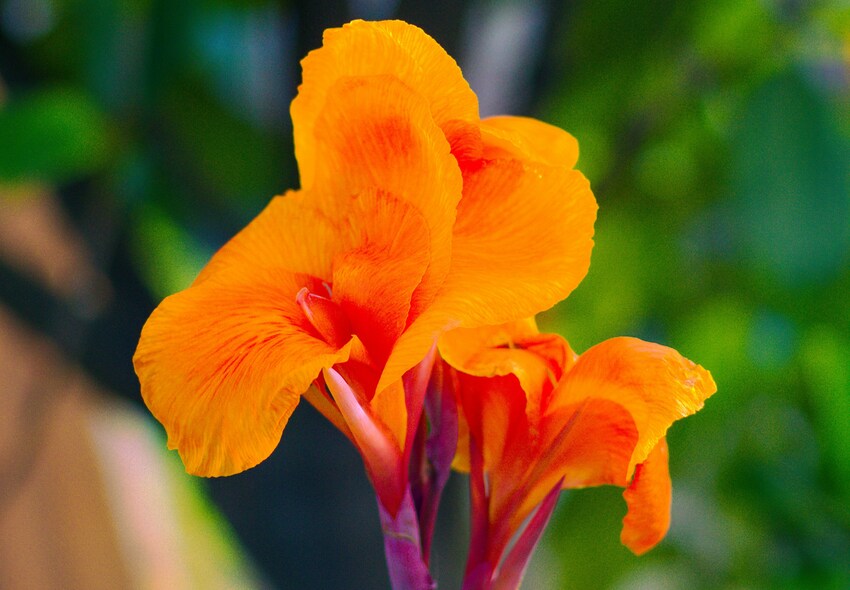
Integrated pest management combines prevention, monitoring, physical control, biological control, and carefully selected treatments rather than relying on pesticides as the first response. Start by maintaining healthy growing conditions and regularly inspecting the plants. Larger pests and caterpillars can sometimes be removed by hand when populations are small. Heavily damaged or infested leaves may also be removed where appropriate.
Beneficial insects can help manage some pest populations naturally. Avoid unnecessary broad-spectrum insecticide use because it can also affect beneficial organisms. Physical barriers, hand removal, water sprays, and biological controls may provide useful alternatives depending on the pest.
If a pesticide, fungicide, or other treatment is necessary, choose a product specifically labeled for the target pest or disease and the plant being treated. Follow the label for dosage, timing, protective equipment, application method, and any restrictions. Never assume that a treatment suitable for one pest or plant is automatically appropriate for another.
Conclusion
Healthy growing conditions are the foundation of canna pest and disease prevention. Providing suitable sunlight, well-drained soil, appropriate moisture, good airflow, and clean planting material can reduce many of the conditions that allow problems to develop.
Regular monitoring is equally important. Inspect cannas frequently for chewing damage, sap-feeding insects, leaf discoloration, rust symptoms, and rhizome problems. Early identification makes management more straightforward and helps prevent problems from spreading.
Most importantly, treat specific pests and diseases according to their actual cause rather than using one solution for every symptom. With careful observation, good sanitation, and appropriate cultural and pest-management practices, cannas can remain healthy and vigorous throughout the growing season.
Frequently Asked Questions (FAQs) about Canna Pests and Diseases
1. What are the most common pests that affect cannas?
Common canna pests include leafrollers, aphids, spider mites, thrips, caterpillars, slugs, and snails. Symptoms vary depending on the pest and may include holes, rolled leaves, stippling, distorted growth, or damaged flowers. Regularly checking both sides of leaves and young growth helps you identify infestations early and choose an appropriate control method.
2. How can I prevent pests and diseases on cannas?
Good growing conditions are an important part of prevention. Plant cannas in suitable sunlight and well-drained soil, provide adequate spacing for airflow, and avoid consistently waterlogged conditions. Inspect plants regularly, remove severely affected foliage, keep the growing area clean, and use healthy rhizomes. Good sanitation can also reduce the spread of some diseases.
3. Why are my canna leaves turning yellow or developing spots?
Yellowing or spotted canna leaves can have several causes, including pest feeding, fungal or bacterial diseases, overwatering, poor drainage, nutrient problems, or natural aging. Examine the leaves closely for insects, webbing, rust-colored pustules, or other symptoms. Also check soil moisture and growing conditions before deciding which treatment is appropriate.
4. Can I order cannas in your online store?
Yes, you can buy canna bulbs from our online store Dutch-bulbs.com, depending on the season and varieties offered. When ordering, look for healthy rhizomes or plants from a reliable source and check the product details for planting information. Choose planting material that is firm and free from obvious signs of rot, damage, or disease.
5. How do I prevent canna rhizomes from rotting?
To reduce the risk of canna rhizome rot, provide well-drained soil and avoid prolonged waterlogging. Handle rhizomes carefully to prevent unnecessary damage, and inspect them before planting or storing. When storing lifted rhizomes, keep them in suitable conditions and check periodically for soft, discolored, or decaying areas that should be removed.
Published: 12.10.2026