



Tree lilies are impressive garden plants known for their tall stems, abundant foliage, and large, eye-catching flowers. When established in suitable conditions, some varieties can reach heights of several feet, creating a dramatic vertical accent in flower beds and borders. Their impressive appearance makes them popular with gardeners who want to add height, color, and a touch of elegance to their summer displays.
Goliath lilies are often discussed alongside tree lilies because of their association with large, striking lily plants. However, the name Goliath may refer to a particular commercial variety, so its exact characteristics should be confirmed from the supplier’s description. Understanding the differences between individual varieties and broader lily groups helps gardeners choose plants that suit their gardens.
In this guide, we’ll explore what tree lilies are, their main characteristics, and how they differ from Asiatic, Oriental, trumpet, and OT hybrid lilies. You’ll also learn how to plant and care for tall lilies, use them in garden design, and choose a variety suited to your available space and growing conditions. Our gardening blog is a perfect place to find all the information you need!
What Are Tree Lilies?
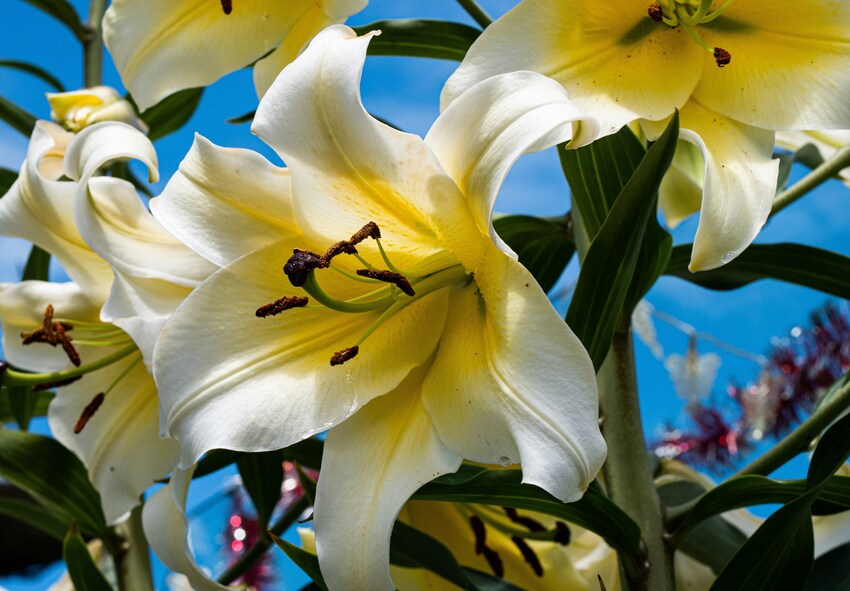
Tree lilies are exceptionally tall lilies grown for their strong stems, substantial growth, and impressive flowers. Despite their name, they are not trees. They are herbaceous perennial plants that grow from bulbs, producing fresh stems during the growing season and dying back above ground during winter.
Many lilies sold as tree lilies are hybrids created by crossing Oriental and trumpet lilies. These are commonly known as OT hybrids or Orienpet lilies. They combine characteristics from both parent groups, often producing tall plants with large flowers and, in many varieties, a noticeable fragrance.
The Origins and Characteristics of Tree Lilies
Tree lilies are associated particularly with OT hybrids, which were developed by crossing lilies from the Oriental and trumpet groups. The aim of this breeding was to combine desirable features such as impressive flower size, strong growth, attractive colors, and adaptability.
Depending on the variety and growing conditions, tree lilies may produce numerous flowers on a single tall stem. Their blooms can face outward or slightly downward and may be trumpet-shaped, broadly open, or intermediate in form. Colors include white, cream, yellow, pink, orange, and deep red, sometimes with contrasting markings.
Their height is one of their most recognizable features. Mature plants can create a layered garden display, rising above lower-growing flowers and shrubs. Many varieties are also valued for their fragrance, although its intensity varies from one cultivar to another. Not every tall lily belongs to the same hybrid group, however. The name tree lily is often used commercially rather than as a precise botanical classification. When comparing plants, check their stated hybrid group and cultivar information rather than relying on height alone.
How Tree Lilies Differ from Ordinary Lilies
Tree lilies belong to the broader group of true lilies in the genus Lilium. The difference is not that they are a separate type of tree-like plant, but that selected hybrids are known for their exceptional height and vigorous growth. Many familiar lilies, including some Asiatic varieties, grow to moderate heights and produce flowers relatively early in summer. Tree lilies often grow taller, develop substantial stems, and flower later, although there is considerable variation among cultivars.
Their larger overall size affects how they should be used in the garden. Tall plants need enough space, suitable light, and protection from strong winds. Some may benefit from discreet staking, particularly when carrying many large flowers or growing in exposed locations. Tree lilies can also take time to reach their full potential. A newly planted bulb may produce a smaller plant than an established bulb in subsequent seasons. Good growing conditions and appropriate care help support stronger growth over time.
How Tall Do Tree Lilies Grow?
Tree lilies can grow to around 4–6 feet (1.2–1.8 meters), while some varieties may reach greater heights under favorable conditions. The actual height depends on the cultivar, bulb size, soil quality, sunlight, moisture, and general growing conditions.
Because mature plants can become quite tall, choose a location where they will not block smaller plants or obstruct paths. A sheltered position is especially useful in gardens exposed to strong winds, as tall stems carrying heavy flowers can be vulnerable to bending or breaking.
Goliath Lilies: Main Varietal Characteristics
The name Goliath suggests a lily associated with impressive size, but a cultivar’s exact features should be confirmed from its product label or supplier information. Flower color, height, bloom shape, and fragrance cannot be established reliably from the name alone.
When evaluating a Goliath lily, consider the same characteristics used to compare other tall lily varieties: flower size and form, mature height, flowering time, fragrance, and suitability for your garden. These details will help you understand whether the plant belongs in a border, a container, or a prominent position in the landscape.
Flower Size, Shape, and Color
One of the main reasons gardeners choose tall lilies is their striking flowers. Depending on the hybrid group and cultivar, blooms may be large and trumpet-shaped or open broadly with gently curved petals. Their size and form allow individual flowers to stand out even when viewed from a distance.
Tree lily varieties are available in a wide range of colors, including white, cream, yellow, pink, orange, and red. Some have contrasting centers, speckles, colored edges, or soft gradients between shades. These details can influence how the plants look alongside other flowers. For a Goliath lily, consult the specific product description for confirmed flower color, bloom dimensions, and shape. If you are choosing bulbs online, photographs and cultivar information are more useful than relying on the variety name alone.
Plant Height and Growth Habit
Height is an important factor when choosing a Goliath lily or another tree lily. Tall varieties can form substantial vertical accents, while more compact lilies may be better suited to smaller borders or containers. Many tree lilies develop sturdy, upright stems with leaves arranged along their length. Their overall appearance can be architectural, particularly when several stems grow together. Mature plants may carry multiple blooms, making them prominent features during the flowering season.
Actual growth depends on the variety and growing conditions. Bulb quality, available sunlight, soil drainage, and moisture all influence plant development. Check the expected mature height before planting, and allow enough room for stems and flowers to develop without crowding neighboring plants.
Flowering Period and Fragrance
Many tree lilies flower in summer, often later than early-flowering Asiatic lilies. Some OT hybrids bloom in midsummer or later, depending on the cultivar, local climate, and seasonal weather. Planting varieties with different flowering times can help extend the period of color in the garden.
Fragrance is another feature worth considering. Many Oriental and OT hybrid lilies have scented flowers, but the strength and character of the fragrance vary considerably. Some produce a rich perfume that is noticeable across a patio or garden path, while others have a more subtle scent. For Goliath lilies, confirm the flowering period and fragrance from the supplier’s description. These details are particularly useful if you want to create a garden with a planned succession of blooms or place scented lilies near seating areas.
Garden Uses and Decorative Value
Tall lilies can add structure and height to a flower bed, drawing attention upward and creating a layered effect. Their large flowers make them suitable for focal points, mixed borders, and planting schemes designed around summer color. A Goliath lily may be particularly attractive if its confirmed characteristics suit a prominent location. Before selecting a planting position, consider its mature size, flower color, and whether its fragrance will be noticeable nearby.
Tree lilies can also be grown for cut flowers, provided the variety is suitable and stems are harvested carefully. When cutting lilies, leave enough foliage on the plant to support continued growth and bulb development. Avoid removing too much of the stem, as the leaves help the bulb store energy for future seasons.
Tree Lilies and Other Lily Types: Key Differences
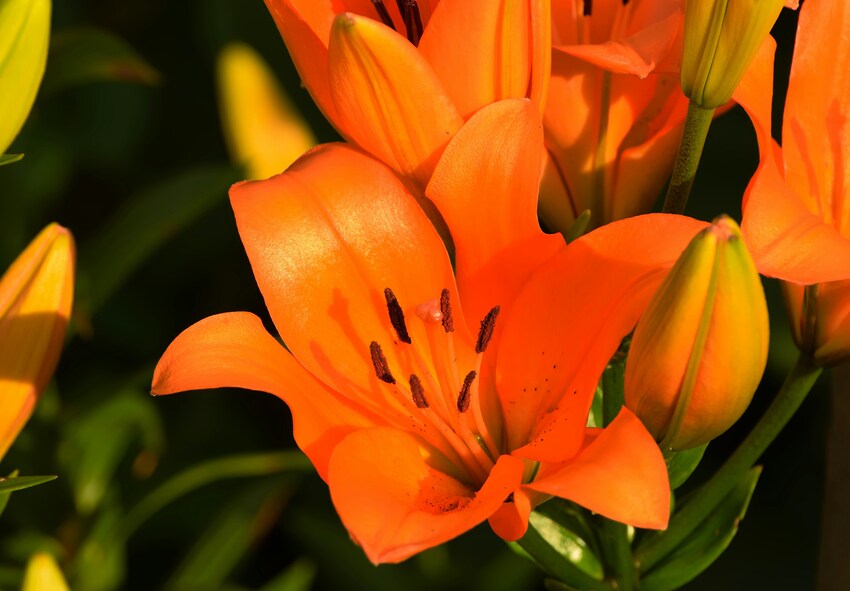
The lily family includes several groups with distinct characteristics. Comparing them helps gardeners understand what to expect from a plant and choose varieties that fit their preferred style, available space, and flowering schedule. Tree lilies are often OT hybrids, but the term is not always used consistently in commercial catalogs. The following comparisons describe typical group characteristics rather than rules that apply to every cultivar.
Tree Lilies vs. Asiatic Lilies
Asiatic lilies are popular for their colorful flowers, relatively straightforward care, and wide selection of varieties. They generally flower earlier in summer than many Oriental and OT hybrids and are available in shades of yellow, orange, red, pink, and white. Most Asiatic lilies have little or no noticeable fragrance, which can be an advantage for gardeners who prefer unscented flowers. Their heights vary, but many are shorter than the tallest tree lily varieties.
Tree lilies, particularly OT hybrids, often grow taller and produce larger flowers with a more substantial presence in the garden. Many also have fragrant blooms. However, flowering time, height, and scent depend on the specific cultivar, so compare individual varieties when making a choice.
Tree Lilies vs. Oriental Lilies
Oriental lilies are known for their large flowers, decorative markings, and often strong fragrance. They commonly bloom in midsummer or later and are popular in borders and cutting gardens. Oriental lilies can also grow quite tall, so height alone is not enough to distinguish them from tree lilies. Check the plant’s hybrid group and mature height to understand its likely growth habit and requirements.
Tree lilies that are OT hybrids combine Oriental lily characteristics with those of trumpet lilies. As a result, they often develop greater height and vigorous growth while retaining large flowers and fragrance. Their flower shapes and colors can vary depending on the parentage of the hybrid.
Tree Lilies vs. Trumpet Lilies
Trumpet lilies produce elongated, trumpet-shaped flowers that often face outward or downward. Many varieties are fragrant and can become tall, making them attractive features in summer borders. Tree lilies, particularly OT hybrids, combine trumpet lily characteristics with those of Oriental lilies. Their flowers may be broad or trumpet-like, and their colors, fragrance, and flowering times vary among cultivars.
If you prefer long, trumpet-shaped blooms, a trumpet lily may be a good choice. If you want a plant that combines characteristics from Oriental and trumpet lilies, an OT hybrid may be worth considering. Compare the expected height, flower form, fragrance, and growing requirements of individual varieties before buying.
Tree Lilies vs. OT Hybrid Lilies
This comparison requires a little clarification: many plants sold as tree lilies are OT hybrids, also known as Orienpet lilies. OT hybrids are produced by crossing Oriental lilies with trumpet lilies, combining traits from both groups. They are often recognized for their tall stems, large flowers, and frequently noticeable fragrance. Depending on the variety, flowers may have trumpet-like or more open shapes and appear in a range of colors.
However, commercial naming can be inconsistent. Not every lily marketed as a tree lily will necessarily be labeled as an OT hybrid, and not every OT hybrid reaches the same height. Check the botanical or hybrid-group information in the product description for the clearest comparison.
How to Grow Goliath and Tree Lilies
Goliath and tree lilies can be rewarding garden plants when their basic growing requirements are met. The most important factors are a suitable planting site, well-drained soil, consistent moisture during active growth, and protection from damaging winds. Because Goliath may refer to a specific cultivar, use the supplier’s instructions for its planting depth, mature height, and other variety-specific details.
Choosing the Right Planting Location
Most tree lilies grow best in a sunny position, although some benefit from light afternoon shade in hot climates. As a practical guideline, aim for several hours of direct sunlight each day while protecting plants from extreme heat where necessary. Lilies generally prefer their flowers and upper stems in the sun while their roots remain cool. Low-growing perennials or a suitable layer of mulch can help shade the soil without crowding the bulbs.
Choose a location sheltered from strong winds, particularly for tall varieties. Avoid planting large lilies where they will shade smaller sun-loving plants or obstruct paths as they mature. If growing them in a mixed border, position taller varieties toward the back or middle, depending on the viewpoint.
Soil Requirements and Planting Depth
Tree lilies need fertile, well-drained soil. Waterlogged ground can cause bulbs to rot, while very dry or poor soil may restrict growth. Before planting, loosen the soil and improve its structure with suitable organic matter if necessary. Plant lily bulbs at the depth recommended for their size and variety. Many true lily bulbs are planted with a layer of soil above the bulb, but the precise depth varies. Follow the supplier’s instructions rather than applying one measurement to every lily.
Handle bulbs gently and plant them promptly after purchase. Avoid leaving them exposed to drying winds or direct sunlight for extended periods. After planting, water if the soil is dry to help settle it around the bulbs. In heavy clay soil, improve drainage or consider a raised bed. Good drainage is especially important during wet weather and while bulbs are dormant.
Watering and Feeding
During active growth, tree lilies benefit from consistent soil moisture. Water deeply when the soil begins to dry, taking care not to leave the planting area saturated. Plants growing in containers may need more frequent watering than those planted in the ground. A layer of suitable organic mulch can help conserve moisture and moderate soil temperature. Keep mulch from piling directly against emerging stems.
Lilies generally benefit from fertile soil, but excessive fertilizer is not helpful. Apply a suitable balanced or bulb-plant fertilizer according to its label and the needs of your soil. Avoid overfeeding, especially with high-nitrogen products, which can encourage leafy growth at the expense of strong, balanced development. Continue caring for the foliage after flowering. Do not cut the entire stem back immediately after the blooms fade, because the remaining leaves help the bulb replenish its energy reserves for the next growing season.
Supporting Tall Stems and Protecting Plants
Tall lilies with multiple large flowers can become top-heavy, particularly in windy or rainy weather. Some varieties have sturdy stems that stand without assistance, while others may need support depending on their height and growing conditions. If support is necessary, place a stake near the plant early in the season to avoid damaging the bulb or roots later. Tie the stem loosely with soft garden ties, leaving enough room for natural movement and growth.
Sheltered planting locations can reduce wind damage. Avoid tying stems too tightly or placing stakes where they might injure underground bulbs. If growing tall lilies in containers, use stable pots that are heavy enough to resist tipping. After flowering, remove spent blooms if desired, but leave the healthy stem and foliage until they begin to yellow naturally. This helps maintain bulb vigor and supports future flowering.
How to Choose the Right Tree Lily Variety
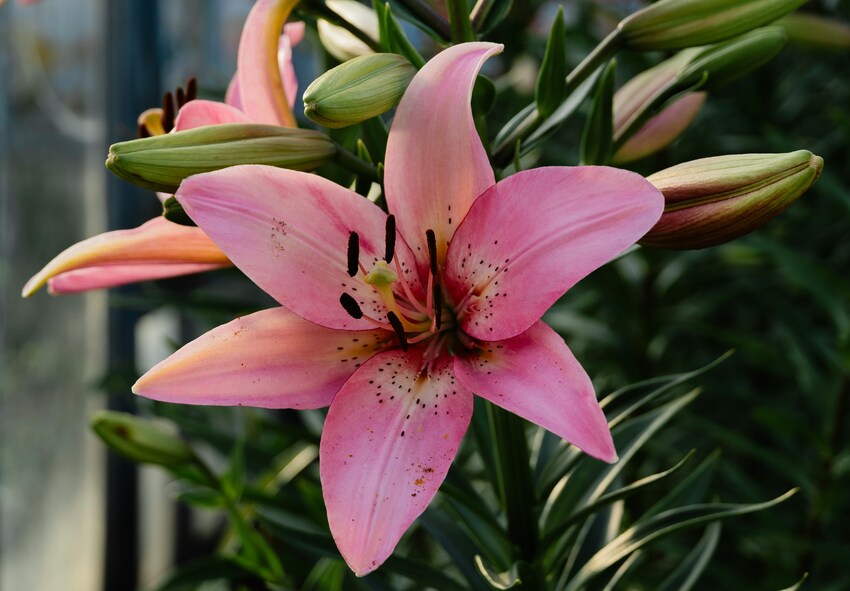
Choosing the right tree lily starts with understanding the conditions in your garden and the characteristics you want from the plant. Before purchasing Goliath or another variety, consider these factors:
- Consider mature height and available space. Check the expected height and spread of the variety. Tall lilies need enough room to develop and may require a sheltered position or support.
- Compare flower colors, shapes, and fragrance. Decide whether you prefer trumpet-shaped or more open blooms, subtle colors or bold contrasts, and strongly scented or less fragrant flowers. Verify these details for the specific cultivar.
- Check flowering time and local growing conditions. Flowering dates vary with variety, climate, and weather. Choose plants suited to your region and consider combining varieties to extend the summer display.
- Consider whether the variety needs support. Tall stems carrying numerous large flowers may need staking in exposed gardens. A sheltered planting site can help reduce the risk of wind damage.
- Check the specific characteristics of each cultivar before purchasing. Names such as Goliath should be matched with reliable product information. Confirm the hybrid group, mature height, flower color, bulb size, and planting recommendations rather than relying on the name alone.
Comparing these details makes it easier to choose lilies that will suit your garden’s conditions and design. It also helps set realistic expectations for plant size, flowering, and ongoing care.
Conclusion
Goliath and tree lilies can bring impressive height, large flowers, and a strong vertical accent to summer gardens. Many plants marketed as tree lilies are OT hybrids, which combine characteristics of Oriental and trumpet lilies. However, individual varieties differ in mature height, flower form, color, fragrance, and flowering time.
For healthy growth, choose a sunny or lightly shaded location appropriate for the variety, provide fertile and well-drained soil, maintain consistent moisture during active growth, and protect tall stems from strong winds when necessary. Allow the foliage to die back naturally after flowering so the bulbs can store energy for the following season.
Whether you want a striking focal point or a dramatic mixed border, the right tree lily can add lasting interest to your garden. Check the specific characteristics of Goliath and other varieties before purchasing, and choose plants that fit your available space, local climate, and preferred garden style.
Frequently Asked Questions (FAQs) about Goliath and Tree Lilies
1. What are tree lilies?
Tree lilies are tall lilies, often OT hybrids created by crossing Oriental and trumpet lilies. They are known for their vigorous growth, large flowers, and, in many varieties, noticeable fragrance. Despite their name, they are herbaceous perennials rather than trees. Their height and impressive blooms make them striking additions to summer gardens.
2. How tall do tree lilies grow?
Tree lilies commonly reach around 4–6 feet (1.2–1.8 meters), although some varieties can grow taller in favorable conditions. Their mature height depends on the cultivar, bulb size, soil quality, sunlight, and moisture. Before planting, check the expected height and choose a sheltered location where tall stems have enough room to develop.
3. What is the difference between tree lilies and Asiatic lilies?
Tree lilies, often OT hybrids, generally grow taller and produce larger flowers than many Asiatic lilies. They may also have a stronger fragrance and often bloom later in summer. Asiatic lilies usually flower earlier and typically have little noticeable scent. However, height, flowering time, and fragrance vary between individual varieties, so check cultivar details.
4. Can I order Goliath and tree lilies from your online store?
Yes, you can look for bulbs of Goliath and other tree lily varieties in our online store Dutch-bulbs.com, subject to seasonal availability. Check each product description for confirmed flower colors, mature height, fragrance, and planting requirements. Comparing these details helps you choose suitable lilies for your garden space and local growing conditions.
5. How do you care for tree lilies?
Plant tree lilies in fertile, well-drained soil in a sunny or lightly shaded location suited to the variety. Water when the soil begins to dry, avoiding waterlogged conditions. Support tall stems if necessary, especially in windy areas. After flowering, leave healthy foliage in place until it yellows naturally to help bulbs store energy.
Published: 28.10.2026