



Lupines (Lupinus spp.) are popular ornamental plants known for their colorful flower spikes and attractive foliage. Russell hybrids are especially valued in cottage gardens and perennial borders. Although lupines are relatively easy to grow in suitable conditions, they can suffer from aphid infestations, slug damage, fungal diseases, viral infections, and environmental stress.
Successful pest and disease control begins with accurate diagnosis. Yellow leaves or wilting do not always indicate infection; poor drainage, drought, and nutrient imbalances can cause similar symptoms. An integrated pest management (IPM) approach combines prevention, regular inspection, biological controls, and targeted treatments when necessary. This helps maintain healthy lupines while protecting beneficial insects and the wider garden environment. Our gardening blog is a perfect place to find all the information you need!
1. Common Pests Affecting Lupines
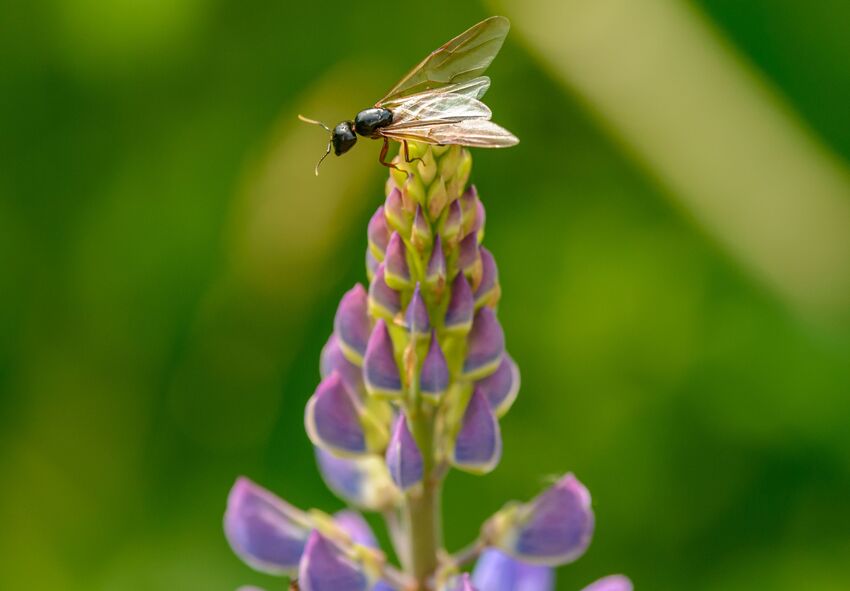
Lupines can attract pests such as aphids, slugs, and snails, which may damage leaves, shoots, and develop flower spikes. Recognizing the signs of infestation early helps gardeners choose effective control methods and protect plants from further damage.
Aphids on Lupines
Aphids often gather on young shoots, leaf undersides, and developing flower spikes. The lupin aphid (Macrosiphum albifrons) is particularly associated with lupines and may appear bluish-green. Common symptoms include:
- Curled or distorted young leaves.
- Clusters of insects around growing tips.
- Sticky honeydew on leaves and stems.
- Weakened growth and distorted flower spikes during heavy infestations.
Control methods: For small infestations, wash aphids off with a firm stream of water or remove heavily infested shoot tips where practical. Encourage natural predators such as ladybirds, lacewings, and hoverfly larvae. If necessary, use an insecticidal soap labeled for the pest and ornamental plants, following the product instructions and protecting pollinators. Avoid excessive nitrogen fertilization, which encourages soft growth that may attract aphids.
Slugs and Snails
Slugs and snails frequently damage lupine seedlings, young leaves, and tender shoots, particularly during damp weather. Look for irregular holes in leaves, missing sections of young growth, and silvery slime trails. Unlike fungal leaf spots, feeding damage removes plant tissue.
Control methods: Inspect plants in the evening or early morning and hand-pick pests when practical. Reduce unnecessary damp hiding places, protect vulnerable seedlings with suitable barriers, and consider an approved iron phosphate bait if damage persists. Follow the label and any precautions for pets and wildlife.
Other Insect Pests
Caterpillars, leaf-chewing insects, and other sap-feeding pests may occasionally affect lupines. Chewing insects usually leave holes or ragged edges, while sap-feeders may cause stippling, discoloration, or distorted leaves.
Inspect both sides of leaves and examine stems for insects, eggs, larvae, or droppings. Remove visible pests by hand when possible and use targeted treatments only after identifying the pest. Avoid spraying healthy plants unnecessarily.
2. Viral Diseases of Lupines
Viral infections can cause mottled leaves, distorted growth, and reduced flowering in ornamental lupines. Although these symptoms may resemble other plant health problems, early recognition and appropriate management can help reduce the risk of spreading infection to healthy plants.
Symptoms of Viral Infection
Viral diseases may cause mottled leaves, unusual discoloration, distorted growth, stunted plants, and reduced flowering. However, similar symptoms can result from nutrient deficiencies, herbicide damage, or insect feeding. A visual inspection can raise suspicion, but laboratory testing may be needed to confirm a virus.
How Viruses Spread
Some plant viruses are transmitted by aphids and other sap-feeding insects. Certain viruses may also spread through infected planting material or seed. Weeds can sometimes serve as alternative hosts. Using healthy planting material and managing weeds around lupines can help reduce the risk of infection.
Managing Suspected Viral Diseases
Viral infections generally cannot be cured with fungicides. If a plant is confirmed or strongly suspected to be infected, removal may help prevent further spread. Clean tools, avoid saving seed from symptomatic plants, and manage insect vectors appropriately. Remember that insecticides do not reliably prevent every virus transmission event, so prevention and early recognition remain important.
3. Fungal and Bacterial Diseases of Lupines
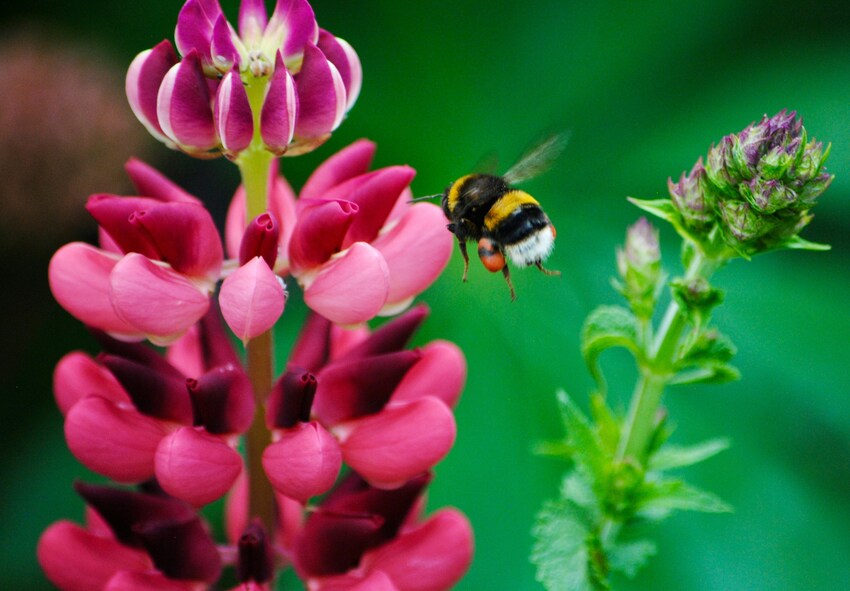
Fungal and bacterial diseases can affect lupine leaves, stems, roots, and flowers, sometimes weakening plants and reducing flowering. Learning to recognize symptoms such as powdery coatings, leaf spots, stem lesions, and root rot helps gardeners take timely action and limit disease spread.
Powdery Mildew
Powdery mildew produces white or grayish powder-like patches on leaves. Severe infections can cause yellowing, premature leaf loss, and reduced plant vigor. Crowded planting and poor air circulation can increase disease pressure. Prevention and treatment:
- Give plants enough space for good airflow.
- Water at soil level where practical.
- Remove heavily affected leaves without stripping the plant of healthy foliage.
- Clear diseased debris at the end of the season.
- If the disease continues to spread, consider a fungicide labeled for powdery mildew on ornamental plants.
Leaf Spot Diseases
Leaf spots may be caused by fungal or bacterial pathogens, but sun scorch and other environmental problems can produce similar symptoms. Typical signs include brown or black spots, yellow margins, and premature leaf drop. Some infections may also affect stems.
Control methods: Remove severely affected leaves, improve airflow, avoid unnecessary overhead watering, and clear infected plant debris. Clean tools after handling suspect plants. If the problem repeatedly returns, seek an accurate diagnosis before choosing a treatment, since fungicides do not control every cause of leaf spots.
Anthracnose
Anthracnose is an important lupine disease that can damage stems, leaf stalks, and flower spikes. Symptoms may include dark, sunken stem lesions, twisted shoots, distorted flowers, and broken stems. Pinkish or orange spore masses may appear on infected tissue in humid conditions. Prevention and treatment: Buy healthy plants and seed, inspect young stems regularly, and remove infected material promptly.
Severely affected plants may need to be removed. Avoid saving seed from diseased plants and consider cultivars with documented resistance where available. Improve air circulation and avoid prolonged leaf wetness. Fungicide effectiveness depends on the pathogen and timing, so use a suitable labeled product only when recommended.
Root and Crown Rot
Root and crown rot can develop when lupines grow in poorly drained or persistently waterlogged soil. Symptoms include yellow leaves, wilting, stunted growth, and brown or soft roots. Control methods: Check soil moisture before watering and improve drainage where necessary. Raised beds may help in heavy soil. Inspect roots if the plant continues to decline, and remove plants with extensive decay. Fungicides cannot compensate for waterlogged soil, so correcting growing conditions is essential.
Other Fungal and Bacterial Problems
Other infections can cause unusual leaf lesions, stem discoloration, or rapidly declining foliage. Because fungal diseases, bacterial infections, and environmental damage can look similar, symptoms alone may not reveal the cause. Remove clearly diseased material, clean tools between plants, and seek local diagnostic advice if the problem spreads quickly or repeatedly returns. Avoid applying fungicides before confirming that a fungal disease is likely.
4. Growing-Condition Problems That Resemble Diseases
Not every unhealthy lupine is suffering from a pest or disease, as unsuitable watering, poor drainage, heat stress, and nutrient imbalances can cause similar symptoms. Identifying and correcting these growing conditions can restore plant health and prevent unnecessary treatments.
Overwatering and Poor Drainage
Yellowing leaves, wilting, and slow growth may indicate roots damaged by excessive moisture. Lupines generally prefer well-drained soil and do not tolerate prolonged waterlogging. Check soil moisture before watering, ensure containers drain freely, and avoid planting lupines in areas where water collects. If roots are brown and soft, root rot may already be established.
Drought and Heat Stress
During hot, dry weather, lupines may wilt, develop scorched leaf edges, or flower for a shorter period. Water deeply enough to moisten the root zone and use a light mulch layer to conserve moisture, keeping it away from the crown. In hot climates, some afternoon shade may reduce heat stress. However, avoid excessive shade, which can weaken growth and reduce flowering. Check the soil before watering because wilting in wet soil may indicate root damage instead of drought.
Nutrient Imbalances
Nutrient deficiencies can cause pale leaves, weak growth, and reduced flowering. However, poor drainage, damaged roots, and unsuitable soil pH can produce similar symptoms. A soil test is more reliable than applying fertilizer based on leaf color alone. Lupines can fix nitrogen through root nodules, so they generally do not need heavy nitrogen feeding in suitable soil. Excess nitrogen can encourage leafy growth and potentially favor aphids.
Planting Depth, Spacing, and Site Selection
Most ornamental lupines grow best in a sunny position with well-drained soil, although requirements vary by species and cultivar. Crowded plants have poorer airflow, while wet soil increases the risk of root disease. Allow enough space for mature plants, avoid waterlogged areas, and remove weeds and dead plant material. Choose the site carefully because established lupines often do not respond well to unnecessary root disturbance.
When to Use Plant Protection Products

Use plant protection products only when the problem has been identified and other measures are insufficient:
- Choose the correct product: Check that it is labeled for the intended pest or disease and permitted for ornamental plants in your location.
- Follow the label: Observe application rates, timing, protective equipment, and other safety instructions.
- Protect pollinators: Lupine flowers attract bees and other beneficial insects. Avoid exposing them to pesticides and follow all label restrictions concerning flowering plants.
- Monitor results: Reapply only when permitted and necessary.
- Use targeted treatments: Broad-spectrum pesticides can harm beneficial insects that naturally control pests such as aphids.
Fungicides cannot cure viral diseases, and no pesticide can reverse damage caused by severe root rot or prolonged drought. Correcting growing conditions and removing infected material may be more effective than chemical treatment.
Conclusion
Effective pest and disease control for Lupinus starts with early detection and accurate diagnosis. Aphids, slugs, fungal infections, anthracnose, and root rot can all affect ornamental lupines, while viral diseases and environmental stress may produce similar symptoms.
Choose healthy planting material, provide adequate sunlight and drainage, water appropriately, and inspect plants regularly. When problems arise, use the least disruptive effective treatment and protect beneficial insects whenever possible. With suitable growing conditions and an integrated pest management approach, lupines can remain healthy and produce attractive flower spikes with fewer unnecessary treatments.
Frequently Asked Questions (FAQs) about Lupine Pests and Diseases
1. What are the most common pests that affect lupines?
The most common pests affecting ornamental lupines include aphids, slugs, and snails. Aphids gather on young shoots and flower spikes, causing curled leaves and weakened growth, while slugs and snails chew holes in tender foliage. Regular inspection, hand removal, beneficial insects, and targeted treatments can help keep these pests under control.
2. How can I tell if my lupine has a disease?
Common signs of disease in lupines include white powdery patches on leaves, dark leaf spots, unusual stem lesions, yellowing, and wilting. Anthracnose may cause twisted stems and distorted flower spikes, while root rot can produce soft, discolored roots. Because environmental stress can cause similar symptoms, inspect the whole plant before choosing a treatment.
3. How can I prevent fungal diseases in lupines?
To reduce fungal disease risk, grow lupines in well-drained soil and provide enough space for good air circulation. Water at soil level when possible, remove infected leaves and plant debris, and avoid overcrowding. Inspect plants regularly for early symptoms. If a disease persists, identify the likely pathogen before considering a suitable fungicide.
4. Can diseased lupines recover, or should I remove them?
Recovery depends on the problem and how severely the plant is affected. Lupines with mild pest infestations or environmental stress often improve when conditions are corrected. Some fungal diseases can be managed through sanitation and appropriate treatment, while plants with severe root rot or suspected viral infections may need removal to reduce further spread.
5. Can I order lupine seeds in your online store?
Yes, you can look for lupine seeds in our online store Dutch-bulbs.com, where available varieties may suit different garden styles and planting preferences. Before ordering, check the product description for cultivar details, expected flower color, plant size, and growing requirements. Choosing a variety suited to your climate and soil conditions helps support healthy growth and abundant flowering.
Published: 06.11.2026