



Irises are among the most recognizable garden perennials, admired for their elegant flowers, sword-shaped foliage, and impressive range of colors. Although many varieties can remain in the same location for several years, overcrowding, declining flowering, and unsuitable growing conditions eventually make transplanting necessary. Choosing the right season is essential for helping these plants establish healthy roots and produce abundant blooms.
Understanding when to transplant irises can make the difference between vigorous plants and disappointing flowering. Both spring and fall transplantation are possible, but each season offers different advantages and challenges. The ideal timing also depends on the iris type, local climate, and stage of plant development. This guide explains the differences between spring and fall iris transplantation, how to recognize the best time for moving plants, and which techniques support successful establishment. Our gardening blog is a perfect place to find all the information you need!
Why Do Irises Need Transplanting?
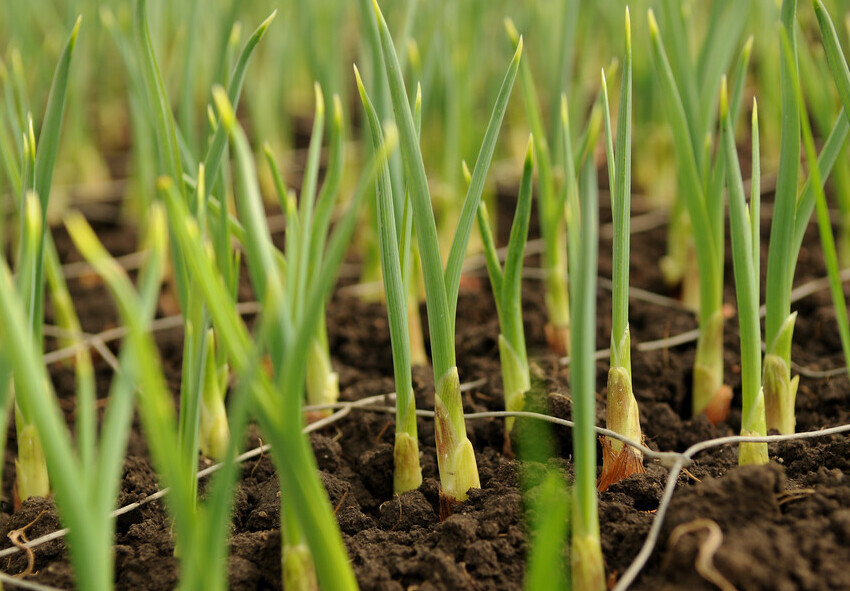
Irises are relatively low-maintenance perennials, but their growing conditions change as clumps mature. Over time, underground rhizomes or bulbs multiply, creating increasingly dense groups of plants. This natural growth can eventually reduce flowering and increase competition for nutrients, moisture, and space.
For many bearded irises, dividing and transplanting every three to five years helps maintain healthy growth. Other iris groups may require less frequent division, depending on their growth habits and available space. Several signs indicate that transplantation may be necessary:
- Reduced flowering: Mature clumps produce fewer blooms despite receiving adequate sunlight.
- Overcrowded rhizomes: Underground structures become tightly packed, with older sections occupying the center.
- Declining plant health: Poor drainage, disease, or competition from nearby plants affects growth.
- Changes in garden design: Established irises need relocation to a sunnier or more suitable planting area.
The best iris transplanting time depends on whether the plants grow from rhizomes or bulbs. Understanding this distinction is especially important because different iris groups follow different seasonal growth cycles.
Spring vs. Fall Iris Transplantation: Which Is Better?
Both spring and fall provide opportunities for moving irises, but neither season is universally ideal for every variety. For most bearded irises, the preferred period is shortly after flowering, usually in summer or early fall. This gives the plants time to establish new roots before winter.
Spring transplantation is generally possible when necessary, although it may interrupt flower development. Fall transplantation can be effective when completed early enough for root establishment.
Transplanting Irises in Spring
Spring is a practical alternative when plants must be relocated because of construction, garden redesign, or unsuitable growing conditions. However, spring transplantation often coincides with active leaf and flower development. When transplanting irises in spring, wait until the soil is workable and excessively wet conditions have passed. Choose a mild day and prepare the new planting site before lifting the plants.
Move the rhizomes carefully, preserving as many healthy roots as possible. Replant immediately to reduce moisture loss and transplant shock. Spring transplantation offers several advantages. Increasing daylight supports active growth, and warming soil encourages root development. Gardeners can also observe emerging foliage and identify healthy divisions more easily.
However, spring relocation has disadvantages. Disturbing plants during bud development may reduce or eliminate flowering that season. Newly transplanted irises may also require additional watering during unusually warm or dry weather. For this reason, spring iris transplanting is best reserved for situations where waiting until after flowering is impractical.
Transplanting Irises in Fall
Early fall can be an excellent time to transplant many rhizomatous irises, particularly in regions with mild autumn temperatures. The plants have generally completed flowering, and cooler weather reduces moisture stress. When transplanting irises in fall, allow enough time for new roots to develop before the ground freezes.
In colder climates, late summer is often preferable to late autumn. Fall transplantation allows the plants to concentrate on root establishment rather than supporting flowers. Cooler temperatures also reduce evaporation, making it easier to maintain suitable soil moisture.
Nevertheless, planting iris bulbs too late can be risky. Recently divided rhizomes may not establish adequately before prolonged freezing temperatures arrive. The ideal fall iris transplanting period varies by climate. In colder regions, aim for approximately four to six weeks or more before the ground typically freezes, while warmer regions may allow a longer planting window.
How Iris Type Affects the Best Transplanting Season
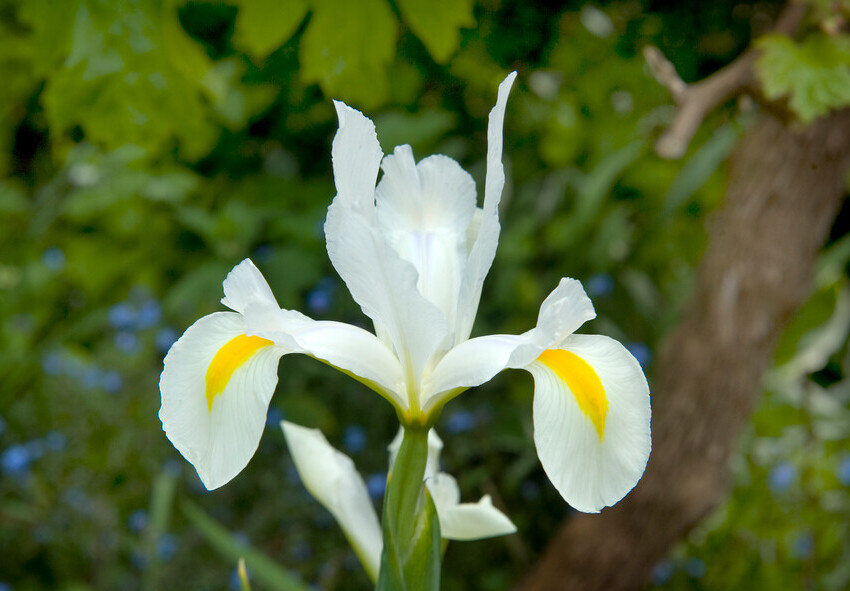
Not all irises respond to transplantation in the same way. Some develop thick rhizomes near the soil surface, while others grow from bulbs or prefer consistently moist environments.
- Bearded Irises
Bearded irises are among the most commonly grown rhizomatous varieties. They prefer sunny locations, well-drained soil, and relatively shallow planting. The best time to divide and transplant bearded irises is generally several weeks after flowering, often from midsummer to early fall. This period allows the plants to develop fresh roots before winter. In regions with early frosts, avoid delaying transplantation until late autumn.
- Siberian Irises
Siberian irises develop dense clumps of fibrous roots and tolerate more moisture than bearded varieties. They generally benefit from division when clumps become overcrowded or flowering declines. Early spring and late summer to early fall are both suitable transplantation periods. Spring division should occur as new growth begins, while fall division should leave sufficient time for root establishment. Unlike bearded irises, Siberian irises should not be allowed to dry out during transplantation.
- Japanese Irises
Japanese irises prefer moisture-retentive, slightly acidic soil and often perform best where consistent moisture is available during active growth. Early spring is usually a favorable time for dividing and transplanting these plants. In suitable climates, division after flowering may also be successful if adequate moisture is maintained. Avoid transplanting Japanese irises into dry soil or allowing their roots to remain exposed for extended periods.
- Bulbous Irises
Bulbous irises, including Dutch irises and many smaller spring-flowering species, require different handling from rhizomatous types. Their bulbs are generally lifted and replanted during dormancy, after the foliage has naturally yellowed. Autumn is commonly the preferred planting season for spring-flowering bulbous irises. Moving actively growing bulbs can disrupt their development and reduce flowering.
How to Transplant Irises Successfully
Once you have determined when to transplant irises, proper preparation becomes the next priority. Healthy divisions, suitable planting depth, and good drainage are essential for successful establishment.
Step 1: Prepare the New Planting Site
Choose a location that matches the requirements of your iris variety. Most bearded irises need at least six hours of direct sunlight daily, while Siberian and Japanese irises can tolerate somewhat different moisture conditions.
Loosen the soil and remove weeds, stones, and compacted material. Improve drainage if necessary, especially for bearded irises, which are vulnerable to rhizome rot in persistently wet soil. Avoid adding excessive nitrogen fertilizer, as this can encourage foliage growth at the expense of flowering.
Step 2: Lift and Divide the Plants
Carefully loosen the soil around the clump using a garden fork. Lift the plant without unnecessarily damaging its roots or rhizomes. For bearded irises, separate healthy outer rhizome sections that have firm tissue, viable roots, and a strong fan of leaves. Remove old, hollow, or decaying sections.
Inspect every division for signs of soft rot, insect damage, or fungal infection. Discard seriously damaged material rather than replanting it. If transplanting during summer, trim long leaves into a shorter fan to reduce moisture loss and make the divisions easier to handle.
Step 3: Replant at the Correct Depth
Planting depth depends on the iris group. Bearded iris rhizomes should sit at or just below the soil surface, with their upper surfaces exposed or lightly covered according to local climate. Deep planting can interfere with flowering and increase the risk of rot.
Siberian and Japanese irises are planted with their crowns beneath the soil surface, following the requirements of the particular variety. Bulbous irises should be planted at the recommended depth for their species and bulb size. Space divisions generously enough to allow future growth and good air circulation.
Step 4: Water and Monitor Establishment
Water newly transplanted irises thoroughly to settle the soil around their roots. Continue watering as needed while they establish, allowing the soil surface to dry appropriately between applications for bearded varieties. Avoid constantly saturated conditions, particularly around exposed rhizomes.
During the first few weeks, monitor the plants for wilting, yellowing foliage, or signs of rot. Some temporary leaf stress is normal after transplantation, but persistent deterioration may indicate unsuitable soil moisture or damaged roots.
Common Iris Transplanting Mistakes to Avoid
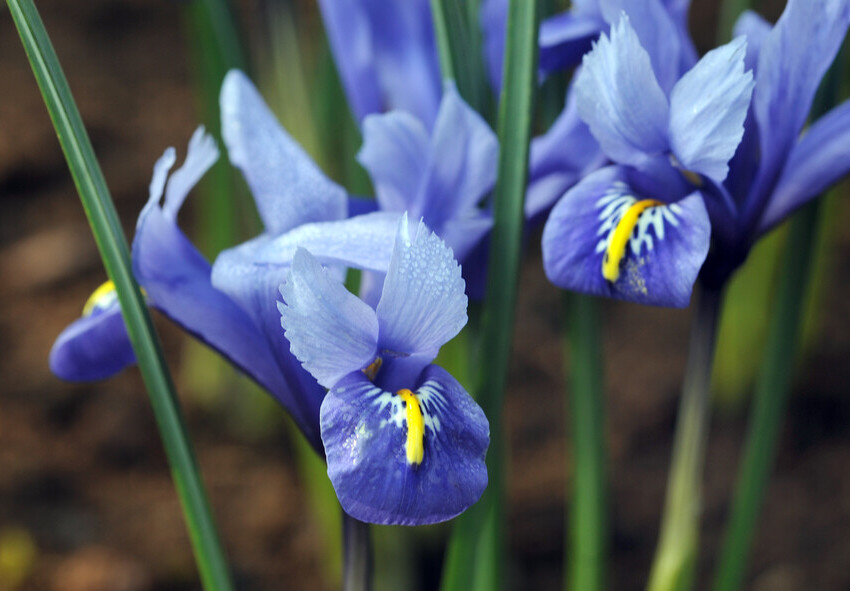
Even when the season is suitable, several mistakes can interfere with successful establishment. Transplanting during peak flowering can place unnecessary stress on the plant and shorten the blooming period. Whenever possible, wait until flowering has finished before dividing established clumps.
Planting rhizomes too deeply is another frequent problem. Bearded irises need their rhizomes close to the soil surface, where they receive warmth and remain relatively dry. Overwatering newly transplanted plants can create conditions favorable to fungal and bacterial diseases. Water according to soil conditions rather than following a rigid schedule.
Finally, avoid transplanting Dutch irises too late in fall in regions with severe winters. Without sufficient time to establish roots, newly divided plants may be more vulnerable to frost-related soil movement.
Conclusion
Knowing when to transplant irises helps gardeners protect their plants from unnecessary stress and maintain reliable flowering year after year. Although both spring and fall transplantation are possible, the ideal timing depends on the iris type, local climate, and natural growth cycle.
For most bearded irises, division shortly after flowering in summer or early fall provides the best opportunity for root establishment. Spring remains a useful alternative when relocation cannot wait, while bulbous irises generally require transplantation during dormancy.
Choose healthy planting material, maintain proper planting depth, and provide suitable soil conditions. With careful timing and attention to the needs of each variety, transplanted irises can establish strong roots and reward you with beautiful flowers for many seasons.
Frequently Asked Questions (FAQs) about Transplanting Irises
1. Can I transplant irises while they are blooming?
It is possible to move irises during flowering, but it is not recommended unless absolutely necessary. Transplantation can damage developing roots and cause flowers to wilt prematurely. For better results, wait until the blooming period has finished. If immediate relocation is unavoidable, preserve as much of the root system as possible and water carefully afterward.
2. Will irises bloom the first year after transplanting?
Irises may bloom during the first season after transplantation, but flowering is not guaranteed. The outcome depends on the variety, division size, planting season, and growing conditions. Spring-transplanted plants may skip flowering if their developing buds are disturbed. Healthy divisions transplanted after flowering often establish successfully and bloom during the following growing season.
3. Can I order iris bulbs from your online store?
Yes, you can explore the iris varieties available in our online store Dutch-bulbs.com and select plants suited to your garden’s growing conditions. Depending on the variety, irises may be offered as bulbs or rhizomes. Check individual product descriptions for planting requirements, flowering periods, and recommended seasons to choose suitable varieties for your garden design.
4. How often should irises be divided and transplanted?
Many bearded irises benefit from division approximately every three to five years, especially when clumps become crowded or flowering declines. Siberian and Japanese irises may remain undisturbed longer, depending on their growth rate and conditions. Regular observation is more useful than following a strict schedule, as vigorous, well-spaced plants do not require unnecessary division.
5. Can irises be transplanted in late autumn?
Late autumn transplantation is possible in mild climates, but it becomes increasingly risky where soil freezes early. Newly divided rhizomes need time to establish roots before winter. If freezing temperatures are approaching, consider postponing division until spring or the following post-flowering period. Avoid planting into frozen, saturated, or poorly drained soil.
Published: 13.11.2026