



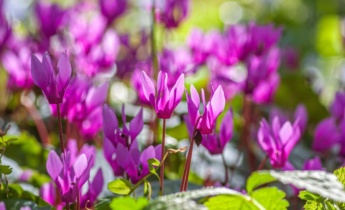
Creating Natural Floral Carpets with Minor Bulbs: Crocuses, Snowdrops, Muscari, and More
A natural floral carpet is a planting designed to create the impression that flowers have appeared naturally across the garden rather than being arranged in formal rows or isolated groups. Minor bulbs are particularly well… Read more
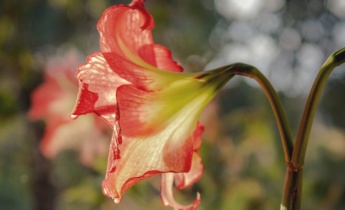
Special Care for Amaryllis After Blooming: Watering, Feeding, and Dormancy
Flowering is not the end of the amaryllis growing cycle. Once the colorful blooms fade, the bulb enters an important period of leaf growth and energy storage. Providing the right amaryllis care after blooming helps… Read more
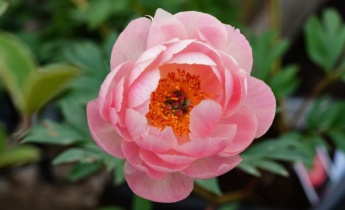
Itoh Peony Planting Guide: Soil, Sunlight, Depth, and Care for Beautiful Flowers
Itoh peonies are popular perennial plants known for their large, attractive flowers, strong stems, and beautiful foliage. They are intersectional hybrids created by crossing herbaceous peonies with tree peonies, combining characteristics from both groups. Unlike… Read more
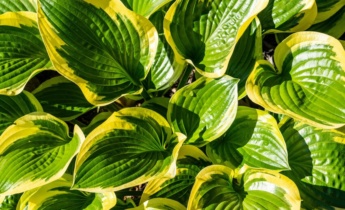
Hosta Pests and Diseases: Identification, Prevention, and Control
Hostas are generally reliable, low-maintenance perennials, valued for their attractive foliage, shade tolerance, and wide range of leaf colors and forms. However, like any garden plant, hostas can occasionally be affected by pests and diseases.… Read more
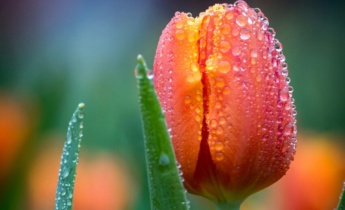
Growing Tulips in Water: A Step-by-Step Guide to Hydroponic Tulip Forcing
Hydroponic tulip growing is a method of growing tulips without traditional garden soil. Instead, the bulbs are placed in a container where their roots have access to water while the bulb itself remains above the… Read more
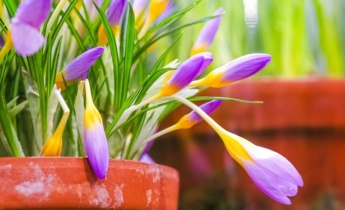
Forcing Spring Bulbs in Winter: How to Grow Hyacinths and Crocuses Indoors
Forcing bulbs means encouraging spring-flowering bulbs to grow and bloom indoors earlier than they normally would outdoors. Hyacinths and crocuses are particularly well suited to this technique because they can respond well to a period… Read more
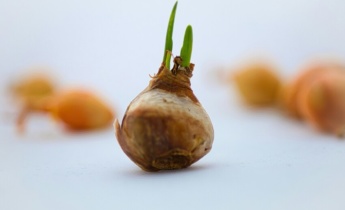
Dutch Bulb Measurements and Quality: Why Bulb Size is Crucial for Flowering
When shopping for flower bulbs, you may notice labels such as 10/12, 12/14, 14/16, or 16/+ alongside the variety name. These numbers are not random product codes. They usually indicate the bulb's calibre, or circumference,… Read more
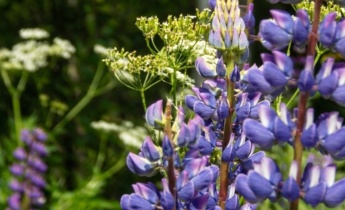
Lupines in the Garden: Design Ideas and Best Companion Plants
Lupines, belonging to the genus Lupinus, are among the most eye-catching plants for adding height, color, and structure to a garden. Their tall flower spikes rise above attractive palmate foliage, creating strong vertical accents that… Read more
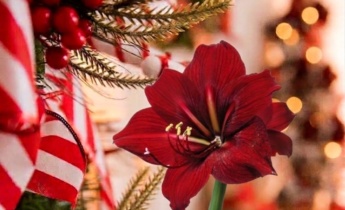
How to Make Amaryllis Bloom for Christmas: Forcing Bulbs to Flower on Time
Few indoor plants create as much holiday drama as an amaryllis in full bloom. Its tall flower stalks and large, trumpet-shaped flowers bring bold color to a home during the darkest months of the year,… Read more

Disease Control for Hyacinth: How to Prevent and Treat Common Problems
Hyacinths are loved for their colorful flower spikes, sweet fragrance, and reliable spring display. However, like other bulb plants, hyacinths can develop fungal, bacterial, and viral problems when growing conditions are too wet, poorly drained,… Read more