



Itoh peonies are popular perennial plants known for their large, attractive flowers, strong stems, and beautiful foliage. They are intersectional hybrids created by crossing herbaceous peonies with tree peonies, combining characteristics from both groups. Unlike tree peonies, Itoh peonies die back to the ground in winter, returning with fresh growth in spring.
Successful planting Itoh peonies starts with choosing the right location and planting them at the correct depth. Good drainage, sufficient sunlight, suitable soil, and careful handling of the roots all help new plants establish successfully and prepare for future flowering.
Although people sometimes search for planting Itoh peony bulbs, Itoh peonies are normally planted as bare-root divisions or container-grown plants rather than true bulbs. Understanding the correct planting method can make a significant difference to how well the plant settles into its new location. Our gardening blog is a perfect place to find all the information you need!
When to Plant Itoh Peonies
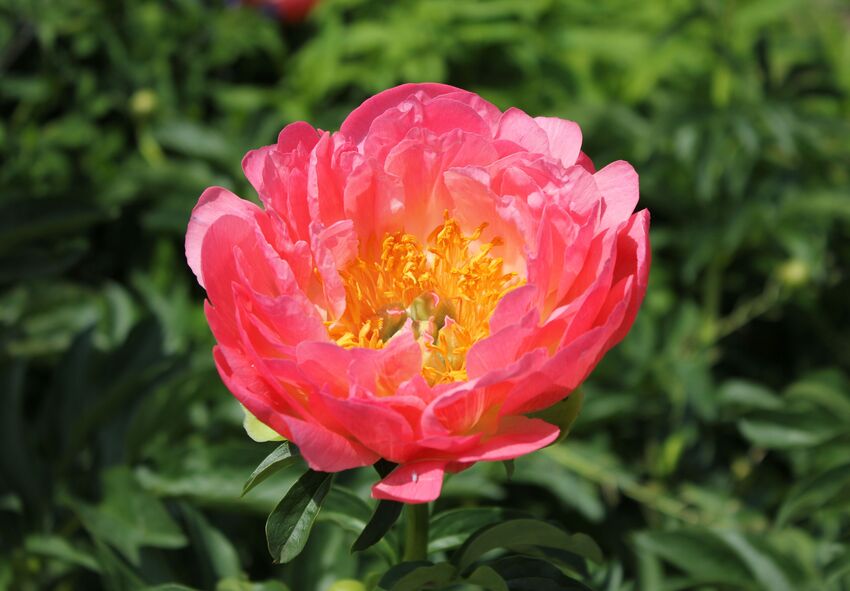
Choosing the right planting time gives Itoh peonies an opportunity to develop a healthy root system before facing challenging weather conditions.
Autumn Planting
Autumn is generally a favorable time for when to plant Itoh peonies, particularly when planting bare-root divisions. The soil may still retain warmth from summer while cooler air temperatures reduce stress on the plant. This allows the roots to begin establishing before winter.
Planting in autumn also gives the roots time to settle before the plant enters its winter dormancy. When spring arrives, an established root system can support new shoots and foliage.
Spring Planting
Spring planting can also be successful, particularly with container-grown Itoh peonies. It may be necessary when plants are purchased later in the season or when autumn planting was not possible.
If planting in spring, pay closer attention to watering as temperatures increase. Newly planted roots should have consistent moisture while they establish, but the soil should never remain saturated.
Bare-Root vs. Container-Grown Plants
Bare-root Itoh peony divisions are commonly planted during their dormant season, with autumn being particularly suitable. Handle the roots carefully and plant them as soon as practical after receiving them. Container-grown peony plants have an established root system and can generally be planted during the growing season when conditions are suitable.
Avoid planting during periods of extreme heat, drought, or frozen soil whenever possible. Regardless of the planting method, giving the plant time to establish before extreme weather is an important part of Itoh peony care.
Choosing the Right Location
The planting location has a major influence on the long-term health and flowering of Itoh peonies. Before digging, consider sunlight, soil drainage, available space, and nearby plants or structures.
Sunlight
Adequate sunlight is essential for healthy growth and flowering. Itoh peonies generally perform well in full sun to light partial shade, with around six hours of direct sunlight being a useful practical target. Morning sun can provide good light while allowing the plant to dry after overnight moisture. Afternoon sun can also support strong flowering, although some afternoon protection can be beneficial in particularly hot climates.
Too much shade can result in weaker growth and fewer flowers. If an Itoh peony is planted beneath dense trees or surrounded by tall plants, competition for both light and moisture can also affect its performance. When considering Itoh peony sunlight requirements, look at the amount of direct light the location receives throughout the growing season rather than judging the site only by its appearance on planting day.
Soil and Drainage
Itoh peonies prefer fertile, well-drained soil. Good drainage is particularly important because constantly wet conditions can deprive roots of oxygen and increase the risk of root problems. If the soil is heavy or compacted, improve it before planting.
Loosening the soil and incorporating suitable organic matter into the broader planting area can improve its structure and drainage. Avoid creating a small pocket of extremely rich soil surrounded by poor, compacted ground. Preparing a wider area allows the developing Itoh peony roots to expand naturally.
Space and Air Circulation
Give Itoh peonies enough room to develop without being crowded by neighboring plants. Consider their mature size as well as the space needed for air movement around the foliage. Avoid positioning a new plant directly against dense shrubs, walls, or other large perennials. Good spacing reduces competition and allows the plant to receive adequate light and airflow.
When planning Itoh peony spacing, also consider how nearby plants may grow over the next several years. A location that looks spacious when planting can become crowded surprisingly quickly.
How to Plant Itoh Peonies Step by Step
Once the location has been selected, careful preparation makes the planting process straightforward. The most important points are protecting the roots, preparing the soil properly, and getting the planting depth right.
Prepare the Soil
Start by clearing weeds, grass, and competing roots from the planting area. Weeds can compete with a newly planted peony for moisture and nutrients while the root system is becoming established.
Loosen the soil deeply so that roots can move through it without encountering a compacted layer. If the soil is heavy, incorporate suitable organic matter into the planting area to improve its structure. Good soil preparation should extend beyond the immediate planting hole. A broader area of loose, well-drained soil provides a better environment for developing roots.
Prepare the Plant
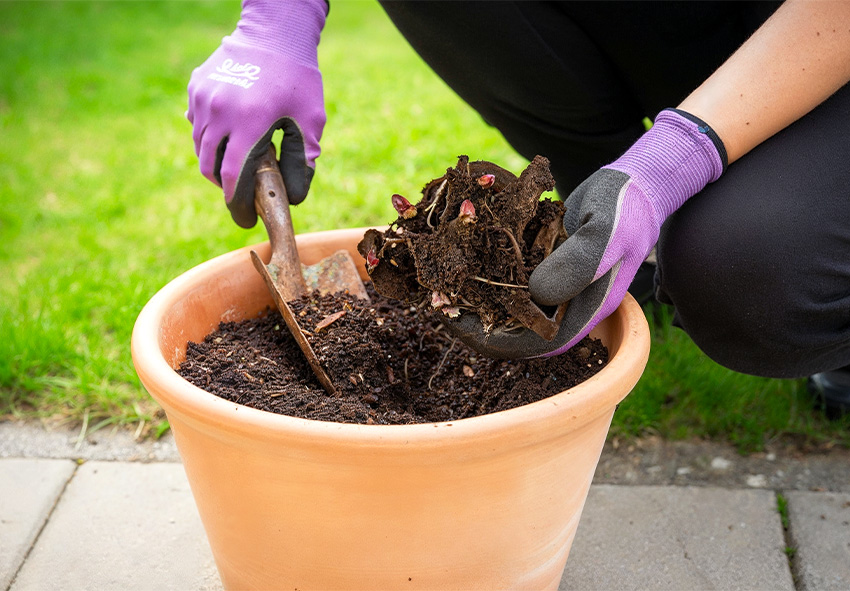
Before planting, inspect the Itoh peony carefully. For a bare-root division, check that the roots are firm and healthy and look for the buds, or “eyes,” from which new shoots will develop. Remove any clearly damaged or unhealthy material where appropriate, using clean tools if cutting is necessary.
For a container-grown plant, inspect the root system and gently loosen severely circling roots if appropriate. Avoid unnecessary disturbance, as the goal is to help the plant establish rather than damage healthy roots. Handle the roots carefully throughout the process and do not allow bare roots to dry out for an extended period before planting.
Dig the Planting Hole
Dig a hole wide enough to accommodate the roots without bending or crowding them. The width is generally more important than creating an excessively deep hole. Loosen the soil around and beneath the root system, particularly if the native soil is compacted. Make sure water can drain away rather than collecting at the bottom of the hole.
Rather than filling the hole with a small amount of highly enriched soil, prepare the surrounding planting area. This encourages the roots to move outward into the existing soil as the plant becomes established.
Position the Itoh Peony
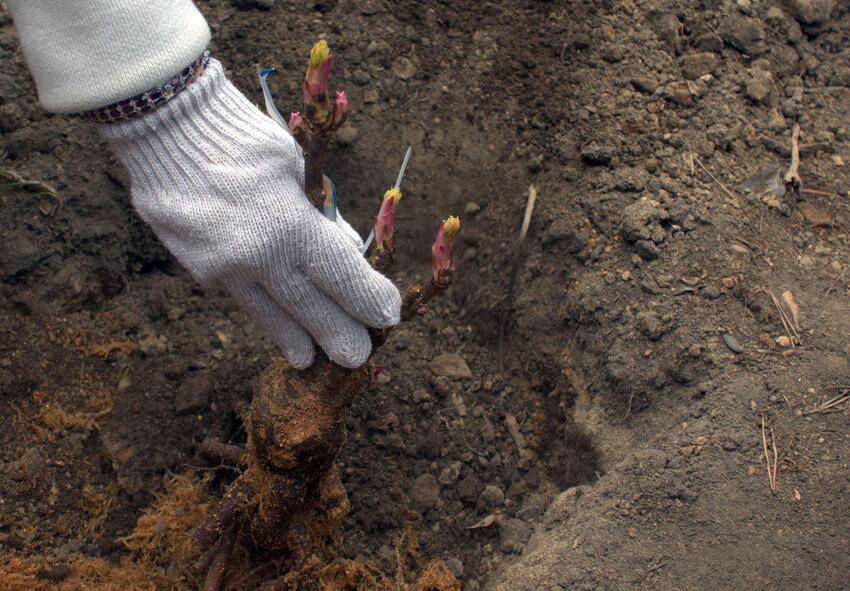
Correct planting depth is one of the most important parts of how to plant Itoh peonies. When planting a bare-root Itoh peony division, position the buds or “eyes” approximately 1–2 inches (2.5–5 cm) below the finished soil surface. The exact position can vary slightly depending on the size and form of the division, but the eyes should not be buried deeply.
Planting too deeply is a common mistake and can contribute to poor flowering. The roots should be positioned comfortably in the soil while the crown and buds remain relatively close to the surface. This is also why understanding Itoh peony planting depth is so important. Unlike many plants that can tolerate being planted considerably deeper, peonies generally respond better when their growing points remain relatively shallow.
For container-grown plants, aim to plant them at approximately the same depth at which they were growing in the container, while making sure the crown and emerging shoots are not buried excessively.
Backfill and Water
Once the Itoh peony is correctly positioned, gently backfill the hole with the prepared soil. Work the soil around the roots so there are no large air pockets, but avoid pressing it down excessively.
Water thoroughly immediately after planting. This helps settle the soil around the roots and provides the moisture needed to begin establishment. After watering, check the soil level. If it has settled significantly around the plant, add a little more soil as necessary while maintaining the correct planting depth.
Mulching
A light layer of organic mulch can help conserve moisture and reduce competition from weeds. Mulch can also help moderate soil temperature. However, avoid piling mulch directly against the crown of the Itoh peony. Excessive mulch around the plant base can hold too much moisture and may interfere with proper growth.
Keep the crown and emerging shoots relatively clear, and use mulch primarily over the surrounding soil. For more practical advice on planting, watering, feeding, and maintaining healthy plants, our guide to growing and caring for peonies provides helpful information.
Feeding Itoh Peonies After Planting
Newly planted Itoh peonies usually do not require heavy feeding immediately after planting. The priority during the first stage is establishing a healthy root system rather than forcing rapid top growth. Avoid excessive nitrogen fertilizer, which can encourage lush foliage at the expense of balanced growth and may create unnecessarily soft growth.
Once the plant is established, a light application of an appropriate balanced or peony-suitable fertilizer may be useful, depending on the soil and the plant’s needs. Follow the product label carefully and avoid applying more fertilizer than recommended.
A soil test can also help determine whether nutrients are actually needed. Good soil structure, drainage, moisture, and sunlight are generally more important foundations for how to grow Itoh peonies successfully than heavy fertilization.
When Will Itoh Peonies Bloom After Planting?
It is normal for a newly planted Itoh peony to produce limited flowers during its first season, particularly when the plant is a small bare-root division. Some plants may flower earlier, while others need more time to establish.
Several factors influence when do Itoh peonies bloom, including:
- Planting time
- Size and maturity of the division
- Root health
- Amount of sunlight
- Soil quality and drainage
- Water availability
- General growing conditions
A newly planted peony is investing energy into root development and adapting to its new environment. This means that immediate maximum flowering should not be the main expectation. If a newly planted Itoh peony does not flower, it does not necessarily indicate a problem. Give the plant time to establish and continue providing suitable growing conditions.
Common Mistakes When Planting Itoh Peonies
Avoiding a few common mistakes can make Itoh peony care after planting much easier. Pay particular attention to the following:
- Planting the roots too deeply: Deep planting can interfere with flowering, particularly when the buds are buried well below the recommended depth.
- Choosing poorly drained soil: Constantly wet soil can create unfavorable conditions for the roots and increase the risk of root problems.
- Planting in excessive shade: Insufficient sunlight can reduce flowering and lead to weaker growth.
- Overwatering: Newly planted peonies need consistent moisture, but saturated soil is not desirable.
- Applying too much fertilizer: Heavy feeding, especially with high-nitrogen fertilizer, is unnecessary and can encourage excessive foliage.
- Crowding plants: Insufficient space can increase competition for light, water, and nutrients while reducing airflow.
- Covering the crown heavily with mulch: Thick mulch around the crown can retain excessive moisture and interfere with normal growth.
- Disturbing the plant unnecessarily: Once planted, allow the roots to establish instead of repeatedly digging around or moving the plant.
Conclusion
Successful planting Itoh peonies comes down to a few essential principles: choose a sunny location with good drainage, prepare the soil properly, handle the roots carefully, and pay close attention to planting depth.
For bare-root divisions, positioning the buds at the correct depth is particularly important. Avoiding waterlogged soil, excessive shade, heavy fertilization, and unnecessary disturbance will also give the plant a better opportunity to establish.
Itoh peonies can become long-lived and rewarding garden plants when grown in suitable conditions. Rather than expecting maximum flowering immediately, focus on building a healthy root system and allowing the plant time to settle. With patience and consistent Itoh peony care, today’s small planting can develop into a reliable source of beautiful flowers for years to come!
Frequently Asked Questions (FAQs) about Planting Itoh Peonies
1. When is the best time to plant Itoh peonies?
Autumn is generally the best time to plant bare-root Itoh peonies because the cooler conditions allow roots to establish before winter. Container-grown plants can also be planted in spring when the soil is workable. Avoid planting during extreme heat, drought, or frozen conditions, and provide consistent moisture while new plants establish.
2. Can I order Itoh peony bulbs from your online store?
Yes, you can look for Itoh peony bulbs in our online store Dutch-bulbs.com. When choosing plants, consider the variety, plant size, growing conditions, and planting season. Select healthy plants with a good root system and follow the recommended planting and care instructions to give your Itoh peony the best start.
3. How deep should Itoh peonies be planted?
When planting bare-root Itoh peonies, position the buds, or “eyes,” approximately 1–2 inches (2.5–5 cm) below the soil surface. Avoid planting the crown too deeply, as excessive depth can reduce flowering. Container-grown plants should generally be planted at about the same depth they were growing in their container.
4. How much sun do Itoh peonies need?
Itoh peonies generally perform best in full sun to light partial shade, with around six hours of direct sunlight being a useful target. Adequate light supports healthy growth and flowering. In very hot climates, some afternoon protection can be beneficial, but excessive shade may result in weaker growth and fewer flowers.
5. Why is my newly planted Itoh peony not flowering?
A newly planted Itoh peony may not flower immediately because it is using energy to establish its root system. Small divisions often need time to mature before producing abundant flowers. Planting depth, insufficient sunlight, poor drainage, planting stress, and the size and health of the original division can also affect flowering.
Published: 05.10.2026