



Snowdrops (Galanthus) are among the first flowers to appear at the end of winter, bringing delicate white blooms to gardens when much of the landscape is still dormant. Their nodding, bell-shaped flowers and ability to grow in woodland settings make them a favorite among gardeners looking forward to the first signs of spring. Even a small group of snowdrops can create a beautiful seasonal display beneath trees, along garden borders, or beside paths.
Although snowdrops look delicate, they can be long-lived perennials when planted in suitable conditions. Once established, they can gradually form larger clumps and return year after year with relatively little maintenance. The key is to choose the right planting time, provide suitable soil and moisture, and handle the bulbs carefully.
In this guide, you’ll learn when to plant Galanthus, how to choose the best location, how deep to plant snowdrops, and how to care for them after planting. You’ll also discover common mistakes to avoid and practical ways to help these early-flowering plants thrive for many seasons. Our gardening blog is a perfect place to find all the information you need!
When to Plant Galanthus
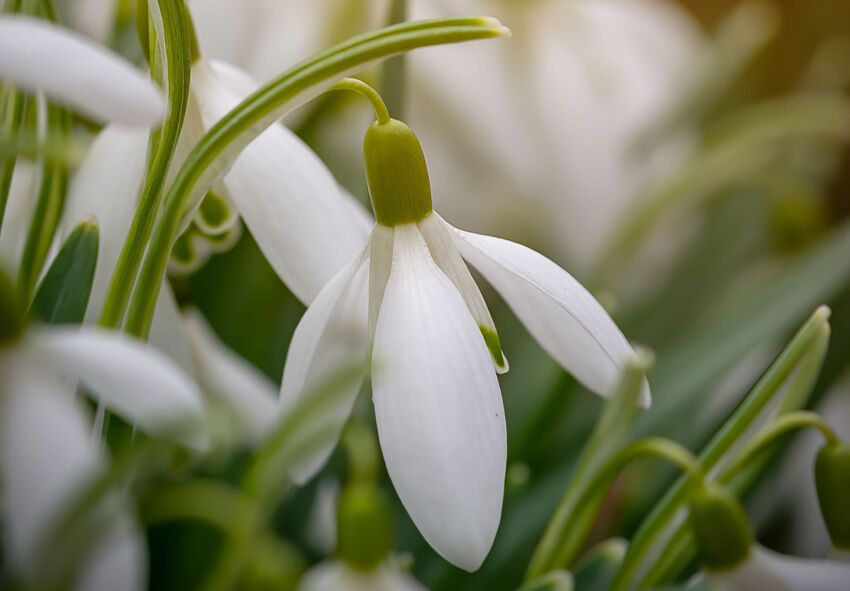
Choosing the right planting time helps snowdrops develop healthy roots and establish successfully. The ideal timing depends partly on whether you are planting dormant bulbs or actively growing plants.
The Best Time to Plant Snowdrop Bulbs
Dormant snowdrop bulbs are generally planted in autumn, before the ground freezes. This gives them time to begin developing roots before winter and prepares them for flowering in late winter or early spring. Planting in early autumn can be beneficial, but the soil should not be excessively warm or dry for long periods.
Snowdrop bulbs can be more sensitive to drying out than many other spring-flowering bulbs. For this reason, buy firm, healthy bulbs and plant them as soon as possible after purchase. Bulbs that become shriveled or remain dry for too long may establish poorly.
If you are planting snowdrops in autumn, prepare the soil in advance and choose a location where moisture levels remain reasonably consistent without waterlogging. Once planted, water if the soil is dry and natural rainfall is insufficient.
Planting Snowdrops in Different Climates
In regions with cold winters, autumn planting usually gives snowdrop bulbs time to establish before the ground freezes. Choose a planting period that allows some root development while avoiding prolonged exposure to warm, dry conditions. In milder climates, the planting window may be longer, but soil moisture remains important. Avoid planting when the ground is waterlogged or during periods of extreme heat.
Another option is to plant snowdrops in the green. This means planting them while their leaves are still present, usually shortly after flowering in late winter or spring. Plants sold in the green are often easier to establish than dormant bulbs that have dried out during storage. Handle their roots gently and plant them promptly.
Always consider your local climate and the condition of the planting material. Snowdrops may flower in their first season after planting, but flowering can vary depending on bulb quality, planting time, and how well the plants establish.
Choosing the Right Location for Galanthus
Snowdrops grow naturally in woodland habitats, where they receive light in early spring before trees develop their full canopy. Recreating similar conditions in the garden can help them thrive.
Sunlight and Shade Requirements
Galanthus generally grow well in partial shade, especially beneath deciduous trees and shrubs. These locations receive sunlight in late winter and early spring, when snowdrops are actively growing, and become shadier as the tree canopy fills out.
Snowdrops can also grow in sunny locations, provided the soil does not dry out excessively during their growing season. In warmer regions, partial shade can help protect plants from intense sunlight and heat. Consider planting snowdrops:
- Under deciduous trees: They receive spring light before the canopy fills out.
- Along shaded borders: They add early color to areas that may be quiet during winter.
- In woodland-style gardens: They look natural when planted in groups among trees, shrubs, and other shade-tolerant plants.
- Near paths and entrances: Their delicate flowers can be appreciated up close during late winter and early spring.
Avoid locations that become extremely dry during the growing season or remain waterlogged for extended periods. A suitable balance of light, moisture, and drainage is more important than finding a perfectly shaded spot.
Ideal Soil Conditions and Drainage
Snowdrops prefer humus-rich soil that retains some moisture while allowing excess water to drain away. Soil similar to a woodland floor, enriched with decomposed leaves and other organic matter, can provide favorable growing conditions.
Before planting, assess your soil. Heavy clay that stays saturated during winter may increase the risk of bulb rot, while very sandy soil can dry out quickly. Improve suitable garden soil with mature compost or leaf mold to support soil structure and moisture retention. In heavy soil, improving drainage is particularly important.
The soil should remain slightly moist during active growth, but it should not be continuously waterlogged. Snowdrops often become dormant after their foliage dies back, so their moisture needs change throughout the year. Good drainage helps bulbs remain healthy during this resting period.
Avoid adding excessive fertilizer or fresh manure directly around the bulbs. Snowdrops generally do not require heavy feeding when grown in reasonably fertile soil. Improving the soil with suitable organic matter before planting is often sufficient.
How to Plant Galanthus
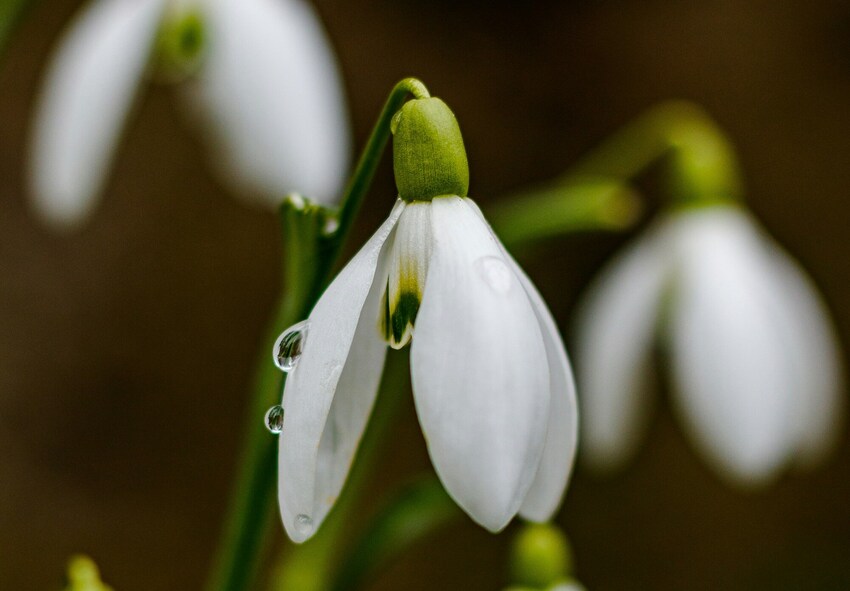
Planting snowdrops correctly gives them a better chance of establishing healthy roots and producing flowers in future seasons. Before you begin, check whether you have dormant bulbs or plants in the green, as these require slightly different handling.
Preparing the Soil Before Planting
Start by removing weeds, stones, and plant debris from the planting area. Loosen the soil gently to make it easier for roots to develop, taking care not to work the ground when it is saturated. If the soil is poor or compacted, incorporate mature compost or leaf mold. This improves the soil structure and helps create a suitable environment for root growth. In areas with heavy soil, consider raising the planting area slightly or choosing a better-drained location rather than allowing bulbs to sit in wet ground.
Plan your planting arrangement before placing the bulbs. Snowdrops often look most natural when planted in small groups or irregular clusters rather than in perfectly straight rows. You can create several groups of different sizes to give the planting a relaxed, woodland-inspired appearance. Water the soil lightly before planting if it is very dry. It should be workable and slightly moist, not muddy or saturated.
How Deep and Far Apart to Plant Snowdrops
Planting depth and spacing influence how well snowdrop bulbs establish and how the display develops over time. As a general guide, dormant bulbs are commonly planted about 2–3 inches (5–8 cm) deep, measured from the base of the bulb to the soil surface. However, follow the supplier’s recommendations for the particular bulbs you purchase.
Space bulbs roughly 2–3 inches (5–8 cm) apart for a natural-looking group. You can plant them more closely for a fuller display, but leave enough room for the plants to grow and gradually form clumps. To plant dormant snowdrop bulbs:
- Dig small holes or a shallow planting area to the recommended depth.
- Place each bulb with its pointed end facing upward, if its orientation is clear.
- Cover the bulbs with soil and gently firm the surface.
- Water if the soil is dry.
- Mark the planting area so you can avoid disturbing it while the bulbs are dormant.
If you cannot identify the top of a bulb easily, avoid forcing it into position or damaging it while handling. Follow any specific instructions supplied with your planting material. Snowdrops can take time to establish, and the initial display may be modest. With suitable growing conditions, the planting can gradually become fuller in subsequent years.
Planting Snowdrop Bulbs or Plants in the Green
Dormant bulbs and snowdrops in the green are both useful planting options, but they should not be treated exactly the same way. Plant dormant bulbs in autumn, using healthy, firm bulbs that have not dried out excessively. Position them at the recommended depth, cover with soil, and water if necessary.
Plant snowdrop plants in the green after flowering while the leaves are still green. Keep the roots moist during handling, avoid letting the plants dry out. Transplant Galanthus in winter or as soon as possible after purchase. Place each clump at approximately the same depth at which it was previously growing, covering the roots while keeping the base of the leaves at a natural level.
Plants in the green are often sold in small clumps. Planting them in groups can help create an established-looking display more quickly than planting individual dormant bulbs, although results depend on plant condition and growing conditions.
After planting, water thoroughly enough to settle the soil around the roots. Continue monitoring moisture while the foliage remains green, especially during dry weather. Do not pull or cut off the leaves after flowering; they help the plants replenish the energy needed for future growth.
Common Mistakes When Planting Galanthus
Snowdrops are relatively low-maintenance once established, but a few planting mistakes can slow their development or cause bulbs to fail. Paying attention to depth, drainage, moisture, and foliage care can make a significant difference:
- Planting bulbs too deeply or too shallowly: Incorrect planting depth can affect establishment. Use the recommended depth for your bulbs, and check supplier instructions if the bulb size or variety differs from the norm.
- Choosing poorly drained soil: Bulbs planted in persistently wet ground may rot. Choose a well-drained location and improve the soil structure where appropriate, rather than planting directly into waterlogged soil.
- Allowing newly planted snowdrops to dry out: Snowdrops need adequate moisture while establishing and growing. Water when conditions are dry, but avoid keeping the soil saturated.
- Cutting back foliage too early: Green leaves continue photosynthesizing after flowering. Let them yellow and die back naturally before removing them, so the bulbs can replenish their energy reserves.
- Expecting newly planted snowdrops to establish immediately: Some plantings may take time to develop into substantial clumps. Flowering and growth depend on bulb condition, planting time, and local conditions, so give the plants time to settle in.
Avoiding these common errors helps create a healthier planting and improves the chances of seeing snowdrops return in the following seasons.
How to Help Snowdrops Return Every Year
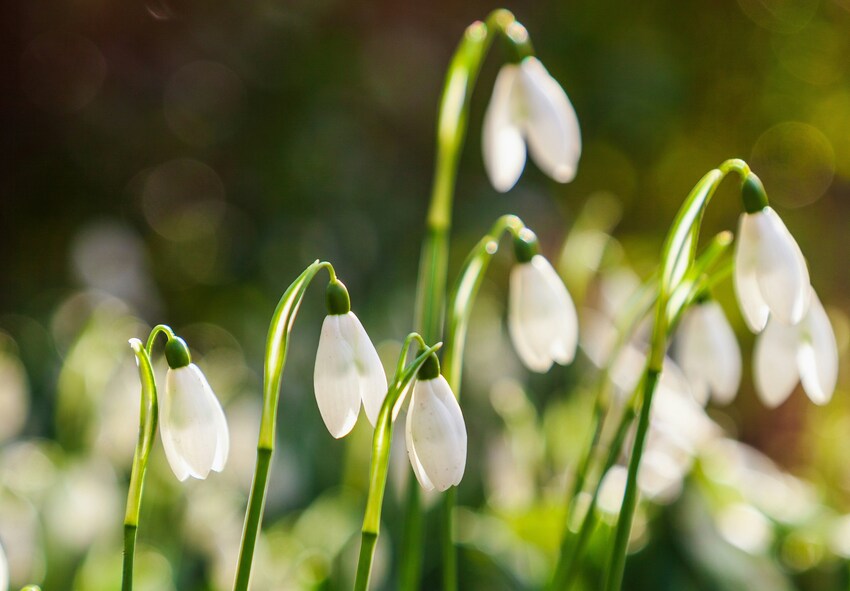
One of the greatest advantages of planting Galanthus is that established snowdrops can return year after year. They do not usually need complicated care, but a few simple practices can support healthy growth and gradually fuller displays:
After flowering, the leaves continue producing energy that the bulbs store for the next growing season. Wait until the foliage yellows and withers before removing it. Keep the soil reasonably moist while the plants are actively growing, particularly during dry spells. Once the foliage dies back, avoid excessive watering and make sure the planting area drains well.
Snowdrops generally establish best when left undisturbed. Avoid digging through established clumps or repeatedly moving bulbs, as this can damage roots and interrupt their growth. If a planting becomes crowded or you want to create more groups, divide established clumps after flowering while the foliage is still green. Replant the divisions promptly, keeping the roots moist and planting at their previous depth.
Over time, suitable conditions and minimal disturbance can help snowdrops form natural-looking groups beneath trees, along borders, and in woodland-style gardens. Pair them with other early-flowering plants for a succession of seasonal colors.
Conclusion
Planting Galanthus is a simple way to bring fresh color to the garden at the end of winter. These delicate flowers grow best in suitable soil with good drainage, consistent moisture during active growth, and light conditions that resemble their natural woodland habitat.
For the best results, plant dormant bulbs in autumn or choose plants in the green and transplant them carefully after flowering. Pay attention to planting depth, avoid waterlogged soil, and allow the foliage to die back naturally.
Although newly planted snowdrops may need time to establish, established clumps can return each year and gradually create a beautiful early-spring display. With the right planting conditions and a little patience, snowdrops can become a dependable and charming feature of your garden for many seasons!
Frequently Asked Questions (FAQs) about Planting Galanthus
1. When is the best time to plant Galanthus?
The best time to plant dormant Galanthus bulbs is generally autumn, before the ground freezes. This allows the bulbs to begin developing roots before winter. Snowdrops can also be planted in the green, shortly after flowering while their leaves are still present. The ideal timing depends on your climate and planting material.
2. Can I order Galanthus bulbs in your online store?
Yes, you can look for Galanthus bulbs in our online store Dutch-bulbs.com, subject to seasonal availability. Depending on the selection, snowdrops may be offered as dormant bulbs or plants in the green. Check each product description for planting recommendations, bulb or plant specifications, and availability so you can choose the right option for your garden.
3. How deep should snowdrop bulbs be planted?
Snowdrop bulbs are generally planted about 2–3 inches (5–8 cm) deep, although the recommended depth can vary with bulb size and supplier instructions. Space them approximately 2–3 inches apart for a natural-looking display. Plant bulbs in well-drained soil, cover them gently, and water if the ground is dry after planting.
4. Do snowdrops prefer sun or shade?
Snowdrops grow well in partial shade, particularly beneath deciduous trees and shrubs. These locations provide sunlight in early spring before the canopy fills out. They can also grow in sunnier areas if the soil retains enough moisture. Choose a site with well-drained soil and avoid places that become excessively dry or waterlogged.
5. How can I help snowdrops flower again next year?
Allow snowdrop foliage to yellow and die back naturally after flowering. The leaves produce energy that the bulbs store for the following season. Keep the soil reasonably moist while plants are actively growing, avoid unnecessary disturbance, and ensure good drainage. Established snowdrops can gradually form larger clumps when growing conditions are suitable.
Published: 26.10.2026