



Flowering is not the end of the amaryllis growing cycle. Once the colorful blooms fade, the bulb enters an important period of leaf growth and energy storage. Providing the right amaryllis care after blooming helps the bulb remain healthy and gives it a better chance of flowering again in a future season.
After flowering, the basic cycle continues: flowering is followed by leaf growth, bulb replenishment, a resting or dormant period, and eventually new growth and flowering. During this time, deadheading, proper watering, feeding, sufficient light, and appropriate preparation for dormancy all have a role to play. Understanding what to do with amaryllis after blooming is particularly important if you want to maintain the bulb for future years rather than treating it as a one-season plant. Our gardening blog is a perfect place to find all the information you need!
What to Do With Amaryllis After Blooming
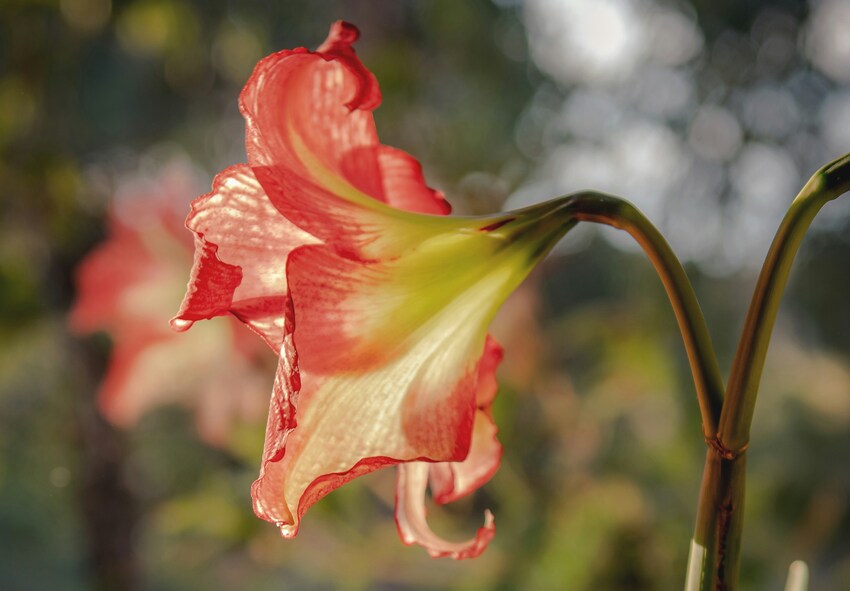
The main goal of amaryllis post-bloom care is to help the bulb rebuild the energy reserves it needs for future growth. Once the flowers have faded, don’t immediately stop caring for the plant. Remove spent flowers, keep healthy green leaves, provide suitable light, continue appropriate watering, and feed the plant while it is actively growing. Later, as the leaves naturally decline, watering can be reduced and the bulb can be allowed to enter its resting period if your growing method calls for dormancy.
Remove Faded Flowers
Once the flowers have faded, remove them rather than allowing the plant to put unnecessary energy into seed production. You can cut the individual spent flowers away from the flower stalk. Once the entire flower stalk begins to yellow or decline, cut it back close to the bulb while taking care not to damage the leaves.
Removing faded flowers is an important part of amaryllis care after flowering because it keeps the plant tidy and allows its resources to be directed toward maintaining the bulb and foliage rather than developing seeds. However, don’t confuse the flower stalk with the leaves. The leaves should generally remain in place while they are green and actively growing.
Caring for Amaryllis Leaves After Flowering
The leaves play an essential role after flowering. Although the flowers may have disappeared, the plant is still actively working to replenish its bulb.
Why Amaryllis Leaves Matter
Green amaryllis leaves use light for photosynthesis, producing energy that helps replenish the bulb after flowering. This stored energy can contribute to future growth and flowering. For this reason, healthy leaves should not be removed simply because the flowers have finished.
Keeping the foliage healthy is one of the most important parts of amaryllis bulb care. Place the plant somewhere with adequate light and continue providing appropriate water and nutrients while the leaves remain actively green.
When Should You Cut Amaryllis Leaves?
Allow healthy leaves to remain green and active for as long as possible. They should generally be removed only when they naturally yellow and decline or when there is a specific reason to do so.
Avoid cutting healthy green foliage prematurely. Removing the leaves too early reduces the plant’s ability to photosynthesize and replenish its bulb. When the leaves have completely yellowed or dried, they can be removed carefully. This natural decline usually indicates that the plant is moving toward its resting period.
Watering Amaryllis After Flowering
After flowering, amaryllis continues growing leaves and needs appropriate moisture to rebuild energy reserves. The goal is to keep the plant hydrated without leaving the soil constantly wet. Follow these rules:
- Continue watering while the plant is actively growing: Keep watering as long as green leaves are developing and the plant is producing new growth.
- Let the soil dry slightly between waterings: Allow the surface and upper layer of the growing medium to dry before watering again.
- Avoid waterlogged soil: Constantly wet conditions can contribute to root or bulb rot, especially when drainage is poor.
- Adjust watering to growing conditions: Light levels, room temperature, pot size, and drainage all affect how quickly the soil dries.
- Reduce watering gradually: As the leaves begin to yellow and the plant moves toward dormancy, slowly reduce the amount and frequency of watering.
- Avoid sudden changes while leaves are healthy: Green foliage still supports the bulb, so don’t stop watering simply because flowering has finished.
Light and Temperature After Flowering
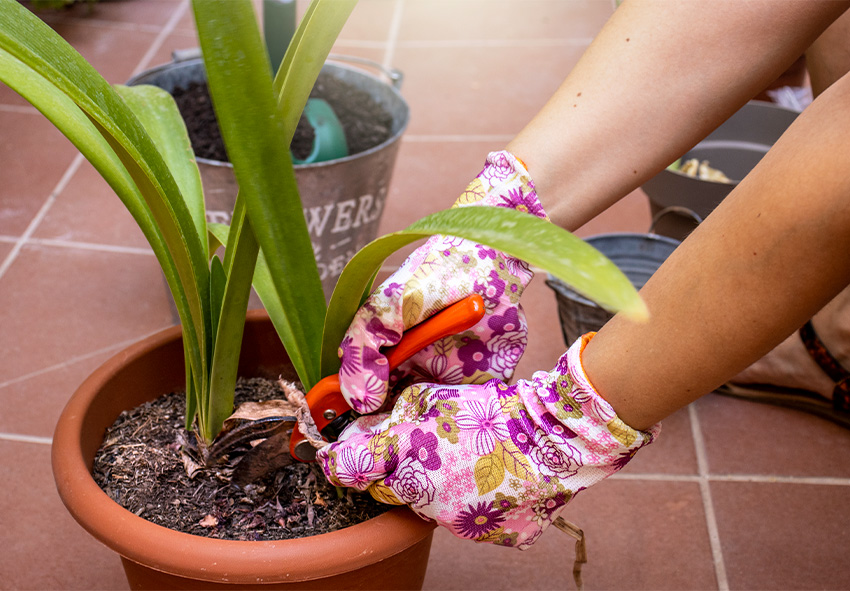
Good light remains important even after the flowers have faded. Place the amaryllis in a bright location where its leaves can receive sufficient light for photosynthesis. Turn the pot periodically if the leaves are leaning strongly toward one direction. This can help encourage more even growth and prevent the plant from becoming noticeably lopsided.
Avoid placing the plant directly beside a radiator, heater, or other intense source of dry heat. Excessive heat can increase water loss and create stressful growing conditions. During active growth, moderate indoor temperatures are generally suitable. Slightly cooler conditions can help slow excessive growth, while very warm conditions combined with insufficient light may result in long or weak leaves.
As the plant approaches dormancy, its environmental needs change. The aim is to gradually transition from active growth toward a suitable resting period rather than forcing the plant into dormancy while it is still producing healthy foliage.
How to Prepare Amaryllis for Dormancy
A resting period can be part of the reblooming cycle for many amaryllis bulbs, although the exact approach varies with the cultivar and growing method. The purpose of this period is to allow the bulb to rest after its active growth phase before new growth is encouraged.
Reduce Watering
As the foliage naturally begins to yellow and decline, gradually reduce watering. This signals a transition from active growth toward dormancy. Do not force the plant into dormancy while the leaves are still actively green unless you are following a specific cultivation method that calls for it.
The leaves should have an opportunity to contribute to the bulb’s energy reserves. Once the foliage has naturally died back, watering can be reduced substantially or stopped during the resting period, depending on the cultivation method and growing conditions.
Allow the Leaves to Decline
Natural yellowing of the leaves is part of the plant’s transition into its resting stage. Once leaves have completely yellowed or dried, remove them carefully. Don’t cut healthy green leaves simply to make the plant enter dormancy faster. The active foliage is still contributing to the bulb. During this stage, inspect the bulb for signs of damage, excessive moisture, or rot. Keeping the bulb clean and dry is important during its resting period.
Move the Bulb to a Suitable Resting Location
Once the bulb has entered dormancy, a cool, dry, and relatively dark location can be suitable for the resting period, depending on your growing method. The bulb should be protected from freezing temperatures and excessive moisture. Avoid storing it somewhere damp, as persistent moisture can increase the risk of rot.
If the bulb remains in its pot, make sure the container and growing medium are suitable for the resting period. The important goal is to provide conditions that allow the bulb to rest without becoming excessively wet or exposed to damaging cold.
Feeding Amaryllis After Blooming
Once flowering is over, amaryllis enters an important period of leaf growth and bulb recovery. Providing suitable nutrition during this active phase can help the bulb replenish the reserves needed for future growth:
- Feed during active leaf growth: Fertilizer is most useful while the plant is producing and maintaining healthy green leaves.
- Use a balanced fertilizer: Choose a suitable balanced fertilizer and apply it according to the product label.
- Feed consistently rather than excessively: Regular, moderate feeding is preferable to applying large amounts at once.
- Consider the growing medium: Plants in nutrient-poor potting mixes may rely more heavily on supplemental fertilizer.
- Avoid overfertilizing: Excess nutrients can damage roots and create unnecessary stress.
- Reduce or stop feeding during dormancy: Once the plant has naturally entered its resting period, active fertilization is generally no longer needed.
How Long Should Amaryllis Rest Before Blooming Again?
There is no single resting period that guarantees flowering on a specific date. The length of the rest can vary according to the bulb, cultivar, growing method, previous growing conditions, and environmental conditions. A healthy bulb needs adequate time to recover from flowering and rebuild its reserves. If the plant has been weakened by insufficient light, premature leaf removal, poor watering, or other stress, it may need more time before producing another strong flowering cycle.
Reblooming is therefore not always synchronized to a fixed calendar date. Rather than focusing entirely on a particular flowering date, focus on the condition of the bulb and the completion of its growth and resting cycle. If you’re learning how to get amaryllis to bloom again, patience is just as important as watering, feeding, and light.
If you’re learning how to prepare wax amaryllis to rebloom, it’s important to remember that waxed amaryllis bulbs are handled differently from potted bulbs because they are typically grown without soil and water. For potted amaryllis, the length of the resting period can vary depending on the growing method, bulb condition, and environmental conditions.
Repotting Amaryllis After Flowering
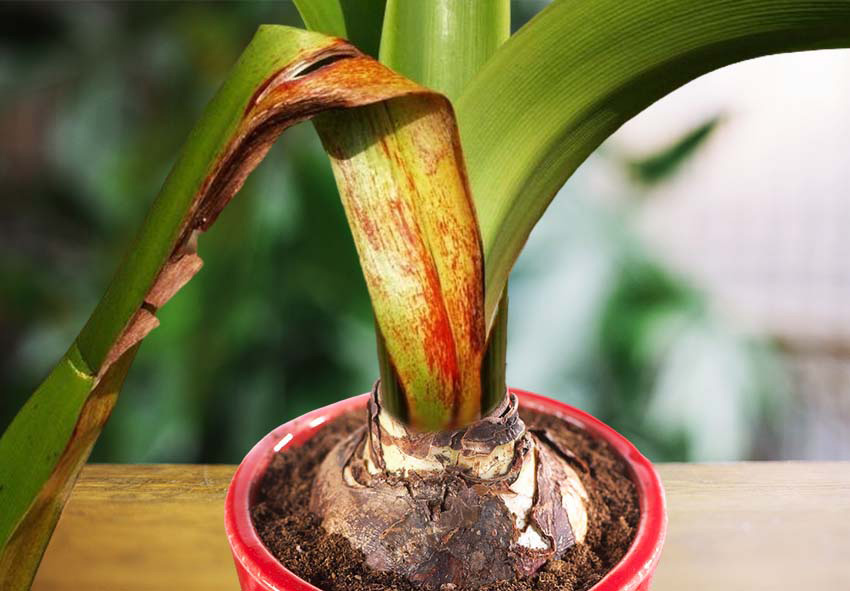
Repotting is not always necessary immediately after flowering. If the plant is healthy, the container drains well, and there is enough room for the bulb and roots, it may be better to avoid unnecessary disturbance. When repotting is needed, choose a container with drainage holes. Avoid selecting a pot that is excessively large because a large volume of wet growing medium can remain moist around the bulb for longer.
Use a well-draining growing medium suitable for bulbs or indoor plants. Position the bulb so that its upper portion remains above the growing medium rather than burying it completely. Repotting can be useful when the existing growing medium has deteriorated, the container no longer provides adequate space, or the plant needs fresh growing conditions. Handle the roots carefully and avoid unnecessary damage.
Conclusion
Amaryllis after blooming still requires active care. Once the flowers fade, the plant enters an important period in which healthy leaves help replenish the bulb’s energy reserves. Continue providing suitable light, water the plant appropriately, and feed it moderately while it is actively growing. Avoid cutting green leaves too early, overwatering the bulb, or rushing the plant into dormancy.
As the foliage naturally declines, gradually reduce watering and allow the bulb to enter an appropriate resting period if your growing method requires one. With consistent amaryllis care after blooming, a healthy bulb can continue its natural growth cycle and potentially reward you with beautiful flowers in future seasons.
Frequently Asked Questions (FAQs) about Amaryllis After Blooming
1. What should I do with amaryllis after it blooms?
After amaryllis finishes flowering, remove the faded flowers and continue caring for the green leaves. Keep the plant in a bright location, water when the growing medium begins to dry, and feed during active leaf growth. The leaves help replenish the bulb’s energy reserves and support healthy growth during the next flowering cycle.
2. Can I order amaryllis in your online store?
Yes, you can order amaryllis from an online store Dutch-bulbs.com, depending on seasonal availability and the varieties offered. When choosing bulbs, look for firm, healthy specimens without soft spots, visible rot, or significant damage. Planting and care requirements can vary, so check the product information before ordering.
3. Should I cut off amaryllis leaves after flowering?
No, healthy green amaryllis leaves should generally be left in place after flowering. They continue photosynthesizing and help the bulb rebuild its energy reserves. Allow the leaves to grow naturally until they begin to yellow and decline. Once foliage has dried or naturally died back, it can be removed before or during the plant’s resting period.
4. How often should I water amaryllis after blooming?
Water amaryllis when the growing medium has started to dry, rather than keeping it constantly moist. The exact frequency depends on light, temperature, pot size, and drainage. Continue watering while the plant has healthy green leaves, then gradually reduce watering as the foliage yellows and the plant moves toward its resting period.
5. How can I encourage amaryllis to bloom again?
To encourage reblooming, give amaryllis plenty of light and allow its leaves to remain healthy after flowering so the bulb can replenish its reserves. Provide suitable nutrition during active growth and follow an appropriate resting period if your growing method requires one. Healthy bulbs with adequate reserves are better prepared for another flowering cycle.
Published: 07.10.2026