



Winter aconite is one of the earliest flowering perennials to awaken the garden after winter. With cheerful golden-yellow blooms appearing sometimes through melting snow, this charming plant brings one of the first bright signals of spring.
Known botanically as Eranthis hyemalis, winter aconite is prized for its ornamental value and remarkably low-maintenance character. Its cup-shaped flowers, surrounded by a collar of finely cut green bracts, resemble tiny suns scattered across the ground. Blooming before many trees leaf out, the plant creates luminous carpets of yellow that brighten woodland edges, borders, and naturalized garden spaces.
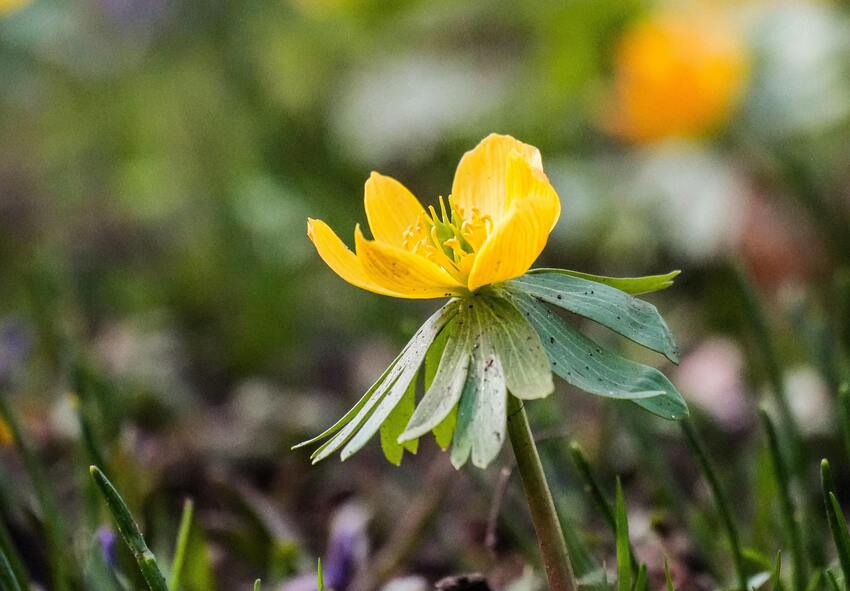
Its compact habit makes it particularly useful for planting beneath deciduous trees, along pathways, or in mixed spring displays with snowdrops and crocuses. Few plants offer such early beauty with so little effort, which is why winter aconite remains a treasured choice in ornamental gardens.
Its appeal extends to both beginner gardeners and experienced flower enthusiasts looking for reliable early spring interest. Because it requires little attention once established and spreads naturally over time, winter aconite is ideal for gardeners who want bold seasonal color without demanding care. Our gardening blog is a perfect place to find all the information you need!
History and Origin of Winter Aconite
Winter aconite originates from woodland habitats in southern and central Europe, where it grows naturally in forest glades, open slopes, and lightly shaded meadows. In these environments, it emerges before trees form their leaf canopy, taking advantage of spring sunlight while the forest floor is still bright.
Over time, this woodland species made its way from natural landscapes into cultivated gardens, where it became valued for its unusually early flowering season. In many regions, it can bloom while snow still lingers, making it one of the first true signs of spring.
Its popularity also comes from its adaptability and resilience. Once established in favorable conditions, Eranthis hyemalis can naturalize and form expanding colonies that return year after year. This ability to spread gradually makes it especially prized in woodland-style gardens.
Botanically, the plant grows from small bulbs that store energy during dormancy. This allows it to emerge rapidly in late winter or very early spring. After flowering, the foliage continues briefly before dying back naturally, allowing the plant to rest underground until the following season.
These biological traits help explain its low-maintenance reputation and why it performs so well when grown in conditions that resemble its native habitat.
Choosing a Planting Site
Selecting the right location is essential for healthy growth and reliable flowering. Although winter aconite enjoys sunlight in early spring, it performs best in sites that provide a balance of light, protection, and moisture retention.
Finding the Right Light Conditions
Winter aconite grows best in bright locations with gentle spring sun. It benefits from sunshine before trees leaf out but appreciates protection from prolonged harsh direct sunlight later in the season. This makes it especially well suited for planting beneath deciduous trees and shrubs.
These sites provide a natural rhythm of spring light followed by summer shade, closely matching the plant’s woodland origins. They also offer shelter from drying winds, which supports healthier growth.
Using Trees and Shrubs as Protective Planting Sites
Planting beneath shrubs and deciduous trees creates ideal microclimates for Eranthis hyemalis. These areas often retain moisture better and protect delicate early growth from exposure. Positioning plants in lightly shaded woodland-style settings also enhances their natural appearance, allowing them to form charming drifts that look effortless and organic.
Creating the Best Conditions for Naturalizing
A thoughtfully chosen location encourages winter aconite to spread over time. Stable moisture, shelter, and dappled spring light help the plant establish and naturalize into impressive flowering carpets. When planted in suitable locations, these small perennials often become increasingly beautiful with each passing season.
Soil and Site Preparation
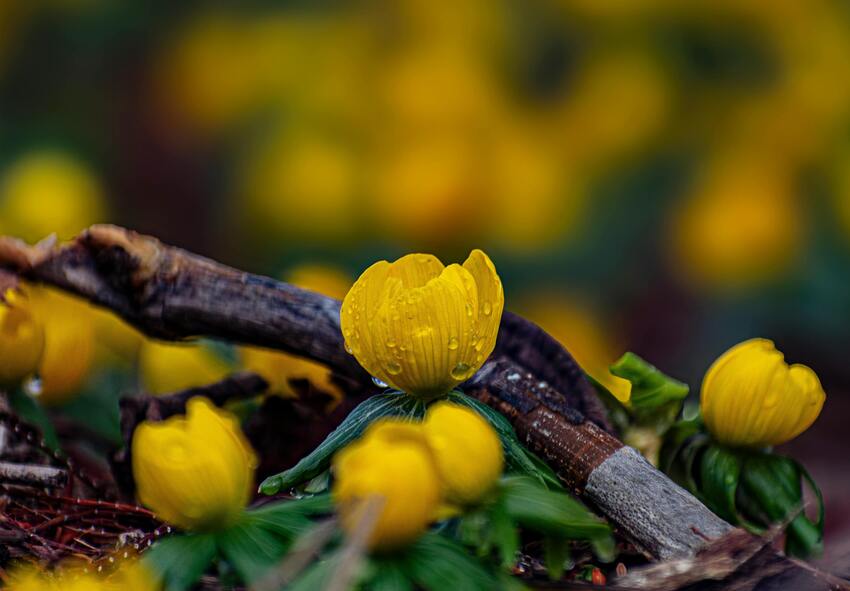
Good soil preparation provides the foundation for vigorous growth and long-term success. Winter aconite prefers nutrient-rich soils with excellent structure and drainage.
Improving Soil with Organic Matter
Before planting, enriching the soil with compost or humus helps improve fertility and moisture balance. Organic matter creates a loose, friable texture that supports healthy root and tuber development. Rich woodland-style soil is particularly beneficial, reflecting the conditions where the plant naturally thrives.
Preparing Heavy Soils for Better Drainage
In heavier soils, drainage improvements may be necessary to prevent excess winter moisture from causing tuber rot. For better preparation, focus on these important steps:
- Incorporate compost and leaf mold to improve texture and nutrient availability.
- Add grit or coarse sand where drainage is poor, especially in clay soils.
- Use slightly raised planting areas if the garden tends to remain wet in winter.
- Remove weeds and competing roots before planting so bulbs establish without competition.
- Loosen the soil thoroughly to encourage healthy underground growth.
Well-prepared soil supports stronger plants and more abundant flowering in early spring.
Eliminating Competition Before Planting
Clearing competing vegetation before planting allows Eranthis hyemalis bulbs access to moisture and nutrients. Reduced competition helps young plantings establish more quickly and naturalize successfully over time.
Planting Winter Aconite
Correct planting plays a major role in achieving dense, impressive spring displays. Timing and technique both influence how well winter aconite establishes. Autumn is the ideal planting season, allowing bulbs to settle before winter dormancy. Fresh bulbs should be planted as soon as possible, as they can dry out quickly.
Planting bulbs Correctly
Eranthis bulbs should be planted shallowly in prepared soil, typically several centimeters deep, with enough spacing to allow natural spread. Proper depth helps protect the bulbs while encouraging strong emergence in spring. Soaking very dry bulbs briefly before planting may help improve establishment.
Spacing and Group Planting
Rather than planting Eranthis individually, winter aconite is often most effective planted in groups. Mass plantings create dramatic carpets of gold and allow the flowers to make stronger visual impact. Grouped planting also supports a more natural appearance and enhances the woodland character many gardeners seek.
Care During the Season
Winter aconite requires little maintenance, but simple seasonal care supports healthy plants and reliable blooming year after year.
Watering and Feeding
During active growth in spring, moderate moisture supports flowering and foliage development. The soil should remain lightly moist but never waterlogged. A modest application of balanced fertilizer or compost in early growth can support vigor, though excessive feeding is unnecessary.
Managing Foliage and Seasonal Cleanup
After flowering, allow foliage to remain until it naturally dies back. This period allows the plant to store energy in its bulbs for the following year. In autumn, removing excessive fallen leaves can help prevent overly wet conditions while keeping planting areas healthy. Regular attention, though minimal, helps maintain strong recurring displays.
Preparing Winter Aconite for Winter
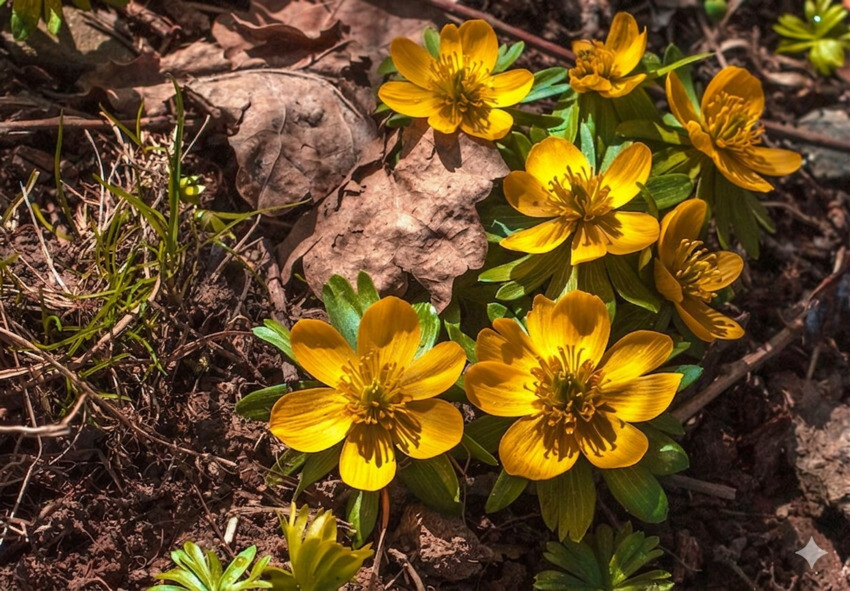
Winter aconite is notably hardy and usually tolerates frost very well. In most climates, established plants require little winter intervention.
Protecting Plants in Harsh Winters
In particularly severe climates, a light mulch of dry leaves or organic material can provide extra protection. This helps buffer extreme temperature swings while insulating the soil.
Managing Winter Moisture
Moisture control is often more important than cold protection. Poorly drained soils can lead to tuber rot during winter dormancy, so ensuring drainage remains effective is essential. With proper winter preparation, plants emerge reliably each spring with minimal effort.
Conclusion
Winter aconite is one of the most rewarding early-spring perennials for gardeners seeking brightness at the very start of the season. Its glowing yellow flowers, natural charm, and low-maintenance nature make it a standout addition to woodland gardens, borders, and naturalized spaces.
With the right planting location, well-prepared soil, and simple seasonal care, Eranthis hyemalis establish into healthy colonies that return year after year. Their cheerful blooms bring life to the garden when little else is flowering, making them a true herald of spring and a delight for gardeners of every experience level!
Frequently Asked Questions (FAQs) about Winter Aconite
1. When does winter aconite bloom and how long does it flower?
Winter aconite usually blooms in very early spring, often from late winter into early spring depending on climate conditions. In mild seasons, flowers may appear while snow is still present. Blooming generally lasts several weeks, especially in cool weather. Established colonies often provide a longer display and return reliably each year with increasing floral impact.
2. Can winter aconite grow under trees and in shaded gardens?
Yes, winter aconite grows especially well beneath deciduous trees and shrubs where it receives sunlight in early spring before leaves emerge. These woodland-like conditions closely resemble its natural habitat. Light shade and wind protection support healthy growth, while rich, well-drained soil allows the bulbs to naturalize and gradually form beautiful flowering carpets.
3. Can I order winter aconite from your online store?
Yes, you can order winter aconite bulbs from our online store Dutch-bulbs.com, including quality bulbs suitable for naturalizing in borders, woodland gardens, and spring displays. Healthy planting material gives the best establishment and flowering results. Availability may vary by planting season, so it is worth checking our selection when autumn planting time approaches.
4. How often should winter aconite be watered?
Winter aconite generally needs only moderate moisture and usually benefits from natural spring rainfall. During active growth, soil should remain lightly moist but never waterlogged. In dry springs, occasional watering may support flowering, but excessive moisture should be avoided. Once dormant after spring, the plant requires little to no supplemental watering during summer.
5. How do I encourage winter aconite to spread naturally?
To help winter aconite naturalize, plant bulbs in groups in suitable woodland-style conditions and allow foliage to die back naturally after flowering. This lets the bulbs store energy for future growth. Avoid disturbing established clumps, maintain rich organic soil, and provide consistent drainage. Over time, colonies often expand and create impressive early spring displays.
Published: 01.05.2026