



Double flowering lilies are among the most elegant and eye-catching flowers you can add to a garden. Known for their lush layers of petals and rose-like appearance, these stunning blooms bring sophistication and color to outdoor spaces. Unlike traditional lilies, Rose Lilies are pollen-free, making them cleaner and more convenient for home gardens and floral arrangements.
In recent years, Rose Lilies have become increasingly popular among gardeners because of their beauty, long-lasting blooms, and easy maintenance. They work beautifully in flower beds, borders, and containers while also serving as impressive cut flowers. In this article, you’ll learn about the benefits of growing double flowering lilies, the best Rose Lily varieties, planting tips, and how to care for them successfully. Our gardening blog is a perfect place to find all the information you need!
What Are Double Flowering Lilies?
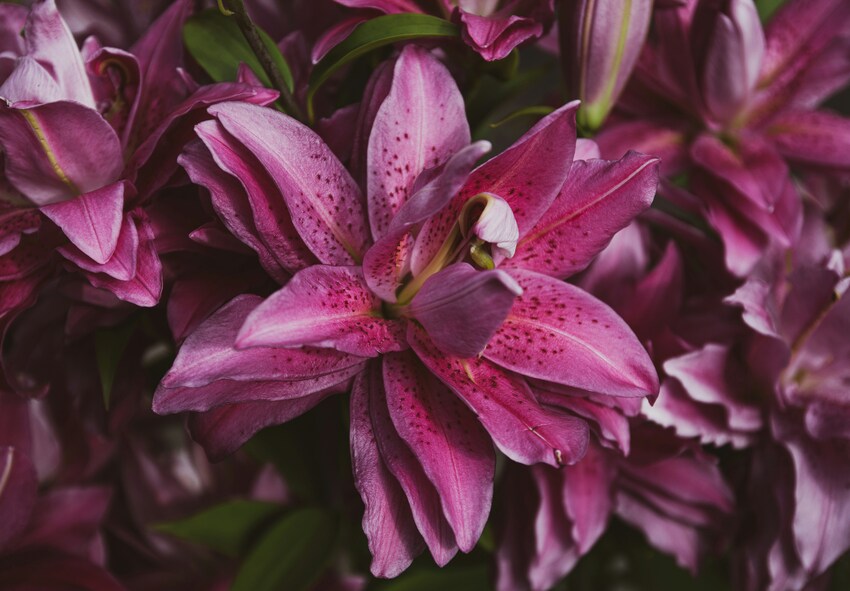
Double flowering lilies are a special type of oriental lily known for their extra petals and luxurious blooms. Their flowers appear fuller and softer than traditional lilies, creating a more romantic and decorative appearance. These lilies are especially popular in modern garden design because they combine elegance with low-maintenance care.
Rose Lilies are also highly valued for being pollen-free, which makes them ideal for bouquets and allergy-sensitive gardeners. Their unique flower structure and vibrant colors make them stand out in any landscape.
Understanding Double Bloom Structure
Double flowering lilies have multiple layers of petals instead of the standard six petals found in traditional lilies. This gives the flowers a fuller and more textured appearance. Their blooms often resemble roses or peonies, which is why they attract so much attention in gardens and floral arrangements.
Difference Between Traditional Lilies and Rose Lilies
Traditional lilies usually have visible stamens covered in pollen, while Rose Lilies are pollen-free. This makes Rose Lilies cleaner and easier to use indoors. Rose Lilies also tend to have more layered petals, giving them a richer and more luxurious appearance compared to standard lilies.
Why They Are Called Rose Lilies
These flowers are called Rose Lilies because their blooms closely resemble roses. Their layered petals create a soft and romantic flower shape. The resemblance to roses makes them especially popular in decorative gardens and bouquets.
Benefits of Growing Double Flowering Lilies
Growing double flowering lilies offers many advantages for gardeners. These elegant flowers combine beauty, fragrance, and practicality in one plant. They are suitable for both beginner and experienced gardeners because they require relatively simple care.
In addition to their stunning appearance, Rose Lilies improve garden aesthetics and attract pollinators. Their long-lasting blooms make them valuable in both landscapes and flower arrangements.
Perfect for Flower Beds and Borders
Double flowering lilies add height, color, and texture to flower beds. Their upright growth habit makes them excellent focal points in borders and mixed plantings. They pair beautifully with perennials, ornamental grasses, and seasonal flowers.
Excellent Cut Flowers for Bouquets
Rose Lilies are highly valued as cut flowers because their blooms last a long time in vases. Their pollen-free flowers also prevent staining on furniture and clothing. These lilies create elegant floral arrangements for homes and special occasions.
Low-Maintenance Garden Plants
Despite their luxurious appearance, Rose Lilies are surprisingly easy to grow. Once established, they require minimal maintenance beyond regular watering and occasional feeding. Their hardy nature makes them a reliable choice for many garden styles.
Attract Pollinators to the Garden
The fragrant blooms of double flowering lilies attract bees and butterflies to the garden. Pollinators help support healthy ecosystems and improve biodiversity. Adding pollinator-friendly flowers also creates a more lively and vibrant outdoor space.
Suitable for Small and Large Gardens
Rose Lilies grow well in both compact gardens and large landscapes. Their vertical growth habit allows them to fit into smaller spaces without overwhelming other plants. They are also suitable for container gardening on patios and balconies.
Popular Rose Lily Varieties
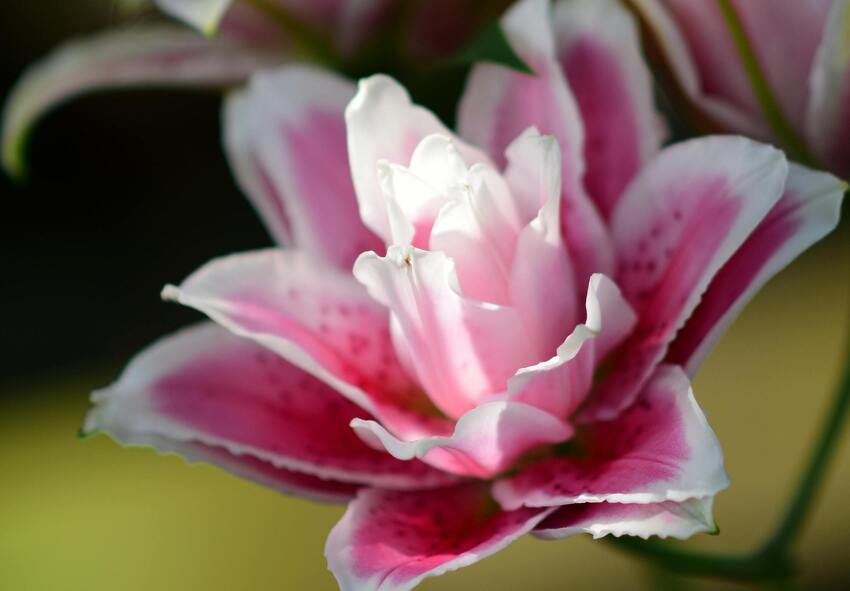
There are many beautiful Rose Lily varieties available, each offering unique colors and bloom styles. Choosing the right variety allows gardeners to create personalized flower displays that match their landscape design.
Some varieties are known for their strong fragrance, while others stand out because of their dramatic colors and large blooms:
- Rose Lily ‘Anouska’: Rose Lily ‘Anouska’ features soft pink petals with a delicate layered appearance. Its elegant blooms create a romantic and graceful garden display. This variety is especially popular in cottage-style gardens and floral arrangements.
- Rose Lily ‘Samantha’: ‘Samantha’ is known for its deep pink blooms and strong visual impact. The flowers are large, full, and highly decorative. This variety works beautifully as a centerpiece in flower beds.
- Rose Lily ‘Aisha’: Rose Lily ‘Aisha’ produces bright white blooms with a refined appearance. Its clean and classic color makes it suitable for modern garden designs. White lilies also combine well with colorful companion plants.
- Rose Lily ‘Isabella’: ‘Isabella’ features soft pastel blooms with a luxurious double-petal structure. Its elegant appearance adds sophistication to any outdoor space. This variety is ideal for decorative borders and containers.
Choosing the Best Variety for Your Garden
When selecting a Rose Lily variety, consider flower color, plant height, and your garden style. Some varieties work better in containers, while others are ideal for large flower beds. Choosing multiple varieties can create a longer blooming season and more dynamic displays.
How to Grow Double Flowering Lilies
Growing double flowering lilies is relatively simple when you provide the right conditions. Proper planting techniques and good soil preparation help ensure healthy growth and abundant blooms. These lilies thrive in sunny locations with well-drained soil. Careful planning before planting helps prevent common growing problems. With proper attention, Rose Lilies can bloom beautifully year after year.
Choosing the Right Planting Location
Rose Lilies grow best in locations with plenty of sunlight and good airflow. Choose a spot that receives at least six hours of direct sunlight daily. Avoid low areas where water tends to collect after rain.
Best Soil for Rose Lilies
Double flowering lilies prefer rich, well-draining soil with plenty of organic matter. Soil that retains too much moisture can cause bulb rot. Adding compost or sand helps improve drainage and soil structure.
Sunlight Requirements
Rose Lilies thrive in full sun to partial shade. More sunlight usually leads to stronger stems and better flowering. In extremely hot climates, light afternoon shade may help protect blooms.
Planting Lily Bulbs Correctly
Plant lily bulbs with the pointed side facing upward. Proper bulb orientation helps encourage healthy root and stem development. Bulbs should be planted in loose soil to allow easy root growth.
Spacing and Depth Guidelines
Plant bulbs approximately 6–8 inches deep and space them 8–12 inches apart. Proper spacing improves airflow and reduces disease risk. Avoid overcrowding bulbs to ensure strong and healthy plants.
Caring for Rose Lilies
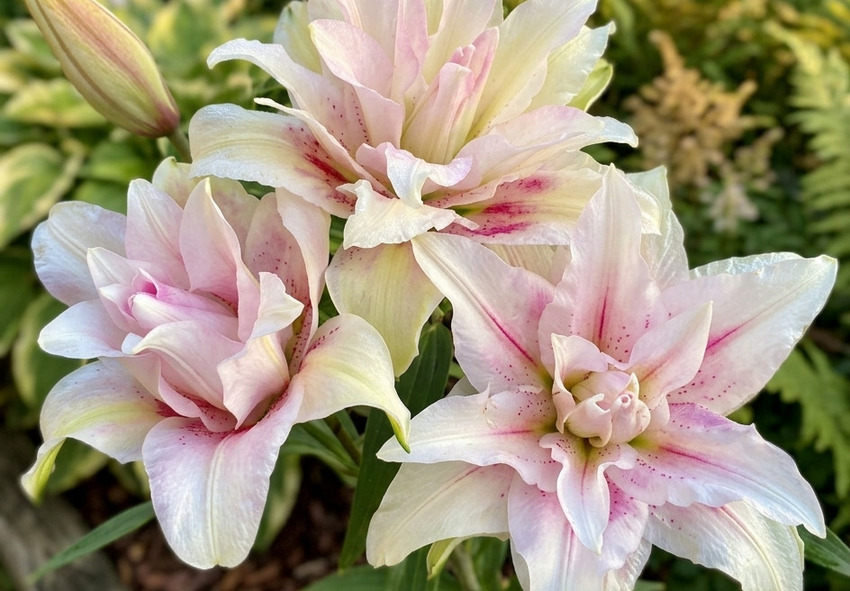
Proper care for lilies helps your plants produce larger blooms and healthier foliage. Although these lilies are relatively easy to maintain, consistent watering and feeding improve flowering performance. Seasonal care also helps bulbs remain healthy for future growth:
- Watering Double Flowering Lilies: Rose Lilies prefer evenly moist soil but should not sit in waterlogged conditions. Deep watering once or twice a week is usually enough during active growth. Allowing the top layer of soil to dry slightly between watering helps prevent root problems.
- Fertilizing for Healthy Blooms: Use a balanced flower fertilizer during the growing season to support strong blooms. Feeding lilies in spring and early summer encourages healthy growth. Avoid excessive fertilizer, which may weaken stems and foliage.
- Mulching Tips: Applying mulch around lilies helps retain soil moisture and regulate temperature. Organic mulch also reduces weed growth around the plants. Keep mulch slightly away from the stems to prevent excess moisture buildup.
- Supporting Tall Lily Stems: Some Rose Lily varieties produce tall stems with large blooms that may bend in strong wind or rain. Garden stakes provide extra support and prevent damage. Supporting stems early helps maintain a neat appearance.
- Deadheading and Seasonal Care: Remove faded flowers to help the plant focus energy on bulb development instead of seed production. Leave foliage in place until it turns yellow naturally. This allows nutrients to return to the bulb for next year’s blooms.
Growing Rose Lilies in Containers
Growing Rose Lilies in containers is an excellent option for gardeners with limited space. These elegant flowers thrive in pots when provided with proper drainage, sunlight, and care. Container gardening also allows you to move the plants easily to highlight different areas of your patio, balcony, or garden.
Choosing the Right Pot
Choose a large container with drainage holes to prevent excess moisture buildup. Pots that are at least 12–16 inches deep provide enough space for healthy root growth. Heavy containers made from ceramic or terracotta are ideal because they offer better stability for tall lily stems.
Best Potting Mix
Rose Lilies grow best in loose, well-draining potting soil rich in organic matter. A mix designed for flowering plants works well for container-grown lilies. Adding perlite or coarse sand improves drainage and helps prevent bulb rot.
Container Care Tips
Container-grown lilies may dry out faster than garden-planted bulbs, especially during warm weather. Check soil moisture regularly and water when the top layer becomes dry. Place containers in sunny locations where plants receive enough light for healthy blooming.
Winter Protection for Potted Lilies
In colder climates, potted lilies may need extra protection during winter. Move containers to sheltered areas or cover them with insulating material during freezing temperatures. Proper winter care helps protect bulbs and encourages healthy growth the following season.
Common Problems and Solutions
Even though Rose Lilies are relatively low-maintenance plants, they can still experience some common growing issues. Identifying problems early helps prevent damage and keeps your lilies healthy and productive. Proper care and good garden conditions significantly reduce the risk of disease and poor flowering:
- Yellow Leaves: Yellowing leaves are often caused by overwatering, poor drainage, or nutrient deficiencies. Excess moisture around the bulbs can stress the plant and affect leaf color. Improving drainage and adjusting watering habits usually helps restore healthy foliage.
- Poor Flowering: Poor blooming may result from insufficient sunlight, overcrowded bulbs, or lack of nutrients. Lilies need enough light and space to produce large flowers. Applying balanced fertilizer and dividing overcrowded bulbs can improve flowering performance.
- Pests and Diseases: Aphids, lily beetles, and fungal diseases are among the most common problems affecting lilies. These pests may damage leaves, stems, and flowers if left untreated. Inspect plants regularly and remove affected foliage when necessary to prevent spreading.
- Bulb Rot: Bulb rot is typically caused by waterlogged soil and poor drainage. Soft or discolored bulbs are signs of rot and should be removed immediately. Planting bulbs in well-drained soil is the best way to prevent this issue.
How to Keep Lilies Healthy
Healthy lilies require proper watering, sunlight, spacing, and occasional feeding. Maintaining good airflow around plants also reduces disease risk. Removing dead foliage and faded blooms keeps the plants looking neat and encourages healthy growth.
Cut Flower Benefits of Double Flowering Lilies
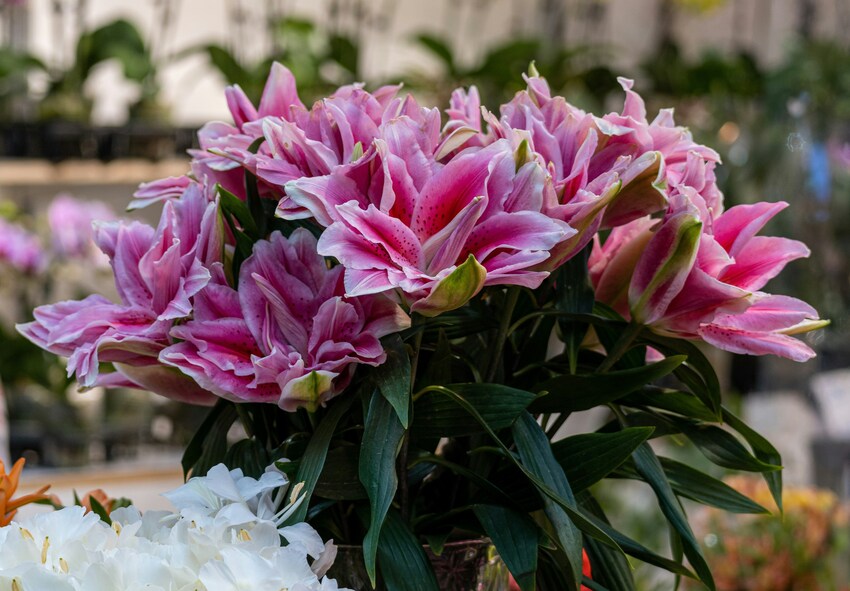
Double flowering lilies are highly valued as cut flowers because of their elegant appearance and long-lasting blooms. Their large layered petals create luxurious floral arrangements suitable for homes, weddings, and special occasions. Rose Lilies are especially popular because they are pollen-free and cleaner to use indoors.
Why Florists Love Rose Lilies
Florists appreciate Rose Lilies for their dramatic appearance and long-lasting freshness. The layered petals create fuller arrangements without needing many additional flowers. Their pollen-free blooms also prevent stains on fabrics and furniture, making them ideal for indoor use.
How to Cut Lilies for Arrangements
Cut lilies early in the morning when stems are fully hydrated. Use clean, sharp scissors and leave enough foliage on the plant to support bulb health. Placing freshly cut stems in water immediately helps maintain flower quality.
Extending Vase Life
To extend vase life, change the water every few days and trim the stems regularly. Keeping arrangements away from direct sunlight and heat also helps flowers last longer. With proper care, Rose Lily blooms can remain fresh for over a week indoors.
Conclusion
Double flowering lilies are a perfect choice for gardeners who want elegant, long-lasting, and low-maintenance flowers. Their luxurious rose-like blooms, pollen-free petals, and strong decorative appeal make them stand out in flower beds, borders, and containers. Whether used in landscapes or floral arrangements, Rose Lilies bring beauty and sophistication to any space.
By providing proper planting conditions, regular care, and seasonal maintenance, you can enjoy healthy blooms year after year. Start growing Rose Lilies in your garden today and transform your outdoor space with these stunning flowers. Visit our online plant store to explore premium Rose Lily bulbs and find the perfect varieties for your garden!
Frequently Asked Questions (FAQs) about Double Flowering Lilies
1. Are Rose Lilies easy to grow?
Yes, Rose Lilies are relatively easy to grow and suitable for both beginner and experienced gardeners. They thrive in sunny locations with well-drained soil and require only basic maintenance such as regular watering and occasional fertilizing. With proper care, these double flowering lilies produce stunning blooms year after year with minimal effort.
2. Do double flowering lilies have fragrance?
Many double flowering lilies have a pleasant fragrance that adds extra appeal to gardens and floral arrangements. Some Rose Lily varieties produce a light, sweet scent, while others have a stronger perfume-like aroma. Their fragrance attracts pollinators such as bees and butterflies, helping create a more vibrant and lively garden environment.
3. Can I order Rose Lily bulbs from your online store?
Yes, you can order premium-quality Rose Lily bulbs directly from our online store Dutch-bulbs.com. We offer a variety of beautiful double flowering lily varieties suitable for gardens, borders, and containers. Our bulbs are carefully selected and packaged to ensure healthy growth and successful blooming in your outdoor space.
4. Are Rose Lilies pollen-free?
Yes, one of the biggest advantages of Rose Lilies is that they are pollen-free. Unlike traditional lilies, they do not produce messy pollen that can stain clothing, furniture, or table surfaces. This makes them ideal for indoor bouquets, wedding arrangements, and households where people may have pollen sensitivities or allergies.
5. How long do Rose Lily blooms last?
Rose Lily blooms are known for their long-lasting beauty. In the garden, flowers can remain attractive for several weeks depending on weather conditions and care. As cut flowers, they often stay fresh in vases for more than a week when stems are trimmed regularly and water is changed frequently.
Published: 19.05.2026