



Fritillaria is a striking spring-flowering bulb known for its unusual bell-shaped blooms and elegant stems. These plants add unique structure and color to garden beds, borders, and naturalized areas. While fritillaria is generally considered easy to grow, it can sometimes face pest and disease problems that affect growth and flowering.
Understanding common issues helps gardeners take early action and prevent serious damage. Many problems arise from environmental conditions, improper planting, or lack of monitoring. Identifying these factors early improves plant health and ensures reliable blooms. With proper care and prevention, fritillaria can remain healthy and thrive for many seasons. Our gardening blog is a perfect place to find all the information you need!
Why Fritillaria Plants Need Protection
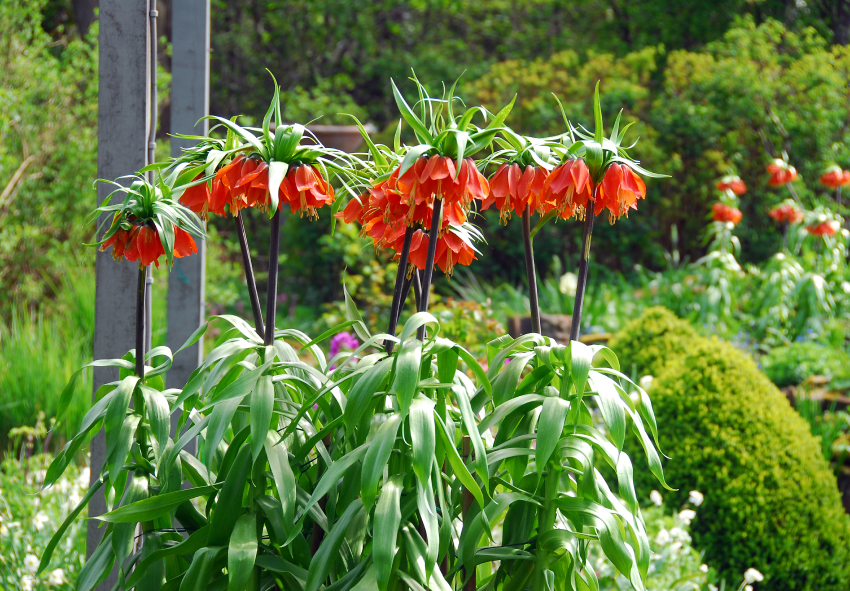
Fritillaria bulbs are sensitive to excessive moisture and certain pests. Without proper protection, plants may struggle to grow or fail to bloom. Healthy bulbs are essential for strong stems and attractive flowers.
Environmental stress can also weaken fritillaria plants. When plants become stressed, they are more vulnerable to diseases and pest attacks. Providing stable growing conditions helps prevent these issues. Regular observation and simple preventive measures significantly reduce risks. Healthy plants are better able to resist pests and recover from minor damage.
Common Challenges When Growing Fritillaria
Fritillaria plants are generally easy to grow, but certain conditions can lead to common problems. Understanding these challenges helps gardeners take preventive measures and maintain healthy plants. Most issues are related to soil conditions, moisture levels, or pest activity, and they can be managed with proper care:
- Bulb Rot from Poor Drainage: Excess moisture is one of the most common problems when growing fritillaria. Waterlogged soil can quickly damage bulbs before they begin to grow. This issue is especially common in heavy clay or compacted soils with poor drainage.
- Pest Damage from Insects and Rodents: Beetles, rodents, and other pests may attack fritillaria bulbs and plants. These pests can damage leaves, stems, and bulbs, weakening the plant. Early detection and regular inspection help reduce the risk of severe damage.
- Weak Growth Due to Poor Soil Conditions: Poor-quality soil can limit root development and slow plant growth. Lack of nutrients and compacted soil may result in weak stems and fewer flowers. Improving soil structure with organic matter helps promote stronger growth.
Importance of Early Problem Detection
Early detection makes pest and disease control much easier. Small infestations are easier to manage than severe outbreaks. Regular inspection helps identify warning signs. Look for discoloration, damaged leaves, or unusual growth patterns. These symptoms may indicate underlying issues. Quick action prevents further damage. Monitoring plants throughout the growing season improves success. Consistent care ensures healthy fritillaria plants.
Common Pests That Affect Fritillaria
Although fritillaria is relatively resistant to pests, several insects and animals may cause problems. These pests often target leaves, stems, or bulbs. Understanding their behavior helps with effective control.
Regular inspection is essential for identifying pests early. Healthy plants are less likely to suffer severe damage. Preventive care also reduces infestations. Proper garden hygiene helps minimize pest populations.
Lily Beetles and Their Damage
Lily beetles are one of the most common pests affecting fritillaria. These bright red beetles feed on leaves and stems. Severe infestations can weaken plants and reduce flowering. The larvae also feed on foliage and hide beneath a protective coating. This makes them difficult to detect. Regular inspection helps catch them early. Manual removal is often effective for small infestations. Removing beetles helps prevent population growth.
Aphids and Sap-Sucking Insects
Aphids feed on plant sap and weaken fritillaria plants. They often gather on young shoots and flower buds. This can lead to distorted growth. These pests may also spread plant diseases. Sticky residue on leaves is a common sign of aphids. Early treatment helps protect plants. Natural solutions like water sprays or mild treatments can control aphids. Regular monitoring reduces risk.
Slugs and Snails on Young Shoots
Slugs and snails often attack young fritillaria shoots. They feed on tender leaves and stems. Damage is usually visible as irregular holes. These pests are most active in damp conditions. Removing debris and keeping soil clean helps reduce their habitat. Barriers can also help protect plants. Manual removal is effective for small gardens. Regular checks prevent severe damage.
Rodents and Bulb Damage
Rodents may dig up fritillaria bulbs in search of food. Although some varieties have a strong scent that deters animals, damage can still occur. Bulb loss may reduce plant numbers. Protecting bulbs with planting baskets helps prevent damage. Garden hygiene also reduces rodent activity. Monitoring helps detect problems early. Healthy planting practices minimize risks.
Environmental Conditions That Cause Problems
Environmental factors play a major role in fritillaria health. Poor conditions can weaken plants and encourage pests or diseases. Proper planting conditions reduce risks. Understanding environmental needs helps prevent issues. Healthy conditions support strong growth. Consistent care improves plant resilience. Careful planning ensures success.
Poor Drainage and Overwatering
Poor drainage is one of the main causes of fritillaria problems. Excess moisture leads to bulb rot. Plants may fail to grow. Improving drainage helps prevent damage. Raised beds or sandy soil are ideal. Balanced watering supports healthy growth. Avoid overwatering to reduce risk.
Improper Soil Conditions
Heavy clay soil can trap moisture around bulbs. This increases the risk of disease. Poor soil also limits root growth. Adding compost improves soil quality. Light soil supports healthy roots. Good soil structure promotes growth. Proper soil preparation prevents issues.
Temperature Stress and Weather Damage
Sudden temperature changes can stress fritillaria plants. Frost may damage early shoots. Extreme heat can slow growth. Protecting plants during extreme weather helps. Mulch can regulate soil temperature. Healthy plants tolerate stress better. Monitoring weather improves care.
Identifying Fritillaria Diseases
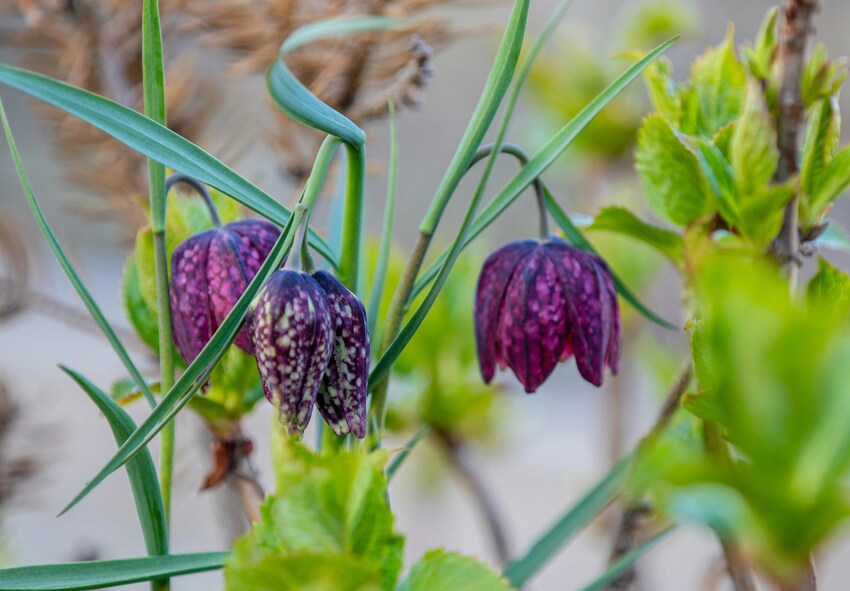
Diseases affecting fritillaria are often linked to moisture and poor air circulation. Early detection is essential for preventing spread. Healthy growing conditions reduce disease risk. Most diseases can be avoided with proper care. Good drainage and spacing improve plant health. Regular inspection helps identify symptoms. Taking action early improves plant recovery.
Fungal Diseases and Bulb Rot
Fungal diseases often cause bulb rot in fritillaria. Excess moisture encourages fungal growth. Affected bulbs may become soft and discolored. Preventing waterlogged soil helps reduce risk. Well-drained soil is essential for healthy bulbs. Proper planting depth also helps. Removing infected bulbs prevents spread. Healthy bulbs should be replanted.
Leaf Spot and Foliage Problems
Leaf spot diseases appear as dark or discolored spots on leaves. These infections can weaken plants. Severe cases reduce flowering. Improving airflow helps reduce moisture buildup. Avoid watering leaves directly. Healthy conditions reduce disease risk. Removing damaged leaves helps prevent spread. Regular care supports recovery.
Mold and Moisture-Related Issues
Mold can develop in damp conditions with poor airflow. This often affects foliage and stems. Symptoms include fuzzy or powdery growth. Reducing humidity helps control mold. Proper spacing improves airflow. Healthy plants resist infections better. Maintaining dry foliage helps prevent problems.
Natural and Organic Pest Control Methods
Natural pest control methods are safe and effective for fritillaria plants. These approaches help reduce pest populations without harming beneficial insects. Organic solutions are especially useful for maintaining a healthy garden environment.
Using natural methods also prevents chemical buildup in the soil. Many gardeners prefer these techniques for long-term sustainability. Consistent use of organic control methods can significantly reduce pest damage.
Manual Removal of Pests
Manual removal is one of the simplest pest control methods. Inspect plants regularly and remove visible insects by hand. This method is effective for beetles and caterpillars. Removing pests early prevents population growth. Regular checks reduce infestation risks. This method works well in small gardens.
Natural Repellents and Barriers
Natural repellents help discourage pests from attacking plants. Organic sprays or protective barriers can reduce damage. These solutions are safe for the environment. Barriers such as mulch or protective rings help deter slugs. Proper placement improves effectiveness. Preventive action protects plants.
Encouraging Beneficial Insects
Beneficial insects help control pests naturally. Ladybugs and other helpful insects feed on aphids and small pests. Encouraging these insects reduces infestations. Planting diverse flowers attracts beneficial insects. This improves garden balance. Healthy ecosystems support plant protection.
Chemical Control Options for Severe Problems
In severe cases, chemical control may be necessary. These solutions should be used carefully and only when needed. Proper application ensures safety and effectiveness. Chemical treatments should complement good gardening practices. Healthy plants require fewer treatments. Responsible use protects plants and the environment.
When to Use Plant Protection Products
Use chemical treatments only when infestations become severe. Minor problems can often be controlled naturally. Chemical solutions should be a last resort. Identify the pest before applying treatment. Targeted treatment improves results. Careful use protects beneficial insects.
Safe Application Tips
Apply treatments during calm weather. This prevents drift and improves effectiveness. Follow recommended dosage. Avoid spraying during peak pollinator activity. Early morning or evening is best. Safety precautions protect plants and insects.
Preventing Future Infestations
After treatment, monitor plants regularly. Preventive seasonal care for fritillaria reduces recurrence. Healthy conditions discourage pests. Improve soil and watering practices. Strong plants resist infestations. Long-term care improves plant health.
Preventing Pests and Diseases for Fritillaria
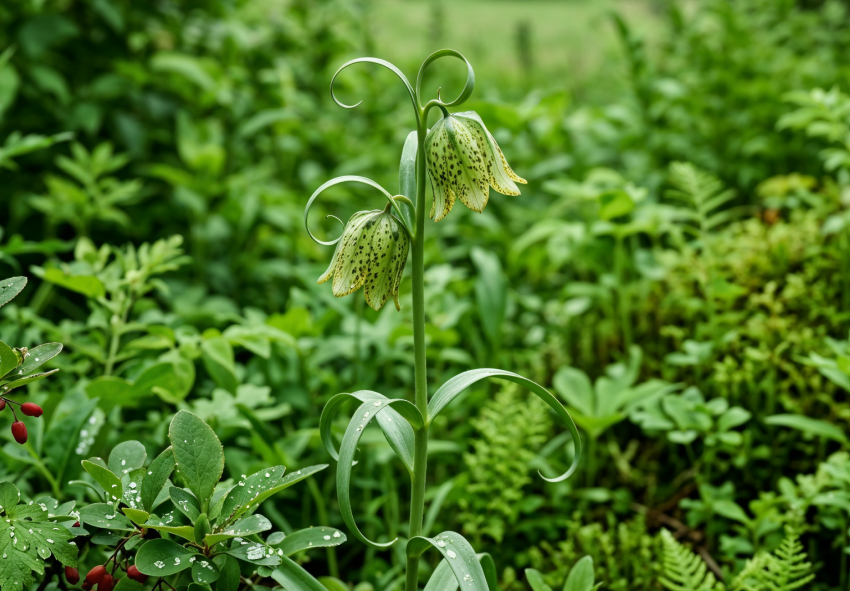
Preventive care is the best approach for growing healthy fritillaria. Simple steps can reduce pest and disease risks. Consistent care supports plant health. Healthy plants are naturally more resistant. Good growing conditions reduce stress. Prevention is easier than treatment:
- Proper Planting Techniques: Plant bulbs at the correct depth. This protects them from temperature changes. Proper planting encourages strong growth. Spacing bulbs allows good airflow. This reduces disease risk.
- Soil Preparation and Drainage Improvement: Prepare soil before planting. Add compost for better structure. Good drainage prevents bulb rot. Raised beds improve drainage. This is helpful in heavy soil. Healthy soil supports growth.
- Spacing and Air Circulation: Adequate spacing improves airflow. This reduces humidity around plants. Good airflow prevents disease. Avoid overcrowding. Plants need room to grow. Healthy spacing supports development.
Conclusion: Keeping Fritillaria Healthy and Strong
Fritillaria plants can thrive with proper care and attention. Understanding common pests and diseases helps gardeners prevent serious problems. Healthy planting conditions reduce risks and improve growth.
Regular monitoring, good drainage, and proper spacing support plant health. Preventive care is the most effective way to protect fritillaria. With simple maintenance and early detection, fritillaria can remain strong and vibrant for many seasons.
Frequently Asked Questions (FAQs) about Fritillaria Pests and Diseases
1. What are the most common pests that affect fritillaria plants?
The most common pests affecting fritillaria include lily beetles, aphids, slugs, and rodents. Lily beetles damage leaves and stems, while aphids weaken plants by feeding on sap. Slugs attack young shoots, and rodents may dig up bulbs. Regular inspection and early control help prevent serious damage and maintain healthy plants.
2. Can I order fritillaria bulbs from your online store?
Yes, you can order high-quality fritillaria bulbs directly from our online store Dutch-bulbs.com. We offer carefully selected varieties known for reliable growth and beautiful blooms. Our bulbs are suitable for borders, flower beds, and naturalized plantings, helping you create elegant spring displays with minimal maintenance.
3. Why are my fritillaria bulbs rotting in the soil?
Bulb rot usually occurs due to poor drainage or overwatering. Fritillaria bulbs are sensitive to excess moisture, which promotes fungal diseases. Planting in well-drained soil and avoiding waterlogged conditions helps prevent rot. Raised beds or adding sand and compost to the soil can significantly improve drainage and bulb health.
4. How can I prevent diseases in fritillaria plants?
Preventing diseases starts with proper planting and care. Ensure good drainage, adequate spacing, and proper airflow around plants. Avoid watering foliage directly and remove damaged leaves promptly. Healthy growing conditions reduce stress and improve plant resistance, helping fritillaria remain strong and less susceptible to fungal infections.
5. Are fritillaria plants naturally pest-resistant?
Many fritillaria varieties are relatively pest-resistant, especially due to their strong scent, which deters some animals. However, they can still be affected by insects and moisture-related diseases. Regular monitoring and proper care help prevent problems and ensure plants grow healthy and produce strong blooms.
Published: 21.04.2026