



Crocuses are among the most beloved early spring flowers, bringing color and life to gardens after the long winter months. Their delicate blooms often appear when little else is flowering, making them a welcome sign that the growing season has begun. Because of their compact size, ease of cultivation, and wide range of colors, crocuses are commonly planted in flowerbeds, borders, rock gardens, and even naturalized in lawns.
This article is intended for gardeners and bulb enthusiasts who want to better understand the characteristics of crocuses and learn how to care for them successfully. By understanding how these plants grow, flower, and reproduce, gardeners can enjoy healthy displays of crocuses that return year after year and create vibrant spring landscapes. Our gardening blog is a perfect place to find all the information you need!
Why Crocuses Appear Very Early in Spring
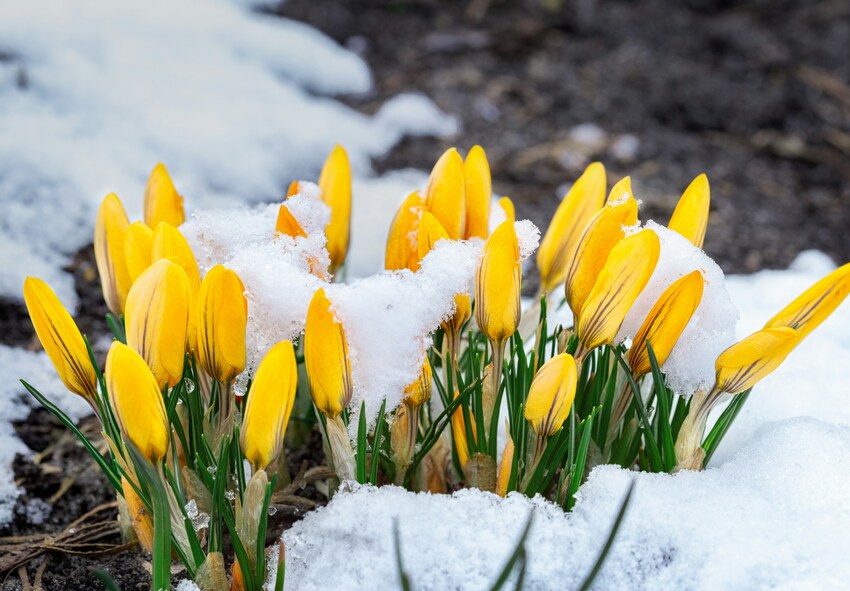
Crocuses are famous for being among the first flowers to bloom in spring. In many regions, their flowers emerge shortly after snow begins to melt, often providing one of the earliest sources of color in the garden. Their ability to flower so early is closely connected to their growth cycle and bulb structure.
Unlike many perennial plants that begin developing only when temperatures rise significantly, crocuses prepare for spring growth during the previous season. Their bulbs store energy and nutrients throughout the year, allowing them to respond quickly when favorable conditions return. As soon as soil temperatures begin to increase and daylight hours lengthen, the bulbs become active and send up shoots and flower buds.
The timing of flowering can vary depending on several factors. Different crocus varieties bloom at slightly different times, with some flowering in late winter and others waiting until mid-spring. Local climate conditions also play an important role. Gardens located in warmer regions often experience earlier blooms than those in colder areas.
Planting location matters as well, as crocus bulbs planted in sunny, sheltered spots usually emerge sooner than those growing in shaded locations. This combination of stored energy, favorable weather conditions, and suitable planting locations allows crocuses to become one of the first signs of spring in many gardens.
Do Crocuses Need to Be Dug Up Every Year
One of the most common questions gardeners ask concerns whether crocus bulbs need to be lifted and replanted annually. Fortunately, crocuses are relatively low-maintenance plants and generally do not require yearly digging.
General Recommendation
Most crocus varieties can remain in the same location for several years without any problems. The bulbs naturally multiply underground and continue producing flowers each spring. In many gardens, crocuses become more impressive over time as the planting gradually expands.
When Digging Up Is Recommended
Digging up crocus bulbs may be beneficial when the planting becomes overcrowded. As the bulbs multiply, competition for space and nutrients can increase, sometimes leading to reduced flowering performance. Lifting and dividing the bulbs helps restore vigor and encourages better blooming.
Additional Reasons for Replanting
Gardeners may also choose to dig up crocuses when redesigning flowerbeds, relocating plants to new areas, or refreshing older plantings. Dividing bulbs during dormancy allows new planting schemes to be created while maintaining healthy bulb populations.
How to Propagate Crocuses Correctly in the Garden
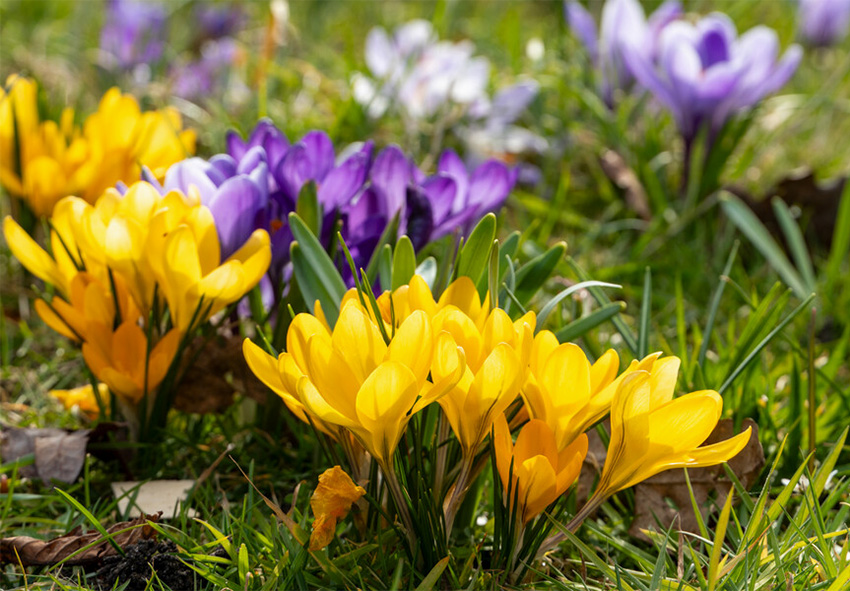
Crocuses are relatively easy to propagate, which is one of the reasons they are so popular among gardeners. With minimal intervention, a small group of bulbs can gradually expand into an impressive spring display. Understanding the main propagation methods helps gardeners maintain healthy plantings and increase the number of crocuses throughout the garden:
- Propagation by daughter bulbs – The most common propagation method occurs naturally underground. As the main bulb matures, it produces smaller daughter bulbs around its base. Over time, these bulbs grow large enough to flower independently and contribute to the expansion of the planting.
- Division and replanting – When crocus clumps become crowded, gardeners can lift and divide them during the dormant period. The daughter bulbs are separated from the parent bulb and replanted in new locations, creating additional flowering groups throughout the garden.
- Natural spreading over time – Even without active division, crocuses gradually spread as new bulbs continue to develop each year. This process increases the size and density of established plantings and helps create a more natural appearance.
Benefits of Natural Propagation
Natural propagation offers several advantages for gardeners. As crocus bulbs multiply over time, the plants produce increasingly dense clusters of flowers, creating more impressive and colorful spring displays. This gradual expansion requires very little maintenance, making crocuses an excellent choice for gardeners seeking long-lasting results with minimal effort.
The growing groups of blooms also enhance the overall visual impact of the landscape, providing larger areas of consistent spring color and creating a more natural, established appearance throughout the garden.
Best Places for Naturalized Crocus Plantings
Crocuses are particularly well suited to naturalized plantings because they can spread gradually and adapt to a variety of garden settings. Choosing the right location allows the bulbs to multiply naturally while creating attractive displays that return each spring. The following areas are among the most suitable locations for establishing long-lasting crocus colonies:
- Lawns – Crocuses can gradually spread through grassy areas, creating attractive carpets of spring flowers before the lawn begins active growth.
- Woodland gardens – Their early flowering habit makes crocuses well suited to planting beneath deciduous trees, where they receive sunlight before the canopy develops.
- Informal flowerbeds and borders – Natural spreading helps create established-looking plantings that blend seamlessly with other spring-flowering plants.
Under favorable growing conditions, these plants can continue multiplying for many years, allowing gardeners to create colorful compositions with crocuses and enjoy increasingly abundant displays with relatively little maintenance.
Why Do Crocus Leaves Turn Yellow After Flowering
Many gardeners become concerned when crocus leaves begin turning yellow shortly after flowering. However, this process is a normal and essential part of the plant’s life cycle.
Natural Stage of Plant Development
After the flowers fade, the leaves remain active for several weeks. During this period, the plant continues photosynthesis and produces energy that is transferred back into the bulb. The gradual yellowing of the foliage signals that this process is nearing completion.
Nutrient Storage for Future Growth
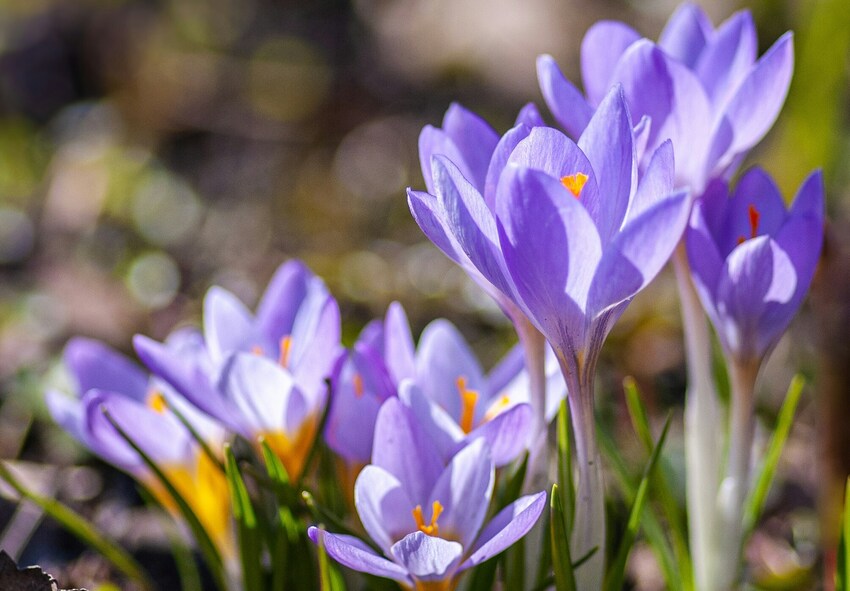
The nutrients collected by the leaves are stored within the bulb and serve as the energy reserve for next season’s growth and flowering. This stored energy enables crocuses to emerge quickly in spring and produce healthy blooms.
Why Leaves Should Not Be Removed Too Early
Although yellowing foliage may appear untidy, it is important not to cut the leaves back prematurely. Removing them too soon interrupts the transfer of nutrients to the bulb and can weaken future flowering. Gardeners should allow the leaves to die back naturally before removing them from the planting area.
Conclusion
Crocuses are reliable and rewarding spring-flowering bulbs that require relatively little maintenance while providing impressive seasonal displays. Understanding why they bloom so early, how they reproduce, when they should be divided, and why their leaves naturally die back helps gardeners care for them more effectively.
By respecting the natural growth cycle of crocuses and providing appropriate care throughout the year, gardeners can maintain healthy bulbs and enjoy vibrant spring flowering season after season. With proper management, these charming plants can continue to brighten gardens for many years!
Frequently Asked Questions (FAQs) about Crocuses
1. Why do crocuses bloom so early in spring?
Crocuses bloom very early because their bulbs store nutrients and energy from the previous growing season. As soon as soil temperatures begin to rise and daylight increases, the bulbs quickly become active and produce flowers. Their early blooming habit allows them to take advantage of sunlight before larger plants leaf out. Flowering time can vary depending on the variety, climate, and planting location within the garden.
2. How often should crocus bulbs be divided?
Most crocus bulbs do not require frequent division and can remain in the same location for several years. However, as the bulbs multiply, plantings may become overcrowded, leading to reduced flowering. Dividing the bulbs every three to five years is often sufficient to maintain healthy growth and vigorous blooms. The best time for division is during the dormant period after the foliage has completely died back.
3. Can crocuses spread naturally in the garden?
Yes, crocuses are well known for their ability to spread naturally over time. They reproduce primarily through daughter bulbs that form around the main bulb underground. As these bulbs mature, they produce their own flowers and gradually expand the planting area. Under favorable conditions, crocuses can form dense clusters and colorful carpets of blooms in lawns, borders, woodland gardens, and naturalized landscapes.
4. Should crocus leaves be removed after flowering?
It is generally not recommended to remove crocus leaves immediately after flowering. Although the foliage may begin to yellow and look untidy, it continues producing energy through photosynthesis. This energy is transferred back into the bulb and stored for next year’s growth and flowering. Removing the leaves too early can weaken the bulbs and reduce flowering performance in future seasons. Allowing natural dieback is the best approach.
5. Can I order crocus bulbs from your online store?
Yes, you can order a variety of crocus bulbs from our online store Dutch-bulbs.com, including early-, mid-, and late-flowering varieties in a range of colors and flower forms. Whether you are planning flower beds, borders, rock gardens, or naturalized lawn displays, there are options suitable for different garden styles. Choosing high-quality bulbs from a reliable supplier helps ensure healthy growth and beautiful spring flowering year after year.
Published: 16.06.2026