



The period after flowering is one of the most important stages in the life cycle of bulbous plants. While gardeners often focus on planting and enjoying the blooms, the care provided after flowering has a direct impact on the health of the bulbs and the quality of future displays. Proper post-flowering maintenance allows plants to recover, replenish their energy reserves, and prepare for the next growing season.
This topic is particularly relevant for gardeners and allotment owners who grow bulbous flowers and wish to preserve their ornamental value year after year without constantly replacing planting material. Whether growing tulips, daffodils, hyacinths, crocuses, or other bulbous species, understanding what happens after flowering is essential for long-term success.
Taking the right steps during this period helps bulbs build up the strength necessary for future growth and flowering. Even minimal but timely care can make a significant difference in the performance of plants during the following season. Our gardening blog is a perfect place to find all the information you need!
The Importance of Caring for Bulbous Plants After Flowering
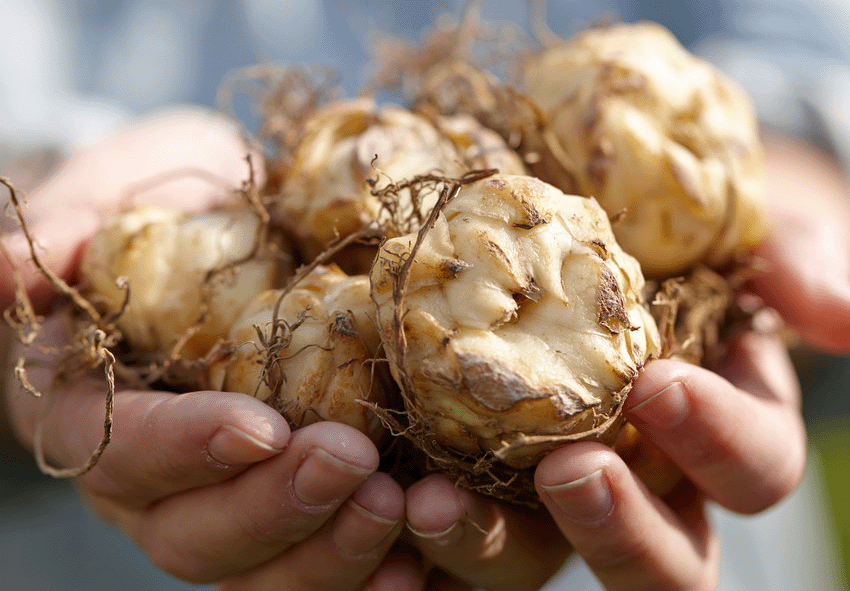
Many gardeners assume that once the flowers fade, the plant’s work is complete. In reality, the period following flowering is one of the most critical phases of development. During this time, the bulb continues to function actively underground and begins preparing for the next cycle of growth.
The leaves remain green for a reason. They continue to photosynthesize, producing energy that is transported and stored within the bulb. These stored nutrients become the fuel that supports root growth, shoot development, and flower production during the following season.
Proper post-flowering care helps ensure that bulbs remain healthy and capable of producing strong blooms year after year. If this stage is neglected, the bulbs may fail to accumulate sufficient reserves. As a result, future flowering may become weaker, stems may be smaller, and the overall vigor of the plants can decline.
Repeated neglect over several seasons can lead to a noticeable reduction in flowering performance and, in some cases, the eventual loss of the planting. Understanding the importance of this recovery period is therefore essential for maintaining healthy bulbous plants.
The Life Cycle of Bulbous Flowers After Flowering
Once flowering has ended, bulbous plants enter a new stage of development. Although the colorful blooms disappear, important biological processes continue beneath and above the soil surface.
Several changes typically occur during this phase:
- The flowers fade and gradually dry out.
- The leaves remain active and continue producing energy through photosynthesis.
- Nutrients are transported from the foliage back into the bulb.
- The bulb stores these reserves for future growth and flowering.
- The foliage slowly turns yellow and eventually dies back naturally.
- The plant enters a dormant period until the next growing season.
This process is entirely natural and generally requires little intervention when growing conditions are favorable. The gradual decline of the foliage should not be viewed as a problem but rather as an essential part of the plant’s annual cycle. Allowing the process to occur naturally helps ensure that the bulbs remain healthy and well prepared for future growth.
Is It Always Necessary to Intervene After Flowering?
Many gardeners are unsure how much attention bulbous plants require once their flowers have faded. While some maintenance can be beneficial, excessive intervention may actually interfere with the plant’s natural recovery process. Understanding when to take action and when to allow the plant to continue its life cycle undisturbed is an important part of successful bulb care.
Removing Spent Flowers
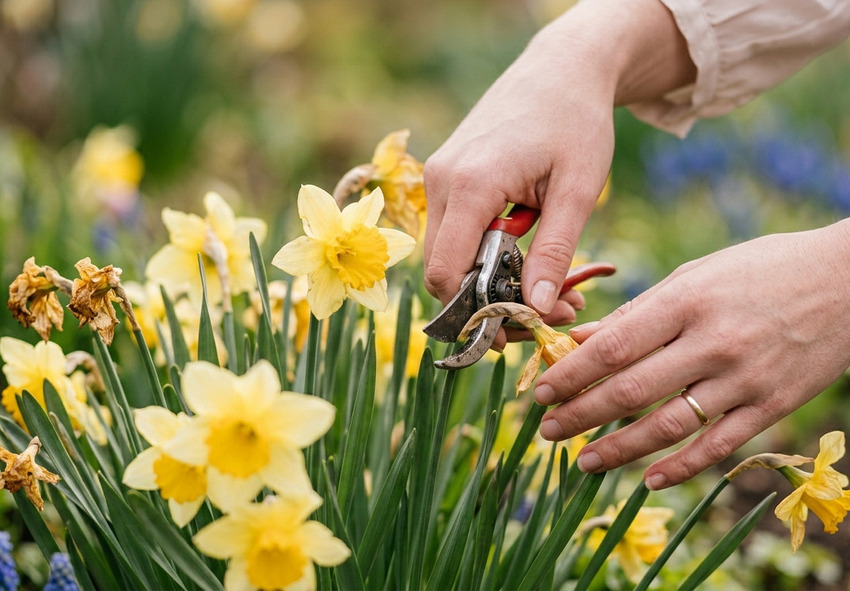
One of the few tasks that is often recommended after flowering is the removal of faded blooms. Once flowers begin to wither, they no longer contribute to the plant’s ornamental value and may start producing seeds. By removing spent flowers, the plant can direct more of its energy toward bulb development rather than seed production.
This practice is particularly useful for bulbous plants that are grown primarily for decorative flowering. It helps conserve resources and supports stronger growth in the following season.
Why Foliage Should Be Left Intact
Although the flowers have finished blooming, the leaves continue to play a vital role in the plant’s development. Green foliage remains actively involved in photosynthesis, producing energy that is transported and stored within the bulb. These nutrient reserves are essential for future growth and flowering.
For this reason, healthy leaves should not be removed immediately after flowering. Allowing them to remain in place until they naturally yellow and die back ensures that the bulb receives the maximum benefit from the recovery period.
When Minimal Intervention Is Best
In many cases, the best approach is to provide suitable growing conditions and allow the plant to complete its natural cycle. Excessive pruning, unnecessary digging, or disturbing the soil around the bulbs can interrupt important developmental processes.
When the plants appear healthy and the growing environment is favorable, minimal intervention is often sufficient. Careful observation and patience usually produce better long-term results than excessive maintenance.
Preparing Plants for the Next Season Without Digging Them Up
Many bulbous plants are capable of remaining in the same location for several years without being lifted from the soil. Proper care during the weeks following flowering allows the bulbs to restore their energy reserves and prepare for the next growing season while remaining undisturbed underground.
Managing Watering After Flowering
Watering remains important while the foliage is still green and actively functioning. Moderate soil moisture supports nutrient transport and helps the plant complete the process of replenishing the bulb. However, excessive watering should be avoided, as overly wet soil can create unfavorable conditions and increase the risk of bulb diseases.
As the leaves begin to yellow and the plant enters dormancy, watering can gradually be reduced. This transition mirrors the plant’s natural seasonal cycle and encourages healthy bulb development.
Adjusting Fertilization Practices
The period after flowering is not the time for heavy feeding. While nutrients may still be beneficial immediately after blooming, fertilization should gradually be reduced as the plant approaches dormancy.
Excessive fertilization late in the season can stimulate unnecessary growth and interfere with the natural maturation of the bulb. A balanced approach helps the plant use its remaining energy efficiently while preparing for the dormant period ahead.
Allowing Natural Dieback and Dormancy
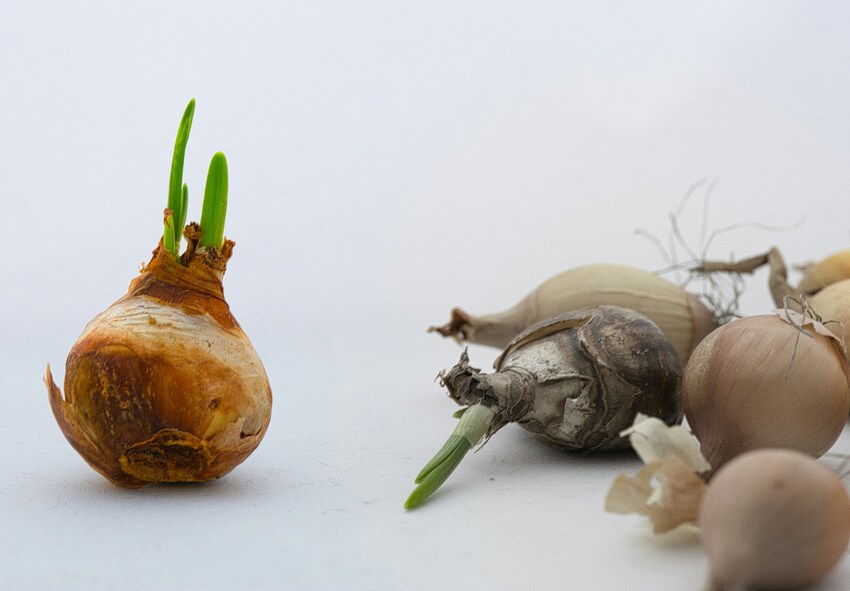
One of the most important aspects of preparing bulbs for the next season is allowing the foliage to die back naturally. As leaves yellow and wither, nutrients continue moving into the bulb, where they are stored for future growth. Removing foliage prematurely can interrupt this process and reduce flowering performance the following year.
Once the leaves have completely dried, they can be removed safely. At this stage, the bulb has entered dormancy and is fully prepared to remain underground until growth resumes during the next season.
Proper post-flowering care is particularly important for spring planted flower bulbs, as healthy nutrient storage during dormancy directly influences the strength of future growth and flowering performance.
Conclusion
Proper care of bulbous plants after flowering plays a crucial role in maintaining their health, vigor, and future flowering potential. Although the blooms may have faded, important processes continue within the plant as nutrients are transferred and stored for the next season.
By allowing foliage to remain in place, avoiding unnecessary intervention, and providing basic maintenance during the recovery period, gardeners can help bulbs remain strong and productive for many years. In most cases, a simple and patient approach delivers the best results.
Minimal but timely care ensures that bulbous plants complete their natural life cycle successfully, resulting in consistent growth and beautiful flowering displays season after season!
Frequently Asked Questions (FAQs) about Post-Bloom Bulb Care
1. Why is it important to care for bulb flowers after they finish flowering?
The period after flowering is essential because the bulb continues to store nutrients needed for the next growing season. Green leaves remain active and produce energy through photosynthesis, which is transferred to the bulb underground. Proper post-flowering care helps maintain bulb health, supports strong root development, and encourages abundant blooms in future years. Neglecting this stage may result in weaker plants and reduced flowering.
2. Can I order flower bulbs from your online store?
Yes, you can order a wide range of bulb flowers from our online store Dutch-bulbs.com, including tulips, daffodils, crocuses, hyacinths, alliums, and many other popular varieties. Our selection includes bulbs suitable for spring, summer, and autumn planting. Choosing high-quality planting material is an excellent way to ensure healthy growth and reliable flowering season after season.
3. Should I cut the leaves off bulb flowers after blooming?
No, it is generally best to leave the leaves in place until they turn yellow and dry naturally. Although the foliage may no longer look attractive, it continues producing and transferring nutrients to the bulb. Removing leaves too early can interrupt this process and reduce the plant’s ability to flower well the following season. Once the foliage has completely died back, it can be safely removed.
4. Do bulb flowers need to be dug up every year?
Not all bulbous plants require annual lifting. Many species, including daffodils, crocuses, and some tulips, can remain in the ground for several years without problems. Digging up bulbs is usually only necessary when plantings become overcrowded, flowering declines, or bulbs need to be divided and relocated. The specific requirements depend on the plant species and local growing conditions.
5. How should I water bulb plants after flowering?
Moderate watering is beneficial while the foliage remains green because it supports nutrient movement and bulb development. As the leaves begin to yellow and the plant enters dormancy, watering should gradually be reduced. Overwatering during this period can increase the risk of bulb rot and other problems. The goal is to support recovery while allowing the plant to transition naturally into its dormant stage.
Published: 18.06.2026