



Astilbe is a beloved perennial known for its feathery flower plumes and attractive foliage. These shade-loving plants add color, texture, and elegance to woodland gardens, borders, and moist landscape areas. Their ability to thrive in partial shade makes them a favorite choice for gardeners looking to brighten areas where many flowering plants struggle. Like all garden plants, astilbe can occasionally suffer from diseases that affect growth, flowering, and overall appearance.
Recognizing problems early is essential because prompt treatment often prevents diseases from spreading and causing long-term damage. In this article, you’ll learn about the most common astilbe diseases, how to identify symptoms, what causes these problems, and the best prevention and treatment methods to keep your plants healthy throughout the growing season. Our gardening blog is a perfect place to find any information you need!
Common Astilbe Diseases
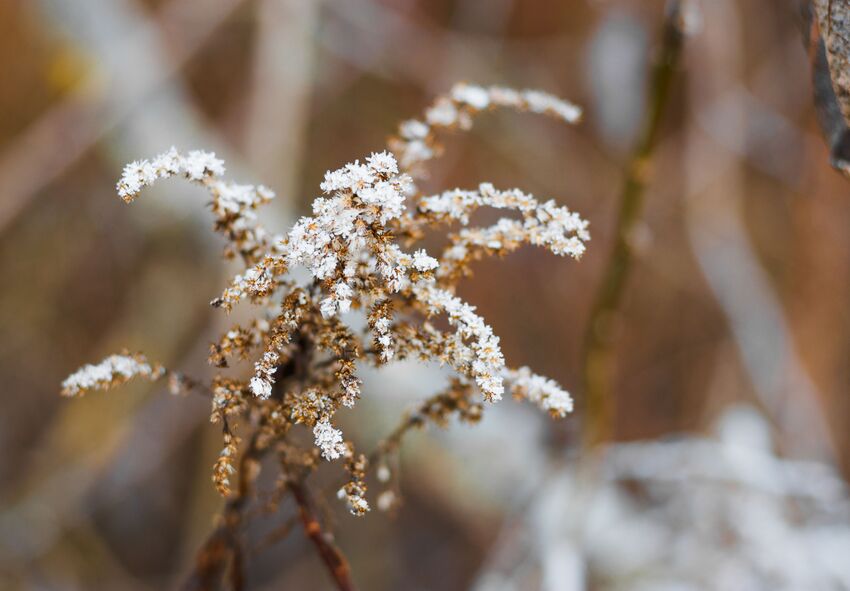
Although astilbe is generally considered a reliable and low-maintenance perennial, certain diseases can develop under unfavorable growing conditions. Understanding these common issues helps gardeners take quick action when symptoms appear. Proper care and monitoring can significantly reduce the risk of disease outbreaks in astilbe plantings.
Powdery Mildew
Powdery mildew is one of the most common fungal diseases affecting astilbe. It appears as a white or gray powdery coating on leaves, stems, and sometimes flower stalks. The disease is most common during periods of high humidity combined with poor air circulation. While powdery mildew rarely kills plants, it can weaken them and reduce their ornamental value.
Leaf Spot Disease
Leaf spot disease causes small brown, black, or reddish spots to appear on foliage. These spots may gradually enlarge and merge, creating larger damaged areas on the leaves. Severe infections can lead to premature leaf drop and reduced plant vigor. Wet foliage and crowded growing conditions often contribute to the development of leaf spot diseases.
Root Rot
Root rot is a serious disease usually caused by excessive soil moisture and poor drainage. Infected plants often wilt despite receiving adequate water. As the disease progresses, roots become soft, dark, and decayed. If left untreated, root rot can eventually kill the entire plant.
Botrytis Blight
Botrytis blight, also known as gray mold, commonly affects astilbe during cool, damp weather. The disease causes brown patches on leaves, stems, and flowers. A gray fuzzy mold may develop on infected tissue, especially during prolonged periods of moisture. Good airflow and proper sanitation are important for prevention.
Fusarium Wilt
Fusarium wilt is a soil-borne fungal disease that attacks the plant’s vascular system. Infected astilbe may exhibit yellowing leaves, wilting, and poor growth. Unfortunately, once the disease becomes established, treatment can be difficult. Early detection is essential to prevent its spread to nearby plants.
Viral Diseases in Astilbe
Although less common than fungal diseases, viruses can occasionally affect astilbe plants. Symptoms may include distorted leaves, unusual color patterns, stunted growth, and reduced flowering. Viral infections are often spread through contaminated tools or insect pests. Infected plants usually cannot be cured and may need to be removed.
How to Identify Astilbe Diseases
Correct diagnosis is one of the most important steps in managing astilbe diseases. Many symptoms can look similar, making careful observation essential. Regular inspection of leaves, stems, and roots helps gardeners detect problems before they become severe. Pay attention to these symptoms:
- White Powdery Coating on Leaves — A white powder-like substance on the foliage is one of the clearest signs of powdery mildew. The coating may start on a few leaves and gradually spread throughout the plant. Early treatment helps prevent extensive damage and improves plant appearance.
- Brown or Black Leaf Spots — Dark spots on astilbe leaves often indicate leaf spot disease or other fungal infections. The spots may have yellow halos surrounding them and can increase in size over time. Monitoring affected foliage helps determine whether treatment is necessary.
- Wilting Despite Moist Soil — When astilbe wilts even though the soil remains moist, root rot may be the cause. Damaged roots cannot absorb water efficiently, causing plants to appear drought-stressed. Inspecting the roots can help confirm the diagnosis.
- Yellowing Foliage — Yellow leaves may result from several issues, including disease, poor drainage, nutrient deficiencies, or root damage. Disease-related yellowing often appears alongside other symptoms such as wilting or stunted growth. Identifying accompanying signs helps determine the underlying cause.
- Stunted Growth and Poor Flowering — Diseased astilbe plants often grow more slowly and produce fewer flowers than healthy specimens. Chronic infections can weaken plants over multiple seasons. Reduced vigor is often one of the earliest signs that something is wrong.
Causes of Astilbe Diseases
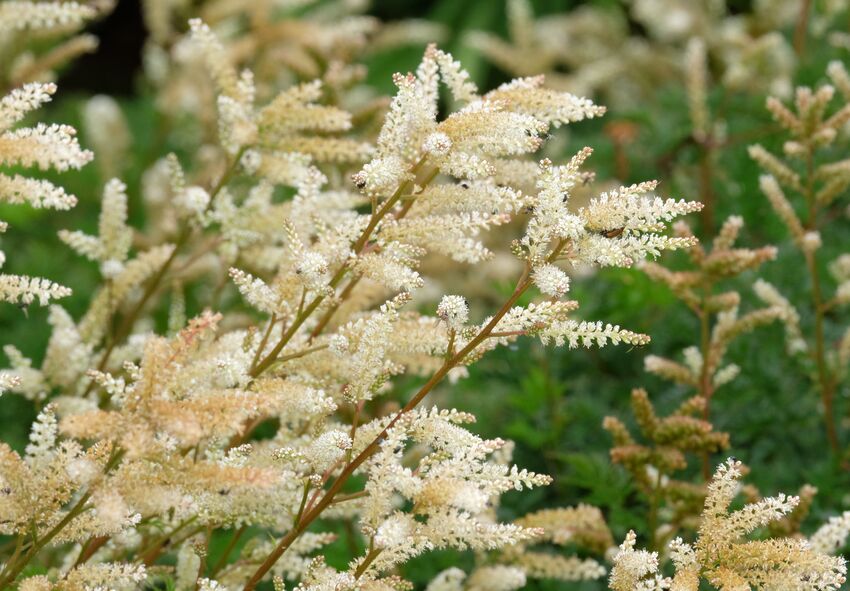
Most astilbe diseases develop when environmental conditions favor fungal or bacterial growth. Understanding these causes helps gardeners prevent problems before they start. Healthy growing conditions are the best defense against many common diseases.
Overwatering and Poor Drainage
Astilbe enjoys moist soil, but excessive water can create conditions that promote root diseases. Waterlogged soil reduces oxygen availability and encourages fungal growth. Improving drainage is often the most effective solution.
Insufficient Air Circulation
Crowded plantings trap moisture around leaves and stems. This environment allows fungal spores to develop and spread more easily. Proper spacing helps keep foliage dry and healthy.
High Humidity Conditions
Extended periods of humidity can encourage diseases such as powdery mildew and botrytis blight. Moisture lingering on leaves creates ideal conditions for fungal growth. Good airflow helps reduce humidity around plants.
Contaminated Soil and Plant Material
Diseases can enter the garden through infected plants, contaminated soil, or unclean gardening tools. Pathogens may survive in plant debris and spread during maintenance activities. Using healthy plants and clean equipment helps reduce risk.
Improper Growing Conditions
Astilbe performs best in partial shade with consistently moist, well-drained soil. Plants grown in unsuitable locations may become stressed and more susceptible to disease. Maintaining optimal growing conditions improves overall plant health.
How to Prevent Astilbe Diseases
Prevention is often easier and more effective than treating established diseases. Simple gardening practices can significantly reduce disease pressure. Healthy plants are naturally more resistant to infection and environmental stress.
Planting in Well-Drained Soil
Although astilbe prefers moisture, the soil should still drain efficiently. Excess water around roots creates favorable conditions for rot and fungal diseases. Adding compost can improve soil structure and drainage.
Watering Correctly
Water deeply and consistently, but avoid keeping the soil saturated. Watering at the base of the plant rather than overhead helps keep foliage dry. Proper watering reduces many common disease risks.
Providing Proper Spacing
Allow enough space between plants to promote airflow. Good spacing helps leaves dry more quickly after rain or watering. This simple practice greatly reduces fungal disease development.
Improving Airflow Around Plants
Pruning nearby vegetation and avoiding overcrowding improves circulation around astilbe plants. Better airflow reduces humidity and creates less favorable conditions for pathogens. Healthy airflow supports stronger growth overall.
Maintaining Garden Hygiene
Remove dead leaves, spent flowers, and diseased plant material promptly. Cleaning up garden debris reduces the number of pathogens that can survive between seasons. Disinfecting tools also helps prevent disease transmission.
Treating Common Astilbe Diseases
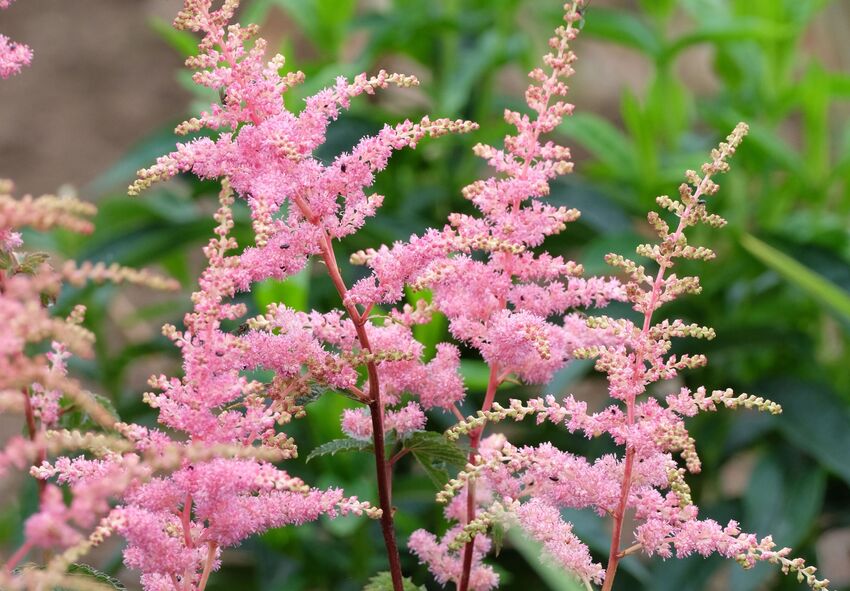
Despite preventive efforts and effective pest control for astilbe, diseases can occasionally appear. Early treatment improves the chances of successful recovery and helps protect nearby plants. The best treatment method depends on the specific disease involved:
- Natural Disease Control Methods: Many minor fungal infections can be managed by improving airflow, reducing humidity, and removing infected foliage. Organic fungicides and homemade remedies may also help in some situations. Natural methods are often sufficient when diseases are caught early.
- Using Fungicides Safely: For severe infections, fungicides may provide effective control. Always follow label instructions carefully and choose products appropriate for the specific disease. Proper application improves effectiveness while minimizing environmental impact.
- Managing Root Rot: If root rot is detected early, improving drainage and reducing watering may help save the plant. Severely damaged roots should be removed if possible. In advanced cases, replacing affected plants may be necessary.
- Treating Powdery Mildew: Powdery mildew can often be controlled by removing affected leaves and improving airflow around plants. Fungicides may be used if infections become widespread. Early intervention prevents the disease from spreading rapidly.
- Removing Severely Infected Plants: Plants affected by serious viral infections or advanced fungal diseases may need to be removed entirely. This prevents pathogens from spreading to healthy neighboring plants. Dispose of infected material properly rather than composting it.
Conclusion
Astilbe diseases can affect the beauty and performance of these popular shade garden plants, but most problems can be prevented with proper care and early intervention. Understanding common diseases such as powdery mildew, leaf spot, root rot, botrytis blight, and fusarium wilt helps gardeners recognize symptoms quickly and take appropriate action.
By maintaining good drainage, providing adequate airflow, watering correctly, and practicing proper garden hygiene, you can keep your astilbe healthy and thriving. Regular monitoring allows you to identify issues before they become serious.
Frequently Asked Questions (FAQs) about Astilbe Diseases
1. What is the most common disease affecting astilbe?
Powdery mildew is one of the most common astilbe diseases. It appears as a white, powdery coating on leaves and stems, especially during humid weather with poor air circulation. Although it rarely kills plants, it can weaken growth and reduce flowering. Improving airflow and removing affected foliage often helps control the problem.
2. Why are my astilbe leaves turning brown?
Brown leaves on astilbe are often caused by drought stress, excessive sunlight, or inconsistent watering. Astilbe prefers consistently moist soil and partial shade. In some cases, fungal diseases may also contribute to leaf discoloration. Checking soil moisture, improving growing conditions, and inspecting for disease symptoms can help identify the cause.
3. Can I order astilbe plants from your online store?
Yes, you can order healthy astilbe plants directly from our online store Dutch-bulbs.com. We offer a variety of astilbe cultivars suitable for shade gardens, borders, and woodland landscapes. Our carefully selected plants are grown for strong performance and vibrant blooms, helping you create a beautiful and healthy garden with confidence.
4. Can astilbe recover from root rot?
Astilbe can recover from root rot if the problem is detected early. Improving soil drainage, reducing watering, and removing damaged roots may help save the plant. However, severe root rot can permanently damage the root system, making recovery difficult. Prevention through proper soil preparation is usually the best approach.
5. How can I prevent diseases in astilbe plants?
The best way to prevent astilbe diseases is to provide well-drained soil, proper plant spacing, and consistent moisture without overwatering. Good airflow helps reduce fungal problems, while regular cleanup of dead leaves and plant debris limits disease spread. Healthy growing conditions significantly improve the plant’s natural resistance to infections.
Published: 26.06.2026