



Preparing garden soil in the fall is one of the most valuable tasks gardeners can undertake to ensure healthy plants and productive flower beds in the following season. Although the growing season may be coming to an end, the work done before winter has a lasting impact on soil fertility, structure, and overall plant health. Investing time in soil preparation during autumn often reduces the amount of work required when spring arrives.
This guide is intended for gardeners, allotment owners, and home growers who want to maintain healthy soil and create the best possible conditions for spring planting. Whether the garden contains ornamental flowers, vegetables, or bulbous plants, proper autumn soil care helps preserve nutrients and supports strong root development.
By restoring soil after the growing season, improving its structure, and protecting it throughout winter, gardeners create a stable foundation for vigorous growth and abundant flowering in the months ahead. Our gardening blog is a perfect place to find any information you need!
Why Fall Soil Preparation Is Important
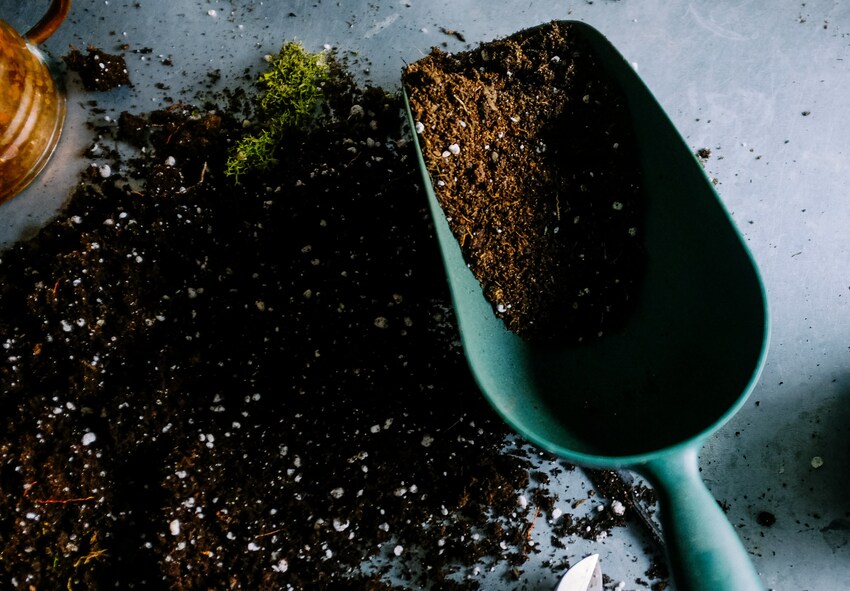
Many gardeners view autumn as the end of the gardening year, but it is actually the beginning of preparation for the next season. Soil continues to undergo biological and physical changes throughout winter, making fall the ideal time to improve its condition before plants begin growing again.
Restoring Soil After the Growing Season
Throughout the growing season, plants consume large amounts of nutrients from the soil. Continuous watering, root growth, and repeated cultivation also affect soil structure and fertility. By autumn, many garden beds have become depleted and require restoration.
Adding organic materials and removing spent crops help replenish nutrients while encouraging beneficial microorganisms to remain active for as long as possible before winter temperatures arrive. Healthy soil biology continues breaking down organic matter throughout much of the colder season, gradually enriching the soil for spring. Restoring soil in autumn also creates a cleaner growing environment by removing old plant material that could otherwise harbor pests or diseases during winter.
Building Nutrient Reserves for Spring
One of the greatest advantages of fall soil preparation is allowing nutrients to become available before spring planting begins. Organic matter added during autumn has several months to decompose naturally, releasing valuable nutrients into the soil over time.
This gradual process improves soil fertility while reducing the need for intensive fertilization early in the growing season. Plants established in nutrient-rich soil often develop stronger root systems, healthier foliage, and improved resistance to environmental stress. Preparing nutrient reserves in advance also creates more stable growing conditions for early spring flowers, vegetables, and perennial plants.
Improving Soil Structure Before Winter
Healthy soil is not defined solely by its nutrient content. Good structure is equally important because it influences drainage, air circulation, and root development. Compacted or poorly structured soil can limit plant growth even when sufficient nutrients are present.
Autumn provides an excellent opportunity to loosen the soil and improve its physical condition. Incorporating compost and other organic materials increases soil porosity, allowing water to drain more effectively while still retaining adequate moisture. Improved soil structure also encourages earthworms and beneficial organisms that naturally aerate the soil throughout winter, creating ideal conditions for vigorous spring growth.
Cleaning and Preparing Garden Beds
Before improving soil quality, garden beds should first be cleaned thoroughly. Removing unwanted materials and preparing the planting area creates a healthier environment and allows soil amendments to work more effectively.
Removing Plant Debris and Weeds
The first step in fall soil preparation is clearing away dead plants, fallen leaves affected by disease, weeds, and other garden debris. Although some healthy organic material can be composted, diseased foliage should be removed from the garden to reduce the risk of pathogens surviving through winter.
Weeds should also be eliminated before they have an opportunity to spread seeds or develop strong root systems. Removing them in autumn makes spring maintenance significantly easier while reducing future competition for water and nutrients. A clean garden bed also allows gardeners to inspect the soil surface more carefully and identify any drainage or structural problems that may require attention.
Loosening and Aerating the Soil
After the beds have been cleared, gently loosening the soil helps restore its structure following an active growing season. Aerated soil allows oxygen to reach beneficial microorganisms while improving water infiltration and root penetration.
In many gardens, careful cultivation with a garden fork is preferable to deep digging because it minimizes disruption to beneficial soil organisms. Breaking up compacted areas without excessively disturbing soil layers helps preserve the natural balance of the growing environment. This process also prepares the soil for the incorporation of compost and other organic amendments.
Adding Organic Matter
Once the soil has been loosened, organic matter can be incorporated to improve both fertility and structure. Compost is one of the most valuable additions because it supplies nutrients while increasing the soil’s ability to retain moisture and support beneficial microbial activity.
Well-rotted manure, leaf mold, and other mature organic materials can also be used depending on the needs of the garden. These amendments gradually break down throughout winter, enriching the soil and creating a healthier growing medium for spring planting.
Adding organic matter during autumn allows natural decomposition to occur over several months, making nutrients more readily available when plants begin active growth in the following season.
Improving Soil Quality Before Winter
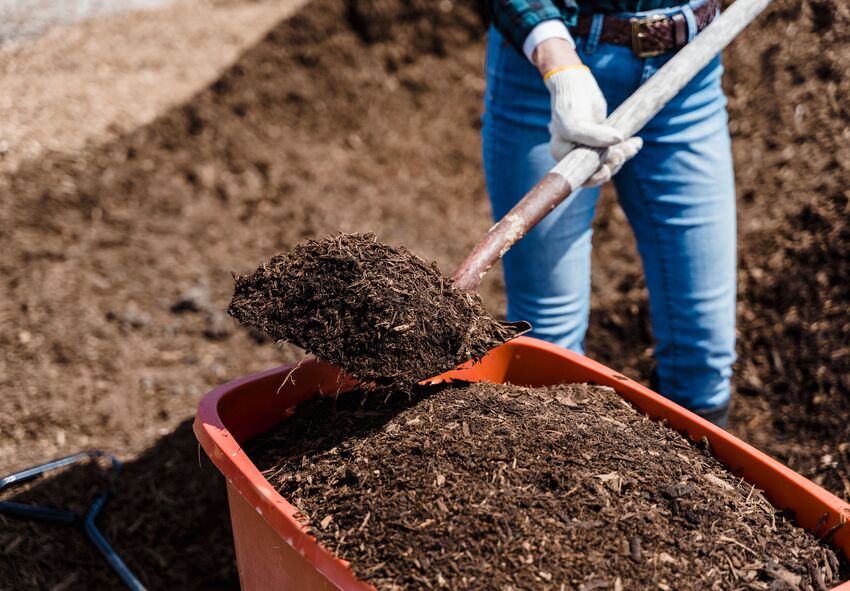
Once the garden beds have been cleaned and organic matter has been incorporated, the next step is to improve the overall quality of the soil before winter arrives. Proper soil management during this period helps preserve fertility, supports beneficial organisms, and creates favorable conditions for healthy root development when spring planting begins.
Applying Compost and Natural Amendments
Compost is one of the most effective materials for improving garden soil because it enhances both fertility and structure. Applied in the fall, it gradually decomposes over the winter months, allowing nutrients to become available by the time new plants begin growing. This slow-release process creates a balanced environment that supports healthy plant development without encouraging excessive late-season growth. While starting a compost pile, it is important to learn which materials to add and which to avoid.
Other natural amendments, such as well-rotted manure, leaf mold, or composted bark, can also improve soil quality depending on its condition. Sandy soils benefit from additional organic matter that improves moisture retention, while heavier clay soils become easier to work as their structure gradually improves. Choosing natural soil amendments also encourages the activity of earthworms and beneficial microorganisms, which continue contributing to soil health whenever temperatures remain suitable.
Protecting Soil with Mulch
After improving the soil, applying a protective layer of mulch helps preserve its condition throughout winter. Organic mulch reduces temperature fluctuations, limits erosion caused by heavy rain, and slows moisture loss during dry periods.
As mulch gradually breaks down, it contributes additional organic matter to the soil surface. Materials such as shredded leaves, straw, bark chips, or compost make excellent protective coverings for ornamental and vegetable gardens alike. Mulching also suppresses winter weed growth, reducing maintenance requirements when spring arrives and helping the soil remain healthier during the dormant season.
Checking Soil Drainage and pH
Autumn is an excellent time to evaluate the overall condition of garden soil. Observing how quickly water drains after rainfall can reveal areas where drainage improvements may be necessary before the next planting season.
Poor drainage often leads to waterlogged soil, increasing the likelihood of root diseases and reducing oxygen availability for developing plants. Improving drainage before winter can prevent many of these problems.
Gardeners may also choose to test soil pH during autumn. Knowing whether the soil is acidic, neutral, or alkaline makes it easier to select appropriate amendments and prepare the growing environment for specific plants that will be installed in spring.
How to Protect Garden Soil During Winter
Protecting soil during winter is just as important as improving it beforehand. Exposure to harsh weather conditions can gradually reduce soil quality if protective measures are not taken. Fortunately, several simple practices help preserve the work completed during autumn preparation.
Preventing Erosion and Nutrient Loss
Heavy rainfall, melting snow, and strong winds can gradually remove valuable topsoil and wash nutrients away from cultivated areas. Covering exposed soil with mulch or other protective materials significantly reduces erosion and helps retain organic matter.
Maintaining ground cover throughout winter also protects soil organisms that contribute to long-term fertility. By minimizing nutrient loss, gardeners preserve the benefits of their fall soil improvements until spring planting begins.
Using Cover Crops or Green Manure
In gardens with unused beds, cover crops provide an excellent method of protecting and enriching the soil during winter. Plants such as clover, winter rye, or other green manure crops help stabilize the soil while preventing erosion.
As these plants grow, their roots improve soil structure and reduce compaction. When incorporated into the soil before spring planting, they contribute additional organic matter and nutrients, further enhancing fertility. Cover crops also suppress weed growth, making garden preparation much easier when the next growing season begins.
Avoiding Soil Compaction
Healthy soil contains countless air spaces that allow roots, water, and beneficial organisms to function properly. Walking repeatedly on wet garden beds during autumn and winter compresses these spaces, leading to soil compaction.
Compacted soil drains less efficiently, restricts root growth, and becomes more difficult to cultivate. Avoiding unnecessary foot traffic on prepared beds helps preserve soil structure throughout the dormant season. Using designated garden paths or temporary stepping boards allows gardeners to access planting areas while minimizing pressure on the soil.
Common Mistakes to Avoid During Fall Soil Preparation
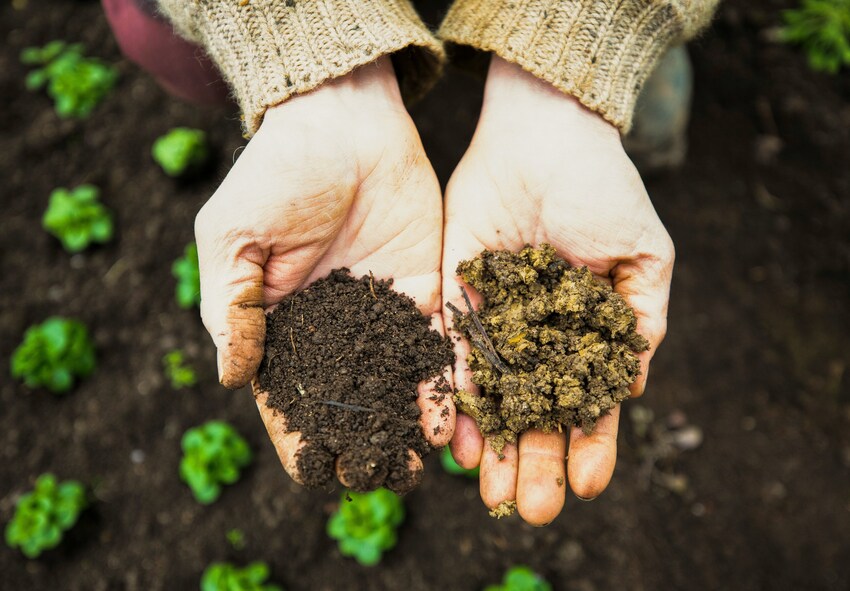
Even experienced gardeners occasionally overlook important aspects of autumn soil care. Recognizing common mistakes helps ensure that the effort invested during fall provides maximum benefits in the following growing season:
- Leaving Diseased Plant Material Behind: One of the most frequent mistakes is leaving diseased leaves, stems, or other infected plant material on the soil surface. Many fungal diseases and insect pests are capable of surviving winter within this debris before reappearing the following spring. Removing affected material from the garden helps interrupt disease cycles and creates a healthier environment for future plantings.
- Overworking Wet Soil: Working with soil that is excessively wet can damage its structure rather than improve it. Wet soil compacts easily, forming dense clumps that are difficult to break apart after drying. Waiting until the soil is moist but not saturated allows cultivation to improve aeration without causing unnecessary structural damage.
- Ignoring Soil Improvement Until Spring: Some gardeners postpone soil preparation until spring, believing it will save time. However, delaying these tasks often reduces their effectiveness because organic materials have less time to decompose before planting begins. Preparing soil during autumn allows natural biological processes to continue throughout winter, resulting in richer, healthier soil that is ready for immediate planting once spring arrives.
Conclusion
Healthy garden soil is the foundation of every successful planting season. By preparing soil during the fall, gardeners improve its structure, replenish valuable nutrients, and protect it from winter weather. These efforts create favorable conditions for healthy root development and vigorous plant growth in the months ahead.
Simple practices such as removing plant debris, incorporating organic matter, improving drainage, applying mulch, and protecting beds throughout winter can significantly enhance soil quality. Although these tasks require some effort in autumn, they often reduce maintenance in spring and contribute to stronger, healthier plants.
With careful fall preparation, garden soil enters the next growing season in excellent condition, providing the ideal environment for flowers, vegetables, bulbs, and other ornamental plants to thrive!
Frequently Asked Questions (FAQs) about Soil Maintenance in Fall
1. Why should I prepare my garden soil in the fall instead of waiting until spring?
Preparing garden soil in the fall gives organic matter several months to decompose and enrich the soil naturally. It also improves soil structure, encourages beneficial microorganisms, and helps retain nutrients throughout winter. By spring, the soil is better conditioned for planting, allowing plants to establish more quickly and grow more vigorously from the beginning of the season.
2. What organic materials can I add to garden soil in autumn?
Compost is one of the best materials for improving garden soil in autumn because it adds nutrients while enhancing soil structure. Other suitable options include well-rotted manure, leaf mold, composted bark, and other mature organic matter. These materials gradually break down during winter, increasing soil fertility, improving moisture retention, and creating healthier conditions for root development before spring planting begins.
3. Should I remove all plant debris before winter?
It is generally recommended to remove dead plants, weeds, and any diseased leaves or stems before winter. This helps reduce the likelihood of pests and plant diseases surviving until the following growing season. Healthy organic material can often be composted, while infected plant debris should be disposed of separately to protect the long-term health of your garden and future plantings.
4. Can I order spring planting bulbs from your online store?
Yes, you can order a wide selection of spring planting bulbs from our online store Dutch-bulbs.com, including dahlias, gladiolus, lilies, begonias, calla lilies, and other summer-flowering varieties. Our seasonal assortment makes it easy to find the right bulbs for flower beds, borders, containers, and other garden planting projects.
5. How can I protect garden soil during the winter months?
Garden soil can be protected by applying a layer of organic mulch, planting cover crops, and avoiding unnecessary foot traffic on prepared beds. These practices help prevent erosion, reduce nutrient loss, regulate soil temperature, and minimize compaction. Protecting the soil throughout winter preserves its structure and fertility, making spring planting easier and more successful.
Published: 15.07.2026