



The beauty of a rose garden doesn’t end when the first flush of blooms fades. Proper post-bloom care is essential for keeping rose bushes healthy, encouraging new growth, and promoting additional flowers later in the season. With a few simple maintenance tasks, your roses can continue producing beautiful blooms and vigorous foliage throughout the growing season.
In this guide, you’ll learn why roses need attention after flowering, how to deadhead and prune correctly, the best watering and feeding practices, and how to prepare your plants for the next blooming cycle. Our gardening blog is a perfect place to find all the information you need!
Why Roses Need Care After Blooming
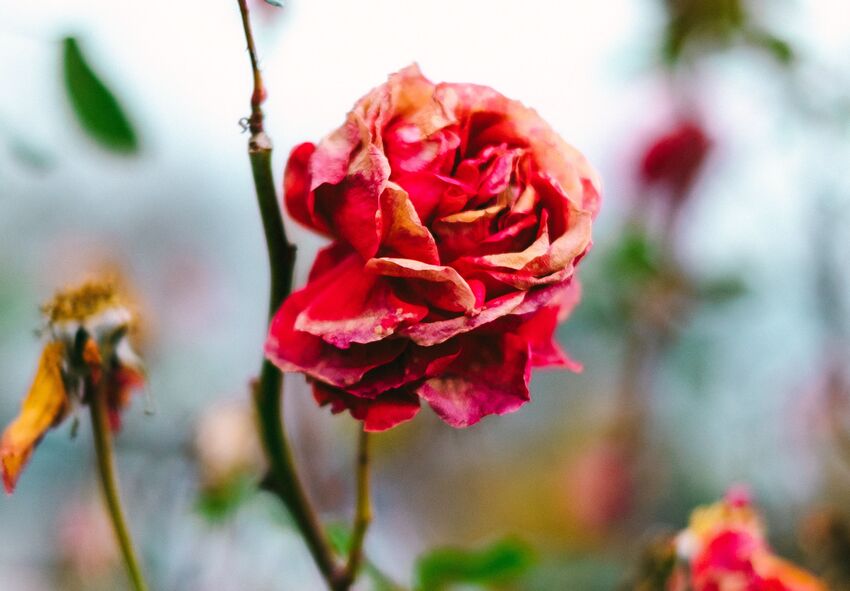
After flowering, roses begin directing their energy toward seed production and maintaining existing growth. Regular maintenance helps redirect that energy into producing fresh shoots, healthy foliage, and new flower buds. A few simple care routines can make a significant difference in the health and appearance of your rose bushes:
- Supporting New Growth: Removing spent flowers encourages the plant to produce fresh stems and healthy new shoots. Strong new growth provides the foundation for future blooms and helps maintain an attractive plant shape.
- Encouraging Repeat Flowering: Many modern rose varieties are repeat bloomers. Deadheading faded flowers and providing proper care after blooming stimulate the production of additional flower buds throughout the season.
- Maintaining Overall Plant Health: Post-bloom maintenance helps improve air circulation, reduce disease risks, and keep the plant vigorous. Healthy roses are better equipped to withstand summer heat, pests, and changing weather conditions.
Deadheading Roses Properly
Deadheading is one of the easiest and most rewarding maintenance tasks for repeat-flowering roses. Removing faded blooms prevents the plant from wasting energy on seed production and encourages fresh flowers to develop. Regular deadheading also keeps rose bushes looking neat and well-maintained.
When to Remove Spent Blooms
Remove faded flowers as soon as the petals begin to wilt and fall. Waiting too long allows the plant to start forming rose hips, which can reduce repeat blooming. Inspect your rose bushes every few days during the flowering season to remove spent blooms promptly.
How to Cut Above the Right Leaf
Make each cut just above a healthy outward-facing leaf with five leaflets whenever possible. This encourages strong outward growth and improves the overall shape of the bush. Always use clean, sharp pruning shears to make smooth cuts that heal quickly.
Common Deadheading Mistakes
One common mistake is removing only the flower head instead of cutting back to a healthy leaf node. Another is using dull tools that crush stems rather than making clean cuts. Avoid removing excessive healthy foliage, as leaves continue producing energy that supports future flowering.
Pruning Roses After Blooming
Pruning after flowering helps maintain plant structure and encourages vigorous new growth. Unlike annual dormant pruning, post-bloom pruning is generally lighter and focuses on maintaining plant health. Regular pruning also improves airflow through the center of the bush.
Light Pruning vs Heavy Pruning
After blooming, most roses only require light pruning to remove spent flowers and lightly shape the plant. Heavy pruning is usually reserved for late winter or early spring before new growth begins. Light pruning throughout the season keeps plants tidy without reducing flowering potential.
Removing Dead or Damaged Stems
Inspect rose bushes regularly for broken, diseased, or dead stems. Removing damaged growth helps prevent pests and diseases from spreading to healthy parts of the plant. Cut affected stems back to healthy green wood whenever possible.
Shaping the Rose Bush
Lightly shaping the plant encourages balanced growth and improves sunlight penetration. Remove crossing branches that rub against each other and thin crowded areas to increase airflow. Maintaining an open center helps reduce fungal diseases and promotes stronger flowering.
Watering Roses After Flowering
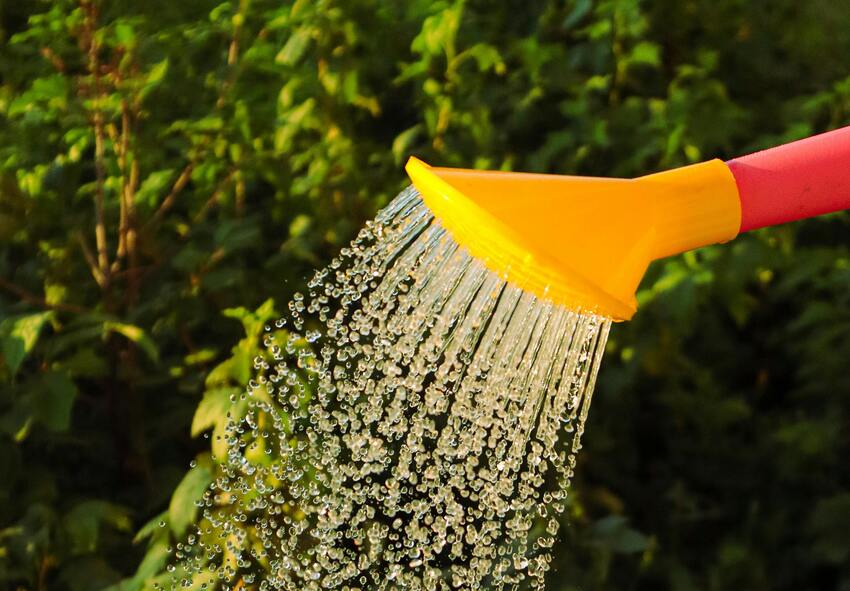
Consistent watering remains important even after the first bloom cycle ends. Adequate moisture supports new shoots, healthy leaves, and future flower production. Watering practices should be adjusted based on weather conditions, soil type, and plant size.
How Often to Water
Most established roses benefit from deep watering once or twice each week, depending on rainfall and temperature. Sandy soils may require more frequent irrigation than heavier clay soils. Always check soil moisture before watering rather than following a fixed schedule.
Deep Watering Techniques
Deep watering encourages roots to grow farther into the soil where moisture remains available longer. Apply water slowly around the base of the plant, allowing it to soak deeply into the root zone. Avoid frequent shallow watering, which promotes weak surface roots.
Avoiding Overwatering
Excessive watering can lead to root rot and fungal diseases. Wet soil that remains saturated for extended periods limits oxygen availability around the roots. Water only when the top few inches of soil begin to dry while ensuring good drainage around the plant.
Feeding Roses After Blooming
Roses use a significant amount of energy during flowering and benefit from additional nutrients afterward. Proper fertilization supports healthy foliage, strong stems, and repeat blooming throughout the season. Choosing the right fertilizer helps maintain balanced plant growth.
Best Fertilizers for Roses
Use a balanced rose fertilizer containing nitrogen, phosphorus, and potassium. Specialized rose fertilizers often include additional micronutrients that support flowering and overall plant health. Always follow the manufacturer’s application recommendations.
When to Apply Fertilizer
Apply fertilizer shortly after the first flush of blooms has faded and deadheading has been completed. Additional feedings may be beneficial during the growing season for repeat-blooming varieties. Avoid fertilizing late in the season when plants begin preparing for dormancy.
Organic Feeding Options
Organic fertilizers such as compost, well-rotted manure, fish emulsion, and alfalfa meal provide nutrients gradually while improving soil quality. These natural amendments also support beneficial soil microorganisms that contribute to healthier root systems.
Mulching Around Rose Bushes
Mulching is an important part of seasonal rose care that helps regulate soil temperature and conserve moisture. It also reduces weed growth and gradually improves soil structure as organic materials decompose. A properly mulched rose bed requires less frequent watering during hot weather.
Best Mulching Materials
Shredded bark, compost, wood chips, leaf mold, and pine bark are excellent mulch choices for roses. Organic mulches slowly break down and enrich the soil over time. Choose clean mulch that is free from weed seeds and plant diseases.
How Much Mulch to Apply
Apply a layer of mulch approximately two to three inches deep around the base of each rose bush. Leave a small gap around the stems to prevent excessive moisture buildup against the canes. Refresh mulch annually to maintain its effectiveness throughout the growing season.
Preparing Roses for the Next Bloom Cycle
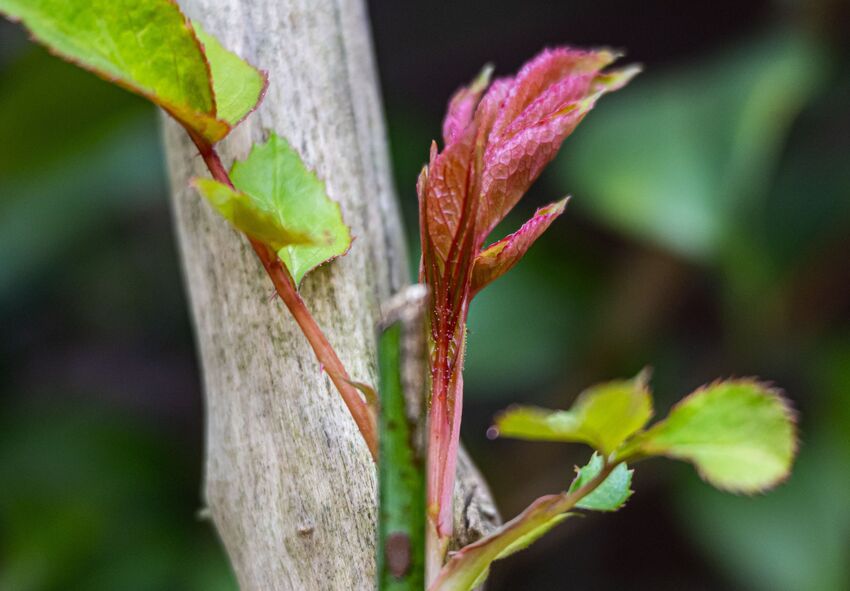
The period after flowering is the perfect opportunity to prepare roses for another beautiful display of blooms. Consistent maintenance helps plants recover quickly and produce strong new flower buds. These simple practices encourage vigorous growth throughout the remainder of the season:
- Encouraging New Flower Buds: Continue deadheading spent blooms and provide regular watering and fertilization. Healthy new shoots often develop flower buds that produce another flush of blooms.
- Maintaining Healthy Leaves: Keep foliage clean and free from disease by removing damaged or yellowing leaves. Healthy leaves provide the energy needed for continuous growth and flowering.
- Supporting Strong Root Growth: Deep watering, mulching, and healthy soil encourage strong root development. A vigorous root system allows roses to absorb water and nutrients more efficiently.
- Monitoring Plant Health: Inspect rose bushes regularly for signs of pests, diseases, or nutrient deficiencies. Early intervention helps prevent small problems from becoming major issues later in the season.
Conclusion
Caring for roses after blooming is one of the best ways to ensure healthy plants and abundant flowers throughout the growing season. Simple tasks such as deadheading, light pruning, proper watering, fertilizing, and mulching all work together to encourage vigorous growth and repeat blooming.
With regular maintenance, your rose bushes will remain attractive, resilient, and productive for many months. A little attention after each flowering cycle can reward you with stronger plants and even more spectacular blooms in the weeks ahead. Visit our online plant store to discover premium rose plants. And with the proper help your roses flourish season after season!
Frequently Asked Questions (FAQs) about Care for Roses After Blooming
1. Should I deadhead roses after they finish blooming?
Yes, deadheading is recommended for most repeat-flowering roses. Removing faded blooms prevents the plant from putting energy into seed production and encourages the development of new flower buds. Regular deadheading also keeps rose bushes looking tidy and can extend the flowering season with additional flushes of beautiful blooms.
2. Can I order rose plants from your online store?
Yes! Our online store Dutch-bulbs.com offers a wide selection of healthy rose plants, including climbing roses, shrub roses, floribundas, and hybrid tea varieties. You’ll also find other flower bulbs and plants suitable for spring, summer, and autumn planting. Choose the best planting material for healthy growth and reliable flowering season after season.
3. How often should I water roses after blooming?
Most established roses need deep watering once or twice a week, depending on rainfall, temperature, and soil type. Water thoroughly at the base of the plant so moisture reaches the roots. Avoid frequent shallow watering, as it encourages weak root systems and makes roses less tolerant of hot, dry weather.
4. Should I fertilize roses after the first flowers fade?
Yes, feeding roses after the first flush of blooms helps replenish nutrients used during flowering. Apply a balanced rose fertilizer or an organic alternative such as compost or well-rotted manure. Fertilizing at the right time encourages healthy foliage, strong stems, and another round of flowers later in the growing season.
5. Can I prune roses immediately after flowering?
Light pruning after flowering is beneficial because it removes spent blooms, damaged stems, and weak growth while maintaining the shape of the plant. Heavy pruning is generally reserved for late winter or early spring. Throughout the growing season, focus on light maintenance pruning to encourage healthy growth and repeat blooming.
Published: 10.07.2026