



Cannas bring a tropical touch to the garden with their large, decorative leaves and bright, showy flowers. However, these heat-loving plants are sensitive to frost, so they need special attention when temperatures begin to drop. In regions with cold winters, preparing canna tubers for winter is essential for protecting the plants and encouraging healthy growth the following season.
Although gardeners commonly call them canna tubers, cannas actually grow from thick underground rhizomes. These store nutrients and produce new shoots when growing conditions become favorable. With the right preparation, you can lift, store, and replant your canna rhizomes each year rather than buying new plants every spring. In this guide, you’ll learn when to prepare cannas for winter, how to dig them up safely, how to store them properly, and how to get them ready for spring planting. Our gardening blog is a perfect place to find all the information you need!
Do Canna Tubers Need to Be Lifted for Winter?
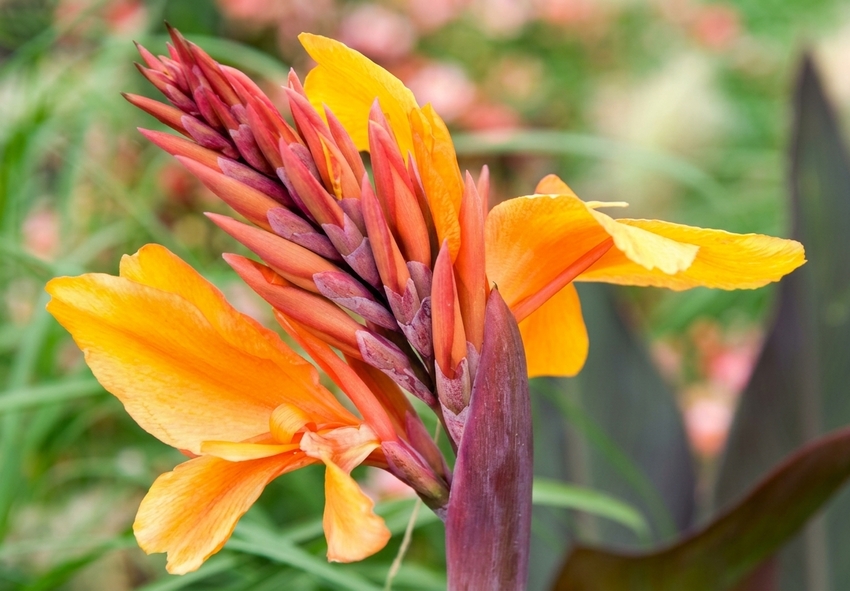
Whether you need to lift cannas depends mainly on your climate, winter temperatures, and soil conditions. In warm regions where the ground rarely freezes, rhizomes may survive outdoors throughout the winter. In colder areas, lifting them is usually the safest option.
When Can Cannas Stay in the Ground?
Cannas may overwinter in the garden in mild climates where hard freezes are uncommon. If the soil remains reasonably dry and well-drained, the rhizomes have a better chance of surviving without being disturbed. To improve their chances of survival:
- Cut back dead or frost-damaged foliage when appropriate.
- Cover the planting area with a generous layer of mulch to insulate the soil.
- Make sure water can drain away freely.
- Monitor local weather forecasts during unusually cold periods.
Even with mulch, leaving cannas in the ground can be risky where temperatures fall well below freezing for extended periods. Cold, waterlogged soil is particularly dangerous because it increases the likelihood of rhizome damage and rot.
When Should You Dig Up Cannas?
In regions with freezing winters, lift canna bulbs before the ground freezes. Many gardeners wait until the first light frost has damaged the leaves, signaling the end of active growth. However, do not leave the rhizomes exposed to a hard freeze. Digging up cannas is especially advisable when:
- Winter temperatures regularly fall below freezing.
- The soil freezes for long periods.
- The garden has heavy soil that stays wet during winter.
- Cannas grow in containers that cannot be protected adequately outdoors.
If you are unsure whether your cannas will survive outside, lifting and storing the rhizomes is generally the more reliable approach.
When to Prepare Cannas for Winter
The best time to prepare cannas for winter is usually in autumn, before severe frost arrives. The exact timing depends on your local climate rather than a fixed calendar date. In colder regions, prepare to lift your cannas around the time of the first light frost or when the foliage begins to yellow and deteriorate naturally. If frost damages the leaves, you can cut them back and dig up the rhizomes soon afterward.
Do not wait until repeated hard frosts have frozen the ground. Frozen soil makes digging more difficult and can damage the rhizomes themselves. In milder climates, you may be able to leave cannas outdoors for longer. Nevertheless, check the forecast and prepare a storage space before temperatures drop sharply.
Cannas generally show several signs that the growing season is ending:
- Leaves begin to yellow, brown, or wilt as temperatures fall.
- Frost damages the foliage, turning it dark or limp.
- Flowering slows or stops.
- The plant’s above-ground growth begins to decline.
These signs help you determine when to start preparing the plants. However, the weather forecast is just as important: protecting the rhizomes from a hard freeze should take priority over waiting for every leaf to die back.
How to Dig Up Canna Rhizomes
Digging up cannas carefully helps prevent damage and preserves as much of the healthy rhizome as possible. Work on a relatively dry day if conditions allow, and use a garden fork or spade to loosen the soil around the plant.
Cut Back the Foliage
If frost has already damaged the leaves, cut the foliage back to approximately 4–6 inches (10–15 cm) above the ground. This makes the plant easier to handle and reduces the amount of material you need to store. Use clean, sharp pruning tools to make neat cuts. Remove badly damaged foliage, but avoid cutting directly into the rhizomes.
Lift the Rhizomes Carefully
Insert a garden fork or spade into the soil some distance away from the base of the plant. Loosen the soil gradually, working around the clump before lifting it. If the clump is large, work around it from several sides. Taking a little extra time can prevent cuts and breakage that might otherwise lead to rot during storage.
Remove Excess Soil and Inspect the Rhizomes
Once the clump is out of the ground, gently shake off loose soil. You can brush away remaining dirt with your hands or a soft brush. Washing is not usually necessary. If you do rinse the rhizomes to remove stubborn soil, allow them to dry thoroughly in a suitable, frost-free place before packing them away.
Inspect each clump for signs of damage or canna pests and diseases. Healthy rhizomes should feel firm rather than mushy. Remove rotten, badly damaged, or diseased sections using clean tools. If disease appears to affect a large portion of a clump, discard the affected material rather than storing it with healthy rhizomes.
How to Prepare Canna Rhizomes for Storage
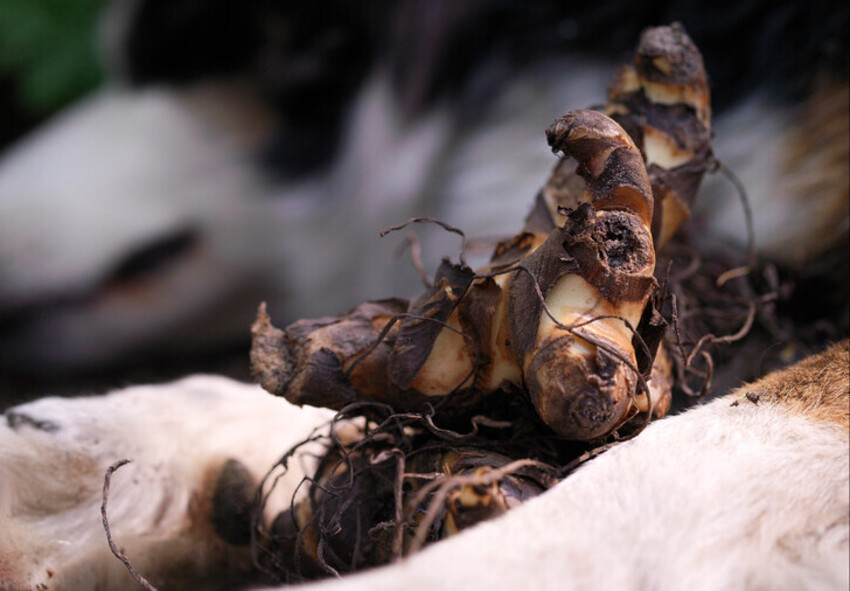
Good preparation helps canna rhizomes survive months in storage without rotting or becoming excessively dry. The goal is to remove damaged material, allow surface moisture to evaporate, and create suitable conditions for dormancy.
Clean and Trim the Rhizomes
After removing loose soil, trim away any remaining dead foliage and damaged roots as needed. There is no need to remove every small root or cut the rhizomes into pieces before storage.
Avoid unnecessary cutting, as fresh wounds can provide entry points for rot. If you need to remove a damaged section, use a clean, sharp knife and keep the cut as small as practical. Label different varieties if you grow more than one. A simple label attached to each storage box can save confusion when it is time to replant in spring.
Allow the Rhizomes to Dry
Before packing the rhizomes, let them surface-dry in a shaded, airy, frost-free location. Depending on how wet they are and the surrounding conditions, this may take several hours or a few days.
The surface should be dry enough that excess moisture will not collect around the rhizomes during storage. However, do not leave them exposed to hot sunlight or allow them to dry out completely. Excess moisture encourages fungal growth and rot, while excessive drying can cause the rhizomes to shrivel and lose their vigor. A balanced approach is key.
Separate Healthy and Damaged Material
Before storage, check the rhizomes one more time. Remove soft or rotten sections, and keep questionable material separate from healthy plants. If a clump is being divided, make sure each piece has at least one healthy growing point, often called an eye. However, major division is often easier to do shortly before spring planting, when you can clearly inspect the rhizomes and prepare the pieces for active growth.
How to Store Canna Rhizomes Over Winter
The right storage conditions help canna rhizomes remain dormant until spring. They need protection from freezing temperatures, excess moisture, and drying air. Canna rhizomes can be stored in ventilated boxes or crates with a suitable packing material. Options include vermiculite, coco coir, or a lightly moist peat-free potting medium.
Arrange the rhizomes so they are supported and not tightly compressed. Add enough packing material to help buffer moisture changes, but do not use material that is wet or waterlogged. Some gardeners store rhizomes with a little of the original soil around them. This can also work, provided the soil is not saturated and the storage environment is appropriate. Avoid sealing rhizomes in airtight plastic bags, which can trap condensation and encourage rot.
Maintain the Right Temperature and Conditions
A cool, frost-free storage space is generally best. A temperature around 40–50°F (4–10°C) is a useful starting range, although the ideal conditions can vary with the storage method and local recommendations. A cool cellar, frost-free garage, or suitable unheated storage room may work if temperatures remain stable. Avoid placing the boxes beside heaters, in direct sunlight, or in a space that becomes damp and poorly ventilated.
Prevent the Rhizomes from Drying Out or Rotting
Canna rhizomes need to remain dormant without becoming either waterlogged or severely dehydrated. Check them every few weeks throughout winter. Do not pour water directly over the rhizomes or soak the packing material. If the storage area is too humid, improve ventilation and remove excess moisture. If the rhizomes are drying out, a small adjustment is safer than adding a large amount of water at once. Regular checks help you catch problems early, when they are easier to manage.
Preparing Cannas for Winter in Different Climates
Winter care is not the same in every region. Temperature, rainfall, soil drainage, and whether cannas grow in the ground or in containers all affect the best approach.
Preparing Cannas in Cold Regions
Where winter brings prolonged freezing temperatures, lift the rhizomes in autumn and store them in a cool, frost-free place. Do not rely on a thick mulch layer alone if the ground freezes deeply. Mulch can help insulate the soil, but it cannot guarantee that the rhizomes will remain above freezing. Pay particular attention to wet conditions. If the garden has heavy clay soil or poor drainage, lifting cannas is especially advisable because cold, saturated soil increases the risk of rot.
Preparing Cannas in Mild-Winter Regions
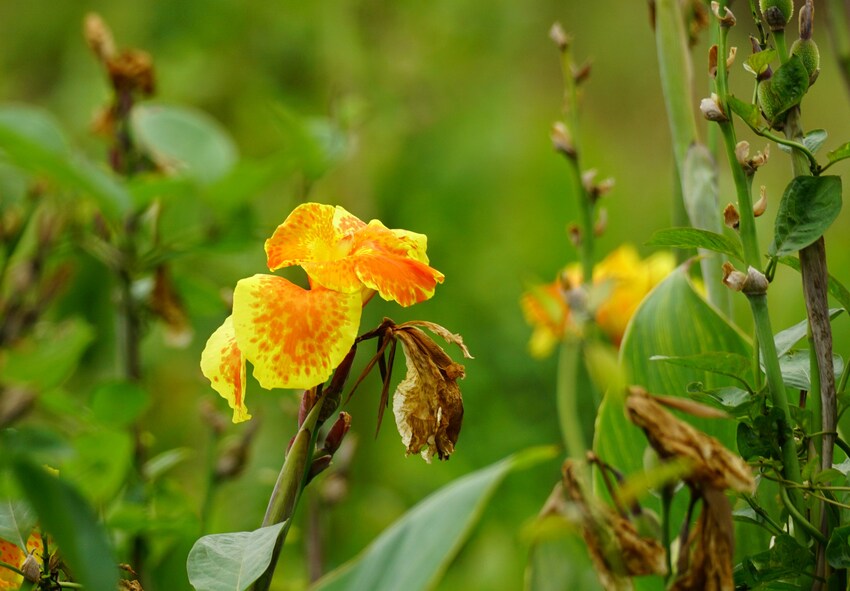
In areas with mild winters, cannas may remain in the ground. After the foliage declines, remove dead material and apply a layer of mulch over the planting area if extra insulation is needed. Check that the site drains well and avoid piling wet organic matter directly against the remaining stems or crown. If an unusually severe cold spell is forecast, consider temporary protection or lifting particularly valuable plants. Remember that a plant surviving one mild winter outdoors does not guarantee it will survive every winter.
Preparing Container-Grown Cannas
Cannas growing in pots may be easier to protect because the containers can be moved into a sheltered location. One option is to reduce watering as growth slows, allow the foliage to decline naturally or after frost damage, and move the container into a cool, frost-free place. Keep the growing medium from becoming waterlogged, but do not let the rhizomes become severely desiccated.
Alternatively, you can remove the rhizomes from the pot and store them using the same method as garden-grown plants. The best choice depends on the size of the container, the storage space available, and how cold your winters are.
Conclusion
Preparing canna tubers for winter is an important part of growing these tropical-looking plants in regions with cold winters. Although cannas grow from rhizomes rather than true tubers, the same basic principle applies: protect their underground storage structures from freezing, excess moisture, and severe drying.
Lift rhizomes before a hard freeze, clean and inspect them carefully, allow their surfaces to dry, and store them in a cool, frost-free location. Check them periodically through winter, then inspect and replant them when spring conditions are suitable. With a little seasonal care, you can preserve your cannas from year to year and enjoy their dramatic leaves and striking flowers again when the weather warms.
Frequently Asked Questions (FAQs) about Winterizing Canna Rhizomes
1. When should I dig up canna bulbs for winter?
Dig up canna rhizomes in autumn, around the time the first light frost damages the foliage, but before a hard freeze reaches the ground. Cut back damaged leaves, carefully lift the clumps, and remove excess soil. The exact timing depends on your local climate and the expected first hard frost.
2. Can I order canna bulbs in your online store?
Yes, you can look for canna bulbs in an online store Dutch-bulbs.com, especially before the spring planting season. When choosing, check the variety, flower color, mature height, and planting recommendations. Remember that cannas grow from rhizomes rather than true bulbs. Review the supplier’s shipping schedule and planting guidance to help your plants establish successfully.
3. How do you store canna bulbs over winter?
After lifting, gently clean the rhizomes, remove damaged sections, and allow their surfaces to dry in a shaded, frost-free place. Store them in ventilated boxes with lightly moist vermiculite, coco coir, or peat-free potting medium. Keep them cool, ideally around 40–50°F (4–10°C), and inspect them every few weeks for rot or shriveling.
4. Can canna bulbs survive winter in the ground?
Canna rhizomes can survive winter outdoors in mild climates where the ground rarely freezes. Apply mulch for insulation and ensure the soil drains well. In regions with prolonged freezing temperatures or waterlogged winter soil, lifting and storing the rhizomes is safer. Even a thick mulch layer cannot guarantee protection during severe freezes.
5. Should I water canna bulbs during winter storage?
Stored canna rhizomes generally need little moisture and should not be watered directly. Check them every few weeks for signs of rot or excessive shriveling. If they become too dry, lightly adjust the moisture of the packing material. Keep it barely moist rather than wet, and ensure adequate ventilation to prevent fungal problems.
Published: 02.11.2026