



October is an important transition month in the garden. Summer growth is slowing, temperatures are falling, and many plants are preparing for winter dormancy. At the same time, the soil can remain workable, making it a useful period for planting, dividing perennials, and preparing the garden for the colder months.
Good garden maintenance in October is not simply about cleaning everything away. It is about protecting plants, improving growing conditions, managing fallen leaves, and preparing the garden for healthy spring growth.
Important October gardening tasks include planting spring-flowering bulbs, caring for lawns, preparing flower beds, managing leaves, checking plants for pests and diseases, and protecting vulnerable plants from frost. Our gardening blog is a perfect place to find all the information you need!
Planting in October

For many gardeners, autumn is an excellent planting season. Cooler air temperatures reduce stress on newly planted plants, while the soil may still retain enough warmth for roots to continue developing. For more practical advice on choosing plants, preparing soil, and planting at the right time, check out our guide to autumn planting.
Autumn planting can give trees, shrubs, perennials, and bulbs time to establish before the active growing season begins. However, planting should be adapted to local climate and weather conditions. Avoid planting when the soil is frozen or waterlogged.
Bare-root plants are commonly planted during their dormant season and can be particularly suitable for autumn planting. Container-grown plants offer more flexibility and can often be planted over a longer period, provided conditions are suitable.
Plant Spring-Flowering Bulbs
One of the most popular October gardening tasks is planting spring-flowering bulbs. Tulips, daffodils, crocuses, hyacinths, alliums, and many other bulbs can be planted during autumn, depending on the local climate and the individual plant. Choose a location with suitable sunlight and well-drained soil. Bulbs planted in constantly wet conditions may be more vulnerable to rot and other problems.
Plant bulbs at the depth recommended for the particular species or variety. A general rule is to plant them several times their own height deep, although recommendations vary. Correct spacing is also important because crowded bulbs can compete for space as they develop. Water newly planted bulbs if the soil is dry, but avoid keeping the planting area excessively wet.
Plant Trees, Shrubs, and Perennials
October can also be a good time to plant suitable trees, shrubs, and perennials. Cooler temperatures can make the transition easier for plants, while autumn rainfall may reduce the need for frequent watering. Before planting, check that the chosen plant is suitable for your soil, climate, and available sunlight. Prepare the soil properly and make sure there is adequate drainage.
The main goal is to give new plants enough time to develop roots before severe winter conditions arrive. Newly planted specimens may still require watering during dry autumn periods, even though temperatures are lower.
Divide and Transplant Perennials
Some established perennials can be divided and transplanted in autumn. Plants that have become overcrowded or have outgrown their space may benefit from division, provided the timing is suitable for the species.
Dig plants carefully and separate healthy sections with sufficient roots and growing points. Replant divisions promptly and water them thoroughly. Avoid dividing plants that are particularly sensitive to autumn disturbance or those that are better divided at another time of year. Plant-specific requirements should always take priority.
Preparing Flower Beds for Winter
Preparing flower beds is another important part of autumn garden maintenance. Start by removing weeds and clearing diseased plant material that could remain a source of infection. Spent annuals can be removed once they have finished flowering, particularly if the area needs to be prepared for new planting. However, there is no need to make every bed completely bare.
Adding mature compost or suitable organic matter can help improve soil structure and contribute nutrients over time. Spread it across the soil surface rather than aggressively disturbing established roots. Before cutting everything back, consider which perennial stems and seed heads can remain. Some provide attractive winter structure and may offer food or shelter for wildlife.
Should You Cut Back Perennials in October?
There is no single answer for every perennial. Some plants can be cut back in autumn once their foliage has died back, particularly if the foliage is diseased or damaged. Healthy stems and seed heads, however, can often be left over winter. They can add structure to the garden and provide shelter or food for insects and birds.
When deciding whether to cut back a plant, consider its individual requirements, appearance, and value to wildlife. If foliage shows signs of disease, removal may be more important than leaving it in place.
Managing Fallen Leaves
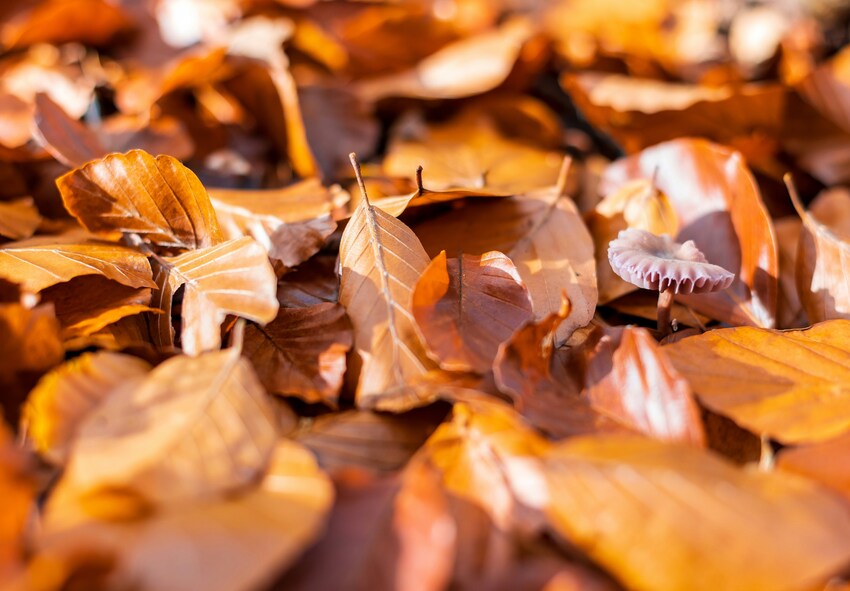
Fallen leaves are one of the most noticeable signs of autumn, and managing them is an important part of garden care in October. Leaves should generally be cleared from lawns and paths when they form thick layers. A heavy covering can reduce light and airflow around grass and may contribute to poor lawn condition.
Healthy leaves do not necessarily need to be treated as garden waste. They can be added to a compost pile or used to produce leaf mould, which can become a useful organic soil amendment. Shredded leaves can also be used as a light mulch in appropriate areas. Avoid piling wet leaves directly against plant crowns or stems.
Diseased leaves should be handled more carefully. Depending on the disease and local guidance, it may be better to remove affected material from the garden rather than adding it to home compost.
October Lawn Care
October lawn care focuses on maintaining healthy grass while preparing it for the colder season. Continue mowing while the grass is actively growing, but avoid mowing when the lawn is frozen or saturated. Gradually adjust mowing practices according to local weather and grass growth. October can also be a suitable time to repair bare or damaged areas if temperatures and moisture levels still support grass establishment.
Aerating can help relieve compaction and improve the movement of air and water through the soil. Scarifying may also be useful for lawns with excessive thatch, but these tasks should only be carried out when conditions are suitable. An appropriate autumn lawn fertilizer may be useful in some situations. Avoid excessive nitrogen late in the season and always follow the product’s application instructions.
Pruning and Winter Protection
As part of October garden maintenance, pruning and winter protection require a little more thought than simply cutting plants back and covering everything. Different plants have different pruning requirements, so avoid treating the entire garden in the same way. At the same time, early frosts can affect vulnerable plants before winter has fully arrived.
Pruning in October
Before making major cuts, check the specific pruning requirements of the plant. If in doubt, removing clearly dead or damaged material is generally safer than carrying out extensive shaping. Remove dead, damaged, or diseased growth where appropriate. This can improve the appearance of plants and remove material that may otherwise harbor pests or diseases.
However, avoid unnecessary heavy pruning. Some plants are better pruned during their dormant season or after flowering, while pruning others in autumn can encourage new growth that may be vulnerable to frost.
Protecting Plants From Frost
October can bring the first significant frosts in some regions. Pay particular attention to young plants, newly planted specimens, tender perennials, and other frost-sensitive plants. Container-grown plants are often easier to protect because they can be moved to a sheltered position when necessary. Horticultural fleece can also provide temporary protection for suitable plants.
A layer of appropriate mulch can help insulate soil around some plants, but avoid piling mulch directly against crowns or stems. Protection should be adapted to the plant and local weather. Avoid covering plants unnecessarily for long periods, particularly when conditions are mild and damp.
Soil and Watering in October
Healthy soil is an important foundation for successful autumn garden maintenance. October is a useful time to add mature compost or suitable organic matter to beds and borders.
Organic matter can improve soil structure and contribute to long-term soil health. However, avoid working soil when it is very wet because digging saturated soil can damage its structure and cause compaction. Check drainage before winter. Areas that remain waterlogged after rainfall may need improvement before they become a problem for plants.
Watering requirements usually decrease as temperatures fall, but newly planted trees, shrubs, perennials, and bulbs may still need moisture during dry periods. Check the soil before watering rather than following a fixed schedule. The aim is to keep newly planted specimens adequately hydrated without creating constantly wet conditions.
Pest and Disease Checks
An inspection of the garden should be part of any October garden checklist. Walk through beds, borders, containers, and the lawn and look for signs of pests or disease before winter.
Remove diseased foliage and clearly infected plant debris where appropriate. Cleaning up affected material can reduce potential sources of problems in the following growing season. Check plants for common garden pests such as slugs and snails, as well as other insects that may remain active during mild autumn weather.
Garden tools should also be cleaned after working with diseased plants. Wash away soil and plant residue and disinfect cutting tools when appropriate to reduce the risk of spreading problems between plants.
October Garden Maintenance Checklist
Use this simple October garden maintenance checklist to keep track of the most important seasonal jobs:
- Plant spring bulbs: Plant suitable tulips, daffodils, crocuses, hyacinths, alliums, and other spring-flowering bulbs.
- Plant trees, shrubs, and perennials: Take advantage of suitable autumn conditions to establish new plants.
- Divide suitable perennials: Divide established plants when their species and local conditions make autumn division appropriate.
- Manage fallen leaves: Clear thick layers from lawns and paths and reuse healthy leaves through composting or leaf mould.
- Prepare flower beds: Remove weeds and diseased material and add mature compost or suitable organic matter.
- Continue lawn care: Mow while grass is growing and repair or aerate lawns when conditions are suitable.
- Prune where appropriate: Remove dead or damaged growth and follow the specific pruning requirements of each plant.
- Protect vulnerable plants: Prepare for early frost by using fleece, mulch, or sheltered locations where necessary.
- Check soil and drainage: Look for compacted or waterlogged areas and improve growing conditions before winter.
- Clean and maintain garden tools: Remove soil, clean cutting tools, and store equipment in a dry location.
Conclusion
Garden maintenance in October is about finding the right balance between cleaning up the garden and preparing it for the seasons ahead. Planting spring bulbs, establishing new plants, managing leaves, caring for the lawn, and checking soil conditions can all contribute to a healthier garden.
Winter protection is equally important, particularly for young, newly planted, and frost-sensitive plants. At the same time, not every stem, leaf, or seed head needs to be removed. Leaving suitable plant material can provide winter interest and support garden wildlife.
The best approach to gardening in October depends on local weather, climate, soil, and the plants growing in your garden. By focusing on practical seasonal tasks rather than trying to do everything at once, you can prepare the garden for winter while giving it a strong start for the next growing season.
Frequently Asked Questions (FAQs) about Gardening in October
1. What gardening jobs should be done in October?
Important October gardening tasks include planting spring-flowering bulbs, planting suitable trees and perennials, preparing flower beds, managing fallen leaves, and continuing lawn care. October is also a good time to check drainage, remove diseased plant material, divide suitable perennials, inspect plants for pests, and prepare vulnerable plants for early frost.
2. What bulbs can I plant in October?
October is a suitable planting period for many spring-flowering bulbs, including tulips, daffodils, crocuses, hyacinths, and alliums, depending on your climate. Choose healthy, firm bulbs and plant them at the recommended depth in well-drained soil. Water after planting if conditions are dry, but avoid keeping the soil constantly saturated.
3. Can I order spring-flowering bulbs in your online store?
Yes, you can check our online store Dutch-bulbs.com for spring-flowering bulbs when available. Popular choices for autumn planting include tulips, daffodils, crocuses, hyacinths, and alliums. When choosing bulbs, consider your local climate, planting conditions, flowering period, and the amount of sunlight and drainage available in your garden.
4. Should I cut back perennials in October?
Not all perennials should be cut back in October. Diseased or damaged foliage can generally be removed, while healthy stems and seed heads can often remain through winter. They may provide attractive structure and offer food or shelter for wildlife. Always consider the individual plant’s pruning requirements and local growing conditions before cutting.
5. How should I prepare my garden for winter in October?
Preparing a garden for winter includes clearing diseased plant material, managing fallen leaves, checking drainage, adding suitable compost, protecting vulnerable plants from frost, and maintaining lawns while grass is still growing. October is also useful for planting bulbs and suitable trees, shrubs, and perennials so they can establish before severe winter conditions.
Published: 02.10.2026