



Anemones bring delicate flowers and vibrant color to gardens, often appearing in early spring when many other plants are still dormant. To enjoy healthy plants and reliable flowering year after year, it is important to understand how to overwinter anemones properly. Winter care protects their underground storage organs from frost, excess moisture, and other conditions that can interfere with growth in the following season.
The best overwintering method depends on both the anemone species and the local climate. In regions with severe winters, some tuberous anemones need to be lifted and stored indoors, while many hardy rhizomatous species can remain in the ground. In mild climates, outdoor overwintering may be possible, although wet winter soil can still cause problems. Understanding these differences helps gardeners choose the right protection for their plants. Our gardening blog is a perfect place to find all the information you need!
Overwintering Anemones in Cold Climate Zones
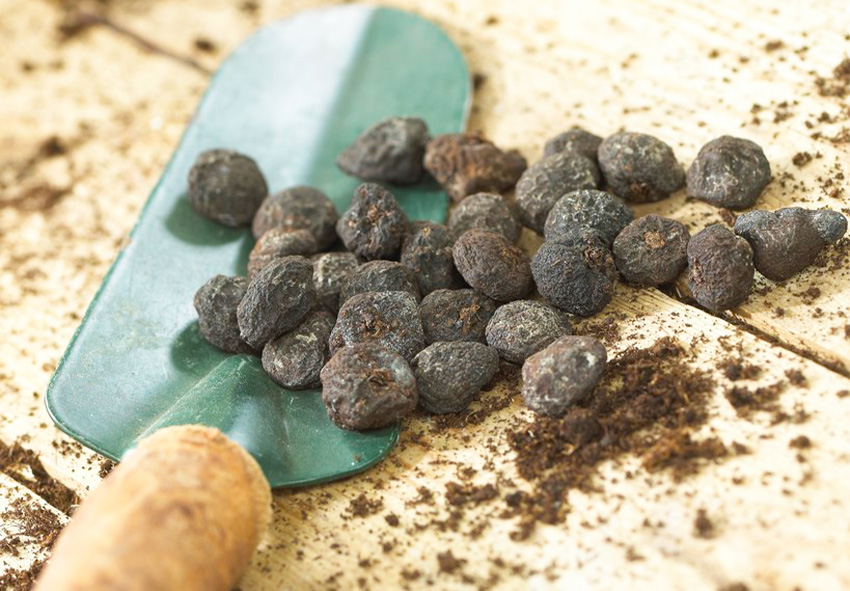
Regions with long, freezing winters require careful planning, especially for anemones that are sensitive to low temperatures. While many hardy rhizomatous species can survive outdoors, tuberous anemones may need to be lifted before the ground freezes. Choosing the right approach for each group reduces winter losses and supports healthy flowering in spring.
Winter Challenges in Regions with Severe Frost
In cold climates, prolonged freezing can damage underground plant structures, particularly those that are not adapted to severe winter temperatures. Repeated freeze-thaw cycles can also disturb the soil, expose shallow underground growth, and affect plants growing in poorly protected locations.
Moisture presents an additional challenge. When soil remains saturated and temperatures fluctuate around freezing, dormant tubers may become vulnerable to decay. Even hardy rhizomatous species can suffer if their planting sites remain waterlogged for long periods. Before winter arrives, consider the following conditions:
- Minimum temperatures: Check how cold your region typically becomes and whether the species can tolerate those temperatures.
- Soil drainage: Heavy clay soil and low-lying areas may retain too much water during winter.
- Snow cover: A stable snow layer can insulate the soil, but snow cover is not guaranteed every winter.
- Exposure: Windy, exposed beds may experience greater temperature fluctuations than sheltered locations.
These factors help determine which plants can safely remain outdoors and which need additional protection.
How to Protect Tuberous Anemones
In regions with severe frost, lifting tubers of Anemone coronaria is often the safest overwintering method. Wait until the foliage has yellowed and died back naturally, indicating that the plant is entering dormancy. Lift the tubers before the soil freezes or prolonged cold weather makes outdoor storage risky. Follow these steps to prepare tubers for winter:
- Carefully loosen the soil around the plant with a hand fork or small garden tool.
- Lift the tubers gently to avoid cutting or bruising them.
- Remove loose soil and inspect each tuber for soft, damaged, or rotten areas.
- Allow the surfaces to dry in a shaded, well-ventilated, frost-free place.
- Store the tubers in a breathable container in a cool, dry location where temperatures remain above freezing.
Avoid storing tubers in wet soil or airtight plastic bags, as trapped moisture can encourage rot. Check them periodically during winter and remove any material showing signs of decay. Container-grown tuberous anemones can be moved into a protected, frost-free location when their growing cycle has finished. If the pots remain outdoors, the growing medium should not become waterlogged or freeze solid. Where winters are particularly harsh, removing the tubers from the containers may provide more reliable protection.
How to Protect Rhizomatous Anemones
Many hardy rhizomatous anemones, including suitable varieties of Anemone blanda and Anemone nemorosa, can remain in the ground through cold winters. Their underground structures are generally adapted to seasonal cold, so lifting them is often unnecessary and may disturb established plants. To help them overwinter successfully:
- Choose well-drained soil. Avoid sites where water collects after rain or snowmelt.
- Apply protective mulch. Once the soil has cooled, add a moderate layer of leaf mold, shredded leaves, or another loose organic mulch to help insulate the ground.
- Protect exposed planting areas. Plants in windy or particularly exposed beds may benefit from additional insulation.
- Leave healthy underground growth undisturbed. Avoid digging around the planting area during dormancy.
Do not apply a thick, wet layer of mulch over poorly drained soil. Excessive moisture can increase the risk of rot, even for plants that tolerate cold temperatures well. Remove or thin the mulch gradually in spring as new shoots begin to appear.
Overwintering Anemones in Temperate Climate Zones
Temperate climates usually experience a mixture of seasonal frost, occasional freezing temperatures, and periods of relatively mild weather. These conditions often allow hardy rhizomatous anemones to overwinter outdoors, but tuberous species may still need protection depending on local temperatures and soil moisture. Gardeners should pay particular attention to drainage and the likelihood of sudden cold spells.
Typical Winter Conditions and Risks
In temperate regions, winter weather can change considerably from week to week. A mild spell may be followed by a sharp frost, while periods of rain can leave the soil saturated just as temperatures drop.
These fluctuations affect anemones differently. Hardy rhizomatous species may tolerate the cold but struggle in persistently wet soil. Tuberous anemones may survive in sheltered, well-drained beds where winters are relatively mild, yet fail in colder or wetter locations. To assess your garden, consider:
- Whether the soil freezes for extended periods.
- How often heavy rain occurs during winter.
- Whether the planting area drains freely.
- Whether the garden is sheltered or exposed to cold winds.
- The winter hardiness of the specific anemone species.
Local growing experience can be useful, but remember that a plant surviving one winter outdoors does not guarantee success during an unusually cold or wet season.
Winter Care for Tuberous Anemones
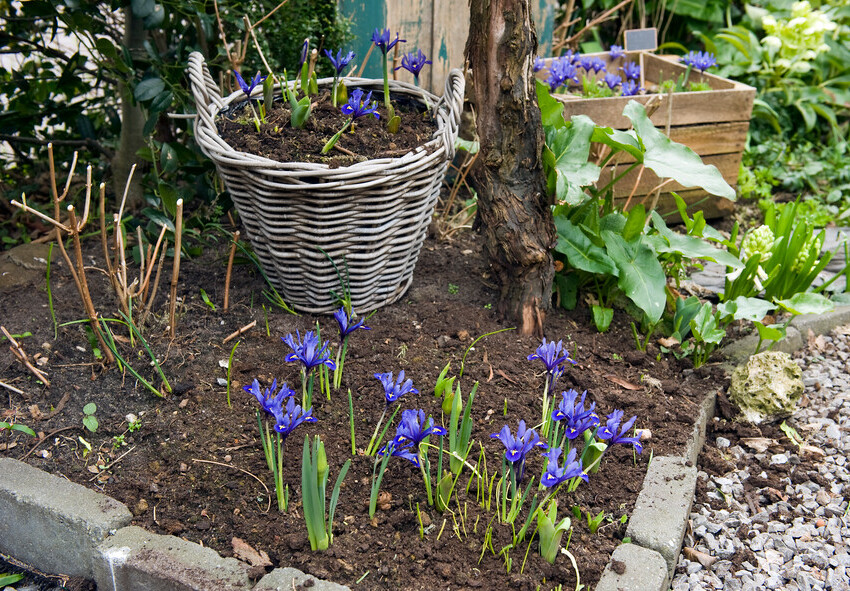
In temperate climates, tubers of Anemone coronaria may be able to remain in the ground if winter temperatures are moderate and the soil drains well. However, leaving them outdoors is not automatically the best option for every garden. If you choose to overwinter tubers in the ground:
- Plant them in a site where excess water drains away easily.
- Avoid low-lying areas that remain wet after rainfall.
- Use a light protective mulch if occasional frost is expected.
- Monitor weather forecasts and lift the tubers if severe freezing is likely.
In areas with frequent winter rain, lifting and storing tubers may be safer even when temperatures rarely fall far below freezing. Wet soil can cause more damage than a brief, light frost. Container-grown tuberous anemones should be kept out of persistent rain where necessary. Ensure the pots have drainage holes and never leave them standing in water-filled saucers. If a severe cold spell is forecast, move the containers to a sheltered, frost-free place.
Winter Care for Rhizomatous Anemones
Many hardy rhizomatous anemones can remain outdoors in temperate climates with little intervention. Their natural growth cycle usually includes a period of dormancy, during which their underground structures survive unfavorable conditions until growth resumes. Once the foliage has died back, leave the underground growth undisturbed. A light layer of organic mulch can help protect plants in exposed locations, although established plants in sheltered beds may not need additional insulation.
Avoid excessive winter watering, particularly where rainfall already keeps the soil moist. If the garden has heavy soil, improve drainage where practical rather than relying on thick mulch to solve the problem. In spring, allow shoots to emerge naturally. Some woodland species flower early and may begin growing before the garden appears fully awake, so avoid digging or cultivating around them during late winter and early spring.
Overwintering Anemones in Mild Climate Zones
Mild-winter climates generally offer favorable conditions for leaving suitable anemones outdoors. Severe freezing may be uncommon, allowing many plants to survive with minimal protection. Nevertheless, mild temperatures do not eliminate winter risks, especially in gardens with heavy rainfall, poor drainage, or warm conditions that disrupt the plants’ natural seasonal cycle.
Can Anemones Stay in the Ground?
In mild climates, many anemones can remain in the ground throughout winter if the species is suited to the region and the soil drains well. Hardy rhizomatous species are often particularly well suited to this approach, while tuberous anemones may also overwinter outdoors in suitable conditions.
Before deciding to leave plants in place, check the expected winter temperatures and rainfall. A garden that rarely freezes but remains waterlogged for weeks may be less suitable than a colder garden with free-draining soil. Good drainage is essential because underground plant structures need protection from prolonged saturation.
Raised beds, sloping sites, or soil improved with suitable organic matter can help reduce waterlogging, depending on the existing soil type. Avoid adding heavy coverings that trap moisture around dormant plants. In mild climates, a modest layer of loose organic mulch may be sufficient, and some plants may not need additional winter protection at all.
Caring for Tuberous Anemones in Mild Winters
Tuberous anemones may remain outdoors in regions where winters are mild, frost is limited, and the soil stays relatively dry. However, the decision should be based on local conditions rather than temperature alone. If you leave Anemone coronaria tubers in the ground, reduce unnecessary irrigation during dormancy and allow natural rainfall to determine much of the soil moisture. Ensure the planting site does not collect water, particularly during prolonged wet weather.
Where winter rainfall is heavy, consider growing tuberous anemones in raised beds or containers with good drainage. This makes it easier to manage moisture and protect the tubers during unusually wet periods. Lifting and dry storage can still be beneficial when the garden remains saturated, when a cold spell is forecast, or when you want to protect particularly valuable tubers. In mild regions, overwintering outdoors is an option rather than a requirement.
Caring for Rhizomatous Anemones
Hardy rhizomatous anemones generally benefit from remaining in the ground and following their natural seasonal cycle. Many woodland species grow well in soil enriched with leaf mold or other organic matter, provided the growing medium retains some moisture without becoming waterlogged.
During winter, avoid disturbing the planting area or removing healthy organic material that protects the soil. A thin layer of decomposing leaves can help maintain soil structure and support a woodland-style growing environment. Watering should reflect actual conditions. If rainfall keeps the soil moist, additional irrigation is usually unnecessary while plants are dormant.
If the winter is unusually dry, check the soil before watering rather than following a fixed schedule. Occasional cold snaps can still occur in mild climates. Where frost-sensitive species are grown, use temporary protection when needed and follow the hardiness guidance for the particular plant.
Overwintering Anemones in Warm Climates with Wet Winters
Warm climates can present a different challenge: temperatures may remain suitable for outdoor growth, but prolonged winter rainfall can create conditions that damage underground plant structures. This is especially important for tuberous anemones, which are vulnerable to rot in persistently wet soil. Winter care should therefore focus on drainage, moisture management, and selecting species suited to the local climate.
The Main Winter Risk: Excess Moisture
In regions with warm, rainy winters, soil may remain saturated for extended periods. When air circulation is limited and the ground does not dry between rain showers, dormant tubers and rhizomes can become vulnerable to decay. Poor drainage is particularly problematic in heavy clay soil, compacted beds, and low-lying parts of the garden. Even plants that tolerate moderate moisture may struggle when their underground structures remain surrounded by water. To reduce the risk:
- Improve drainage before planting rather than trying to correct persistent waterlogging during winter.
- Use raised beds or suitable containers where garden soil drains poorly.
- Avoid planting anemone bulbs in depressions where rainwater collects.
- Adjust irrigation to account for natural rainfall.
- Remove decaying plant material that may harbor disease.
Organic matter can improve soil structure, but the right amendment depends on the existing soil. Simply adding more organic material does not guarantee good drainage, especially in heavily compacted or waterlogged ground.
Managing Tuberous Anemones
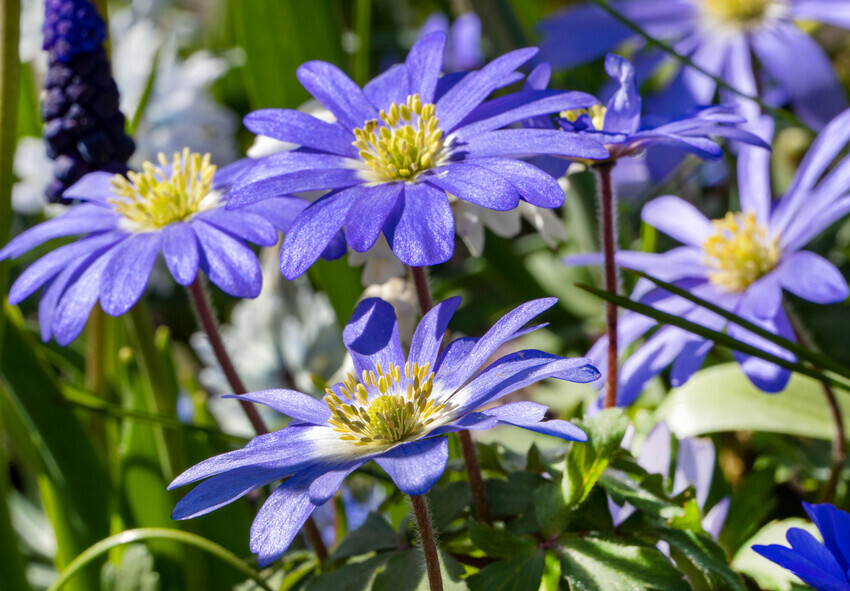
Tuberous anemones need careful moisture management in warm, wet climates. Although severe frost may not be a concern, prolonged rainfall can threaten tuber health, particularly during dormancy. Reduce watering when the foliage naturally declines and the plant enters dormancy. Avoid keeping the soil constantly wet, and make sure containers have unobstructed drainage holes.
If the planting area becomes saturated regularly, lifting the tubers after the foliage dies back may be a better option. Allow them to dry on the surface in a shaded, well-ventilated location, then store them in a cool, dry place until conditions are suitable for replanting. Do not leave freshly lifted tubers wet in a sealed container.
Good airflow and appropriate storage conditions are important for preventing decay. Check stored tubers periodically and remove any that develop soft or rotten areas. In regions with mild, well-drained winters, outdoor overwintering may still work. The important consideration is whether the soil can drain and dry sufficiently between periods of rain.
Managing Rhizomatous Anemones
Rhizomatous anemones require species-specific care in warm climates. Some woodland species are adapted to cool seasonal conditions and may not thrive in areas with consistently warm winters, even if frost is absent. Choosing a species suited to the local climate is therefore just as important as selecting an overwintering method.
For rhizomatous anemones that are suitable for the region, focus on soil structure and moisture control. Avoid excessive irrigation, particularly during dormancy, and ensure that the planting site does not remain saturated. A sheltered position with well-drained, humus-rich soil may suit some species, but the ideal conditions vary.
Not every woodland anemone is adapted to warm winters, and some may need a cooler growing environment than the local climate provides. If you are growing an unfamiliar species, consult reliable plant-specific guidance before leaving it outdoors year-round. Understanding its natural habitat and cold requirements will help you determine whether the climate is appropriate and what protection, if any, is needed.
Conclusion
Overwintering anemones successfully depends on understanding both the plant’s biology and the conditions in your garden. Climate, soil drainage, winter rainfall, and frost exposure all influence whether an anemone should remain outdoors, receive protective mulch, or be lifted and stored until spring.
Tuberous anemones, including Anemone coronaria, often need extra protection in regions with severe frost or persistently wet winters. Many hardy rhizomatous species, such as Anemone blanda and Anemone nemorosa, can remain in the ground when the climate and soil conditions suit them.
Rather than following one winter-care routine for every anemone, identify the species and assess your local conditions first. With appropriate protection, good drainage, and careful seasonal management, you can help your anemones survive winter and produce healthy growth and beautiful flowers when the growing season returns.
Frequently Asked Questions (FAQs) about Overwintering Anemones
1. Do anemones need to be lifted for winter?
Not all anemones need lifting for winter. Many hardy rhizomatous species, including Anemone blanda and Anemone nemorosa, can remain in the ground in suitable climates. Tuberous anemones, such as Anemone coronaria, may need lifting in regions with severe frost or persistently wet winters to prevent freezing and rot.
2. How do you overwinter tuberous anemones?
Wait until the foliage of tuberous anemones has died back, then carefully lift the tubers before severe freezing. Remove excess soil, inspect for damaged areas, and allow the surfaces to dry in a shaded, frost-free place. Store them in a cool, dry, well-ventilated location and check periodically for rot or excessive shriveling.
3. Can anemones survive winter outdoors?
Many anemones can survive winter outdoors, but their hardiness depends on the species and local climate. Hardy rhizomatous varieties often tolerate seasonal frost, especially in well-drained soil. Tuberous anemones are more vulnerable to severe freezing and waterlogged conditions. Protective mulch can help suitable outdoor plants, but it cannot guarantee survival during extreme weather.
4. Can I order anemone bulbs in your online store?
Yes, you can look for anemone planting material in an online store Dutch-bulbs.com, where seasonal selections may include tuberous and rhizomatous varieties. Before ordering, check the species, flowering period, hardiness, and recommended planting conditions. These details help you choose plants suited to your climate and determine whether they will need winter protection or can remain outdoors.
5. How do you protect anemones from winter rain?
Protect anemones from excessive winter rain by planting them in well-drained soil and avoiding areas where water collects. Raised beds and containers with drainage holes can help in wet climates. Reduce unnecessary watering during dormancy, and consider lifting tuberous anemones if the soil remains saturated. Avoid thick, wet mulch that traps moisture around underground growth.
Published: 04.11.2026