



Containerised “lasagne” pots are a clever way to grow several layers of spring-flowering bulbs in one container. By planting bulbs at different depths, gardeners can create a succession of flowers, making a balcony, patio, or small outdoor space feel much more colorful in spring. However, containers are more exposed to winter temperatures than bulbs planted directly in the ground.
The soil around the bulbs can freeze and thaw quickly, especially when pots are sitting on exposed balconies or patios. With a few simple insulation hacks and careful winter care, you can protect your layered bulbs and give them a strong start for the next growing season. Our gardening blog is a perfect place to find all the information you need!
Why Containerised Lasagne Pots Need Winter Protection
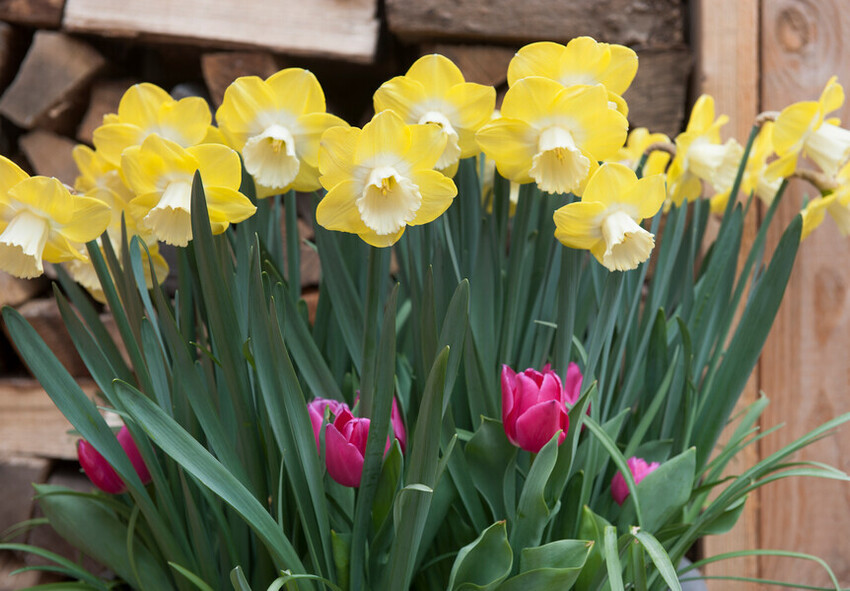
Winter protection is particularly important when bulbs are grown in containers rather than garden beds. Understanding how cold affects the pot and its roots will help you choose the right protection.
How Cold Temperatures Affect Container Bulbs
Most spring-flowering bulbs need a period of cold dormancy to flower properly. Tulips, daffodils, crocuses, hyacinths, and many other bulbs naturally experience winter temperatures before beginning active growth in spring. The problem is that containers don’t provide the same insulation as the ground. Cold air can surround the entire pot, causing the growing medium to become much colder than soil several inches below ground level.
Extremely low temperatures can damage roots and bulbs, particularly when containers are small or exposed to strong winds. Repeated freezing and thawing can also disturb the soil and potentially push bulbs upward. The goal isn’t necessarily to keep the container warm throughout winter. Instead, good insulation helps moderate temperature changes and protects the root zone from extreme cold.
Why Container Roots Freeze Faster
Garden soil benefits from the insulating effect of the surrounding earth. A container, on the other hand, has exposed sides, so cold can reach the roots from several directions. This is especially important on balconies and elevated patios. Containers may be exposed to cold air on all sides, while paving and concrete surfaces can become extremely cold overnight.
Wind can make the situation even more challenging by increasing heat loss from exposed pots. Small containers are generally more vulnerable because they contain less soil to buffer temperature changes. Grouping several containers together, moving them against a building wall, and insulating the sides of pots can all help reduce exposure.
Choosing the Right Container for Winter
A suitable container can make overwintering much easier. Before planting your lasagna pot, consider the material, size, drainage, and location of the container.
Best Container Materials
Thick, frost-resistant plastic, fiberglass, resin, and heavy-duty composite containers can work well for winter bulb displays. These materials are less likely to crack when moisture in the potting mix freezes and expands.
Wooden containers can also provide useful insulation, although they need to be designed for outdoor conditions. If you prefer terracotta or ceramic, choose products specifically labeled as frost-resistant. Whatever material you choose, drainage remains essential. A durable pot won’t protect bulbs if excess water remains trapped around their roots.
Choosing the Correct Pot Size
A lasagna pot needs enough depth to accommodate multiple bulb layers without forcing bulbs too close together. A deeper container also provides more growing medium around the bulbs, offering some protection from temperature fluctuations.
Avoid choosing a container that’s unnecessarily small. As a general rule, the pot should have enough depth for the deepest bulb layer plus several inches of soil above it. The final dimensions depend on the bulbs you’re planting, so always check the recommended planting depth for each variety.
Protecting Terracotta and Ceramic Pots
Terracotta and ceramic containers can be attractive choices for bulb displays, but some types are vulnerable to cracking during freezing weather. Water absorbed into the material can expand when temperatures fall below freezing.
If your container isn’t frost-resistant, consider moving it to a sheltered location before severe freezes arrive. Wrapping the outside of the pot can provide additional protection, but it shouldn’t block drainage holes. A sheltered position beside a wall or under a covered patio can also reduce exposure to freezing winds and heavy precipitation.
Preparing Lasagna Pots for Winter
Good preparation before the coldest weather arrives can make your winter protection much more effective. Focus on moisture, insulation, and placement rather than trying to create a warm environment for dormant bulbs.
Checking Soil Moisture Before Winter
Before insulating your pot, check the moisture level of the growing medium. The soil should be slightly moist but never saturated. Waterlogged soil can freeze into a solid mass and creates conditions that encourage bulb rot.
On the other hand, extremely dry soil can leave newly planted bulbs without enough moisture for root development. After planting autumn bulbs, water thoroughly if the soil is dry, then allow excess water to drain completely.
Adding Protective Mulch
A layer of mulch over the surface can provide another level of insulation for the uppermost bulb layer. Materials such as straw, shredded leaves, bark, or other suitable organic mulch can help buffer temperature fluctuations.
Don’t pack mulch tightly against emerging shoots once spring growth begins. As temperatures rise, gradually reduce the protective layer so shoots can emerge naturally. Mulch can also help reduce rapid moisture loss during dry winter periods.
Positioning Pots in Sheltered Locations
Location is one of the easiest ways to protect a container garden. Move lasagna pots away from exposed edges and place them near a building wall, enclosed corner, or covered patio where possible.
A wall can provide some protection from wind and may moderate temperature fluctuations. Grouping pots together also reduces the amount of exposed surface area. However, don’t place containers somewhere that prevents drainage or leaves them permanently waterlogged after rain.
Best Insulation Hacks for Balconies and Patios
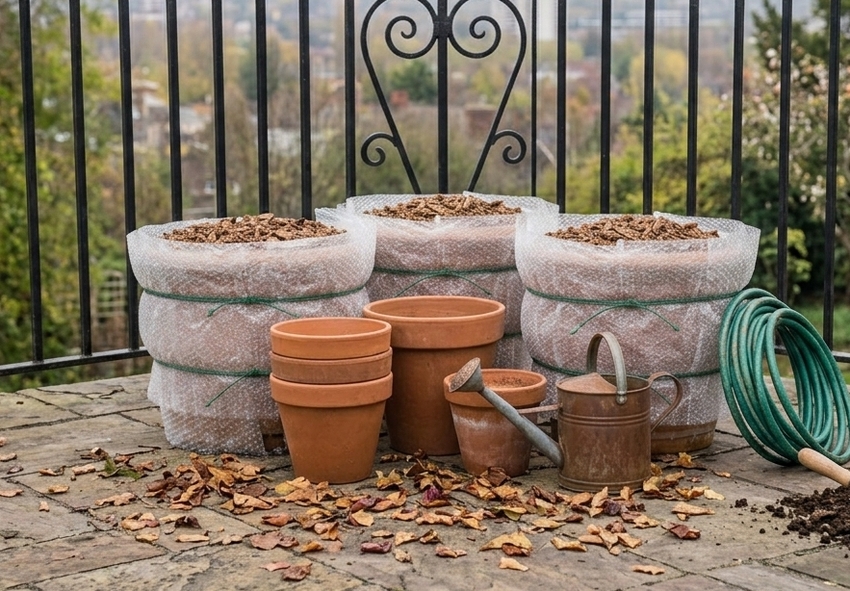
There are several inexpensive ways to insulate containers without building a permanent structure. The best approach depends on your climate, container size, and how exposed your balcony or patio is.
Here are practical options to consider:
- Wrapping Pots with Bubble Wrap: Wrap the outside of the container with several layers of bubble wrap, leaving drainage holes completely uncovered. Secure it with garden tape or ties so winter wind doesn’t loosen the material.
- Using Horticultural Fleece: Horticultural fleece can be placed around containers or loosely over plants when severe frost is expected. It provides protection while still allowing some air movement.
- Insulating with Straw or Leaves: Surrounding the pot with straw, dry leaves, or similar insulating material can create an additional buffer against freezing temperatures. Keep the material reasonably dry to avoid excessive moisture.
- Using Cardboard and Burlap: Cardboard can provide temporary insulation around the outside of a pot, while burlap can hold insulation materials in place. Protect cardboard from prolonged rain so it doesn’t become saturated.
- Raising Pots Off Cold Surfaces: Place containers on pot feet, wooden slats, or another suitable support. This improves drainage and reduces direct contact with freezing concrete, stone, or other hard surfaces.
- Creating a Temporary Windbreak: A screen, trellis, reed panel, or other barrier can reduce exposure to cold winds. Make sure the structure is secure enough to withstand winter weather.
The key is to insulate the container without sealing it completely. Air circulation and drainage remain important throughout winter.
How to Protect Different Bulb Layers
A lasagna container contains bulbs at different depths, so each layer has a slightly different level of protection. The upper layers are generally more exposed to temperature changes than bulbs deeper in the pot.
Top-Layer Bulbs
Top-layer bulbs are closest to the surface and therefore have less soil between them and cold air. They may need extra protection during severe freezes. A layer of mulch can help buffer temperature changes around these bulbs. If the container is exposed to extreme cold, adding insulation around the pot itself provides additional protection. Avoid excessive mulch if bulbs have already started emerging.
Middle-Layer Bulbs
Middle-layer bulbs have more soil around them, giving them some natural insulation. Even so, they can still be affected by prolonged freezing, particularly in small containers. Keeping the pot against a sheltered wall and insulating its sides is usually helpful. Ensure the growing medium remains well drained throughout winter.
Deep-Layer Bulbs
Deep-layer bulbs have the greatest amount of soil between them and the outside air. This gives them more protection from short periods of freezing weather. However, extremely cold conditions can eventually penetrate the entire container. If a severe freeze is expected, move the pot to a protected but cool location rather than bringing it into a heated room.
Managing Water During Winter
Water management is just as important as insulation. Too much moisture can cause rot, while completely dry containers can leave bulbs stressed.
How Much Water Do Dormant Bulbs Need?
Dormant bulbs generally don’t require frequent watering. If the container receives regular winter rain or snow, additional irrigation may not be necessary. Check the growing medium periodically, especially when the pot is positioned beneath a roof or sheltered balcony. If the soil becomes excessively dry, give it a modest amount of water during a period when temperatures are above freezing. Avoid watering immediately before a hard freeze.
Preventing Waterlogged Containers
Always make sure drainage holes remain open and unobstructed. Don’t place containers directly on surfaces where drainage water can become trapped. If heavy rain is common, position pots where they can drain freely. A well-drained potting mix is also essential because dense garden soil can retain too much water inside containers. Good drainage helps protect bulbs from both winter rot and repeated freeze-thaw problems.
What to Do After Heavy Rain or Snow
After prolonged wet weather, check whether water is draining freely from the container. Remove leaves or debris that may be blocking drainage holes. If snow accumulates on top of the pot, there’s usually no need to remove a light covering. However, very heavy snow or ice may place unnecessary weight on delicate shoots or container structures. After severe weather passes, check the pot for cracks, displaced insulation, and exposed soil.
Spring Preparation After Winter
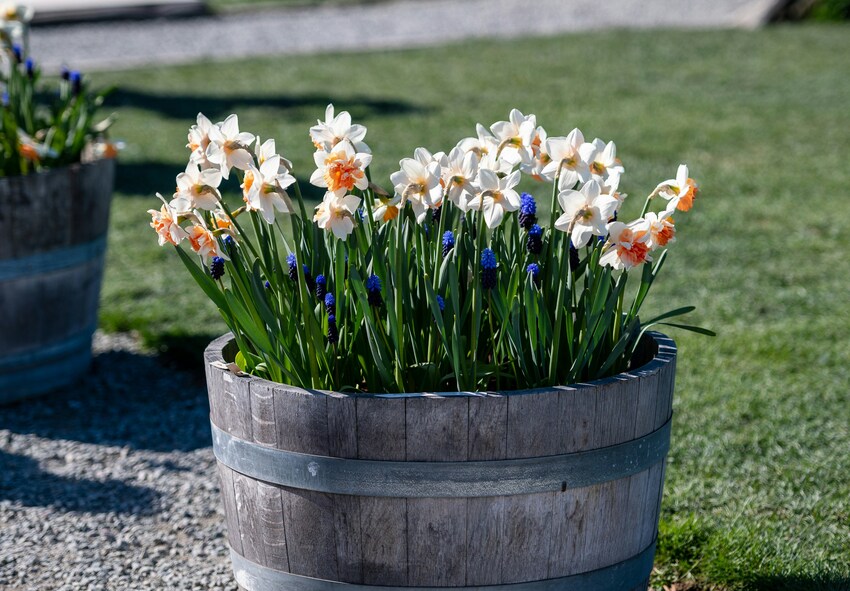
As winter ends, the focus shifts from protection to encouraging healthy growth. Don’t remove every layer of insulation at the first sign of warmer weather.
When to Remove Winter Insulation
Remove or reduce insulation gradually as temperatures become more consistently mild. Keep some protection available if a late hard frost is forecast. Once shoots begin appearing, make sure mulch isn’t preventing them from reaching the light. Move containers back toward their intended growing position according to the light requirements of the bulbs. Spring is also a good time to check that drainage remains unobstructed.
Checking Bulbs for Damage
Inspect emerging plants for signs of frost damage, rot, or unusual discoloration. Healthy shoots should gradually develop as temperatures and light levels increase. If a bulb appears soft, badly damaged, or affected by rot, remove it carefully without disturbing healthy neighboring bulbs. Also check the container for cracks caused by freezing and thawing. With sensible winter protection, most healthy bulbs can transition from dormancy into vigorous spring growth without major problems.
Conclusion
Overwintering containerised “lasagna” pots doesn’t have to be complicated. The most important steps are choosing a suitable frost-resistant container, maintaining good drainage, checking moisture levels, adding insulation around exposed pots, and moving containers to sheltered positions when severe weather is expected.
Because container bulbs are more exposed than bulbs planted in the ground, simple measures such as bubble wrap, horticultural fleece, mulch, burlap, pot feet, and windbreaks can make a meaningful difference. Just remember that bulbs still need proper seasonal cold to complete their natural growth cycle.
With thoughtful preparation, your balcony or patio can become home to a layered succession of spring flowers. Visit our online plant store to explore bulbs, containers, and gardening supplies for creating your own beautiful lasagna pot.
Frequently Asked Questions (FAQs) about Overwintering Lasagna Pots
1. What is a lasagna pot for bulbs?
A lasagna pot is a container planted with several layers of spring-flowering bulbs at different depths. Deeper bulbs generally flower later, while bulbs closer to the surface bloom earlier. This technique creates a succession of flowers in one container, making it especially useful for balconies, patios, terraces, and other small outdoor spaces.
2. Do lasagna pots need protection during winter?
Yes, containerised lasagna pots may need winter protection, particularly in areas with severe freezes. Unlike bulbs planted in the ground, container bulbs are surrounded by exposed soil and can freeze more quickly. Wrapping pots, adding mulch, grouping containers, and moving them to sheltered locations can help protect bulbs from extreme temperature changes.
3. Can I order bulbs for lasagna pots from your online store?
Yes, you can order a variety of bulbs suitable for creating beautiful lasagna pots from our online store Dutch-bulbs.com. Layering different bulb varieties can provide a succession of colorful blooms in spring. You can also find containers, soil products, and other gardening supplies to help you create and protect your seasonal bulb display.
4. What is the best way to insulate a lasagna pot?
Several simple methods can protect a lasagna pot during winter. Wrap the outside of the container with bubble wrap or burlap, add a suitable mulch layer, and raise the pot above cold surfaces. Positioning containers against a sheltered wall and using a temporary windbreak can provide additional protection during particularly cold weather.
5. How often should I water a lasagna pot in winter?
Dormant bulbs generally need little supplemental water during winter. Check the pot occasionally and water only if the growing medium becomes noticeably dry, especially when the container is protected from rainfall. Avoid watering before a hard freeze, and always ensure drainage holes remain open to prevent waterlogged soil and bulb rot.
Published: 14.09.2026