



Lily bulbs can remain healthy through winter when they are lifted, prepared, and stored under the right conditions. Proper storage helps protect them from excessive moisture, freezing temperatures, rot, and premature growth, giving the bulbs a better start when it is time to plant them again.
Not every lily needs to be lifted for winter. Many hardy lilies can remain in the ground in suitable climates, especially when planted in well-drained soil. However, lifting and storing bulbs can be useful for container-grown lilies, less hardy types, or gardens where winter conditions are particularly challenging.
The timing is important. If you need to lift lily bulbs, wait until the foliage has naturally yellowed and died back after flowering. This allows the plant to transfer energy back into the bulb before dormancy. Our gardening blog is a perfect place to find all the information you need!
How to Prepare Lily Bulbs for Winter Storage

Good storage begins before the bulbs are placed in a box, bag, or other container. Taking time to lift, clean, inspect, and prepare each bulb can help reduce the risk of problems during the dormant season.
Wait Until the Foliage Dies Back
After lilies finish flowering, their leaves continue working for a while. The foliage uses sunlight to produce energy and helps replenish the reserves stored in the bulb. For this reason, avoid cutting healthy green leaves down immediately after flowering.
Allow the foliage to turn yellow or brown naturally before lifting the bulbs. Once it has died back, the plant is entering dormancy and the bulb is better prepared for handling and winter storage. Removing the foliage too early can reduce the amount of energy available to the bulb for the following growing season. A little patience after flowering can therefore make a difference to the bulb’s condition when it is replanted.
Dig Up the Bulbs Carefully
When the foliage has died back, use a garden fork or spade to loosen the soil around the lily rather than digging directly into the bulb. Start several inches away from the stem and work gradually toward the planting area.
Lift the bulb carefully and avoid pulling aggressively on the stem or roots. Lily bulbs are made up of overlapping scales rather than having a single solid outer covering, so physical damage can expose them to rot and other problems. If the bulb has roots attached, handle them gently. Some roots may remain healthy and useful when the bulb is replanted, so there is no need to remove them unnecessarily.
Clean and Inspect the Bulbs
Once the bulbs have been lifted, gently remove loose soil with your fingers. Avoid washing the bulbs unless there is a specific reason to do so, because unnecessary moisture can make storage more difficult. Inspect every bulb carefully. Healthy bulbs should feel firm and substantial rather than soft or mushy. Look for signs of:
- Soft or collapsing areas
- Mold or unusual discoloration
- Rot between the scales
- Insect damage
- Severe physical damage
- Excessive shriveling
Separate damaged or diseased bulbs from healthy ones. Storing a problematic bulb together with otherwise healthy planting material can increase the risk of mold or rot spreading.
How to Dry Lily Bulbs Before Storage
Lily bulbs should be surface-dried before they are packed away for winter. The goal is not to dry the bulb completely, but to remove excess surface moisture that could encourage mold and rot.
Place the cleaned bulbs in a cool, shaded, well-ventilated location for a short period. Depending on how wet the bulbs and surrounding soil are, several hours or around a day may be sufficient. Avoid direct sunlight during this process. Strong sunlight can heat or dry the bulbs too quickly.
It is equally important not to leave the bulbs exposed for an unnecessarily long time. Lily bulbs should not become completely dry and shriveled. They naturally contain moisture and need to retain enough of it to remain viable during dormancy. Once the surface feels dry and the bulbs are free from obvious excess moisture, they are ready for packing and storage.
The Best Conditions for Storing Lily Bulbs in Winter
The ideal storage environment should keep lily bulbs dormant without exposing them to extreme cold, excessive warmth, or uncontrolled moisture. During winter, aim for cool and stable conditions with moderate moisture and good ventilation. Temperature, humidity, and airflow all play a role in maintaining bulb quality.
Temperature
Lily bulbs generally benefit from cool, stable storage conditions. The exact temperature requirement can vary depending on the lily type, so it is important to consider the specific variety when preparing bulbs for winter. The storage area should be cool enough to discourage premature growth but should not expose bulbs to damaging freezing conditions unless the particular lily can safely tolerate them.
Avoid heated rooms, where warm temperatures can encourage shoots to emerge before spring. Frequent temperature fluctuations are also undesirable because repeated warming and cooling can create condensation and disturb dormancy. A consistently cool environment is generally easier for maintaining stored bulbs than a space that repeatedly becomes warm during the day and cold at night.
Humidity and Moisture
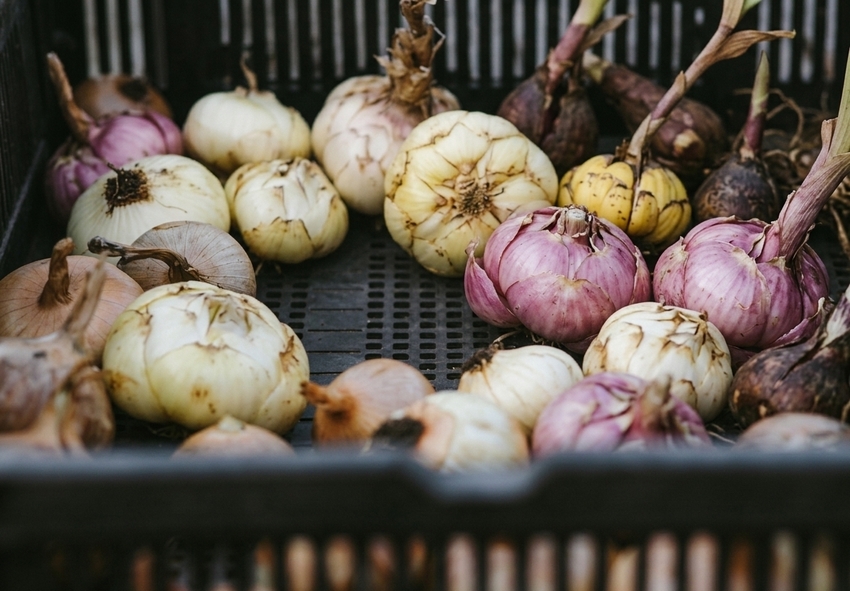
Moisture is one of the biggest concerns when storing lily bulbs. Excess humidity or wet packing material can create conditions where mold and rot develop. At the same time, bulbs should not be stored in an extremely dry environment for a long period. Excessive dehydration can cause bulbs to shrivel and lose quality.
Aim for a balanced environment. The bulbs should remain firm without becoming wet, slimy, or heavily shriveled. Check the bulbs periodically throughout winter. If the storage material feels wet, improve ventilation and reduce excess moisture. If the bulbs are becoming excessively dry, the storage conditions may need adjustment.
Ventilation
Good airflow helps reduce condensation and creates a less favorable environment for mold. This is especially important when several bulbs are stored together. Use breathable bags, paper packaging, or containers that allow some air exchange rather than sealing bulbs tightly in an airtight container.
However, good ventilation does not mean exposing the bulbs to strong drafts or extremely dry air. The objective is simply to prevent stagnant, damp conditions from developing around the bulbs.
How to Pack Lily Bulbs for Winter Storage
Packing provides another layer of protection during winter. Lily bulbs can be placed in a breathable material that helps maintain a reasonably stable moisture level without leaving them sitting in damp conditions.
Slightly dry peat, vermiculite, or another suitable breathable storage medium can be used around the bulbs. The material should not be wet. It should provide gentle protection while allowing excess moisture to disperse.
If storing several bulbs together, avoid creating a tightly packed mass. Keeping bulbs separated or giving them enough space can improve airflow and make it easier to identify problems during inspections.
Breathable paper bags, mesh bags, or suitable ventilated containers can work well. Avoid sealing bulbs in ordinary plastic bags where condensation can accumulate. If plastic must be used for a particular storage method, moisture and ventilation need to be managed carefully.
Label the bulbs before storing them, particularly if you have several lily varieties. Include the variety name and, if useful, the original planting location. A simple label can save considerable confusion when spring arrives and everything in the storage area looks suspiciously bulb-shaped.
Where to Store Lily Bulbs During Winter
The best storage location is cool, protected, and reasonably dry with enough ventilation to prevent condensation. A basement or cellar can work if it remains cool and does not have excessive humidity.
An unheated garage or another sheltered storage area may also be suitable, provided temperatures do not fall below the safe range for the particular lily and the bulbs are protected from freezing.
A refrigerator can sometimes be used for bulbs that require controlled cool storage, but it is important to consider the specific lily and its storage requirements. If using a refrigerator, keep the bulbs away from fruits and vegetables. Produce can release ethylene gas, which may affect some stored plant material.
Avoid heated living spaces, hot garages, damp sheds, and areas exposed to large temperature swings. A location that feels comfortable for people is often warmer than what dormant bulbs need.
How to Check Lily Bulbs During Winter
Stored bulbs should not simply be forgotten until spring. Check them periodically throughout winter so you can catch problems before they affect the rest of the collection. During each inspection, look at the bulbs and gently feel them.
Healthy stored bulbs should remain relatively firm. Some minor changes in appearance are normal during dormancy, but significant softening, wetness, or shriveling deserves attention. Watch for:
- Mold growing on the bulb or packing material
- Soft or mushy scales
- Signs of rot
- Excessive drying or shriveling
- Roots or shoots developing earlier than expected
- Unusual insect activity
If you find a rotten or heavily moldy bulb, remove it from the healthy bulbs promptly. Dispose of severely affected material rather than returning it to storage. Regular inspections only take a few minutes but can prevent a small storage problem from becoming a collection-wide disaster.
Also check the storage medium and surrounding conditions. If condensation is present or the packing material is too damp, improve airflow and reduce moisture. If bulbs are becoming excessively dry, reassess the storage environment and packing method.
When to Take Lily Bulbs Out of Storage

Lily bulbs should generally be taken out of winter storage when outdoor conditions are becoming suitable for spring planting and the soil can be worked safely. The exact timing depends on the lily type and your local climate.
Before planting lily bulbs, inspect each bulb again. Remove any remaining damaged material and make sure the bulb is firm and healthy. Do not be alarmed if you see some root development or a small shoot beginning to emerge. This can happen when bulbs experience suitable growing conditions before planting. Handle these bulbs particularly carefully because new growth can be fragile.
Prepare the planting site before taking the bulbs out of storage. Choose a location appropriate for the lily, with suitable light and well-drained soil. Once conditions are favorable, plant the bulbs at the recommended depth for their particular type.
Avoid leaving stored bulbs exposed to warm indoor conditions for longer than necessary. Once they are ready to grow, getting them planted promptly helps them transition from dormancy to active growth.
Conclusion
Knowing how to store lily bulbs in winter can help protect valuable planting material and prepare lilies for another successful growing season. The most important steps are to wait until the foliage has died back, lift bulbs carefully, remove excess soil, inspect them thoroughly, and surface-dry them before packing. Use breathable storage materials, avoid excessive dampness and dehydration, and inspect the bulbs periodically for mold, rot, or premature growth.
Not every lily needs to be lifted and stored. Many hardy types can remain in the ground when winter conditions and drainage are suitable. However, when storage is necessary, careful preparation and appropriate conditions can help keep bulbs healthy until it is time to plant them again in spring.
Frequently Asked Questions (FAQs) about Storing Lily Bulbs
1. Should lily bulbs be lifted and stored for winter?
Not all lily bulbs need to be lifted for winter. Many hardy lilies can remain in well-drained garden soil, where they naturally go dormant. Lifting is more useful for container-grown lilies, less hardy varieties, or bulbs growing in areas with particularly harsh or wet winter conditions that could increase the risk of damage.
2. When should I dig up lily bulbs for winter storage?
The best time to dig up lily bulbs is after flowering has finished and the foliage has naturally turned yellow or brown and died back. This allows the plant to transfer energy into the bulb before dormancy. Wait until the foliage has completed this process rather than cutting healthy green leaves down immediately after flowering.
3. How should lily bulbs be stored during winter?
Store lily bulbs in a cool, stable, well-ventilated location away from excessive moisture and heat. Before packing, remove loose soil and allow the bulb surfaces to dry. Place them in breathable material such as slightly dry peat or vermiculite, and inspect them periodically for mold, rot, excessive shriveling, or premature growth.
4. Can I order lily bulbs in your online store?
Yes, you can browse an online store Dutch-bulbs.com for lily bulbs in different varieties and choose bulbs suited to your garden plans. When selecting bulbs, consider the lily type, growing conditions, planting season, and intended location. Healthy, undamaged bulbs are a good starting point for establishing strong plants and attractive flowers in the garden.
5. What should I do with lily bulbs after winter storage?
When spring planting conditions become suitable, remove the lily bulbs from storage and inspect them carefully. Healthy bulbs should feel firm and show no significant signs of rot or mold. Handle any emerging roots or shoots gently, then plant the bulbs promptly at the recommended depth and in suitable, well-drained soil.
Published: 23.09.2026