



Ixia is one of the most graceful and colorful ornamental bulb plants grown in decorative gardens. Valued for its elegant upright stems and star-shaped flowers, it brings movement, brightness, and exotic character to flower beds and patio containers. Native to South Africa, Ixia, often called African corn lily or wand flower, is admired for its spectacular blooms that appear in shades of pink, yellow, orange, purple, white, and red. The flowers open in sunlight and often feature contrasting centers, adding depth and visual interest. Slender stems rise above narrow grass-like foliage, giving the plant a light and airy appearance that works beautifully among other summer-flowering perennials.
This plant appeals to both beginner gardeners and experienced flower enthusiasts looking for bright accents in borders, rock gardens, and container displays. One of Ixia’s greatest advantages is its versatility. It performs beautifully in open ground in warm, sunny sites and also adapts well to pots, making it ideal for patios and balconies. Its delicate flowers and upright form make it equally suitable for decorative arrangements and cut flower gardens. Our gardening blog is a perfect place to find all the information you need!
History and Origin of Ixia
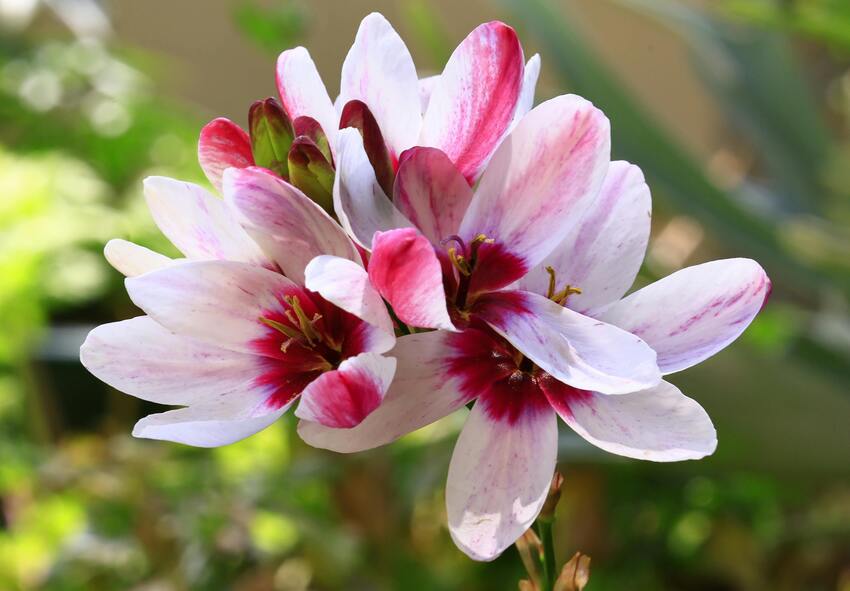
Ixia originates from the Cape region of South Africa, an area famous for extraordinary botanical diversity. In its natural habitat, the plant grows in sunny grasslands and rocky slopes where the soil is light, fertile, and exceptionally well drained. These conditions explain many of its preferences in cultivated gardens.
Botanically, Ixia belongs to the iris family and grows from small corms rather than traditional bulbs. Its flowers are arranged along wiry stems and open in response to sunlight, closing in cloudy weather or evening hours. This daily rhythm adds charm and movement to the garden.
Over centuries, Ixia became popular in ornamental horticulture because of its vivid colors and refined flower shape. It has been cultivated extensively in European gardens and is often used in floral arrangements because the stems are elegant and long-lasting when cut. Understanding its South African origins helps gardeners recreate the sunny, dry, and well-drained conditions it naturally prefers.
Its adaptability is another reason for its popularity. While exotic in appearance, Ixia can be surprisingly easy to grow when provided with warmth and suitable soil, rewarding gardeners with vibrant displays through late spring and summer.
Popular Varieties for Gardeners
Ixia offers remarkable diversity, making it easy to select cultivars for almost any planting design. Some varieties are valued for dramatic color intensity, while others are prized for delicate tones or compact growth suitable for containers.
Colorful Species and Hybrid Mixes
Traditional hybrid mixes remain among the most popular choices for gardeners. These often include vivid blends of pink, crimson, yellow, white, and orange, creating lively multi-colored displays. Many feature contrasting dark centers that add a jewel-like quality to the flowers.
Tall Garden Forms
Taller cultivars are especially effective in mixed borders, where their slender stems rise gracefully among other perennials. These varieties can create soft vertical accents while maintaining a light, natural look.
Compact Varieties for Pots
Compact forms are excellent for container gardening. Their manageable height and profuse flowering make them perfect for patio pots, window boxes, and smaller garden spaces.
Choosing several cultivars with varying colors and heights allows gardeners to create layered compositions and striking combinations. Ixia blends beautifully with other summer bulbs and drought-tolerant ornamentals, adding both brightness and texture.
Choosing a Location and Preparing the Soil
Selecting the right growing site is one of the most important steps for success with Ixia. Because the plant comes from sunny South African landscapes, it performs best in warm, bright conditions.
Selecting the Best Sunlight Conditions for Ixia
Ixia thrives when planted in locations with abundant sunlight, which supports strong stems, vivid flower colors, and reliable blooming. Open, well-lit spaces allow the plant to develop naturally and produce its best ornamental display. In areas with too much shade, flowering can become weaker and stems may lose their upright form.
Preparing Well-Drained Soil for Healthy Root Development
Soil quality is just as important as sunlight when growing Ixia plants successfully. Because the plant develops from corms that dislike prolonged moisture, preparing loose and well-drained soil is essential for preventing rot and encouraging vigorous growth.
For ideal soil preparation, gardeners should focus on several key elements:
- Improve drainage before planting by incorporating coarse sand or fine gravel into dense soils to reduce water retention.
- Enrich the soil with organic matter such as compost to support fertility while maintaining a light structure.
- Avoid heavy clay soils unless amended thoroughly, as compacted soil can hinder root growth and trap moisture.
- Choose slightly raised beds when possible to improve drainage naturally, especially in regions with wet springs.
- Use a well-draining potting mix in containers with added grit or perlite to mimic the plant’s preferred natural conditions.
Well-prepared soil creates a stable environment where Ixia corms can establish quickly and support healthy flowering throughout the season.
Positioning Ixia in Flower Beds and Containers
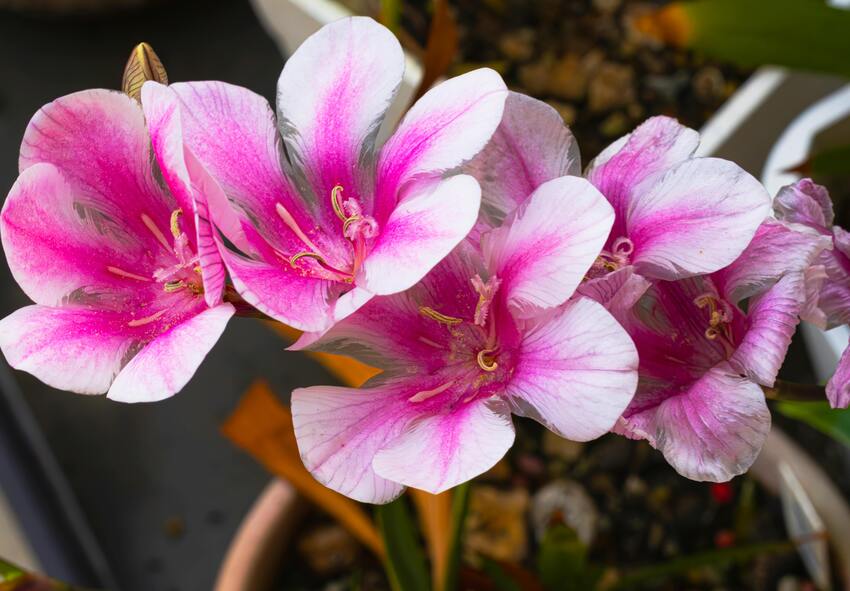
Thoughtful placement helps showcase Ixia’s graceful form while also providing the conditions it needs to thrive. In flower beds, it works especially well in front or middle border positions where its slender stems and delicate blooms can be fully appreciated among companion plants.
In containers, Ixia performs beautifully in sunny patios and terrace displays when planted in pots with excellent drainage. Whether grown in borders or pots, proper positioning enhances both plant health and decorative impact.
Care for Ixia During Seasons
Although Ixia has an exotic appearance, its seasonal care is relatively straightforward. With regular attention, the plants remain healthy and flower abundantly.
Watering and Feeding
During active growth, Ixia benefits from moderate watering that keeps the soil lightly moist without becoming soggy. During flowering, consistent moisture helps prolong bloom performance. However, excessive water should always be avoided.
Feeding the plants with a balanced fertilizer during early growth encourages strong stems and abundant flowers. In poorer soils, occasional supplemental feeding can improve performance.
Supporting Healthy Growth
Regular inspection of plants helps identify problems early and keeps the display looking fresh. Removing faded blooms can improve appearance and may encourage a longer flowering period.
Natural Pest Prevention
Ixia is generally trouble-free, though occasional pests such as aphids may appear. Natural methods such as encouraging beneficial insects, rinsing foliage with water, or using mild organic treatments are often sufficient.
Routine observation and simple maintenance go a long way toward keeping plants vigorous and decorative.
Propagation and Winter Storage
Propagating Ixia and protecting its corms through winter are important parts of long-term success with this ornamental bulb. With the right techniques, gardeners can expand plantings over time and ensure healthy, vigorous growth from one season to the next.
Dividing and Preparing Corms for Replanting
Corm division is the easiest and most efficient way to propagate Ixia. Mature plants gradually produce small offsets that can be separated and replanted to create larger displays over time.
For successful division and preparation, follow these essential steps:
- Lift corms during dormancy once the foliage has naturally died back and the plant has completed its growth cycle.
- Separate healthy offsets carefully from the parent corm, avoiding damage to young developing corms.
- Allow corms to dry before storage so excess moisture does not lead to rot during winter.
- Inspect and sort planting material by removing damaged or unhealthy corms before replanting.
- Replant the healthiest corms in spring when soil temperatures rise and growing conditions improve.
Using healthy, well-prepared corms each season supports stronger growth and more abundant flowering.
Growing Ixia from Seeds and Corm Division
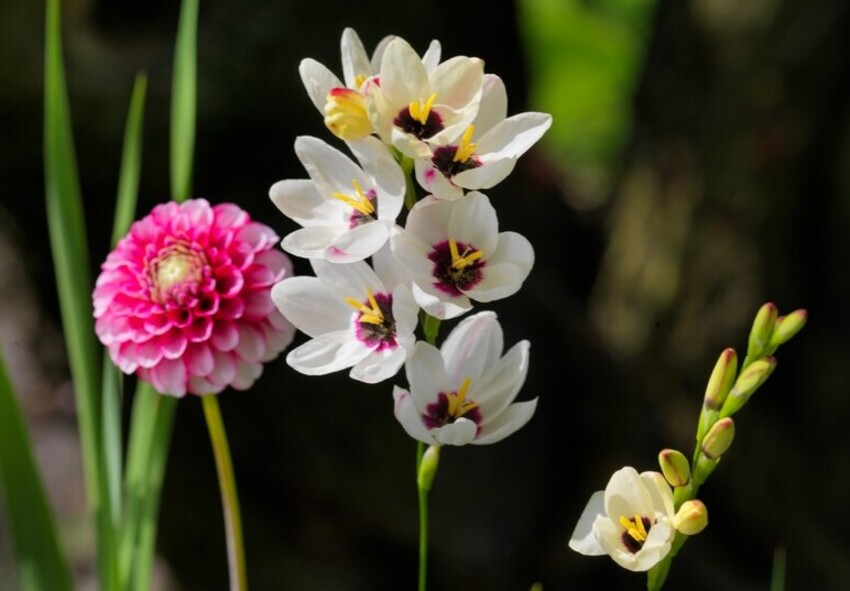
Ixia can be propagated from both seeds and corms, though the two methods differ significantly in speed and practicality. Seed propagation can be rewarding for patient gardeners, while corm division is the preferred approach for quicker and more reliable results.
Growing from seed usually takes several years before flowering begins, but it allows gardeners to raise large numbers of plants. Propagation through corm offsets is much faster and is commonly used to maintain and multiply established varieties in the garden.
Storing Ixia Corms Through Winter
In colder climates, winter storage is often necessary because Ixia may not tolerate severe frost in open ground. Once lifted and dried, corms should be stored in a cool, dry, frost-free location until spring planting.
Periodic checks during storage help prevent problems such as dehydration or fungal damage. Proper winter storage preserves the corms in excellent condition and ensures they return strong and ready for another season of vibrant blooms.
Conclusion
Ixia is a striking and surprisingly undemanding ornamental plant that brings color, elegance, and movement into the garden. With its delicate star-shaped flowers, upright stems, and wide range of brilliant shades, it adds exotic beauty to both flower beds and containers.
By choosing a sunny location, preparing well-drained soil, and providing simple seasonal care, gardeners can enjoy healthy plants and vibrant long-lasting blooms. Whether used in mixed borders, patio pots, or decorative arrangements, Ixia from South Africa offers a spectacular way to enrich any garden with lasting charm and color!
Frequently Asked Questions (FAQs) about Ixia
1. When is the best time to plant Ixia bulbs?
The best time to plant Ixia corms is in spring after the risk of frost has passed and the soil begins to warm. In mild climates, autumn planting is also possible. Warm soil and sunny conditions help corms establish quickly, encouraging healthy growth and strong flowering during the blooming season.
2. Can Ixia be grown in pots and containers?
Yes, Ixia grows very well in containers when planted in a light, well-drained potting mix. Containers are a great option for patios, balconies, and small gardens, especially in cooler climates where bulbs may need winter protection. Choose pots with good drainage and place them in a sunny location for best flowering.
3. Can I order Ixia bulbs from your online store?
Yes, you can order Ixia bulbs from our online store Dutch-bulbs.com, including popular colorful varieties suitable for flower beds and container gardening. Healthy, high-quality planting material helps ensure strong growth and beautiful blooms. Seasonal availability may vary, so it is worth checking the collection during the recommended planting periods.
4. How often should I water Ixia during the growing season?
Ixia prefers moderate watering while actively growing and blooming. The soil should stay lightly moist but never overly wet, as excess moisture may cause corm rot. During hot or dry weather, watering may be needed more often, while after flowering water can be reduced as the plant begins dormancy.
5. How do I store Ixia corms over winter?
After the foliage dies back, lift the corms carefully, let them dry, and store them in a cool, dry, frost-free place until spring. Periodic checks during storage help prevent rot or dehydration. Proper winter storage is especially important in regions with harsh winters where Ixia may not survive outdoors.
Published: 27.04.2026