



Growing blueberries in your garden is one of the most rewarding experiences for home gardeners. These delicious, nutrient-rich berries are easy to grow when you understand their basic needs. With proper planning and care, blueberry plants can produce fruit for decades, making them an excellent long-term investment for your garden.
In this guide, you’ll learn everything about how to grow blueberries, from choosing the right variety to harvesting and storing your fruit. Whether you’re planting in the ground or containers, this step-by-step guide will help you grow healthy blueberry bushes and enjoy abundant harvests. Our gardening blog is a perfect place to find any information you need!
Why Grow Blueberries in Your Garden?
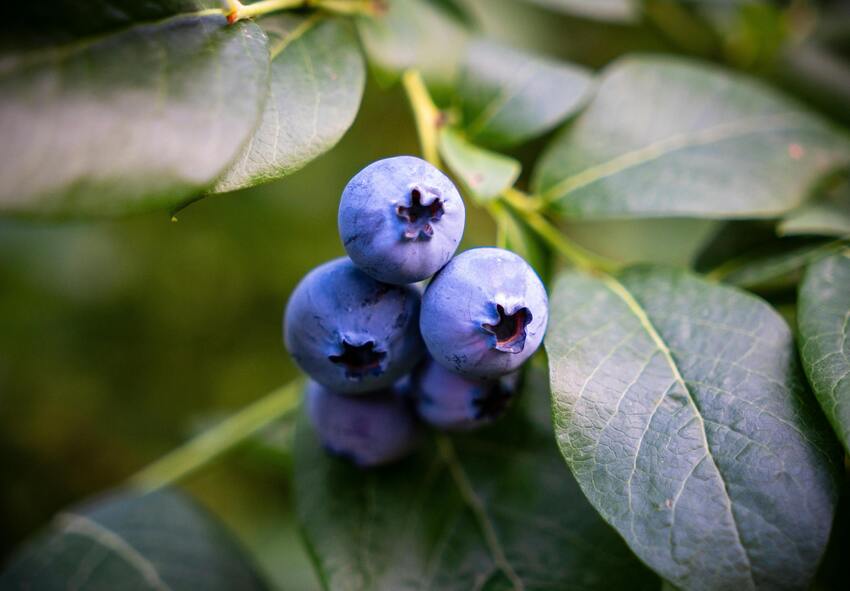
Blueberries are among the easiest fruits to grow at home, making them perfect for beginners and experienced gardeners alike. They require minimal maintenance once established and offer beautiful foliage throughout the year. Plus, growing blueberries at home ensures you always have fresh, pesticide-free fruit right outside your door.
Another advantage is that blueberry plants are compact and adaptable. They grow well in gardens, raised beds, and containers, making them suitable for small spaces. With proper blueberry plant care, you can enjoy fresh berries every season.
Health Benefits of Blueberries
Blueberries are often called a superfood for good reason. They are packed with antioxidants, vitamins, and minerals that support overall health. Eating fresh blueberries may help improve heart health, boost immunity, and support brain function.
Additionally, blueberries are low in calories and high in fiber, making them a healthy snack. When you grow blueberries at home, you get the freshest berries possible, which often contain more nutrients than store-bought options.
Easy Maintenance Compared to Other Fruits
Unlike fruit trees, blueberry bushes are relatively low-maintenance. They don’t require extensive pruning, and their compact size makes them easy to manage. Once established, blueberry plants can thrive with minimal care.
Blueberries also have fewer pest problems compared to many other fruits. With proper soil and watering, your plants will grow strong and healthy with little effort.
Long-Term Harvest Benefits
One of the best reasons to grow blueberries is their long lifespan. Blueberry bushes can produce fruit for 20 years or more. Over time, your harvest will increase, giving you more berries each season.
Additionally, growing blueberries at home can save money. Instead of buying expensive berries at the store, you’ll have a steady supply right in your backyard.
Choosing the Right Blueberry Variety
Selecting the right variety is essential when learning how to grow blueberries successfully. Different types of blueberries grow best in different climates and conditions. Choosing the right variety ensures better growth and fruit production. Understanding the differences between blueberry types will help you make the best decision for your garden.
Highbush Blueberries
Highbush blueberries are the most common variety grown in home gardens. They produce large, sweet berries and grow well in many climates. These plants typically grow 5 to 6 feet tall. Highbush varieties are ideal for gardeners looking for high yields. They also adapt well to garden beds and containers.
Lowbush Blueberries
Lowbush blueberries are smaller plants that grow close to the ground. These varieties are often found in colder regions. They produce smaller but very flavorful berries. Lowbush blueberries are perfect for ground cover and natural landscapes. They require less maintenance and thrive in cooler climates.
Rabbiteye Blueberries
Rabbiteye blueberries are best suited for warmer climates. These plants are highly adaptable and produce abundant fruit. They also tolerate heat and humidity better than other varieties. Rabbiteye blueberries often require cross-pollination. Planting more than one variety helps improve fruit production.
Best Blueberry Varieties for Beginners
Beginners should choose varieties known for easy growth and reliability. Popular beginner-friendly options include:
These varieties offer good yields and are easier to maintain.
Choosing Based on Your Climate
Climate plays a crucial role in blueberry growth. Some varieties need cold winters, while others thrive in warm climates. Always select a variety suited to your local growing conditions. Consider frost dates, summer temperatures, and rainfall before choosing your plants.
Planting Preparations
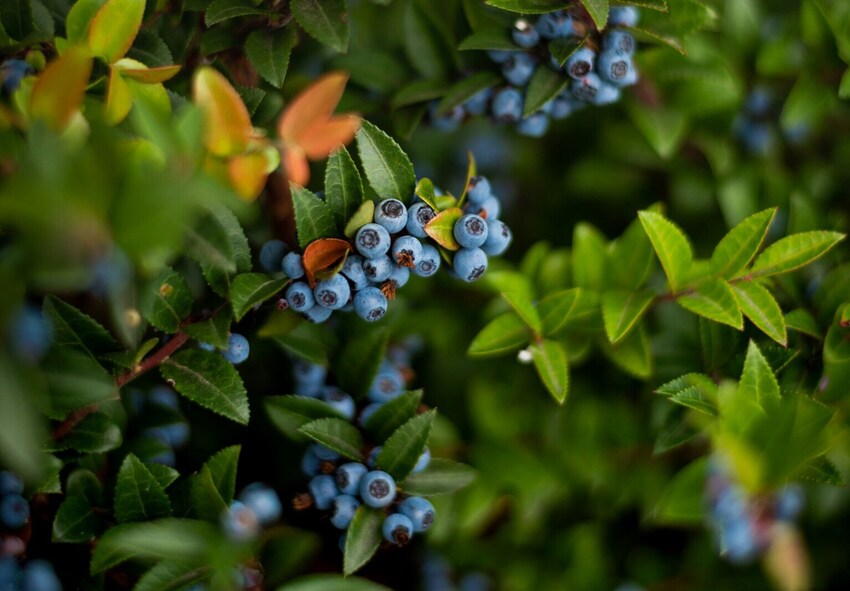
Proper preparation is essential for growing healthy blueberry plants. Blueberries have specific soil and location requirements that must be met before planting. Taking time to prepare ensures your plants grow strong and produce fruit.
Planning ahead also helps avoid common problems. From choosing the right location to preparing soil, every step matters.
Best Location to Plant Blueberries
Blueberries grow best in full sun. Choose a location that receives at least 6 to 8 hours of sunlight daily. Good sunlight encourages strong growth and better fruit production. Avoid areas with strong winds. Wind protection helps prevent plant damage and improves pollination.
Best Soil for Blueberries
Blueberries require acidic soil with a pH between 4.5 and 5.5. Using the best soil for blueberries is crucial for plant health. You can improve soil acidity by adding peat moss, pine bark, or sulfur. Well-drained soil is also essential. Blueberries do not grow well in waterlogged conditions.
Climate Considerations
Blueberries grow in a wide range of climates. However, choosing the right variety for your climate is essential. Cold regions should choose highbush or lowbush varieties. Warm climates benefit from rabbiteye or southern highbush varieties.
Companion Planting for Blueberries
Companion planting improves blueberry growth. Plants like azaleas, rhododendrons, and cranberries grow well alongside blueberries. Avoid planting near vegetables that prefer alkaline soil. Keeping compatible plants together helps maintain proper soil conditions.
How to Plant Blueberries Step-by-Step
Follow these simple steps for planting blueberries successfully:
- Prepare the Soil: Loosen the soil and add organic matter like peat moss. This improves drainage and acidity.
- Dig the Planting Hole: Dig a hole twice as wide as the root ball. This gives roots space to grow.
- Plant the Blueberry Bush: Place the plant in the hole and cover roots with soil. Ensure the crown is level with the soil surface.
- Water Thoroughly: Water immediately after planting. This helps settle the soil.
- Add Mulch: Apply mulch around the base to retain moisture and control weeds.
Caring for Blueberries
Proper care ensures healthy growth and better fruit production. Blueberries require consistent watering, mulching, and fertilizing. These simple steps make a big difference. Regular care also helps prevent plant stress and improves yields.
Watering Blueberry Plants Properly
Blueberries need consistent moisture. Water deeply once or twice per week. Avoid letting soil dry out completely. Using drip irrigation helps maintain consistent moisture levels.
Mulching Blueberry Plants
Mulching helps retain moisture and regulate soil temperature. Use pine bark, wood chips, or pine needles. Apply mulch about 2 to 3 inches thick.
Fertilizing Blueberry Plants
Use fertilizers designed for acid-loving plants. Apply fertilizer in early spring. Avoid over-fertilizing, which can damage plants.
Pruning Blueberry Plants

Pruning keeps blueberry plants healthy and productive. It improves air circulation and fruit quality. Regular pruning also encourages new growth. Proper pruning also helps maintain plant shape and supports larger, sweeter berries over time.
When to Prune Blueberries
Prune during late winter or early spring. Remove dead or damaged branches. This timing allows the plant to focus energy on new growth before the growing season begins.
How to Prune Young Plants
Remove weak branches during the first few years. Focus on building strong structure. This early shaping helps develop a sturdy plant that can support future fruit production.
How to Prune Mature Plants
Remove older branches to encourage new growth. Keep plants open and balanced. Thinning out crowded branches also improves sunlight exposure and fruit quality.
Tools Needed for Pruning
Use clean, sharp pruning shears. Gloves also protect your hands. Disinfecting tools before pruning helps prevent the spread of plant diseases.
Common Blueberry Growing Problems
Even with proper blueberry plant care, you may encounter some common growing problems. Identifying these issues early helps prevent damage and ensures healthy plants. Below are the most common problems and how to address them effectively:
- Yellow Leaves: Usually caused by poor soil pH or nutrient deficiency. Yellowing leaves often indicate that the soil is not acidic enough for blueberries to absorb nutrients properly.
- Poor Fruit Production: Often due to lack of sunlight or pollination. Planting multiple blueberry varieties can improve pollination and increase yields.
- Pests and Diseases: Birds, aphids, and fungal diseases may affect plants. Using protective netting and maintaining proper spacing helps reduce pest and disease issues.
- How to Fix Common Issues: Adjust soil pH, improve watering, and monitor pests regularly. Consistent care and early intervention will keep your blueberry plants healthy.
Growing Blueberries in Containers
Container gardening is perfect for small spaces. Blueberries grow well in pots with proper care. This method also allows gardeners to control soil conditions more easily.
Choosing the Right Container
Select containers at least 18 inches wide. Ensure drainage holes are present. Larger containers help support root growth and improve plant stability.
Best Soil Mix for Containers
Use acidic potting mix with peat moss and pine bark. This combination provides proper drainage and maintains soil acidity.
Container Care Tips
Water more frequently and fertilize regularly. Container plants may also need extra protection during extreme weather conditions.
Harvesting Blueberries
Harvesting blueberries at the right time ensures the best flavor and quality. Knowing when and how to pick your berries helps protect the plant and encourages continued production. Proper harvesting techniques also extend the fruiting season.
When Blueberries Are Ready to Pick
Blueberries are ready when they turn deep blue. Wait a few days after color change. Fully ripe berries will be sweeter and easier to pick.
How to Harvest Without Damaging Plants
Gently roll berries between your fingers. Ripe berries fall easily. Avoid pulling hard to prevent damaging branches.
How Often to Harvest
Harvest every few days during the season. Frequent harvesting encourages plants to produce more berries.
Storing and Using Fresh Blueberries

Proper storage helps maintain freshness and flavor after harvest. Blueberries can last longer when handled correctly. There are also many delicious ways to enjoy your fresh berries.
How to Store Fresh Blueberries
Store blueberries in the refrigerator without washing them first. Washing before storage can cause berries to spoil faster by adding excess moisture. Keep them in a breathable container or their original packaging lined with paper towels to absorb moisture and extend freshness.
For best results, remove any soft or damaged berries before storing. This helps prevent mold from spreading to healthy fruit. Properly stored fresh blueberries can last up to one to two weeks in the refrigerator.
Freezing Blueberries
Start by rinsing the berries gently and allowing them to dry completely. Spread them in a single layer on a baking sheet and freeze until firm. Once frozen, transfer the berries to airtight containers or freezer bags.
This prevents them from sticking together and makes it easy to use small portions when needed. Frozen blueberries can last up to six months or longer while maintaining their flavor and nutritional value.
Creative Ways to Use Blueberries
Blueberries are versatile and can be used in many delicious ways. Add them to smoothies, yogurt, or fresh salads for a healthy boost. They also work well in baked goods like muffins, pancakes, and pies.
You can also use blueberries to make homemade jams, sauces, and syrups. For a refreshing treat, try freezing blueberries and adding them to drinks instead of ice cubes. Growing blueberries at home means you’ll always have fresh fruit ready for your favorite recipes.
Conclusion
Growing blueberries at home is simple and rewarding. By choosing the right variety, preparing the soil, and providing proper care, you can enjoy fresh berries for years. Start planting today and enjoy healthy, delicious fruit from your own garden. Visit our online plant store to find high-quality blueberry plants and begin your gardening journey today!
Frequently Asked Questions (FAQs) about Blueberries
1. How long does it take for blueberry plants to produce fruit?
Blueberry plants typically start producing fruit within 2 to 3 years after planting. However, full production usually occurs after 4 to 5 years. Proper care, including using acidic soil, regular watering, and pruning, helps plants establish faster and produce higher yields over time.
2. Do I need more than one blueberry plant for pollination?
While some blueberry varieties are self-pollinating, planting two or more varieties improves pollination and increases fruit production. Cross-pollination often leads to larger berries and better yields. Choosing compatible varieties that bloom at the same time is important for successful pollination.
3. Can I order blueberry plants in your online store?
Yes, you can easily order blueberry plants directly from our online store Dutch-bulbs.com. We offer carefully selected varieties suitable for different climates and growing conditions. Our plants are shipped safely to ensure healthy delivery, making it convenient to start growing blueberries in your garden right away.
4. Can blueberries grow in pots or containers?
Yes, blueberries grow very well in containers, especially when garden space is limited. Use large containers with good drainage and fill them with acidic soil mix. Container-grown blueberries need more frequent watering and feeding, but they are easier to manage and ideal for patios, balconies, or small gardens.
5. What is the best soil for growing blueberries?
Blueberries grow best in acidic soil with a pH between 4.5 and 5.5. Well-draining soil rich in organic matter is also essential. Adding peat moss, pine bark, or compost helps improve soil structure and acidity. Proper soil preparation ensures healthy growth and better fruit production.
Published: 26.05.2026