



Heatwaves are becoming increasingly common in many regions, creating new challenges for home gardeners. Extended periods of high temperatures can quickly damage flowers, vegetables, shrubs, and newly planted specimens, especially when combined with strong sunlight and dry conditions.
Taking quick action during extreme heat is often the difference between healthy plants and severe garden losses. Emergency shading is one of the most effective ways to protect plants from excessive sun exposure and heat stress when temperatures suddenly rise.
In this article, you’ll learn why plants suffer during heatwaves, when emergency shading is necessary, the best methods for providing temporary shade, and additional strategies to help your garden survive extreme summer weather. Our gardening blog is a perfect place to find all the information you need!
Why Plants Suffer During Extreme Heat
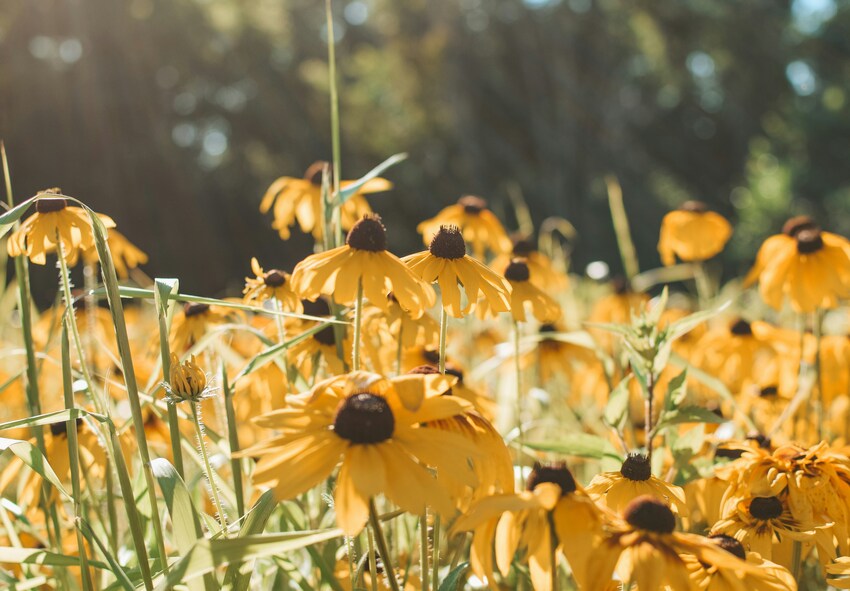
Extreme heat affects plants in several ways, often causing stress that reduces growth, flowering, and overall health. Even well-established plants can struggle when temperatures remain unusually high for several days.
Understanding how heat impacts plants helps gardeners recognize problems early and respond effectively before serious damage occurs.
How High Temperatures Affect Plant Growth
High temperatures increase the rate of water loss through plant leaves. When water evaporates faster than roots can replace it, plants begin to wilt and may stop growing.
Extreme heat can also interfere with photosynthesis, reducing energy production and weakening plants. Flowers may fade more quickly, fruits may develop poorly, and foliage can become scorched.
Which Plants Are Most Vulnerable
Some plants are naturally more sensitive to heat than others. Shade-loving perennials such as astilbe, hosta, and begonias often suffer when exposed to prolonged direct sunlight during heatwaves.
Vegetables like lettuce, spinach, and young seedlings are also highly vulnerable. Container plants face additional risk because their roots heat up faster than those growing in the ground.
The Role of Sun Exposure and Soil Moisture
Direct afternoon sun is often the biggest contributor to heat damage. Plants growing in exposed locations receive intense sunlight during the hottest part of the day.
Soil moisture also plays a critical role. Dry soil heats up quickly and provides less water to plant roots, increasing stress levels. Maintaining adequate moisture can help plants tolerate high temperatures more effectively.
When Emergency Shading Is Necessary
Not every hot day requires emergency shading, but there are times when additional protection becomes essential. Monitoring weather forecasts and plant health can help gardeners determine when action is needed. Providing temporary shade before damage occurs is usually more effective than trying to revive stressed plants afterward.
Temperature Thresholds to Watch
Many cool-season plants begin to experience stress when temperatures rise above 85°F (29°C). Extended periods above 90°F (32°C) can cause significant damage, especially when combined with strong sunlight and dry conditions. Heat-sensitive flowers and vegetables often benefit from temporary shade during these periods.
Recognizing Early Warning Signs
Plants often show clear signs of heat stress before permanent damage occurs. Wilting during the afternoon, leaf curling, scorched leaf edges, and faded flowers are common warning signals. If these symptoms appear despite adequate watering, emergency shading may be necessary.
Protecting Newly Planted Specimens
Newly planted flowers, shrubs, and vegetables are especially vulnerable because their root systems have not fully established. They have limited ability to absorb water during hot weather. Temporary shading can significantly improve survival rates and reduce transplant shock during summer planting.
Benefits of Emergency Shading for Plants
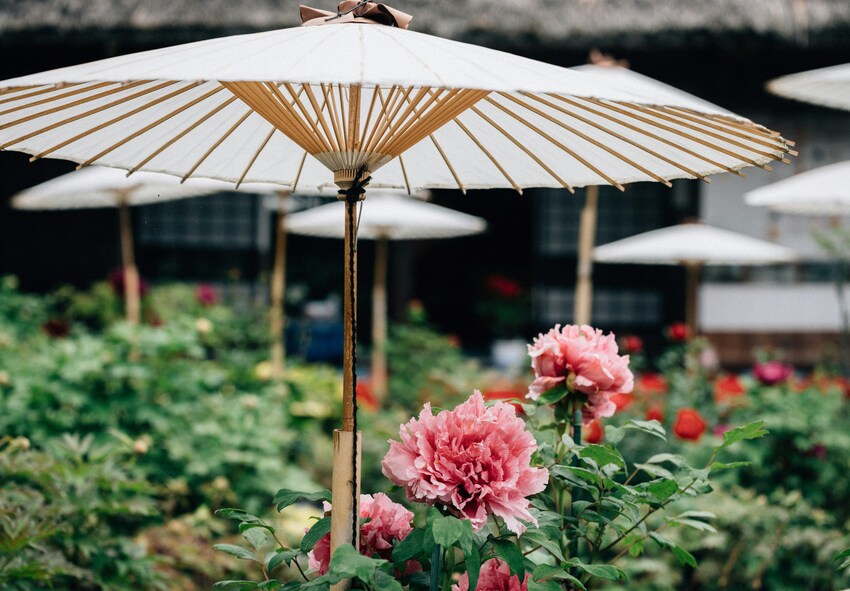
Emergency shading provides immediate protection during extreme weather conditions. It helps reduce environmental stress while giving plants time to recover and continue growing. Proper shading can preserve both the appearance and health of many garden plants throughout the hottest periods of the year.
Key benefits of emergency shading include:
- Reducing Leaf Scorch and Sunburn: Shade helps prevent leaves from developing brown, crispy patches caused by excessive sunlight and heat exposure.
- Preventing Excessive Water Loss: Lower temperatures around shaded plants reduce evaporation and help soil remain moist for longer periods.
- Protecting Flowers and Fruit: Blooms and developing fruit are often highly sensitive to heat. Shade can help preserve their quality and appearance.
- Reducing Plant Stress: Temporary protection allows plants to continue growing without constantly struggling against extreme environmental conditions.
- Improving Recovery After Heatwaves: Plants that experience less damage during a heatwave generally recover faster and return to normal growth more quickly.
Best Emergency Shading Methods
There are many effective ways to create temporary shade during a heatwave. The best solution depends on the size of the garden, the type of plants involved, and the severity of the weather conditions. Most emergency shading methods can be installed quickly using materials already available around the home or garden.
Using Shade Cloth
Shade cloth is one of the most reliable solutions for protecting plants during hot weather. It reduces sunlight intensity while still allowing air circulation and some light penetration. Available in different densities, shade cloth can be customized to suit vegetables, flowers, and ornamental plants.
Creating Temporary Shade with Garden Fabric
Lightweight garden fabric can provide short-term protection when temperatures suddenly rise. It helps diffuse sunlight and lower leaf temperatures. This option works particularly well for vegetable beds and newly planted areas.
Using Umbrellas and Patio Covers
Garden umbrellas and patio covers can provide instant relief for small planting areas. They are especially useful for container gardens and individual specimens that require temporary protection. Because they are easy to reposition, umbrellas offer flexible shading throughout the day.
DIY Shade Structures
Simple structures made from wooden stakes, PVC pipes, or bamboo poles can support shade cloth or garden fabric. These temporary shelters are inexpensive and highly effective. DIY structures can be customized to fit flower beds, vegetable gardens, or newly planted landscapes.
Protecting Plants with Row Covers
Floating row covers are often used in vegetable gardens but can also provide protection from intense sunlight. Lightweight covers reduce heat stress while allowing airflow. They are particularly useful for seedlings and sensitive crops.
Using Lattice Panels and Screens
Decorative lattice panels and garden screens provide partial shade while maintaining good air circulation. These structures are attractive and can remain in place throughout the growing season. They are often used around patios, flower beds, and container gardens.
How to Install Temporary Shade Properly
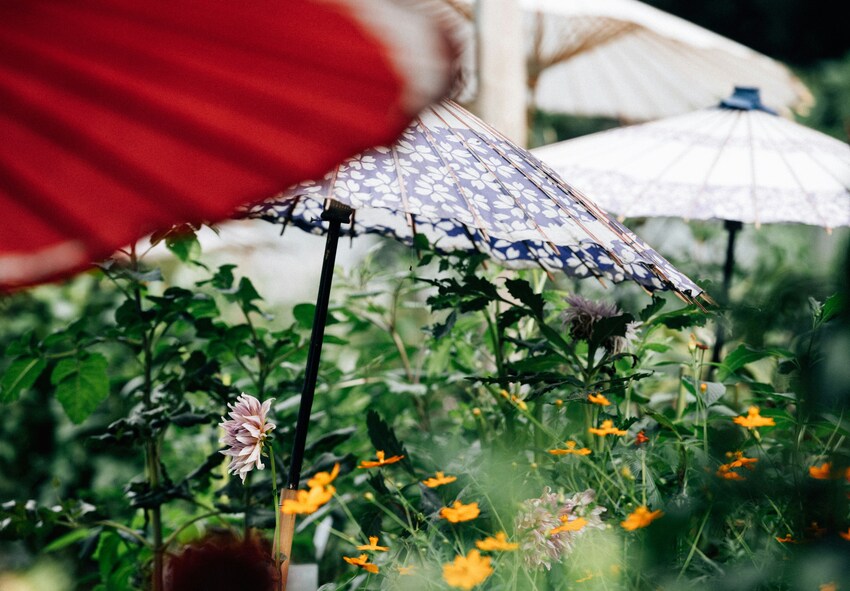
Effective shading requires more than simply placing a cover over plants. Proper installation ensures plants receive protection without creating additional problems. The goal is to reduce heat stress while maintaining healthy growing conditions.
Choosing the Right Shade Percentage
Different plants require different levels of shade. Most vegetables benefit from 30–40% shade during heatwaves, while shade-loving ornamentals may prefer 50–60% coverage. Too much shade can reduce growth and flowering, so selecting the correct density is important.
Avoiding Restricted Airflow
Good airflow helps keep plants cool and reduces humidity-related problems. Shade structures should be positioned high enough to allow air to move freely around the foliage. Avoid wrapping plants tightly, as trapped heat can sometimes cause additional stress.
Securing Shade Structures During Wind
Temporary structures should be firmly anchored to prevent damage during storms or strong winds. Stakes, weights, and secure fasteners help keep shading materials in place. Regular inspections ensure that protective structures remain safe and effective throughout the heatwave.
Emergency Shading for Vegetable Gardens
Vegetable gardens often suffer significant damage during extreme summer temperatures. Providing temporary shade can help maintain productivity and improve crop quality. Many edible plants continue growing successfully when protected from the harshest afternoon sun.
Protecting Tomatoes During Heatwaves
Tomatoes can tolerate warm conditions, but prolonged extreme heat may cause flower drop and reduced fruit production. Temporary shade during peak afternoon temperatures can help maintain healthy growth. Shade protection is especially valuable when temperatures exceed 95°F (35°C).
Keeping Lettuce and Leafy Greens Cool
Lettuce, spinach, arugula, and other leafy greens are particularly sensitive to heat. High temperatures often cause bolting, bitterness, and poor leaf quality. Providing shade can significantly extend the harvest period during summer.
Preventing Pepper and Cucumber Sunscald
Peppers and cucumbers may develop sunscald when fruits are exposed to intense sunlight. Shading helps protect developing produce from damage while maintaining plant health. Proper watering should accompany shading for best results.
Protecting Seedlings and Young Plants
Young plants have shallow root systems and limited drought tolerance. They often require additional protection during their establishment period. Temporary shade helps reduce stress and encourages stronger root development.
Emergency Shading for Flower Gardens
Flowering plants can quickly lose their beauty during extreme heat. Protecting blooms and foliage helps maintain garden color and prevents long-term damage. Many ornamental plants benefit greatly from temporary shade during prolonged hot weather.
Protecting Hydrangeas
Hydrangeas often wilt dramatically during heatwaves, especially when planted in sunny locations. Afternoon shade helps preserve moisture and protects delicate blooms. Proper watering combined with shading provides the best results.
Saving Astilbe During Hot Weather
Astilbe thrives in cool, moist conditions and can struggle during periods of intense heat. Temporary shade helps prevent leaf scorch and flower damage. Maintaining consistently moist soil further improves heat tolerance.
Heat Protection for Begonias and Impatiens
These popular shade-loving flowers are highly sensitive to excessive sunlight. Emergency shading helps begonias maintain vibrant blooms and healthy foliage. Containers and hanging baskets may require additional protection due to rapid drying.
Preventing Flower Burn on Roses
Although roses enjoy sunshine, extreme heat can damage petals and reduce bloom quality. Light afternoon shade may help preserve flowers during severe heatwaves. Healthy, hydrated plants are more resilient to hot conditions.
Protecting Shade-Loving Perennials
Hostas, ferns, heucheras, and other shade perennials often suffer when temperatures rise dramatically. Temporary shade structures help preserve foliage quality and prevent sunburn. This protection is especially valuable for summer-blooming bulbs for shady gardens, which may suffer from unexpected heat stress. These plants generally recover more quickly when protected before damage occurs.
Additional Heat Protection Strategies
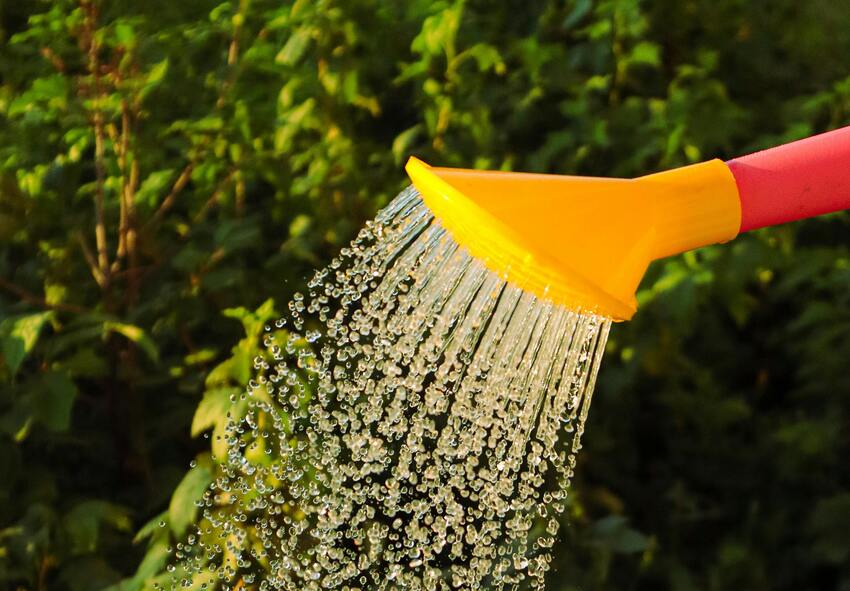
Emergency shading is one of the most effective ways to protect plants during a heatwave, but combining it with other heat-management techniques produces even better results. These additional strategies help plants stay hydrated, reduce environmental stress, and recover more quickly after extreme temperatures.
Using several protective measures together creates a stronger defense against prolonged periods of hot weather. Additional ways to protect plants during heatwaves include:
- Mulching to Retain Soil Moisture: Mulch acts as an insulating layer that helps keep soil cooler and reduces water evaporation. Organic materials such as bark, straw, shredded leaves, and compost are excellent choices. A 2–3 inch layer of mulch can significantly improve moisture retention and help plant roots remain healthy during extreme heat.
- Watering at the Right Time of Day: Early morning is generally the best time to water plants during a heatwave. Watering at this time allows moisture to reach the roots before temperatures rise. Evening watering can also be helpful, but leaving foliage wet overnight may encourage certain fungal diseases in some garden plants.
- Improving Soil Health: Healthy soil holds moisture more effectively and supports stronger root systems. Adding compost and organic matter improves soil structure, increases water retention, and promotes beneficial microbial activity. Plants growing in healthy soil are often better equipped to withstand periods of environmental stress.
- Reducing Heat Reflection Around Plants: Hard surfaces such as concrete patios, stone walls, gravel pathways, and fences can reflect additional heat onto nearby plants. During heatwaves, this reflected heat may significantly increase plant stress. Temporary screens, strategic plant placement, and additional mulch can help reduce heat buildup around vulnerable specimens.
- Using Companion Plants for Natural Shade: Taller plants can provide valuable protection for more sensitive species growing nearby. Sunflowers, ornamental grasses, shrubs, and climbing plants can create pockets of shade that help reduce temperatures at ground level. Natural shading techniques are especially useful in mixed borders and vegetable gardens.
Conclusion
Heatwaves can place enormous stress on flowers, vegetables, shrubs, and newly planted specimens, but emergency shading offers an effective way to protect your garden during extreme temperatures. By recognizing early signs of heat stress and providing temporary shade when needed, gardeners can prevent leaf scorch, reduce water loss, and preserve plant health.
Methods such as shade cloth, garden fabric, umbrellas, row covers, and simple DIY structures provide fast and reliable protection. When combined with proper watering, mulching, and soil improvement, emergency shading becomes an essential tool for managing summer heat.
Preparing ahead of time is often the best strategy. Keeping shading materials on hand allows you to act quickly when temperatures rise unexpectedly. With the right approach, your garden can remain healthy, productive, and beautiful even during the hottest days of the growing season!
Frequently Asked Questions (FAQs) about Shading for Plants
1. How do I know if my plants need emergency shading?
Plants often show early signs of heat stress before serious damage occurs. Common symptoms include wilting during the hottest part of the day, leaf curling, scorched leaf edges, faded flowers, and slowed growth. If these signs appear during a heatwave, providing temporary shade can help protect plants and reduce long-term stress.
2. What is the best material for emergency plant shading?
Shade cloth is generally considered the most effective material because it reduces sunlight while allowing air circulation. Garden fabric, row covers, umbrellas, and temporary screens can also provide protection. The best choice depends on the size of the area, plant type, and severity of the heatwave affecting your garden.
3. Can too much shade harm my plants during a heatwave?
Yes, excessive shading can reduce photosynthesis and slow plant growth. Most vegetables benefit from light to moderate shade, while shade-loving ornamentals may tolerate higher levels of protection. The goal is to reduce intense afternoon sun rather than completely block sunlight throughout the day.
4. Can I order shade-loving plants and summer-blooming bulbs from your online store?
Yes, our online plant store Dutch-bulbs.com offers a wide selection of shade-loving perennials, flowering bulbs, and summer-blooming bulbs for shady gardens. We carefully select varieties that perform well in different growing conditions, helping gardeners create colorful landscapes while providing plants that can better withstand seasonal weather challenges.
5. Should I water more when using emergency shade?
Shading helps reduce evaporation, but plants still need adequate moisture during hot weather. Deep watering in the early morning is usually the best approach. Monitor soil moisture regularly and adjust watering as needed. Combining proper irrigation with temporary shade offers the most effective protection during extreme temperatures.
Published: 24.06.2026