



Many gardeners believe that shady areas cannot be colorful or full of flowers during summer, but that is not true. With the right summer-blooming bulbs and shade-loving plants, even the darkest garden corners can become vibrant and inviting. These plants add texture, color, and seasonal beauty while thriving in low-light conditions.
Growing summer flowering bulbs in shade also offers practical benefits. Many shade-loving flowers require less watering because the soil stays cooler and retains moisture longer. Their lush foliage and bright blooms create visual interest in woodland gardens, patios, borders, and container displays.
In this article, you’ll discover some of the best summer-blooming bulbs for shady gardens. You’ll also learn helpful growing tips and creative design ideas for transforming shaded spaces into beautiful garden retreats. Our gardening blog is a perfect place to find all the information you need!
Why Choose Summer-Blooming Bulbs for Shady Gardens?
Shade-loving summer bulbs are excellent for adding life and color to areas where many other flowering plants struggle to grow. These plants thrive beneath trees, near fences, and in shaded garden beds while still producing impressive blooms and decorative foliage.
Many summer-blooming bulbs are also low-maintenance and adaptable to different garden styles. Their long flowering season and unique textures help create dynamic outdoor spaces throughout summer and early fall.
Adding Color to Low-Light Areas
Shade-loving bulbs brighten dark corners with vibrant flowers and attractive foliage. Plants such as begonias and caladiums provide bold colors even in areas with limited sunlight. These flowers help transform dull spaces into lush and welcoming garden features.
Easy-Care Flowering Plants
Many summer flowering bulbs are easy to grow and require minimal maintenance once established. They often need less watering because shaded soil dries out more slowly. This makes them ideal for beginner gardeners and low-maintenance landscapes.
Long Blooming Period Benefits
Several shade-loving bulbs bloom for many weeks during summer and early fall. Long-lasting flowers provide continuous color and reduce the need for frequent replanting. Extended flowering seasons also improve the overall appearance of shade gardens.
Perfect for Woodland and Shade Gardens
Summer-blooming bulbs naturally fit into woodland-style landscapes and shaded garden designs. Their soft textures and layered foliage create a peaceful, natural atmosphere. These plants pair beautifully with ferns, hostas, and ornamental grasses.
Understanding Shade Conditions
Understanding different shade conditions helps gardeners choose the best plants for successful growth. Some bulbs tolerate deep shade, while others prefer filtered sunlight or partial shade throughout the day. Proper placement is important because light levels directly affect flowering, foliage color, and overall plant health.
Full Shade vs Partial Shade
Full shade areas receive little direct sunlight during the day, while partial shade usually includes a few hours of morning or filtered sunlight. Many flowering bulbs perform best in partial shade because they still receive enough light for healthy blooms.
How Sunlight Affects Flowering
Too little sunlight can reduce flower production and weaken plant growth. Some shade-loving plants bloom better with gentle morning sun and afternoon protection. Finding the right balance of light helps improve flowering and foliage quality.
Best Locations for Shade-Loving Bulbs
Ideal planting locations include woodland gardens, shaded borders, north-facing patios, and areas beneath large trees. Moist but well-drained soil also helps shade-loving bulbs thrive in these locations.
Improving Soil in Shady Areas
Shaded soil often stays cooler and wetter than sunny garden beds. Adding compost and organic matter improves drainage and supports healthy root development. Healthy soil also helps bulbs resist disease and produce stronger growth.
Best Summer-Blooming Bulbs for Shady Gardens
Summer-blooming bulbs provide texture, color, and structure in low-light garden spaces. Many of these plants thrive in woodland conditions and shaded borders where traditional sun-loving flowers struggle. Combining different bulb varieties creates layered displays with contrasting foliage and extended bloom times throughout summer.
Bletilla (Chinese Ground Orchid)
Bletilla, also called the hardy ground orchid, is a beautiful shade-loving plant with elegant orchid-like blooms. Its delicate purple, pink, or white flowers rise above narrow green foliage and add a tropical appearance to shaded gardens.
This plant grows well in moist but well-drained soil and thrives in partial shade. Bletilla is ideal for woodland gardens, borders, and shaded pathways where its exotic flowers can be fully appreciated. Bletilla works especially well in natural-style gardens and pairs beautifully with ferns and hostas.
Benefits of Growing Bletilla:
- Elegant orchid-style blooms
- Thrives in partial shade
- Suitable for woodland gardens
- Easy to grow in moist soil
- Attractive companion for ferns and hostas
Begonias
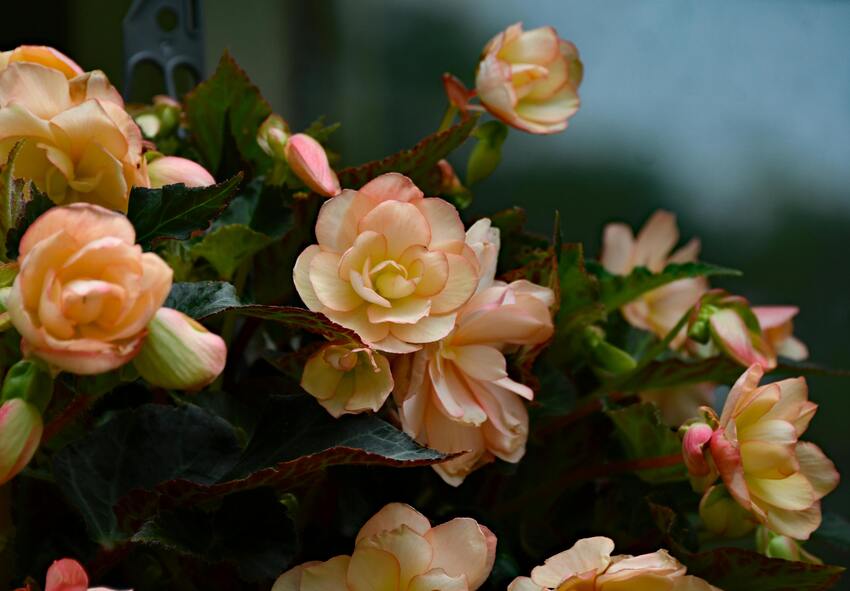
Tuberous begonias are among the most popular summer flowers for shade gardens. Their large blooms come in shades of red, pink, orange, yellow, and white, creating vibrant displays throughout the season.
Begonias grow beautifully in containers, hanging baskets, and flower beds. They prefer rich, well-drained soil and regular watering to maintain healthy blooms during warm weather. These plants are valued for both their flowers and decorative foliage, making them versatile additions to shady outdoor spaces.
Why Gardeners Love Begonias:
- Long-lasting summer blooms
- Wide variety of flower colors
- Perfect for containers and borders
- Thrive in shady conditions
- Decorative foliage adds texture
Calla Lilies
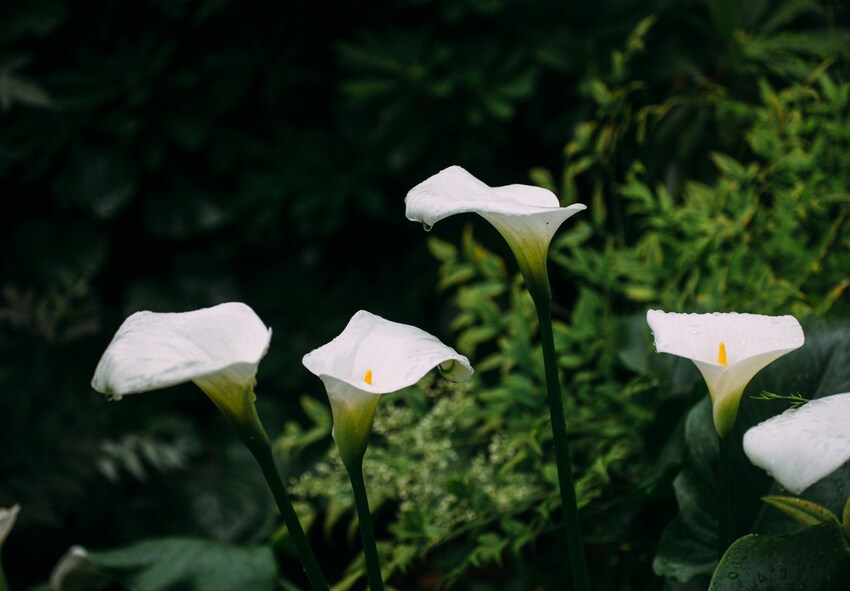
Calla lilies bring elegance and dramatic beauty to shady gardens with their smooth trumpet-shaped flowers and glossy foliage. Their blooms are available in white, yellow, pink, purple, and deep burgundy shades.
These plants prefer moist, fertile soil and partial shade, especially in hot climates. Calla lilies work beautifully in borders, patio containers, and water garden edges. Their sophisticated appearance makes them popular for both landscape design and cut flower arrangements.
Advantages of Growing Calla Lilies:
- Exotic and elegant flowers
- Suitable for containers and borders
- Thrive in moist soil conditions
- Excellent cut flowers
- Available in many vibrant colors
Caladium
Caladiums are prized for their colorful heart-shaped leaves rather than flowers. Their foliage comes in striking combinations of green, pink, red, white, and burgundy.
These tropical plants brighten shaded spaces and create bold contrasts in garden beds and containers. Caladiums thrive in warm temperatures with rich, moist soil. Their dramatic foliage pairs well with flowering shade plants and ferns.
Reasons to Grow Caladiums:
- Stunning decorative foliage
- Excellent for containers and borders
- Brightens dark garden corners
- Easy to combine with other shade plants
- Ideal for tropical garden themes
Elephant Ears (Colocasia)
Elephant ears are dramatic tropical plants known for their enormous leaves and bold appearance. Their oversized foliage creates strong architectural structure in shade gardens.
These plants prefer moist soil and warm temperatures. Elephant ears are especially effective in tropical-themed landscapes and near water features. Their lush foliage adds height and texture to shaded garden designs.
Benefits of Colocasia:
- Large tropical foliage
- Creates dramatic garden structure
- Thrives in moist environments
- Perfect for tropical shade gardens
- Excellent background plant for borders
Cyclamen
Cyclamen produces delicate flowers with swept-back petals in shades of pink, red, and white. Its attractive patterned foliage adds beauty even when the plant is not blooming.
These plants grow best in cool, shaded areas with good drainage. Cyclamen is often used in woodland gardens and shaded containers. Its compact size makes it suitable for smaller garden spaces and layered plantings.
Why Choose Cyclamen:
- Delicate colorful flowers
- Decorative foliage patterns
- Perfect for cool shaded areas
- Ideal for containers and woodland gardens
- Compact growth habit
Tricyrtis (Toad Lily)
Tricyrtis, commonly known as toad lily, produces unusual spotted flowers during late summer and early fall. The orchid-like blooms appear when many other shade plants are fading.
This plant thrives in moist woodland conditions with partial to full shade. Toad lilies add unique texture and seasonal interest to shaded borders. Their exotic flowers attract attention and complement ferns and hostas beautifully.
Features of Tricyrtis:
- Unique spotted blooms
- Late-season flowering period
- Excellent woodland garden plant
- Thrives in moist shade
- Adds exotic texture to borders
Anemones
Anemones provide elegant late-summer and fall blooms that brighten shaded gardens when many summer flowers begin fading. Their delicate flowers sway gracefully above attractive foliage.
These plants prefer moist, fertile soil and partial shade. Anemones combine beautifully with ornamental grasses, ferns, and woodland perennials. They are valued for extending seasonal color into autumn.
Benefits of Growing Anemones:
- Late-season blooms
- Elegant and delicate flowers
- Ideal for woodland gardens
- Pairs well with ferns and grasses
- Adds movement and softness to borders
Design Ideas for Shady Gardens
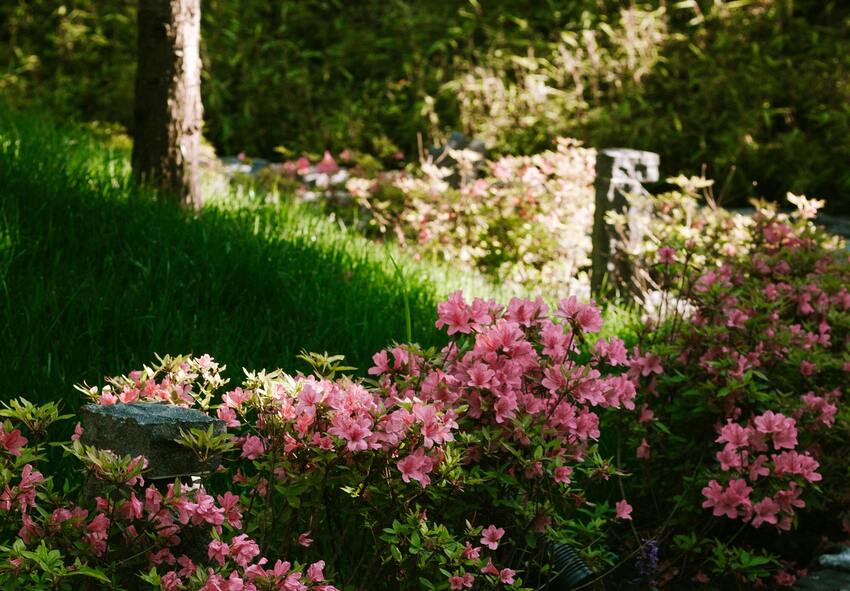
Shady gardens can be transformed into relaxing outdoor retreats with layered foliage, colorful flowers, and natural textures. Combining summer-blooming bulbs with shade-loving perennials creates depth and visual interest. Creative design choices help maximize color and structure even in low-light spaces.
Woodland Garden Style
Woodland gardens combine shade-loving bulbs with ferns, hostas, and natural stone pathways. This style creates a peaceful and organic atmosphere. Layered planting also improves texture and seasonal color variation.
Tropical Shade Garden Inspiration
Tropical shade gardens use bold foliage plants such as elephant ears and caladiums to create lush landscapes. Bright flowers and large leaves add dramatic visual impact. Water features and dense greenery enhance the tropical appearance.
Container Gardens for Shade
Containers allow gardeners to add color to patios, balconies, and shaded entrances. Begonias, caladiums, and cyclamen grow especially well in decorative pots. Container gardening also makes it easier to move plants when needed.
Layering Plants for Texture
Combining tall foliage plants with lower flowering bulbs creates depth and structure in shade gardens. Layering different heights improves visual balance. Mixing textures also makes shaded areas feel fuller and more dynamic.
Combining Foliage and Flowers
Shade gardens benefit from combining decorative leaves with colorful blooms. Caladiums and elephant ears pair beautifully with begonias and anemones. This combination creates long-lasting visual interest throughout the growing season.
Conclusion
Summer-blooming bulbs make it possible to create colorful and vibrant gardens even in shady locations. Plants such as Bletilla, Begonias, Calla Lilies, Caladiums, Elephant Ears, Cyclamen, Tricyrtis, and Anemones provide beautiful flowers, dramatic foliage, and long-lasting seasonal interest.
Whether you prefer woodland gardens, tropical landscapes, or container displays, shade-loving bulbs can transform dark outdoor spaces into relaxing garden retreats. Visit our online plant store to explore premium summer flowering bulbs and shade-loving plants for your next garden project!
Frequently Asked Questions (FAQs) about Summer-Blooming Bulbs
1. Which summer-blooming bulbs grow best in shade?
Some of the best summer-blooming bulbs for shade include begonias, calla lilies, caladiums, Bletilla, cyclamen, anemones, and tricyrtis. These plants thrive in partial or full shade while providing colorful blooms and decorative foliage. Many of them also grow well in containers, woodland gardens, and shaded borders with moist, well-drained soil.
2. Can I order summer-blooming bulbs from your online store?
Yes, you can order high-quality summer-blooming bulbs directly from our online store Dutch-bulbs.com. We offer shade-loving varieties such as begonias, calla lilies, caladiums, anemones, and other beautiful flowering bulbs. Our carefully selected plants are ideal for woodland gardens, containers, borders, and low-light outdoor spaces that need vibrant summer color and texture.
3. Can begonias grow in full shade?
Begonias can grow in full shade, but most tuberous begonias perform best in partial shade with filtered sunlight. Too much deep shade may reduce flowering, while strong afternoon sun can damage leaves and blooms. Providing bright indirect light, rich soil, and regular moisture helps begonias produce healthy growth and long-lasting summer flowers.
4. Do calla lilies need a lot of water?
Calla lilies prefer consistently moist soil, especially during active growth and flowering periods. However, they do not tolerate waterlogged conditions or poor drainage. Regular watering combined with fertile, well-drained soil helps calla lilies stay healthy and produce vibrant blooms. Mulching around plants can also help retain moisture during warm summer weather.
5. How do you prevent bulbs from rotting in shade gardens?
Preventing bulb rot begins with improving soil drainage and avoiding excessive watering. Adding compost, sand, or organic matter helps loosen heavy soil and reduce moisture buildup around bulbs. Planting bulbs at the proper depth and spacing also improves airflow. Removing damaged plant material quickly can further reduce fungal disease and bulb rot risks.
Published: 29.05.2026