



Gloxinia is a beautiful flowering houseplant known for its velvety leaves and large trumpet-shaped blooms in shades of purple, pink, red, white, and blue. To keep these plants healthy and blooming regularly, it is important to understand their seasonal growth cycle and provide proper care throughout the year.
Seasonal care for gloxinia plays a major role in flower production, leaf health, and successful dormancy. Unlike many houseplants, gloxinia naturally enters a resting period after flowering. Adjusting watering, lighting, and temperature during each season helps support healthy growth and encourages stronger blooms in the future.
In this article, you’ll learn how to care for gloxinia during spring, summer, fall, and winter. You’ll also discover tips for improving flowering, managing dormancy, and maintaining healthy indoor plants year-round. Our gardening blog is a perfect place to find all the information you need!
Understanding the Gloxinia Growth Cycle
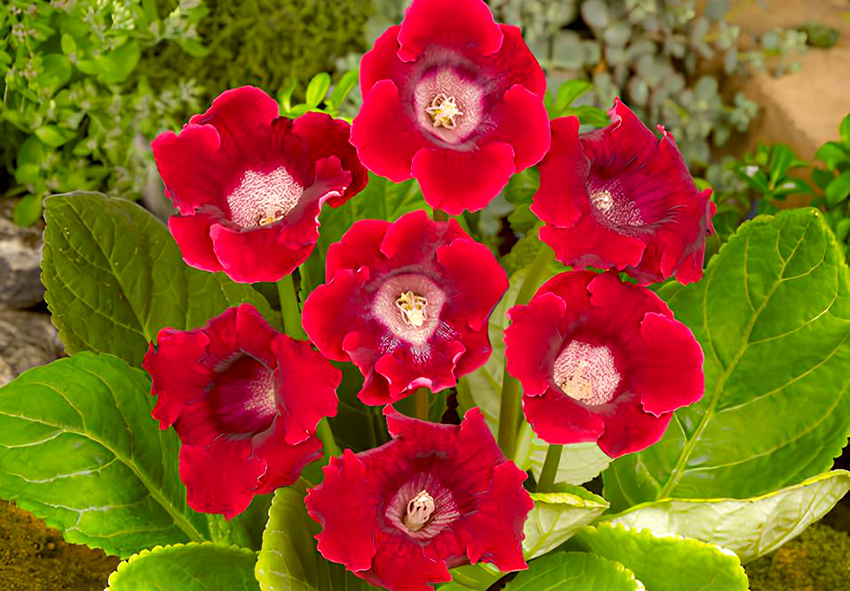
Gloxinia follows a natural seasonal growth cycle that includes active growth, flowering, and dormancy. Understanding these stages helps gardeners provide the right care at the right time. Proper seasonal care keeps the plant healthy and supports future blooming.
Many indoor gardeners are surprised when gloxinia begins losing leaves after flowering. However, this is a normal part of the plant’s dormancy cycle rather than a sign of poor health:
- Active Growing Season: The active growing season usually begins in spring when dormant tubers start producing new leaves and stems. During this stage, gloxinia requires regular watering, bright indirect light, and nutrients to support healthy development. Strong spring growth helps prepare the plant for abundant flowering later in the season.
- Flowering Period: Gloxinia typically blooms during late spring and summer. Large colorful flowers appear above soft velvety foliage and can last several weeks with proper care. Consistent moisture, humidity, and balanced fertilizer help extend the flowering period and improve bloom quality.
- Dormancy Stage Explained: After flowering, gloxinia naturally enters dormancy, usually during fall or winter. Leaves begin yellowing and dying back as the plant stores energy in its tuber. Dormancy is an important resting period that allows the plant to recover before starting a new growth cycle.
Spring Care for Gloxinia
Spring is the most important growing period for gloxinia because it marks the beginning of active growth. During this season, dormant tubers wake up and produce fresh leaves and stems. Proper spring care supports healthy foliage and prepares the plant for blooming.
Providing warmth, moisture, and bright light during spring helps gloxinia establish strong growth early in the season.
Waking Up Dormant Tubers
Dormant gloxinia tubers usually begin growing again as temperatures warm and daylight increases. At this stage, tubers can be replanted in fresh soil if needed. Light watering should begin once new shoots appear above the soil surface.
Best Light Conditions in Spring
Gloxinia grows best in bright indirect light during spring. East-facing windows are often ideal because they provide gentle morning sunlight without harsh afternoon heat. Too much direct sunlight may scorch leaves and damage developing flowers.
Watering During New Growth
As new growth begins, watering should gradually increase. The soil should remain slightly moist but never soggy. Overwatering during early growth can lead to root rot and fungal problems around the tubers.
Fertilizing for Healthy Leaves
Balanced liquid fertilizer applied every few weeks helps support healthy leaves and stronger flowering stems. Fertilizing during active growth provides nutrients the plant needs for blooming. Avoid excessive fertilizer because too much feeding may damage delicate roots.
Repotting Gloxinia Plants
Spring is the best time to repot gloxinia if the plant has outgrown its container. Fresh potting soil improves drainage and provides new nutrients for healthy growth. Choose shallow containers with drainage holes to prevent excess moisture buildup.
Summer Care for Gloxinia
Summer is the peak blooming season for gloxinia. During this period, the plant requires consistent care to maintain healthy flowers and attractive foliage. Proper watering and humidity are especially important during warm weather.
Indoor placement also affects bloom quality because strong summer sunlight can damage leaves and flowers.
Encouraging Long-Lasting Blooms
Removing faded flowers regularly helps encourage continuous blooming throughout summer. Healthy plants may produce flowers for several weeks under ideal conditions. Providing stable temperatures and proper moisture also helps extend bloom life.
Proper Watering During Hot Weather
Gloxinia may need more frequent watering during hot summer conditions because the soil dries out faster. Water carefully around the base of the plant to avoid wetting leaves and flowers. Allowing water to sit on foliage may increase the risk of fungal diseases.
Humidity Requirements
Gloxinia prefers moderate to high humidity levels because dry indoor air can damage leaves and flowers. Placing the plant near a humidity tray can improve moisture around the foliage. Grouping houseplants together may also help increase humidity naturally.
Preventing Leaf Damage from Direct Sun
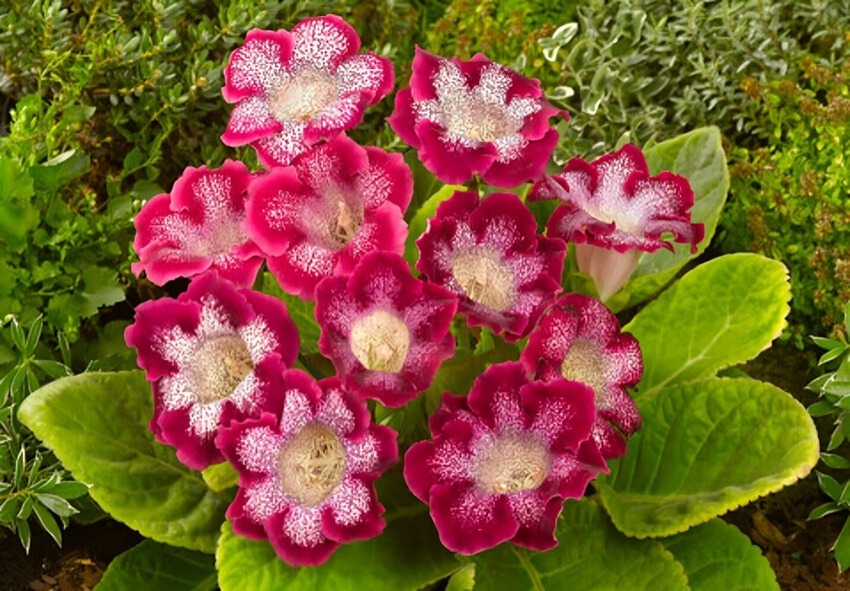
Strong direct sunlight can scorch gloxinia leaves and fade flowers quickly. Bright filtered light is ideal during summer months. Curtains or sheer blinds can help protect indoor plants from harsh afternoon sun exposure.
Best Indoor Placement During Summer
As mentioned in the full guide to gloxinia, bright rooms with indirect sunlight and stable temperatures are ideal locations for summer gloxinia care. Avoid placing plants near air conditioners or heat sources. Good air circulation also helps reduce fungal disease problems during humid weather.
Fall Care for Gloxinia
Fall is the transition period when gloxinia begins slowing down and preparing for dormancy. Leaves may gradually lose color and flowering will decrease naturally. Seasonal adjustments during fall help the plant enter dormancy successfully.
Reducing water and fertilizer at the right time prevents stress and supports healthy tuber development.
Reducing Watering Gradually
As growth slows, watering should gradually decrease. The soil should become slightly drier between waterings as the plant prepares for dormancy. Excess moisture during this stage can increase the risk of rot.
Preparing for Dormancy
Gloxinia naturally stores energy in its tuber before entering dormancy. Allowing the plant to rest is essential for future growth and blooming. Avoid forcing continued growth once leaves begin dying back naturally.
Removing Faded Flowers and Leaves
Dead flowers and yellowing leaves should be removed carefully to keep the plant clean and healthy. This also helps reduce fungal and pest problems. Removing damaged plant material improves overall plant appearance during seasonal transition.
Signs the Plant Is Entering Dormancy
Common signs of dormancy include yellow leaves, slower growth, and fading flowers. Eventually, most foliage may die back completely. This process is normal and should not be mistaken for plant failure.
Winter Care for Gloxinia
Winter is the resting period for dormant gloxinia tubers. During this time, the plant requires very little care because active growth temporarily stops. Proper winter storage helps protect tubers and prepares them for healthy spring growth.
Maintaining dry conditions and moderate temperatures during dormancy is especially important.
How to Store Dormant Tubers
Dormant tubers can remain in their pots or be removed and stored in dry peat moss or paper bags. Storage areas should stay cool and dry during winter. Proper storage prevents rot and protects tubers from freezing temperatures.
Temperature Requirements in Winter
Gloxinia tubers prefer cool winter temperatures between 50°F and 60°F (10°C to 15°C). Extreme cold or heat may damage dormant tubers. Stable temperatures help maintain healthy dormancy conditions.
Avoiding Excess Moisture
Dormant tubers require very little water during winter. Excess moisture can quickly lead to fungal problems and rotting. Keeping the soil mostly dry is one of the most important parts of winter care.
Indoor Winter Care Tips
Store dormant plants away from direct sunlight and heat vents during winter. Minimal disturbance helps tubers remain healthy until spring. Checking tubers occasionally for signs of rot or dehydration is also helpful.
Tips for Better Gloxinia Blooms
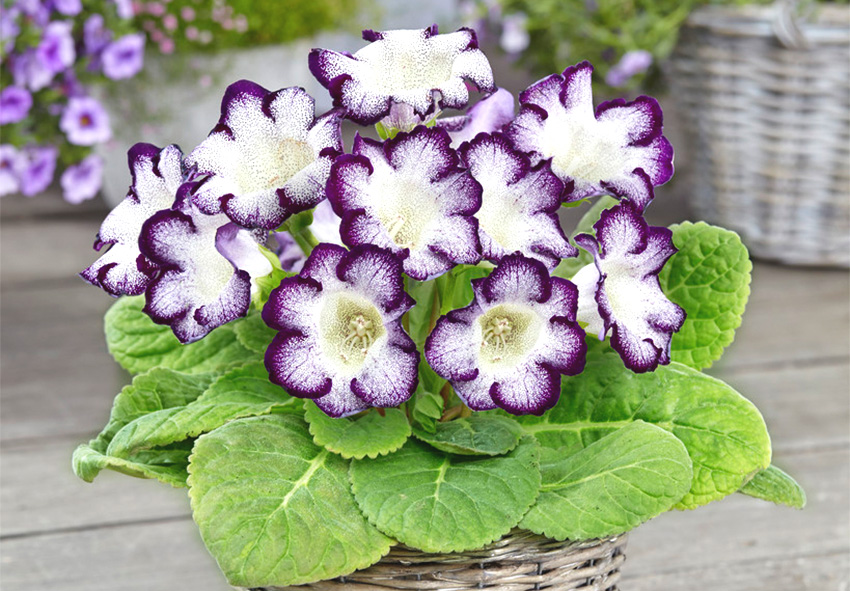
Healthy blooming depends on proper light, watering, humidity, and seasonal care. Small adjustments in growing conditions can significantly improve flower quality and bloom duration. Consistent care throughout the year helps gloxinia produce larger and more vibrant flowers:
- Using Balanced Fertilizer: Balanced fertilizer provides nutrients needed for healthy leaves and strong flowers. Feeding every few weeks during active growth encourages continuous blooming. Avoid overfertilizing because it may weaken roots and reduce flower quality.
- Providing Proper Humidity: Humidity helps prevent leaf curling and keeps flowers looking fresh longer. Dry air can cause stress and shorten bloom life. Humidity trays and grouped houseplants are simple ways to improve indoor moisture levels.
- Deadheading Spent Flowers: Removing faded blooms helps redirect energy toward new flowers and healthy growth. Deadheading also improves the appearance of the plant. Regular maintenance encourages cleaner and longer-lasting displays.
- Avoiding Temperature Stress: Sudden temperature changes may damage leaves and reduce blooming. Gloxinia prefers stable indoor temperatures without cold drafts or heat stress. Consistent conditions help maintain healthy foliage and vibrant flowers.
Conclusion
Seasonal care for gloxinia is essential for maintaining healthy foliage, vibrant flowers, and successful dormancy cycles. By understanding the plant’s natural growth stages and adjusting care throughout spring, summer, fall, and winter, gardeners can enjoy beautiful blooms year after year.
With proper watering, humidity, lighting, and dormancy care, gloxinia becomes an attractive and rewarding indoor plant for homes and apartments. Visit our online plant store to explore healthy gloxinia plants, indoor gardening supplies, and decorative containers for your growing collection.
Frequently Asked Questions (FAQs) about Care for Gloxinia
1. How often should gloxinia be watered?
Gloxinia should be watered when the top layer of soil feels slightly dry. During active growth and flowering, the plant usually needs regular watering to keep the soil lightly moist. During dormancy, watering should be reduced significantly. Avoid overwatering because soggy soil can quickly lead to root rot and fungal problems around the tubers.
2. Does gloxinia need direct sunlight?
Gloxinia grows best in bright indirect light rather than strong direct sunlight. Too much sun may scorch the soft velvety leaves and fade flowers quickly. East-facing windows with gentle morning light are ideal. Providing filtered light helps maintain healthy foliage, improves flowering, and prevents heat stress during warmer months of the year.
3. Can I order gloxinia tubers from your online store?
Yes, you can order gloxinia tubers directly from our online store Dutch-bulbs.com. We offer beautiful flowering varieties suitable for indoor growing, decorative containers, and seasonal plant displays. Our carefully selected plants are ideal for beginners and experienced indoor gardeners looking to enjoy colorful blooms and attractive foliage throughout the year.
4. Why is my gloxinia going dormant?
Dormancy is a natural part of the gloxinia growth cycle and usually occurs after flowering. The plant stores energy in its tuber while leaves gradually yellow and die back. This resting period helps prepare the plant for future growth and blooming. Reduced watering and cooler conditions support healthy dormancy development during fall and winter.
5. Can gloxinia grow indoors year-round?
Yes, gloxinia grows very well indoors year-round when provided with proper light, humidity, and seasonal care. During active growth, the plant needs warmth, indirect light, and regular watering. During dormancy, it requires cooler temperatures and reduced moisture. Indoor growing conditions make it easier to protect gloxinia from outdoor weather and temperature fluctuations.
Published: 02.06.2026