



Autumn is often associated with harvesting, cleaning flowerbeds and preparing the garden for winter, but it is also one of the best times of the year to propagate many ornamental plants. Cooler temperatures, increased soil moisture and reduced heat stress create favourable conditions for root development and establishment. For gardeners who want to expand their collections without purchasing additional plants, fall propagation offers numerous opportunities.
Different groups of plants require different propagation methods. Perennials can often be divided, annuals are usually propagated from seed, while many shrubs respond well to cuttings or layering. Understanding which technique suits each plant will increase the chances of success and help create a healthier, more productive garden.
This comprehensive guide explains how to propagate perennials, annuals and shrubs in autumn, which plants respond best to each method and what preparations should be made before winter arrives. Our gardening blog is a perfect place to find all the information you need!
Why Fall Is an Excellent Time for Plant Propagation
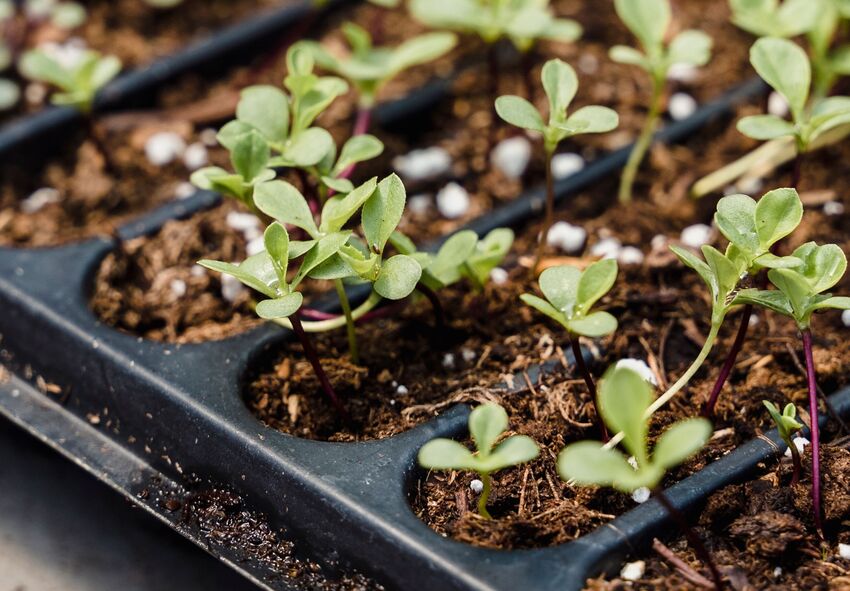
Autumn offers several advantages that are not always available during spring or summer. Many plants naturally enter a period of dormancy, allowing gardeners to divide, transplant or take cuttings with less risk of damaging active growth.
The Main Advantages of Autumn Propagation
There are several reasons why experienced gardeners often prefer autumn propagation:
- Cooler temperatures reduce stress on newly propagated plants;
- Autumn rainfall helps maintain consistent soil moisture;
- Roots continue to develop even after the leaves stop growing;
- Weeds compete less aggressively for nutrients and water;
- Plants have time to establish before vigorous spring growth begins;
- Many perennials naturally benefit from division at the end of the growing season.
Although autumn propagation is highly effective, timing remains important. Plants need enough time to establish roots before severe winter weather arrives.
Propagating Perennials in Fall
Many perennial flowers become crowded after several years of growth. Dividing and propagating them in autumn not only produces additional plants but also improves the health and flowering performance of the original clump.
Division of Mature Plants
Division is one of the simplest and most reliable methods of propagating herbaceous perennials. Mature plants are carefully lifted from the ground and separated into smaller sections, each containing healthy roots and shoots.
This technique rejuvenates older plants by reducing overcrowding and improving air circulation. Newly divided sections can be replanted immediately in prepared soil, where they will begin establishing roots before winter. Most gardeners prefer to divide perennials after flowering has finished and daytime temperatures have started to cool.
Root Cuttings and Rhizome Division
Certain plants spread through rhizomes, tubers or thick roots that can be divided into separate sections. In these cases, gardeners should use clean tools to cut the underground structures into healthy pieces containing viable buds.
Root cuttings are especially useful for species that do not respond well to traditional stem cuttings. After division, damaged roots should be trimmed away and the new plants should be replanted in fertile, well-drained soil. Applying mulch after planting helps protect the root system during the first winter.
Perennials That Respond Well to Autumn Propagation
Not every perennial reacts equally well to autumn division, but many popular garden plants benefit greatly from this method.
Peonies
Peonies are among the most valuable perennials for autumn propagation. Mature clumps can be lifted and divided in early autumn, with each division retaining several healthy buds and strong roots. Because peonies dislike frequent disturbance, division is usually performed only every few years. Autumn planting gives the roots time to establish before spring growth begins.
Hostas
Hostas are extremely easy to divide in fall. Large clumps can be separated into multiple smaller plants that quickly establish in shady borders and woodland gardens. Autumn division reduces overcrowding and encourages vigorous growth during the following season.
Daylilies
Daylilies naturally form dense clusters that benefit from periodic division. Gardeners can separate mature clumps into smaller sections and immediately replant them. This process improves flowering, rejuvenates older plants and creates additional planting material at very little cost.
Irises
Many iris varieties spread through rhizomes that require occasional division to maintain healthy growth. Autumn is considered one of the best times to separate and replant these rhizomes. Proper spacing after division improves air circulation and reduces the risk of fungal diseases.
Phlox
Perennial phlox also responds well to autumn division. Separating mature plants encourages stronger growth and improves flowering while preventing overcrowding in mixed borders. Newly divided phlox plants usually establish quickly if planted in moist, fertile soil.
Propagating Annuals for the Next Season
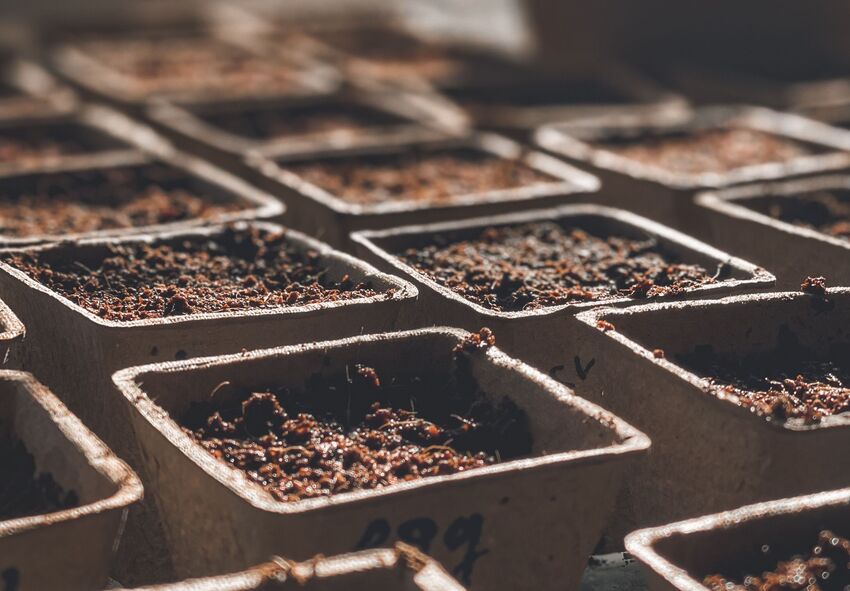
Unlike most perennials, annual flowers complete their life cycle within a single growing season. Nevertheless, gardeners can easily preserve their favourite varieties by collecting and storing seeds in autumn.
Collecting and Storing Seeds
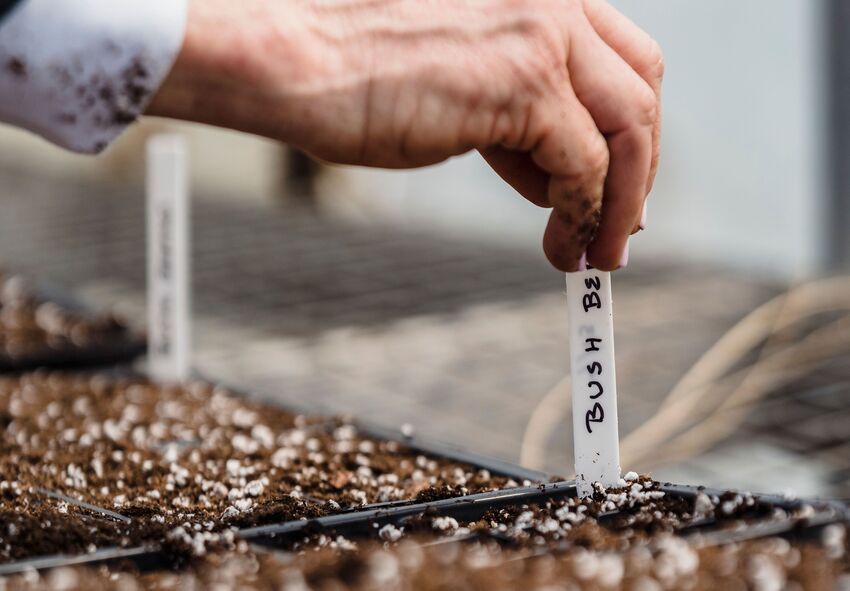
Seed collection is one of the most economical propagation methods available. As flowers fade and seed heads mature, gardeners can gather seeds and allow them to dry thoroughly before storage. Seeds should be kept in paper envelopes or breathable containers and stored in a cool, dry place throughout winter. Proper labelling is essential to avoid confusion when spring planting begins. Collecting seeds from healthy, vigorous plants usually produces the best results.
Self-Seeding Annuals
Some annual flowers naturally scatter seeds around the garden and return the following year without additional effort from the gardener. Although self-seeding creates a more informal appearance, it can be an excellent option for cottage gardens and naturalistic plantings. Gardeners simply need to leave some mature seed heads in place until autumn. In favourable conditions, these plants may establish entire colonies over time.
Many common garden annuals are remarkably easy to propagate from collected seeds:
- Marigolds: Marigolds produce abundant seeds that remain viable for several years when stored correctly. Their fast germination and reliable growth make them ideal for beginner gardeners.
- Cosmos: Cosmos plants readily self-seed and produce large quantities of seeds that can be collected at the end of the growing season. These elegant flowers often return year after year in suitable climates.
- Zinnias: Zinnias are valued for their colourful flowers and simple propagation. Seeds collected from healthy plants usually germinate readily the following spring. Saving seeds also allows gardeners to preserve particularly attractive colour combinations.
- Calendula: Calendula is one of the easiest annuals to propagate from seed. Many varieties self-seed naturally, producing new plants with very little intervention. Their bright flowers and extended blooming period make them popular additions to flowerbeds and vegetable gardens. In the second half, you can continue with propagating shrubs, essential tools and materials, winter care, common mistakes and the conclusion.
Propagating Shrubs in Fall
Many ornamental and fruit-bearing shrubs can also be propagated successfully in autumn. Unlike annuals and herbaceous perennials, shrubs are usually propagated from cuttings or by layering. These methods require a bit more patience, but they often produce strong plants that remain true to the parent variety. The cooler temperatures of autumn reduce moisture loss from the stems, while dormant growth allows the cuttings to focus their energy on root formation.
Hardwood Cuttings
Hardwood cuttings are one of the most reliable methods of shrub propagation. Gardeners take mature, woody stems after the leaves have fallen and cut them into sections approximately 15–25 centimetres long. The lower leaves and side shoots should be removed, and the cuttings can then be inserted into containers or directly into prepared garden beds filled with loose, well-drained soil. While rooting may take several months, many shrubs establish successfully by spring.
Layering Methods
Layering is another effective propagation technique that involves encouraging a branch to form roots while it is still attached to the parent plant. To do this, gardeners bend a flexible shoot toward the ground, bury a section of it beneath the soil and secure it in place. Over time, roots develop along the buried stem. The new plant can then be separated from the parent shrub and transplanted. Layering is particularly useful for species that root slowly from cuttings.
Shrubs Suitable for Autumn Propagation
Many popular garden shrubs respond well to autumn propagation methods:
- Hydrangeas: Certain hydrangea varieties can be propagated from hardwood cuttings taken after the growing season ends. Healthy stems with mature wood often root successfully when kept in moist soil throughout winter. Layering is also an excellent option for gardeners who want a higher success rate.
- Roses: Many traditional shrub roses can be propagated from hardwood cuttings in autumn. The cuttings should be taken from healthy stems that flowered during the current season. Although rooting takes time, autumn propagation allows young plants to establish gradually before active spring growth begins.
- Spirea: Spirea is considered one of the easiest ornamental shrubs to propagate. Hardwood cuttings usually root readily, making this species ideal for beginner gardeners. Its vigorous growth allows newly propagated plants to establish quickly in borders and mixed plantings.
- Forsythia: Forsythia responds extremely well to both cuttings and layering. Flexible stems root easily when they come into contact with moist soil. Because of its rapid growth, a single mature shrub can provide numerous new plants within a few seasons.
- Currants: Currant bushes are commonly propagated from hardwood cuttings in autumn. Healthy shoots taken after leaf fall can be rooted directly in the garden, where they will establish roots during winter dormancy. This simple method is widely used for both ornamental and fruit-bearing varieties.
Essential Tools and Materials for Fall Propagation
Successful propagation depends not only on the method but also on using the proper equipment and materials. Clean tools and suitable growing media greatly increase the chances of healthy root development.
Pruning Shears and Cutting Tools
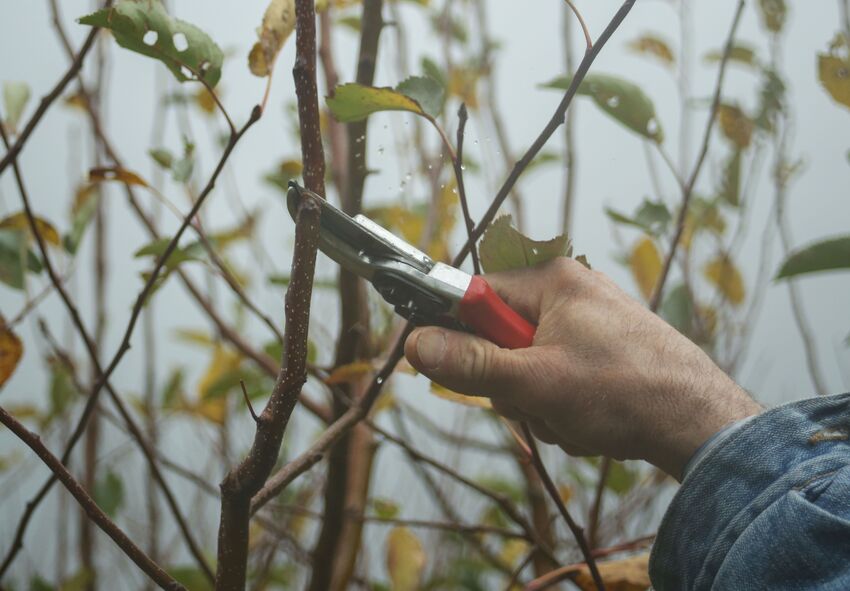
Sharp, disinfected pruning shears are essential for taking clean cuttings and dividing plants. Dull blades can crush stems and roots, increasing the risk of disease and slowing recovery. Many gardeners also keep a garden knife and small hand shovel nearby when dividing perennials or preparing planting holes.
Soil Mixes and Containers
Young plants require loose, well-drained soil that retains moisture without becoming waterlogged. Containers with drainage holes are ideal for rooting cuttings and protecting small plants during winter. A mixture of garden soil, compost and sand often provides suitable growing conditions for many species.
Rooting Hormones and Mulches
Although rooting hormones are not always necessary, they can increase the success rate of shrub cuttings and difficult-to-root species. Mulch is equally important because it helps regulate soil temperature, conserve moisture and protect young root systems from severe winter conditions.
How to Care for Newly Propagated Plants Before Winter
The weeks following propagation are critical for successful establishment. Young plants need time to develop roots before freezing temperatures arrive.
Watering and Moisture Management
Recently divided plants and fresh cuttings require consistent moisture, especially during dry autumn weather. However, excessive watering can cause root rot and fungal diseases. The soil should remain slightly moist but never saturated.
Winter Protection and Mulching
A layer of mulch helps insulate the soil and reduces sudden temperature fluctuations during winter. Straw, bark chips, leaves or compost can all provide effective protection. In regions with particularly harsh winters, gardeners may also use protective covers or move containers into sheltered locations.
Choosing the Right Location
Young plants should be placed in locations protected from strong winds and extreme temperature changes. Sheltered areas with good drainage usually provide the best conditions for successful overwintering and vigorous spring growth.
Common Mistakes to Avoid
Even experienced gardeners occasionally make mistakes when propagating plants in autumn. Avoiding a few common problems can significantly improve success rates.
Propagating Too Late in the Season
Plants propagated immediately before severe frosts may not have enough time to establish roots. Starting too late often results in winter damage or plant loss. Whenever possible, propagation should be completed several weeks before the first hard frost.
Using Diseased Plant Material
Cuttings and divisions should always be taken from healthy, vigorous plants. Diseased or damaged material may introduce infections into newly propagated plants. Careful inspection before propagation is essential.
Overwatering Young Plants
Too much moisture is often more dangerous than temporary dryness. Waterlogged soil limits oxygen around the roots and encourages fungal diseases. Good drainage remains one of the most important factors in successful propagation.
Ignoring Winter Protection
Many young plants are less cold-hardy than mature specimens. Failing to provide mulch or winter protection may undo all the effort invested in propagation. Simple protective measures greatly improve survival rates.
Conclusion
Autumn is far more than a season of garden cleanup — it is also one of the best times to multiply your favorite plants. Perennials such as peonies, hostas and irises benefit from division, annuals can be preserved through seed collection, and many shrubs root successfully from hardwood cuttings or layering.
By selecting the right propagation method, using healthy plant material and providing adequate winter protection, gardeners can create new plants at minimal cost and enjoy a fuller, more diverse garden in the years ahead. With a little planning and patience, fall propagation can become one of the most rewarding tasks of the gardening season!
Frequently Asked Questions (FAQs) about Propagating Plants in Fall
1. Which garden plants are easiest to propagate in fall?
Many perennials, annuals and shrubs respond well to autumn propagation. Hostas, daylilies, irises and peonies can be divided, while marigolds, cosmos and calendula are easily propagated from seed. Among shrubs, hydrangeas, spirea, currants and forsythia often root successfully from hardwood cuttings or layering. The best method depends on the plant species and local climate conditions.
2. Can I order peonies, hydrangeas and other garden plants from your online store?
Yes, you can order a wide range of planting materials from our online store Dutch-bulbs.com, including peonies, hydrangeas, roses, hostas, irises and many other garden plants suitable for autumn planting and propagation. We offer healthy, high-quality plants and roots that can be used to create flowerbeds, borders and long-lasting landscape compositions in gardens of all sizes.
3. Why is fall considered a good time for plant propagation?
Cooler temperatures, increased rainfall and lower evaporation rates reduce stress on newly propagated plants. During autumn, many species direct their energy toward root development rather than leaf growth, allowing divisions and cuttings to establish before winter. In addition, fewer weeds compete for moisture and nutrients, giving young plants a better chance of successful establishment.
4. How can I protect newly propagated plants during winter?
Young plants benefit from regular watering during dry weather, followed by a protective layer of mulch before severe frosts arrive. Straw, bark, compost or fallen leaves help insulate the soil and stabilize temperatures. Plants grown in containers should be moved to sheltered areas, while newly planted divisions and cuttings may need additional protection in colder climates.
5. What mistakes should I avoid when propagating plants in autumn?
Common mistakes include propagating too late in the season, using diseased plant material, overwatering young plants and neglecting winter protection. It is also important to choose the correct propagation method for each species, since some plants prefer division while others root more successfully from cuttings or seeds. Careful preparation greatly increases the chances of success.
Published: 05.08.2026