



Proper storage of tulip bulbs is one of the most important aspects of successful tulip cultivation. While planting and flowering often receive the most attention, the period between growing seasons plays an equally significant role in determining the health and performance of future plants. Well-preserved bulbs are more likely to produce strong growth, healthy foliage, and abundant blooms in the following season.
This guide is intended for gardeners and allotment owners who grow tulips and wish to maintain the quality of their planting material until the next planting period. Whether cultivating a few decorative flower beds or a large collection of varieties, proper storage techniques help protect bulbs from common problems that can develop during dormancy.
Correct storage prevents bulbs from rotting, drying out, and losing their varietal characteristics. By understanding when to dig up tulips, how to prepare the bulbs, and which storage conditions are most suitable, gardeners can significantly improve the success of future flowering displays. Our gardening blog is a perfect place to find all the information you need!
When and How to Dig Up Tulip Bulbs Correctly
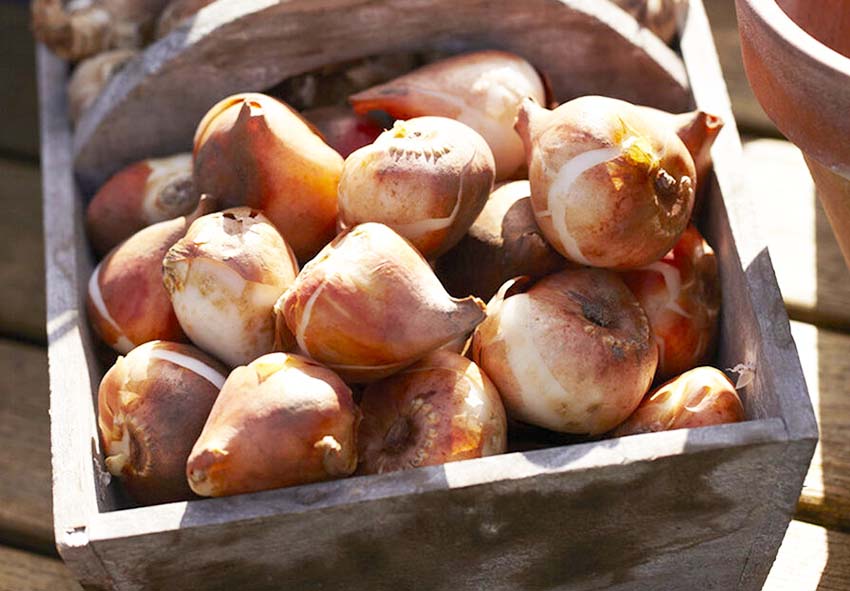
The timing of bulb removal is critical because it directly influences the quality and longevity of the planting material. Digging too early can interrupt the natural development process, while waiting too long may expose bulbs to unnecessary risks in the soil.
Timing: Waiting for Natural Dormancy
Proper post-bloom tulip care includes allowing the foliage to remain in place until it naturally yellows and dies back. At this stage, the plant has completed its growing cycle and transferred nutrients from the leaves into the bulb. This process provides the bulb with the energy reserves needed for future growth and flowering. Allowing the foliage to die back naturally is therefore an important part of bulb development.
Technique: Digging Without Damage
Careful digging helps preserve bulb quality and reduces the risk of injury. A garden fork is often preferred because it loosens the soil gently while minimizing the chance of cutting into the bulbs. The tool should be inserted several inches away from the plant to avoid direct contact with the bulb cluster. Once the soil is loosened, the bulbs can be lifted carefully and handled gently throughout the process.
Inspection: Evaluating Bulb Quality
After lifting the bulbs, they should be examined for size, firmness, and overall condition. Healthy bulbs are generally firm and free from obvious damage or signs of disease. Any bulbs that appear soft, discolored, or severely damaged should be separated from healthy specimens. Early identification of problems helps prevent future storage issues.
Preparing Bulbs for Storage After Digging Up
Preparation is a vital stage that significantly affects how well bulbs survive the storage period. Proper cleaning, drying, and inspection help reduce the risk of disease and improve long-term preservation.
Cleaning: Removing Soil and Debris
Once the bulbs have been dug up, loose soil should be removed carefully. Excess dirt can trap moisture and create conditions favorable for fungal growth during storage. Bulbs should be handled gently while cleaning to avoid damaging the protective outer layers. Maintaining intact bulb skins helps protect them from dehydration and disease.
Drying: Reducing Excess Moisture
Freshly lifted bulbs should be dried in a well-ventilated, shaded location for several days. This drying period allows excess moisture to evaporate and helps the outer layers toughen before storage. Direct sunlight should generally be avoided because excessive heat may damage the bulbs. A cool, airy environment provides the best drying conditions.
Inspection: Checking for Problems
Before placing bulbs into storage, each one should be examined carefully for signs of disease, mold, pest damage, or physical injury. Healthy bulbs should feel firm and show no evidence of deterioration. Removing questionable bulbs at this stage helps protect the remaining planting material. High-quality preparation is one of the most effective ways to ensure successful storage.
Optimal Storage Conditions for Tulip Bulbs
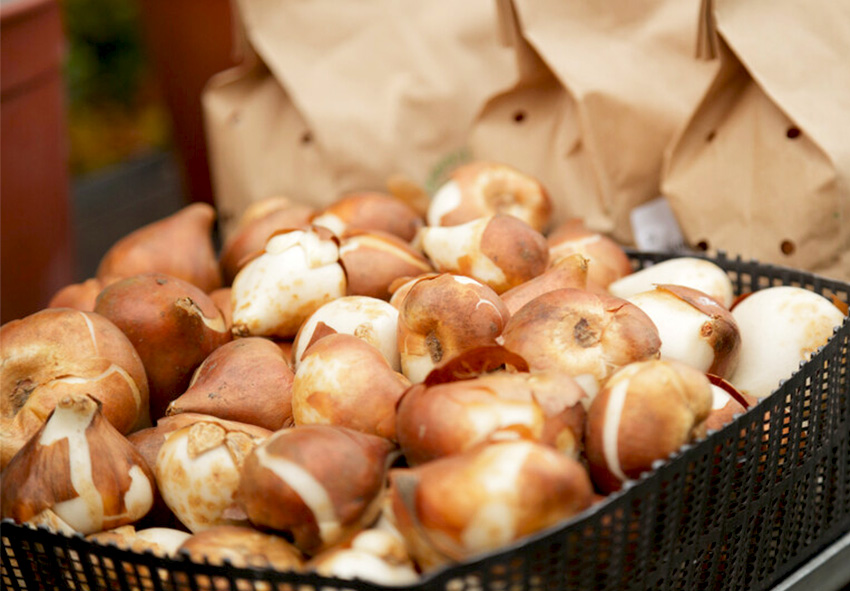
Creating suitable storage conditions helps maintain bulb health throughout the dormant period. Environmental factors such as temperature, humidity, and ventilation play a major role in determining storage success.
Temperature: Maintaining Stability
Tulip bulbs store best in cool conditions where temperatures remain relatively stable. Excessive heat may encourage premature growth or weaken the bulbs, while extreme cold can cause damage. A consistently cool room helps maintain dormancy and preserves the bulbs until planting time.
Humidity and Ventilation
Moderate humidity is essential during storage. Excess moisture can encourage fungal diseases and rot, while overly dry conditions may cause bulbs to shrivel and lose vitality. Good ventilation helps regulate humidity levels and prevents stagnant air from accumulating around the bulbs. Proper airflow significantly reduces the likelihood of storage-related problems.
Suitable Storage Containers
Tulip bulbs are commonly stored in paper boxes, mesh bags, or wooden crates. These containers allow air to circulate freely while providing protection from physical damage. Plastic containers with limited ventilation are generally less suitable because they may trap moisture. Choosing appropriate storage containers helps create a healthier environment for dormant bulbs.
Common Mistakes When Storing Tulip Bulbs
Even experienced gardeners occasionally make mistakes that can reduce bulb quality during storage. Understanding these common errors can help prevent losses and improve future flowering results:
- Storing bulbs in excessively humid conditions that promote rot and fungal growth.
- Failing to provide adequate ventilation, allowing moisture to accumulate.
- Keeping bulbs in locations with temperatures that are too high.
- Storing damaged or diseased bulbs together with healthy planting material.
- Neglecting regular inspections throughout the storage period.
These mistakes may seem minor initially, but they often lead to significant losses before the next planting season arrives.
Effects of Storage Problems
Each storage mistake can have a direct impact on the health and viability of tulip bulbs. Excessive humidity is one of the most common causes of bulb loss because it creates ideal conditions for rot and fungal diseases to develop. Once decay begins, it can spread quickly and make the bulbs unsuitable for planting.
Poor ventilation can also lead to serious problems. Without adequate airflow, moisture accumulates around the bulbs, encouraging mold growth and gradual deterioration. Over time, this can weaken the planting material and reduce its ability to produce healthy plants.
Storage temperatures that are too high may cause bulbs to break dormancy prematurely. As a result, they can begin sprouting before planting time, using valuable energy reserves that would otherwise support growth and flowering in the garden. These weakened bulbs often produce less vigorous plants and fewer flowers.
Another common problem is storing damaged or diseased bulbs together with healthy ones. Infections and fungal pathogens can spread from affected bulbs to healthy planting material, increasing losses during storage and reducing the overall quality of the collection.
Failing to inspect bulbs regularly throughout the storage period can also lead to significant losses. Small problems such as mold, rot, or dehydration may go unnoticed and worsen over time. Routine inspections allow gardeners to identify issues early and remove affected bulbs before they impact the rest of the stored planting material.
How to Avoid Common Problems
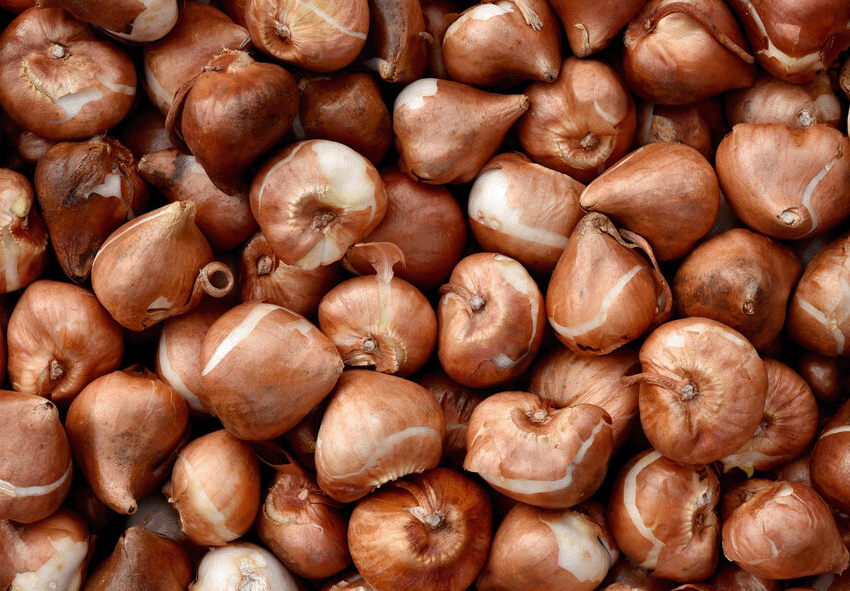
Preventing storage problems begins with careful preparation and proper monitoring. Bulbs should be stored only after thorough cleaning, drying, and inspection. The storage environment should be checked periodically to ensure that temperature and humidity remain within suitable ranges.
Regular inspections throughout the dormant season allow gardeners to remove any bulbs that begin to deteriorate. This simple practice helps preserve the overall quality of the planting material.
Conclusion
Successful tulip cultivation depends not only on planting and growing techniques but also on proper bulb storage between seasons. Correct digging, careful preparation, and suitable storage conditions all contribute to maintaining healthy planting material for future use.
By allowing bulbs to mature fully before lifting, cleaning and drying them thoroughly, and storing them in cool, well-ventilated conditions, gardeners can significantly improve their chances of success. Following these simple yet effective practices helps preserve bulb quality, protect valuable varieties, and ensure abundant flowering year after year!
Frequently Asked Questions (FAQs) about Storing Tulip Bulbs
1. When should I dig up tulip bulbs for storage?
Tulip bulbs should generally be dug up after the leaves have turned yellow and died back naturally. This indicates that the plant has completed its growth cycle and transferred nutrients into the bulb for future flowering. Digging too early can result in immature bulbs with reduced vigor. Waiting for natural dormancy helps ensure healthier planting material and improves flowering performance in the following season.
2. How should I prepare tulip bulbs before storing them?
After digging up tulip bulbs, remove loose soil carefully and allow the bulbs to dry in a cool, well-ventilated area for several days. Once dry, inspect them for signs of disease, mold, soft spots, or physical damage. Any unhealthy bulbs should be discarded. Proper cleaning, drying, and inspection are essential because they help prevent storage problems and improve the long-term preservation of planting material.
3. Can I order tulip bulbs from your online store?
Yes, you can order a wide range of tulip bulbs from our online store Dutch-bulbs.com, including early-, mid-, and late-flowering varieties in many colors and flower shapes. Whether you are creating formal flower beds, mixed borders, or naturalized plantings, there are options to suit different garden styles. Purchasing high-quality bulbs from a trusted supplier helps ensure healthy growth, strong plants, and beautiful seasonal flowering.
4. What are the best conditions for storing tulip bulbs?
Tulip bulbs store best in a cool, dry, and well-ventilated environment. Stable temperatures and moderate humidity help maintain bulb health throughout the dormant period. Common storage containers include paper boxes, mesh bags, and wooden crates because they allow air circulation. Avoid damp locations or sealed plastic containers, as excess moisture can promote fungal diseases, rot, and deterioration of the bulbs.
5. Why do tulip bulbs sometimes rot during storage?
Bulb rot is usually caused by excessive moisture, poor ventilation, or storing damaged bulbs together with healthy ones. Wet conditions encourage fungal growth, while inadequate airflow allows moisture to accumulate around the bulbs. In some cases, bulbs may already be damaged before storage and become more susceptible to decay. Proper drying, regular inspections, and suitable storage conditions greatly reduce the risk of rotting.
Published: 15.06.2026