



Proper watering is one of the most important parts of summer garden care. As temperatures rise, plants lose moisture more quickly through evaporation and transpiration, making them more vulnerable to heat stress, wilting, and reduced growth. Whether you grow vegetables, flowers, shrubs, or container plants, providing the right amount of water at the right time helps them stay healthy throughout the hottest months of the year.
Many gardeners struggle to find the balance between underwatering and overwatering. In this guide, you’ll learn why summer garden watering matters, the best times to water, effective watering methods, and practical water-saving strategies that will keep your garden thriving even during prolonged heatwaves. Our gardening blog is a perfect place to find any information you need!
Why Summer Garden Watering Matters
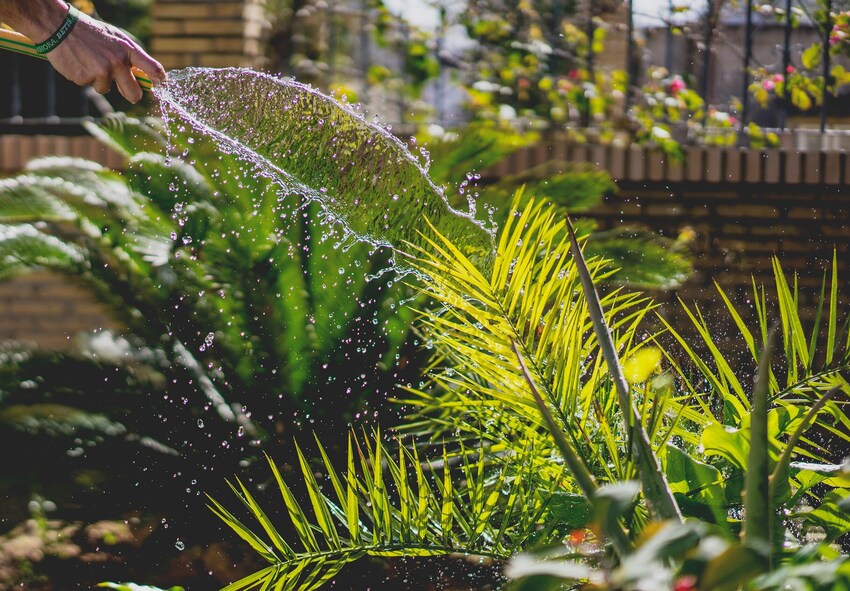
Summer places significant stress on plants, especially during long periods of high temperatures and little rainfall. Understanding how water affects plant health allows gardeners to develop a watering routine that supports healthy roots, vigorous growth, and abundant flowering. Proper watering is about more than simply keeping the soil wet—it helps plants withstand heat while reducing the risk of disease and other growing problems.
How Heat Affects Plant Health
Hot weather causes plants to lose water rapidly through their leaves. If roots cannot replace that moisture quickly enough, plants begin to wilt and growth slows considerably. Extended periods of drought can reduce flowering, decrease fruit production, and weaken plants, making them more susceptible to pests and diseases.
Signs Your Garden Needs Water
One of the first signs of dehydration is wilting foliage, particularly during the morning when plants should appear fresh. Dry, cracked soil and curling leaves also indicate that additional watering may be necessary. Flower buds may drop prematurely, vegetables may stop growing, and lawns may lose their vibrant green color when water becomes limited.
The Risks of Overwatering
While drought is harmful, too much water can be equally damaging. Constantly saturated soil deprives roots of oxygen, encouraging root rot and fungal diseases. Overwatering also promotes shallow root systems, making plants less resilient during future dry periods. Water only when the soil actually needs moisture.
When Is the Best Time to Water Your Garden?
The timing of irrigation is almost as important as the amount of water you provide. Watering during the coolest parts of the day allows moisture to soak deeply into the soil before excessive evaporation occurs. Adjusting your watering schedule based on weather conditions can greatly improve plant health and conserve water.
Morning Watering Benefits
Early morning is generally considered the best time to water the garden. Cooler temperatures allow water to penetrate deeply while giving leaves time to dry before evening. Morning watering also prepares plants for the heat of the day by ensuring roots have access to adequate moisture.
Evening Watering: Pros and Cons
Evening watering can be effective when mornings are not possible, as evaporation rates are lower after sunset. Plants have more time to absorb moisture overnight. However, wet foliage that remains damp for extended periods may increase the risk of fungal diseases, especially during humid weather.
Why Midday Watering Is Less Effective
Watering during the hottest part of the day often results in significant moisture loss through evaporation before water reaches the roots. Although emergency watering is sometimes necessary during extreme heat, routine irrigation is generally much more efficient during the morning or evening.
Adjusting Watering During Heatwaves
During prolonged heatwaves, many gardens require more frequent watering. Closely monitor soil moisture rather than following a fixed schedule. Applying mulch and providing temporary shade can reduce evaporation and help plants use available water more efficiently.
How Often Should You Water Different Plants?
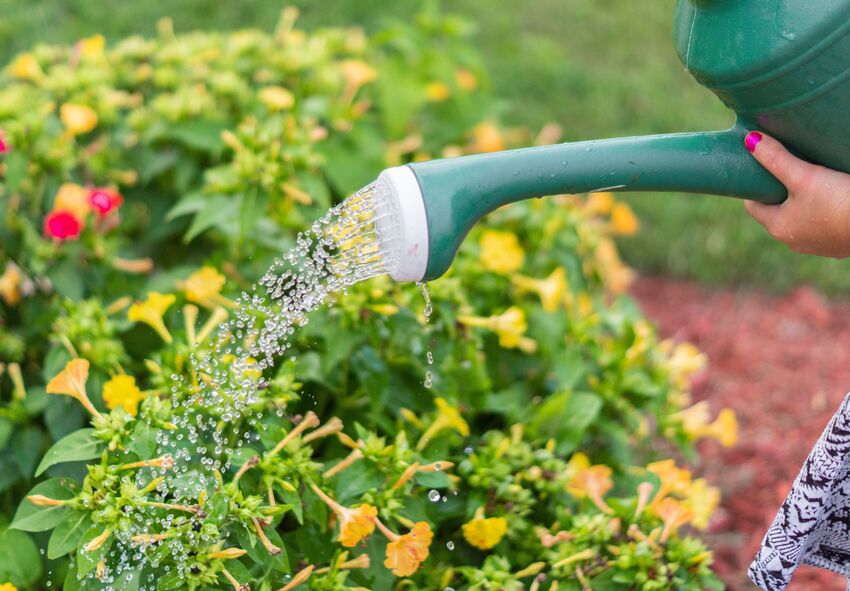
Every plant has unique water requirements depending on its size, location, and stage of growth. Understanding these differences helps prevent both drought stress and excessive watering. Use the following guidelines as a starting point, while adjusting according to rainfall, temperature, and soil type:
- Vegetable Gardens: Most vegetables require consistent moisture for healthy growth and productive harvests. Crops such as tomatoes and cucumbers perform best when the soil remains evenly moist throughout the growing season. Deep watering two or three times per week is usually more beneficial than frequent shallow watering.
- Flower Beds: Established flower beds generally need watering once or twice a week, although annual flowers may require additional moisture during periods of intense heat. Popular flowering plants like petunias and begonias benefit from consistent watering to maintain vibrant blooms and healthy foliage.
- Trees and Shrubs: Mature trees and shrubs benefit from deep, infrequent watering that encourages strong root development. Ornamental plants such as hydrangeas and Japanese maples especially appreciate deep watering during extended dry spells. Newly planted specimens require more regular irrigation until established.
- Container Plants: Containers dry out much faster than garden beds and often require daily watering during hot summer weather. Potted geraniums and lavender are especially susceptible to drying out because their roots have limited access to soil moisture. Large containers retain moisture longer than small pots.
- Raised Garden Beds: Raised beds typically drain more quickly than in-ground gardens. Vegetables like lettuce and peppers may require more frequent watering, especially during hot, sunny weather. Check soil moisture regularly and water whenever the top few inches begin to dry.
- Newly Planted vs Established Plants: Young plants have smaller root systems and require frequent watering until they become established. Newly planted roses and clematis need consistent moisture to develop strong roots, while mature plants usually tolerate short dry periods much better.
Best Summer Garden Watering Methods
Using the right irrigation method can improve water efficiency while keeping plants healthier. Some watering systems deliver moisture directly to the roots, reducing evaporation and conserving water. Choosing the best method depends on your garden size, plant types, and available time.
Soaker Hoses
Soaker hoses slowly release water along their length, allowing moisture to soak directly into the soil. This minimizes evaporation and keeps foliage dry. They work especially well in vegetable gardens, flower borders, and shrub plantings.
Drip Irrigation Systems
Drip irrigation delivers water directly to individual plants through emitters placed near the root zone. This method is one of the most efficient ways to irrigate a summer garden. It reduces water waste while maintaining consistent soil moisture.
Hand Watering
Hand watering allows gardeners to monitor individual plants and provide targeted care where needed. It is particularly useful for containers, hanging baskets, and newly planted specimens. A watering wand with a gentle spray helps avoid disturbing soil around plant roots.
Sprinklers
Sprinklers are useful for watering large lawns and expansive garden areas. However, they may lose water through evaporation and often wet plant foliage. When using sprinklers, water early in the morning for maximum efficiency.
Self-Watering Containers
Self-watering containers include built-in reservoirs that gradually supply moisture to plant roots. They reduce watering frequency and help maintain consistent soil moisture during hot weather. These containers are especially beneficial for patios and balconies.
Deep Watering Techniques
Deep watering encourages roots to grow farther into the soil where moisture remains available longer. Plants with deeper root systems are generally more drought tolerant. Rather than watering lightly every day, provide a thorough soaking less frequently.
How to Water Efficiently During Summer
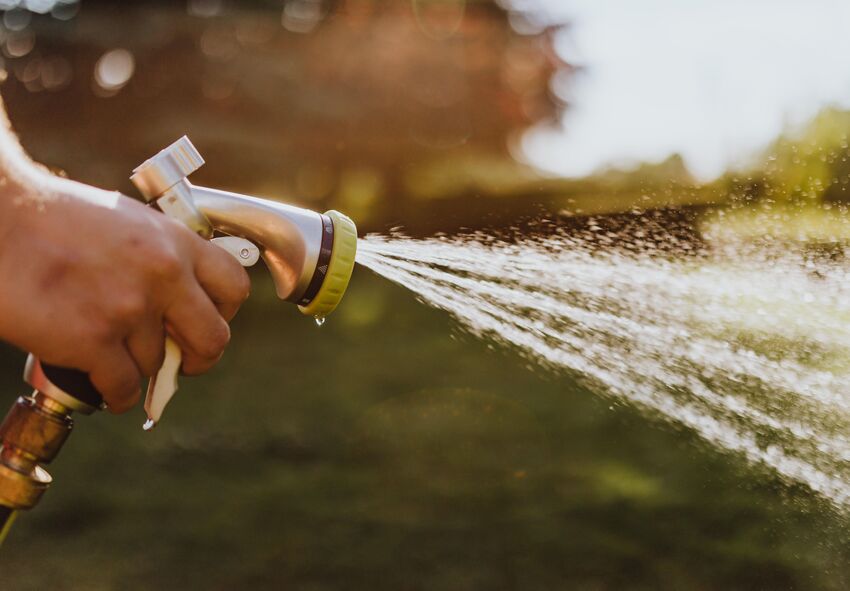
Efficient watering saves time, reduces water bills, and promotes healthier plant growth. Small improvements in watering habits can significantly increase moisture retention. These practices also help gardens remain productive during periods of limited rainfall.
Watering at the Root Zone
Always direct water toward the base of the plant rather than spraying the leaves. Most roots responsible for water absorption are located beneath the soil surface. Keeping foliage dry also reduces the likelihood of fungal diseases.
Checking Soil Moisture Before Watering
Before watering, insert your finger two to three inches into the soil. If the soil still feels moist, watering can often be postponed. This simple habit prevents unnecessary irrigation and protects plants from overwatering.
Watering Slowly for Better Absorption
Applying water slowly gives soil enough time to absorb moisture without excessive runoff. Rapid watering often causes water to flow away before reaching deeper roots. Slow irrigation produces stronger, healthier root systems over time.
Adjusting Watering After Rainfall
Natural rainfall should always be considered before turning on irrigation systems. After a soaking rain, many gardens may not require additional watering for several days. Monitoring weather forecasts and soil conditions helps avoid wasting water unnecessarily.
Water Conservation Tips for Summer Gardens
Conserving water becomes an increasingly important resource for essential summer garden care, especially during hot, dry summers. Fortunately, several simple strategies can reduce water use without sacrificing plant health. These methods benefit both your garden and the environment.
Collecting Rainwater
Rain barrels collect water from rooftops for later use in the garden. This provides a free and environmentally friendly water source during dry periods. Collected rainwater is also naturally free of chlorine and other water treatment chemicals.
Using Smart Irrigation Timers
Automatic irrigation timers allow watering schedules to run consistently without manual effort. Smart controllers can even adjust watering based on rainfall and weather forecasts. This improves efficiency while preventing unnecessary watering.
Grouping Plants by Water Needs
Placing plants with similar moisture requirements together simplifies irrigation and reduces water waste. Drought-tolerant species can be watered less frequently than moisture-loving plants. Hydrozoning is especially useful in larger landscapes.
Installing Water-Efficient Irrigation
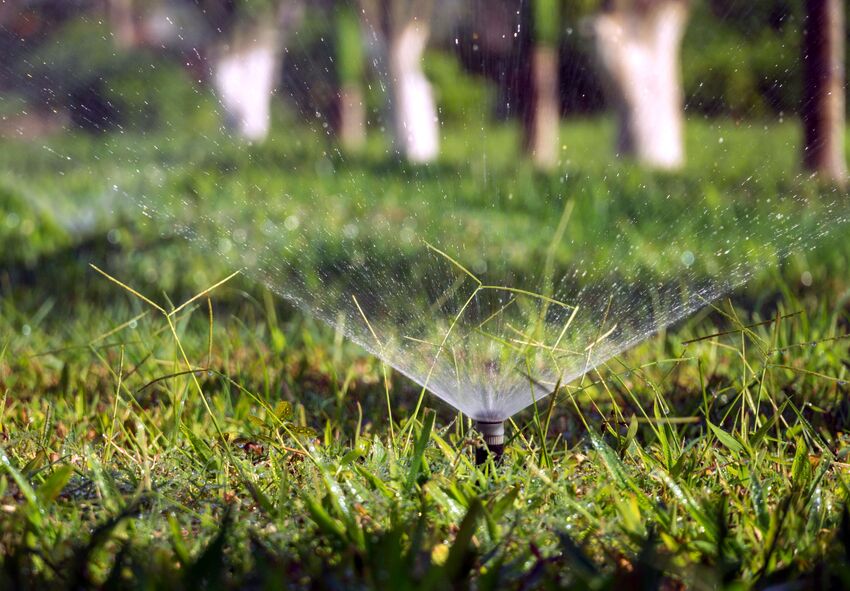
Modern irrigation systems use significantly less water than traditional sprinklers. Drip systems and soaker hoses deliver moisture precisely where it is needed. Upgrading irrigation equipment can reduce overall water consumption while improving plant health.
Choosing Heat-Resistant Plants
Selecting drought-tolerant plants reduces long-term watering requirements. Many Mediterranean herbs, ornamental grasses, succulents, and native plants perform exceptionally well in hot climates. Choosing plants adapted to local conditions creates a more sustainable and resilient garden.
Conclusion
Proper summer garden watering is essential for maintaining healthy plants during periods of high temperatures and limited rainfall. Understanding when to water, how much water different plants require, and which irrigation methods work best helps prevent both drought stress and overwatering.
Deep watering, efficient irrigation systems, regular soil moisture checks, and water conservation practices all contribute to stronger root systems and healthier gardens. By adjusting your watering routine based on weather conditions and plant needs, you can keep flowers, vegetables, shrubs, and trees thriving throughout the summer!
Frequently Asked Questions (FAQs) about Summer Garden Watering
1. How often should I water my garden during summer?
The ideal watering schedule depends on your climate, soil type, and the plants you grow. Most established gardens benefit from deep watering one to three times per week rather than daily light watering. Check soil moisture regularly and adjust your routine during heatwaves or periods of little rainfall to avoid overwatering or drought stress.
2. What is the best time of day to water a summer garden?
Early morning is the best time to water because cooler temperatures reduce evaporation and allow moisture to soak deeply into the soil. Morning watering also gives foliage time to dry before evening, lowering the risk of fungal diseases. Evening watering is acceptable if mornings are not possible, but avoid watering during the hottest part of the day.
3. How can I tell if my plants need more water?
Common signs of underwatering include wilting leaves, dry or cracked soil, curling foliage, and slow growth. Some flowering plants may also drop buds or flowers when stressed. Before watering, check the soil a few inches below the surface, as plants may still have adequate moisture even if the top layer appears dry.
4. Can I order summer flowering bulbs from your online store?
Yes! Our online plant store Dutch-bulbs.com offers a wide selection of heat-tolerant plant bulbs, flowering perennials, shrubs, and seasonal vegetable seeds. Our carefully selected plants are ideal for woodland gardens, containers, borders, and outdoor spaces that need vibrant summer color and texture.
5. What is the most water-efficient way to irrigate a garden?
Drip irrigation and soaker hoses are among the most efficient watering methods because they deliver water directly to the root zone with minimal evaporation. Adding organic mulch, watering deeply, and grouping plants with similar moisture needs further improves water efficiency while supporting healthy root development throughout the summer.
Published: 06.07.2026