



Dahlias are among the most spectacular flowering plants in the garden, admired for their large blooms, rich colors, and long flowering season. Although they are perennial plants, dahlias originate from warmer climates and cannot tolerate freezing temperatures. In regions with cold winters, their tubers must be dug up and stored indoors to survive until the following growing season.
This article is intended for gardeners and allotment owners who grow dahlias and want to preserve their planting material successfully over the winter. Proper storage is essential because the condition of the tubers directly influences plant health, growth, and flowering performance in the next season. By following the correct procedures, gardeners can enjoy healthy plants and abundant blooms year after year. Our gardening blog is a perfect place to find all the information you need!
When and How to Dig Up Dahlia Tubers Correctly
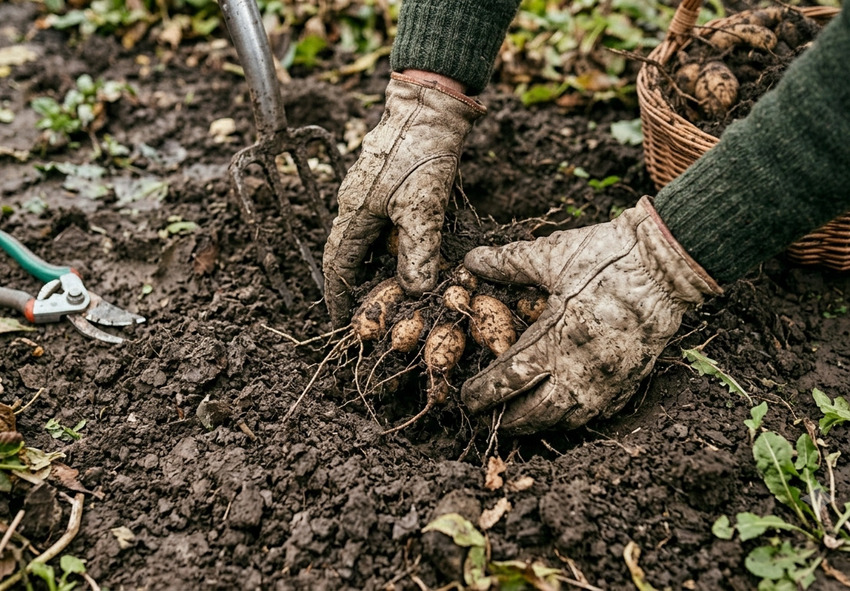
The process of overwintering dahlias begins with digging up the tubers at the right time. Timing is extremely important because removing the tubers too early or too late can affect their ability to survive storage. Understanding the signs that indicate readiness for digging helps ensure the best possible results.
Choosing the Right Time to Dig
The best time to dig up dahlia tubers is after the first light frosts have damaged the foliage. At this stage, the leaves and stems usually turn black or brown, signaling that the plant has entered dormancy. Waiting until this point allows the tubers to mature fully and store the energy needed for winter survival and vigorous spring growth.
Gardeners should avoid digging the plants too early. Premature removal may result in immature tubers that are less capable of withstanding months of storage. Allowing nature to complete the dormancy process improves the chances of successful overwintering.
Proper Digging Technique
Careful digging is essential because dahlia tubers are relatively fragile. Before lifting the plant, the stems should be cut back to a short length above ground. This makes handling easier and reduces the risk of damaging the crown.
A garden fork is often the preferred tool because it loosens the soil without cutting directly into the tubers. The soil should be loosened several inches away from the plant before gently lifting the entire clump. Pulling on the stems should be avoided, as this can separate tubers from the crown and reduce their viability.
Why Patience Matters
Many gardeners are tempted to dig their dahlias as soon as flowering ends. However, waiting for the proper moment is beneficial because the tubers continue to mature even after blooming has stopped. During this period, nutrients move from the foliage into the underground storage organs.
Patience during this stage often results in stronger tubers that store more successfully. Well-matured tubers are generally less susceptible to dehydration and disease during the winter months.
Preparing Tubers for Storage After Digging Up
Proper preparation is one of the most important steps in successful dahlia storage. Even perfectly healthy tubers can deteriorate if they are not cleaned, dried, and inspected correctly before being placed into storage. Follow these steps:
- Cleaning the Tubers: After digging, the tubers are usually covered with soil and garden debris. Excess soil should be removed carefully to allow a thorough inspection of the tuber clump. Some gardeners gently brush off dry soil, while others rinse the tubers with water before drying them completely.
- Drying Before Storage: Freshly dug tubers often contain excess surface moisture that can encourage fungal growth. Allowing them to dry for several days in a cool, well-ventilated area helps eliminate this moisture and reduces the risk of rot.
- Inspecting for Damage and Disease: Before storage, each tuber clump should be examined carefully. Soft spots, cuts, signs of mold, or discoloration may indicate disease or physical damage. Any affected sections should be removed immediately using clean tools.
Inspecting tubers at this stage prevents common dahlia problems from spreading during storage. Healthy planting material is far more likely to remain viable throughout the winter and produce strong plants the following season.
Storage Conditions for Dahlias in Winter
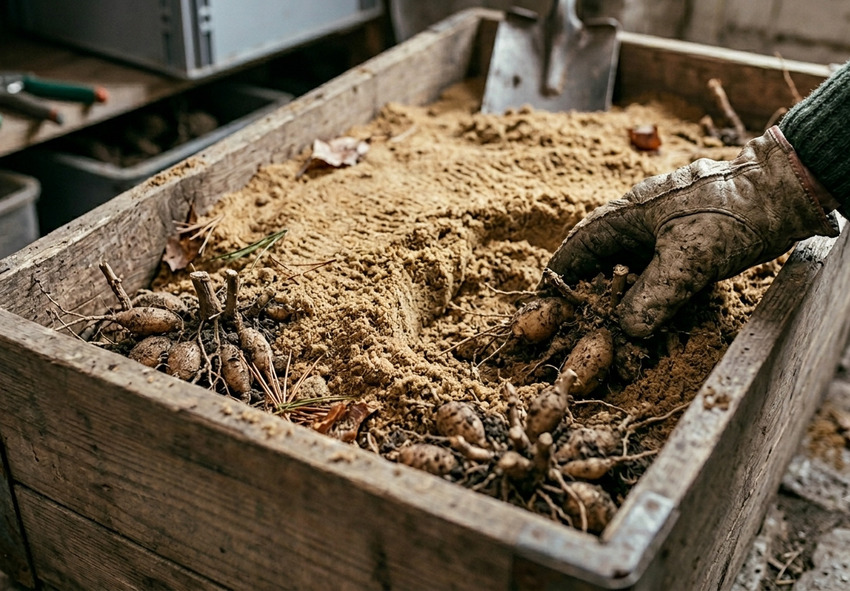
Once the tubers have been prepared, providing the correct storage environment becomes the primary concern. Maintaining stable conditions throughout winter helps preserve the tubers and prevents premature growth or deterioration.
Ideal Temperature and Humidity
Temperature plays a critical role in successful storage. Most dahlia tubers remain in good condition when stored between 4°C and 8°C. Temperatures below freezing can cause severe damage, while warmer conditions may encourage early sprouting.
Humidity levels should also remain balanced. Excessively dry air can cause tubers to shrivel and lose vitality, whereas excessive moisture encourages rot and fungal diseases. A moderately humid environment typically provides the best conditions for long-term storage.
Suitable Storage Locations
Several locations can provide the cool, frost-free environment required by dahlia tubers. Cellars, root cellars, basements, garages, and unheated utility rooms are among the most common choices. The ideal location should maintain relatively stable temperatures throughout the winter.
Good ventilation is also important. Stagnant air can contribute to moisture buildup and increase the risk of disease. Choosing a well-ventilated storage area helps create a healthier environment for the tubers.
Storage Materials and Methods
Various materials can be used to protect tubers during storage. Sand is often chosen because it helps maintain stable moisture levels around the tubers. Peat moss is another popular option due to its insulating properties and ability to retain moderate humidity.
Sawdust is frequently used as well, particularly in larger storage containers. Regardless of the material selected, the objective remains the same: preventing excessive drying while avoiding conditions that promote rot. Regular inspections throughout the winter help ensure that the chosen storage method continues to work effectively.
Common Mistakes in Winter Storage of Dahlias
Even experienced gardeners occasionally encounter problems when storing dahlia tubers. Understanding the most common mistakes can help prevent losses and improve overwintering success.
Excessive Moisture During Storage
One of the leading causes of tuber loss is excessive moisture. Damp storage conditions encourage fungal growth and create an environment where rot can spread rapidly. Once rot develops, it can affect multiple tubers within a storage container.
Preventing this problem requires proper drying before storage and maintaining adequate airflow throughout the winter. Regular inspections can also help identify issues before they become widespread.
Storing Tubers at Incorrect Temperatures
Temperatures that are too low can freeze and destroy dahlia tubers, while temperatures that are too high may trigger premature growth. Early sprouting weakens the tubers because stored energy reserves are consumed long before planting time.
Maintaining a stable temperature within the recommended range greatly improves storage success and helps preserve tuber vitality until spring.
Neglecting Regular Inspections
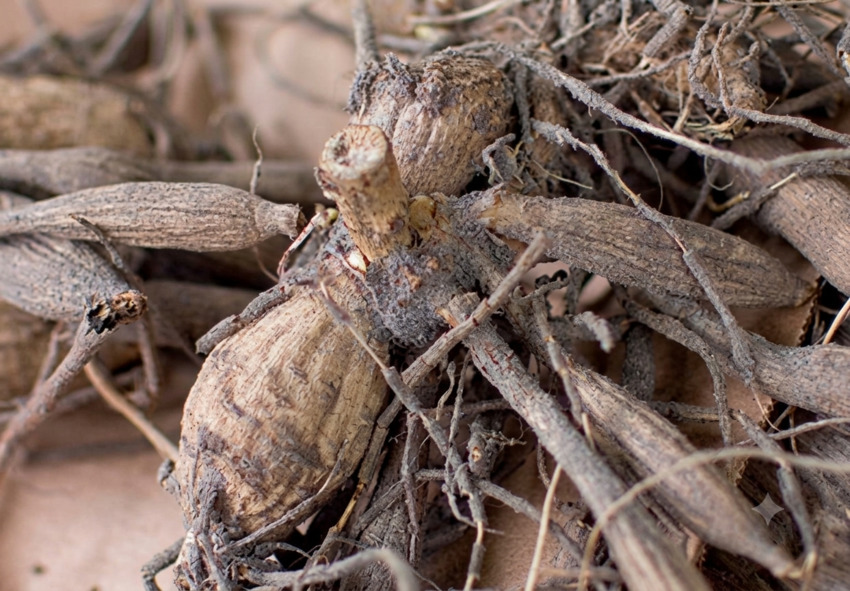
Many gardeners place their tubers into storage and do not check them again until spring. This can allow small problems to become major losses. Rot, mold, and dehydration often begin gradually and may go unnoticed for months.
Inspecting stored tubers every few weeks allows gardeners to identify and remove affected material before damage spreads. Regular monitoring is a simple but highly effective way to improve overwintering results.
Conclusion
Successful dahlia overwintering depends on three essential steps: careful digging, proper preparation, and appropriate storage. Each stage contributes to maintaining healthy tubers that will survive the dormant season and produce vigorous growth in spring.
By waiting for the right time to dig, cleaning and drying the tubers thoroughly, and providing cool, stable storage conditions, gardeners can significantly improve their chances of success. Following these straightforward practices helps preserve valuable planting material and ensures that dahlias continue to provide abundant, colorful blooms in the garden year after year!
Frequently Asked Questions (FAQs) about Dahlia Overwintering
1. When should I dig up dahlia tubers for winter storage?
Dahlia tubers should typically be dug up after the first light frost has blackened the foliage and stems. This indicates that the plants have entered dormancy and that nutrients have moved into the tubers. Waiting for this stage allows the tubers to mature fully before storage. Digging too early can reduce storage success, while waiting too long may expose tubers to damaging freezing temperatures.
2. What is the best temperature for storing dahlia tubers during winter?
The ideal storage temperature for dahlia tubers is generally between 4°C and 8°C (39°F to 46°F). This range keeps the tubers dormant without exposing them to freezing conditions. Temperatures that are too warm may encourage premature sprouting, while temperatures below freezing can permanently damage the planting material. Stable temperatures and moderate humidity are essential for successful long-term storage.
3. How can I tell if stored dahlia tubers are still healthy?
Healthy dahlia tubers should remain firm and free from mold, soft spots, or unpleasant odors throughout the storage period. During winter, it is advisable to inspect them regularly for signs of rot, dehydration, or disease. Slight wrinkling may occur in some cases, but severely shriveled tubers often indicate excessive moisture loss. Removing damaged tubers promptly helps protect the remaining healthy planting material.
4. Can I order dahlia tubers from your online store?
Yes, you can order high-quality dahlia tubers directly from our online store Dutch-bulbs.com. We offer a wide selection of varieties known for strong growth, vibrant colors, and reliable flowering. Our carefully chosen plants are suitable for garden beds, borders, and containers, helping you create beautiful seasonal displays with ease.
5. What are the most common mistakes when overwintering dahlias?
Common mistakes include storing tubers while they are still wet, exposing them to excessive humidity, keeping them in overly warm conditions, and failing to inspect them during winter. Another frequent error is damaging the tubers during digging or preparation. These issues can lead to rot, disease, dehydration, or premature sprouting. Careful preparation and regular monitoring greatly improve the chances of successful overwintering.
Published: 10.06.2026