



Fritillaria imperialis, commonly known as Fritillaria imperial, is one of the most distinctive spring-flowering bulbous plants found in ornamental gardens. Its impressive height, vibrant bell-shaped flowers, and unusual silhouette make it a true focal point wherever it is planted. Unlike many traditional spring bulbs, Fritillaria imperialis has an exotic appearance that immediately attracts attention and adds a dramatic touch to garden compositions.
This article is intended for gardeners and bulb enthusiasts who are looking for unique and eye-catching plants to enrich their outdoor spaces. Whether used as a centerpiece in flowerbeds or combined with other spring-flowering species, Fritillaria imperial offers both ornamental value and horticultural interest.
The popularity of Fritillaria imperialis comes not only from its decorative qualities but also from its recognisable appearance and fascinating growing characteristics. Its combination of elegance, rarity, and impressive spring performance makes it a favorite among gardeners seeking something beyond the ordinary. Our gardening blog is a perfect place to find all the information you need!
The Origin and Unusual Appearance of Fritillaria Imperialis
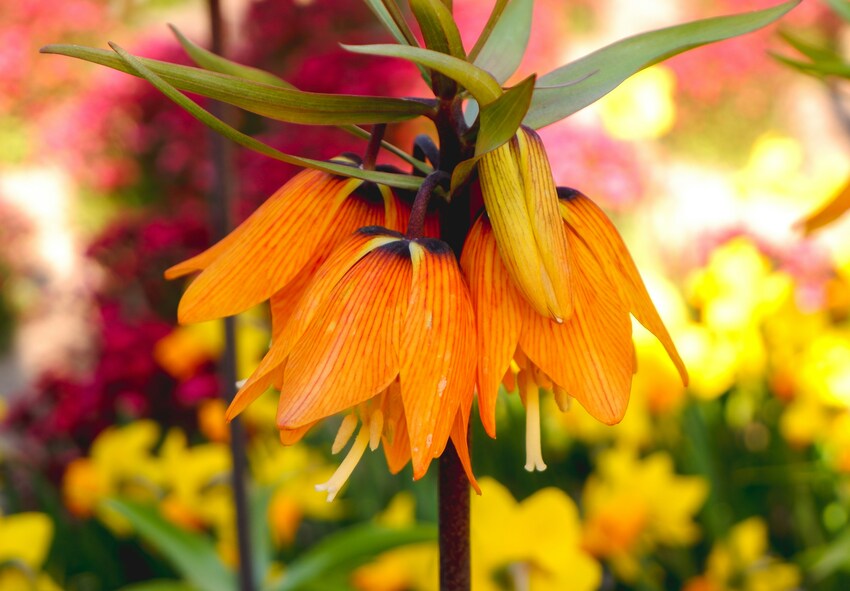
Fritillaria imperialis originates from mountainous regions of Western and Central Asia, where it grows naturally in rocky and well-drained environments. Over time, it became highly valued in European ornamental gardens and remains one of the most recognizable spring bulbs cultivated today.
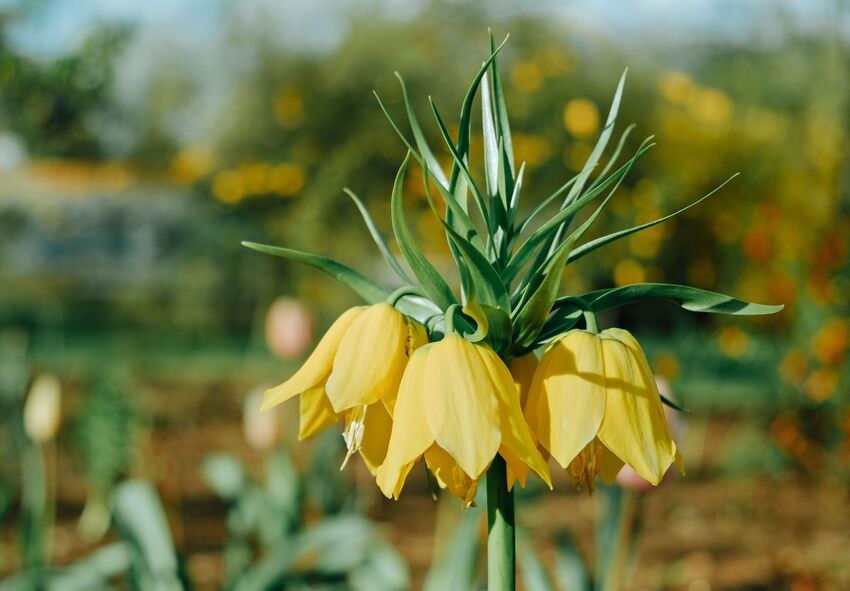
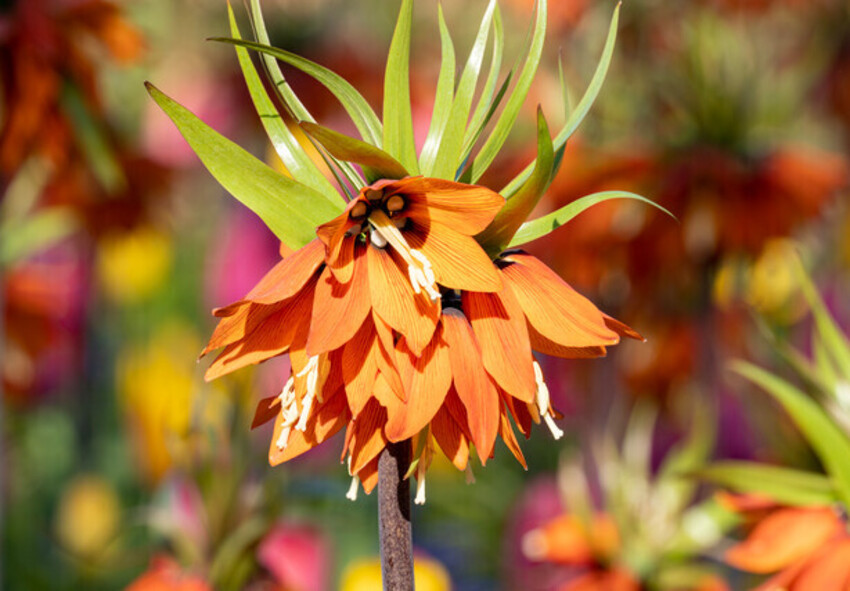
One of the plant’s most striking features is its tall, upright stem, which can reach heights of 80 to 120 centimeters. At the top of the stem hangs a ring of large, nodding flowers that resemble elegant bells. Above these flowers sits a tuft of green leaves, creating the characteristic “crown” that gives the plant its common name.
The flowers are most commonly found in shades of orange, red, and yellow, although different cultivars offer variations in color intensity. Their unusual arrangement creates a dramatic architectural effect that distinguishes Fritillaria imperial from many other spring-flowering plants.
The plant’s unique structure has contributed significantly to its popularity in ornamental gardening. Even when viewed from a distance, its tall stature and Fritillaria-like appearance make it instantly recognizable. Because of this distinctive look, Fritillaria imperialis is often used as a focal point in spring flowerbeds and mixed bulb displays.
Interesting Facts and Recommendations on Growing and Care
Fritillaria imperialis is not only admired for its striking appearance but also for its unique growing characteristics. Understanding its requirements and interesting traits can help gardeners achieve healthier plants and more impressive flowering displays. The following facts highlight some of the most important aspects of growing and caring for Fritillaria imperial in the garden.
Planting Conditions and Site Selection
Choosing the right planting location is one of the most important factors in successfully growing Fritillaria imperialis. The plant performs best when its natural habitat conditions are replicated as closely as possible:
- Fritillaria imperialis grows best in sunny or lightly shaded locations.
- Well-drained soil is essential because the bulbs are highly sensitive to excess moisture.
- Heavy clay soils should be improved before planting to increase drainage.
- The bulbs should be planted deeper than many other spring-flowering bulbs to support their tall stems.
- Sheltered locations help protect the flowering stems from strong winds.
Interesting Characteristics of the Bulbs
Fritillaria imperial bulbs are quite different from those of many other ornamental plants. Their size, structure, and unique properties contribute to the plant’s distinctive growing requirements:
- Fritillaria imperialis produces some of the largest bulbs among commonly grown spring-flowering plants.
- The bulbs have a characteristic central hollow where the previous season’s stem was attached.
- Many gardeners notice a distinctive scent from the bulbs that is unusual among ornamental flowers.
- Because of their structure, the bulbs require careful handling during planting and storage.
- Healthy, mature bulbs generally produce stronger stems and larger flower displays than younger bulbs.
Seasonal Growth and Long-Term Care
Once established, Fritillaria imperial is relatively low-maintenance, but understanding its growth cycle and seasonal care tips for Fritillaria helps ensure reliable flowering year after year:
- The foliage naturally dies back after flowering as nutrients are transferred back into the bulb.
- Waterlogging is one of the most common causes of bulb loss and poor performance.
- In many temperate climates, Fritillaria imperialis can remain outdoors throughout winter without being lifted.
- Applying a balanced fertilizer in early spring can encourage vigorous growth and flowering.
- Established plants can remain in the same location for several years without requiring frequent division or replanting.
These fifteen facts demonstrate why Fritillaria imperialis is considered both a fascinating and rewarding plant for ornamental gardens. With proper planting conditions and basic care, gardeners can enjoy its spectacular flowers and unique architectural form for many seasons.
Why You Should Plant Fritillaria Imperialis in Your Garden
Fritillaria imperialis offers numerous advantages that make it a valuable addition to ornamental landscapes. Its unique appearance and impressive size allow it to perform roles that many other spring bulbs cannot easily fulfill.
Reasons to Include Fritillaria Imperial in Garden Designs
Fritillaria imperialis is widely valued in ornamental gardening because it brings structure, color, and originality to spring compositions. Its tall stems and distinctive Fritillaria-like flowers make it a natural focal point in many garden designs. Beyond its striking appearance, it also offers versatility in how it can be combined with other plants and integrated into different landscape styles.
Structural and Visual Impact in the Garden
One of the main reasons gardeners choose Fritillaria imperial is its strong architectural presence. Thanks to its height and unique flower structure, it naturally draws attention and becomes a focal point in flowerbeds. It introduces vertical emphasis into spring plantings, helping to balance lower-growing flowers and ground covers. This contrast enhances the overall composition and creates more dynamic and visually interesting garden designs.
Creative Plant Combinations and Design Versatility
Fritillaria imperialis works exceptionally well when combined with other spring-flowering bulbs such as tulips, daffodils, and hyacinths. Its exotic appearance introduces an unusual and eye-catching element that immediately stands out in mixed plantings. It can be used in both formal and informal garden styles, where it adds dramatic accents and helps diversify traditional spring planting schemes with its unique form and coloration.
Seasonal Value and Garden Character
Beyond its visual appeal, Fritillaria imperial also contributes to the seasonal rhythm of the garden. Its early blooming period supports a continuous sequence of flowering throughout spring, extending the decorative interest of bulb plantings. The plant is also highly recognizable and memorable, making it a distinctive feature in any landscape. Additionally, it carries a sense of historical and ornamental value, which further enhances its role in garden design.
Conclusion
Fritillaria imperialis combines a remarkable appearance, outstanding ornamental value, and fascinating growing characteristics. Its towering stems, vibrant hanging flowers, and distinctive Fritillaria of foliage make it one of the most recognizable spring-flowering bulbs available to gardeners.
Although it requires well-drained soil and thoughtful placement, the rewards are considerable. Fritillaria imperial adds structure, color, and a touch of exotic beauty to spring flowerbeds while complementing a wide range of companion plants.
Gardeners who are willing to experiment with unusual bulbous plants will find Fritillaria imperialis a rewarding choice. Its unique character and dramatic presence can transform ordinary spring plantings into memorable garden displays that capture attention year after year!
Frequently Asked Questions (FAQs) about Fritillaria imperialis
1. Why is Fritillaria imperialis considered a unique garden plant?
Fritillaria imperialis is considered unique due to its tall structure, large nodding bell-shaped flowers, and distinctive Fritillaria of foliage at the top. Its exotic appearance makes it stand out among common spring bulbs. The plant combines ornamental value with unusual growth habits, creating a strong focal point in garden designs. Because of this, it is often chosen by gardeners looking for striking and uncommon ornamental plants.
2. What conditions are best for growing Fritillaria imperial?
Fritillaria imperial grows best in sunny or lightly shaded locations with well-drained soil. It is particularly sensitive to excess moisture, so good drainage is essential. Heavy soils should be improved with organic matter or grit. The bulbs should be planted deeply and in sheltered spots to protect tall stems from wind damage. Proper site selection significantly improves flowering quality and plant longevity.
3. Can I order Fritillaria imperialis bulbs from your online store?
Yes, you can order Fritillaria imperialis bulbs from our online store Dutch-bulbs.com, depending on seasonal availability. We offer carefully selected bulbs suitable for garden planting, allowing you to grow this striking ornamental plant in your own landscape. Availability may vary throughout the year, so checking regularly ensures you can choose the best quality planting material for your spring garden designs.
4. Why does Fritillaria imperialis have a strong smell?
The bulbs of Fritillaria imperialis are known for their distinctive odor, which many gardeners notice during planting. This scent is believed to serve as a natural protective mechanism that may help deter certain pests, such as rodents. Although the smell can be quite strong initially, it is not harmful and usually fades over time once the bulbs are planted in the soil.
5. How often should Fritillaria imperial be replanted or divided?
Fritillaria imperialis does not require frequent replanting or division. In suitable growing conditions, it can remain in the same location for several years without losing vigor. However, if flowering begins to decline or the planting becomes overcrowded, bulbs can be lifted and separated during dormancy. This helps refresh the planting and maintain healthy growth and consistent blooming performance.
Published: 17.06.2026