



An empty planting area or freshly dug beds can come as an unpleasant surprise to many gardeners. In autumn in particular, mice, voles and squirrels actively seek out food and supplies for the cold season. Tulips and crocuses are a favourite treat for some rodents. If you want to protect your flower bulbs from mice, you should therefore take preventative measures right from the planting stage. Mechanical barriers, suitable companion plants and additional deterrents can significantly reduce damage in the garden. Our gardening blog is a perfect place to find all the information you need!
Who’s the enemy? Identifying damage correctly
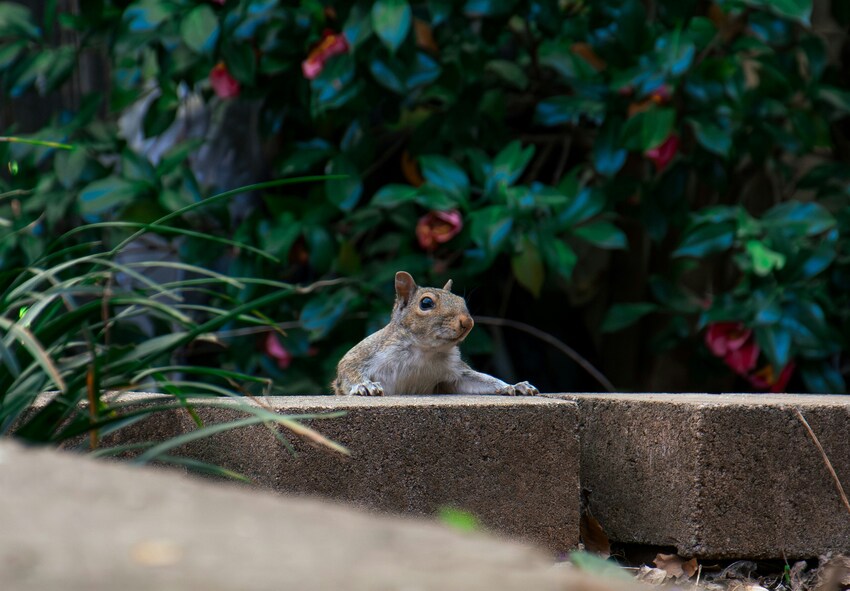
Not all damage to flower bulbs has the same cause. However, the signs left in the bed often reveal which animals are responsible for missing or damaged bulbs:
- Voles: These rodents usually attack flower bulbs from below. They move through underground tunnel systems and can eat the bulbs entirely, meaning no plants will emerge in spring. Typical signs include damaged roots, bare patches in the bed and tunnels in the soil, whilst the soil surface often remains largely undisturbed.
- Squirrels: Squirrels dig up the soil from above. They may remove newly planted bulbs, carry them off to other places, or use the planting holes to hide nuts and other stores. Open holes, scattered soil and discarded flower bulbs are typical signs of their activity.
- Mice and rats: Field mice and other rodents can gnaw on flower bulbs and leave clear signs of damage. At the same time, they create underground tunnels that can damage roots and young plants. If bulbs are partially gnawed and there are small tunnels nearby, mice or other small rodents are often to blame.
Mechanical protection: The most reliable solution
Mechanical barriers are among the most reliable ways to protect flower bulbs from pests. Unlike repellents or scents, they form a direct physical barrier between the bulbs and the rodents.
Using planting baskets correctly
Plastic planting baskets are particularly well suited to tulips, crocuses and other flower bulbs. The bulbs are placed inside the basket and then set into the prepared planting hole together. This makes it much more difficult for voles to reach the bulbs.
Another advantage is that the bulbs are easier to dig up later. A planting basket can simplify the care and sorting of bulbs, particularly when dealing with larger groups of tulips.
Using wire mesh and vole netting
For beds that are particularly at risk, a vole barrier or close-meshed wire mesh is a robust solution. This can be used to create a sort of underground protective basket that shields the bulbs from below and at the sides.
To do this, first prepare the planting hole. Then place a suitable wire mesh on the bottom and form side walls if necessary. Place the bulbs inside and then cover them with soil. To deter squirrels, you can also lay a flat wire mesh over the newly planted area and cover it lightly with soil or mulch.
This method protects flower bulbs from mice without the need for regular use of repellents. Sturdy mechanical protection is often the safest method, particularly in the event of a severe vole infestation.
Plants that are less attractive to rodents
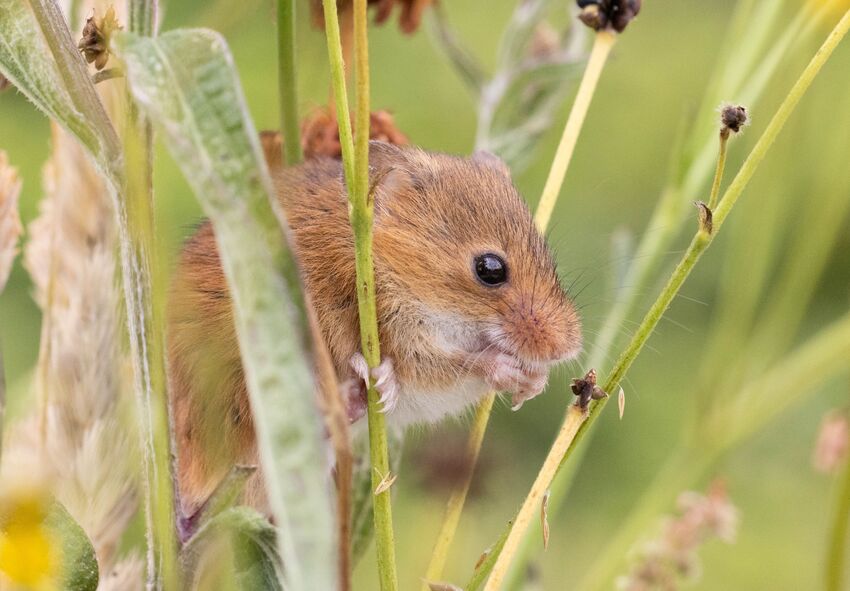
Not all bulbous flowers are among the preferred food sources of mice, voles and other rodents. Some plants are eaten much less frequently due to their chemical composition or characteristic odour and can be a useful addition to mixed plantings.
Daffodils as natural companion plants
Daffodils contain, amongst other things, lycorine, a toxic alkaloid, which is why they are avoided by many animals. They are therefore well suited as companion plants amongst tulips or other flower bulbs that may be particularly attractive to rodents.
Imperial crowns against voles
If voles are eating flower bulbs, imperial crowns – botanically known as Fritillaria imperialis – can be a useful addition to mixed plantings. Their intense and distinctive scent is often used as a natural deterrent against voles, although complete protection cannot be guaranteed by these plants alone.
Allium and snowdrops in mixed plantings
Alliums (or ornamental garlic) and snowdrops are also bulbous plants that many rodents find less appealing than tulips or crocuses. A mixed planting can therefore be effective; for example, by planting tulips amongst daffodils or combining crocuses with other species that are less at risk.
Using natural remedies and repellents correctly
Natural scents and specialised repellents can provide additional protection for flower bulbs. However, their effectiveness depends on the species of animal and weather conditions, which is why they are best used as a supplement to mechanical protective measures.
Using scents as a deterrent
Coffee grounds, garlic or essential oils with a peppermint scent are often used to scare away or deter mice and other rodents. Such natural remedies can be helpful in the short term, but often need to be reapplied after heavy rain or over a longer period.
Use bone meal with caution
Bone meal should also be used with care, as its smell can attract some animals. If you wish to use it as a fertiliser, you should work it thoroughly into the soil and not leave any residue on the soil surface.
Apply mulch at the right time
Immediately after planting, a bed should not be covered straight away with a thick layer of mulch. A warm and sheltered layer of mulch can provide an attractive shelter for small rodents, which is why it is better to apply a thicker layer of mulch only once the soil has cooled down significantly or is already frozen.
What to do if squirrels dig up flower bulbs?
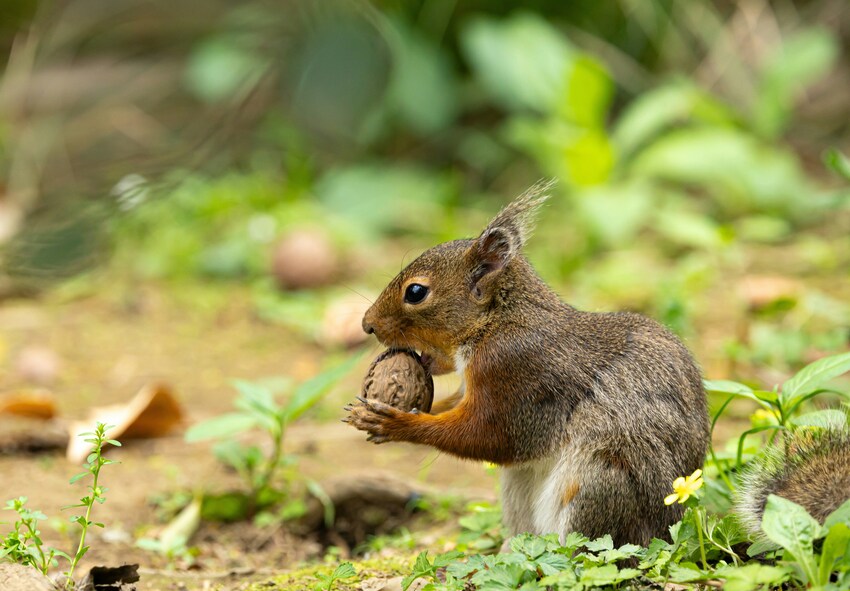
If squirrels dig up flower bulbs, repellents alone are often not enough. It is far more reliable to additionally protect freshly planted areas with a fine-mesh wire mesh or another mechanical cover until the soil has firmed up again and the animals find it harder to spot the planting sites.
Protect your flower bulbs in good time and enjoy them in spring
The best protection begins as early as autumn, before mice, voles or squirrels discover the freshly planted bulbs. Planting baskets and vole netting provide a reliable foundation, whilst mixed plantings and repellents can offer additional support. With the right protection against rodents in the garden, your flower bulbs will be better protected and can develop undisturbed. Discover practical planting baskets and a selection of flower bulbs in the Dutch-bulbs.com catalogue and prepare your garden for a spring season full of blooms.
Frequently Asked Questions (FAQs) about Protecting Garden from Rodents
1. Which flower bulbs are most likely to be eaten by mice and squirrels?
Mice, squirrels, and other rodents may dig up or eat several types of flower bulbs, especially freshly planted ones. Tulips and crocuses are often attractive to wildlife, although preferences vary. Damage also depends on local food availability, the season, and the animal species living in your garden.
2. How can I protect flower bulbs from mice and squirrels?
Physical barriers are among the most reliable ways to protect flower bulbs. Use bulb baskets, wire mesh, or suitable cages to make digging and feeding more difficult. Planting bulbs at the recommended depth and covering disturbed soil carefully can also help reduce attention from rodents and squirrels.
3. Do rodents eat flower bulbs during winter?
Yes, rodents may eat or damage flower bulbs during autumn and winter when other food sources become less available. Freshly planted bulbs can be especially vulnerable. Regularly inspect planting areas and use protective barriers where necessary, particularly if mice, squirrels, or other rodents are already active in your garden.
4. Can I use natural methods to keep squirrels away from bulbs?
Gardeners sometimes use natural deterrents and strongly scented materials, but their effectiveness can vary depending on local conditions and animal behavior. Physical protection is generally more reliable. Keeping the garden tidy and avoiding easily accessible food sources may also reduce rodent activity around newly planted bulb beds.
5. Should I use wire mesh to protect newly planted flower bulbs?
Yes, wire mesh can provide useful protection when installed correctly over or around newly planted bulbs. Choose a mesh with openings small enough to discourage digging while still allowing shoots to grow through. Secure the mesh firmly and remove or adjust it when necessary as plants develop and emerge.
Published: 07.09.2026