



November is already well underway, or perhaps December has even begun, and your flower bulbs are still sitting in their box? No need to panic. If you’re able to plant flower bulbs in November – or even later in the year – you should make the most of the opportunity whilst the ground isn’t completely frozen yet. For many bulbs, it’s better to be planted late than to lie indoors all winter and slowly dry out.
The most important requirement for successful late planting is soil that isn’t completely frozen. As long as the soil can still be worked, the bulbs can form roots and prepare for winter. Our gardening blog is the perfect place to find all the information you need!
The quality check: Are the bulbs still in good condition?
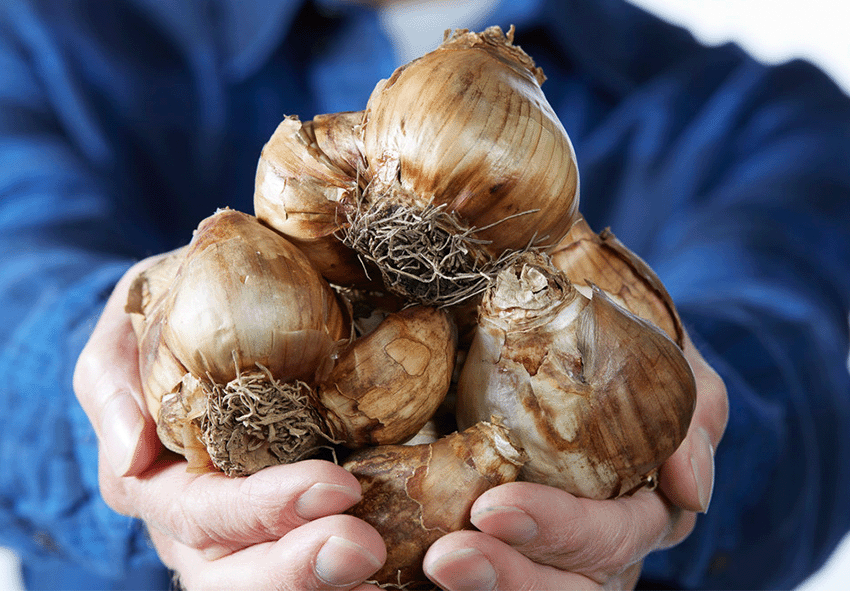
Before you start late planting, you should check each bulb carefully. Firm, compact bulbs without any mould or rot are particularly suitable for emergency planting. The outer skin may be dry and papery, but the bulb itself should not feel hollow or severely shrivelled.
Soft bulbs with rotten patches should be sorted out. Even completely dried-out bulbs, which look like light, hollow mummies, usually have little chance of developing successfully. Mouldy bulbs should also not be planted, as diseases can spread in the soil.
On the other hand, bulbs that have already sprouted do not need to be discarded. If a green shoot is visible, you should still plant the bulb. Sprouting is a sign that the bulb is still alive and wants to continue growing. It is particularly important, especially when planting flower bulbs late, not to leave living bulbs lying around for longer than necessary.
Method 1: Planting in the garden when the soil is frost-free
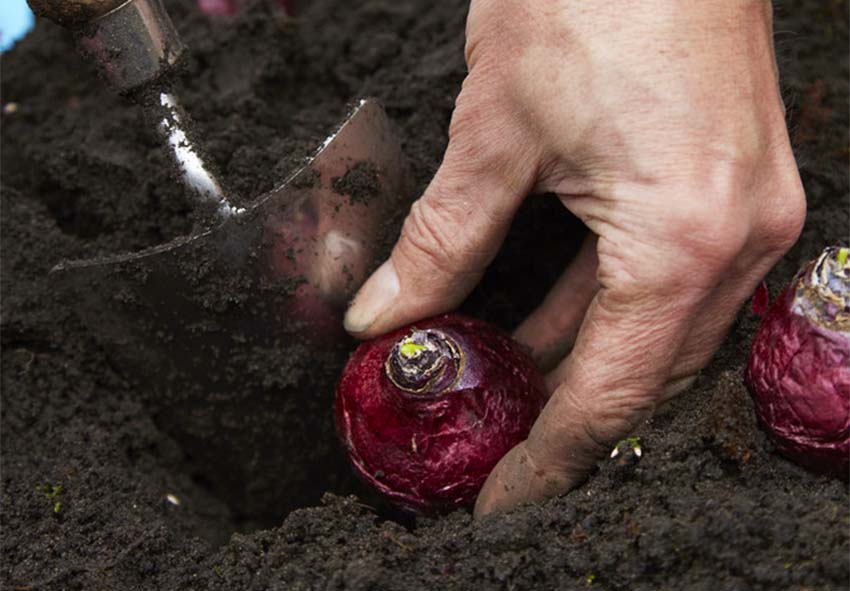
If you wish to plant flower bulbs in December, first check the condition of the soil carefully. As long as the top layer is not completely frozen solid and can still be worked with a spade or planting tool, the bulbs can be planted directly into the bed.
When planting late, proceed step by step:
- Choose a frost-free day: A frost-free day is ideal if you want to plant flower bulbs late in the year. The soil should be neither completely frozen nor permanently covered in snow, and should still be easy enough to work.
- Prepare the soil: Loosen the soil at the intended planting site and remove any frozen crusts if necessary. As long as the soil beneath the surface is still workable, the bulbs can be planted.
- Plant the bulbs slightly deeper: When planting late, it can be a good idea to plant the bulbs slightly deeper than usual. The extra layer of soil provides better protection against extreme temperature fluctuations and ground frost. However, you should still adhere to the recommended planting depth for the specific plant species.
- Apply a layer of mulch after planting: Cover the planting site with a layer of mulch approximately 5 to 10 cm thick. Dry leaves, straw, bark or fir branches are suitable as additional winter protection and can give the bulbs more time to establish roots.
- Avoid waterlogging: The mulch must not form a permanently wet layer. Excess moisture can encourage rot, so water must be able to drain away properly. The bulbs should be protected from frost without water collecting around them permanently.
Even with late planting, the following applies: the sooner the bulbs are planted after purchase, the better their chances of starting to take root before the onset of severe frosts.
Method 2: Pots and emergency balcony planting
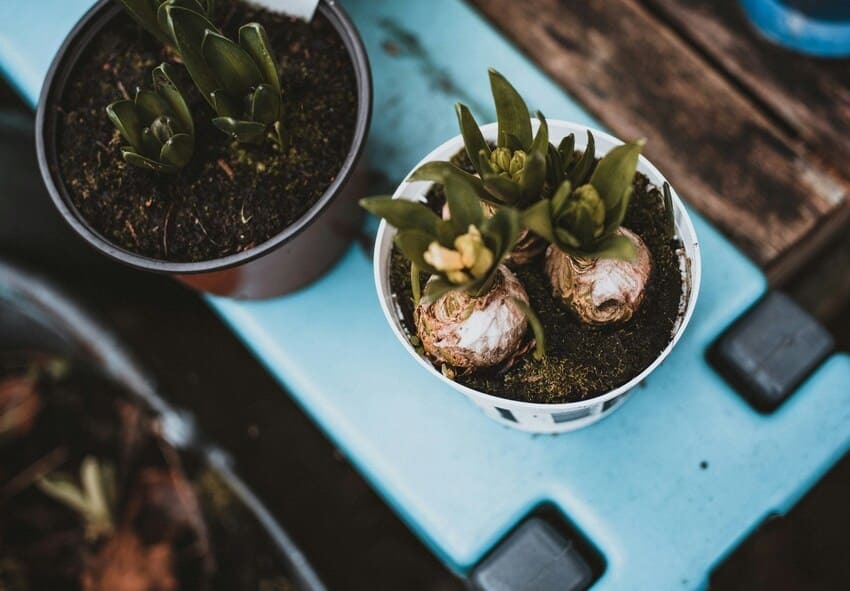
If the garden soil is already completely frozen, you can still save the bulbs. Use a sufficiently deep planting pot or tub with drainage holes and fill it with fresh, loose potting compost. This allows you to carry out an emergency planting even when planting directly in the garden bed is no longer possible.
Plant the bulbs at the recommended depth and then water the compost lightly. The pot should remain cool throughout the winter, but should not, if possible, freeze completely.
Suitable locations include, for example, an unheated garage, a cool cellar or a sheltered, unheated area with temperatures of around +2 to +7 °C. A sheltered, glazed balcony may also be suitable, provided there are no periods of severe frost.
During the winter, the bulbs require very little water. The compost should remain slightly moist, but never wet. Too much water can lead to rot, particularly at low temperatures. As soon as active growth begins in spring, the amount of water can be gradually increased.
This method is particularly useful if you want to plant bulbs late in the season and the frozen ground prevents normal planting in the garden.
Which varieties tolerate late planting?
Not all bulbous flowers are equally sensitive to late planting. Some varieties can still produce good results even when planted late, whilst others should be planted as early as possible in autumn.
Tulips are particularly tolerant
Tulips are among the most reliable choices for late planting. Many gardeners like to plant tulips in December if they haven’t got round to it in time during the autumn. As long as the soil is still workable, tulip bulbs can be planted even at a late stage.
The low temperatures also provide tulips with the necessary cold period, which is important for their further development. Although flowering may begin a little later or be less vigorous if planted very late, there is often still a good chance of successful spring flowering.
Allium and crocuses
Alliums and crocuses can also tolerate later planting relatively well. Crocuses are hardy early-flowering plants, whilst allium also has good reserves thanks to its robust bulbs. However, the sooner the bulbs are planted after purchase, the better they can establish roots before winter.
Daffodils and hyacinths
Daffodils and hyacinths generally need a little more time to establish good roots. That is why planting in November is preferable to very late planting in December. However, if the bulbs are still healthy and the ground is not frozen, planting them is usually the better option than storing them further, as the daffodil bulbs may dry out during storage.
Plant now rather than lose the bulbs
Even if the ideal planting time seems to have passed, it is not yet too late for many flower bulbs. Make the most of every frost-free day whilst the soil is workable, or save the bulbs by planting them in pots. This way, you can encourage rooting despite late planting and increase the chances of flowers in spring. Discover the last batches of high-quality Dutch flower bulbs in the Dutch-bulbs.com catalogue and take the opportunity to get your garden or balcony ready for the coming spring!
Frequently Asked Questions (FAQs) about Planting Flower Bulbs in November
1. Is it too late to plant flower bulbs in November or December?
Not necessarily. You can often plant spring-flowering bulbs in November or December if the soil is still workable and not frozen solid. Planting later than usual may shorten the time available for root development, but many hardy bulbs can still establish themselves and produce flowers in spring.
2. Which flower bulbs can still be planted late in the year?
Hardy spring-flowering bulbs such as tulips, daffodils, crocuses, hyacinths, and alliums may still be planted late in autumn or early winter, depending on local conditions. Check each variety’s requirements and plant as soon as possible. Healthy bulbs and well-drained soil are especially important when planting late.
3. What should I do if the ground is frozen?
If the ground is frozen solid, avoid forcing bulbs into frozen soil. Instead, store healthy bulbs temporarily in a cool, dry, well-ventilated location and plant them when the soil becomes workable. If suitable, deep containers with drainage holes may provide another option for planting bulbs during cold weather.
4. Should I change the planting depth when planting bulbs late?
No, flower bulbs should generally be planted at their recommended depth even when planting late. Planting too shallowly to save time may expose bulbs to temperature changes and wildlife damage. Focus instead on choosing well-drained soil and planting promptly while conditions remain suitable for root development.
5. Will late-planted bulbs bloom later in spring?
Late planting can sometimes affect flowering time, particularly if bulbs have less time to establish roots before winter. However, the result depends on the bulb variety, local temperatures, and planting conditions. Some bulbs may still bloom normally, while others may flower later or produce a smaller display during the first season.
Published: 08.09.2026