



Anyone wishing to prepare a bulb garden for winter should take the plants’ different needs into account. Hardy spring-flowering plants such as tulips and daffodils can usually withstand frost in the ground quite well. More delicate plants such as dahlias, gladioli and begonias, on the other hand, require different protection or need to be dug up before winter.
It is not just low temperatures that are particularly dangerous. Ground frost, black frost, sharp temperature fluctuations and waterlogging can also damage bulbs and roots. Properly planned frost protection for flower bulbs helps to get the plants safely through the winter and encourages vigorous flowering in spring. Our gardening blog is the perfect place to find all the information you need!
When should winter protection begin?
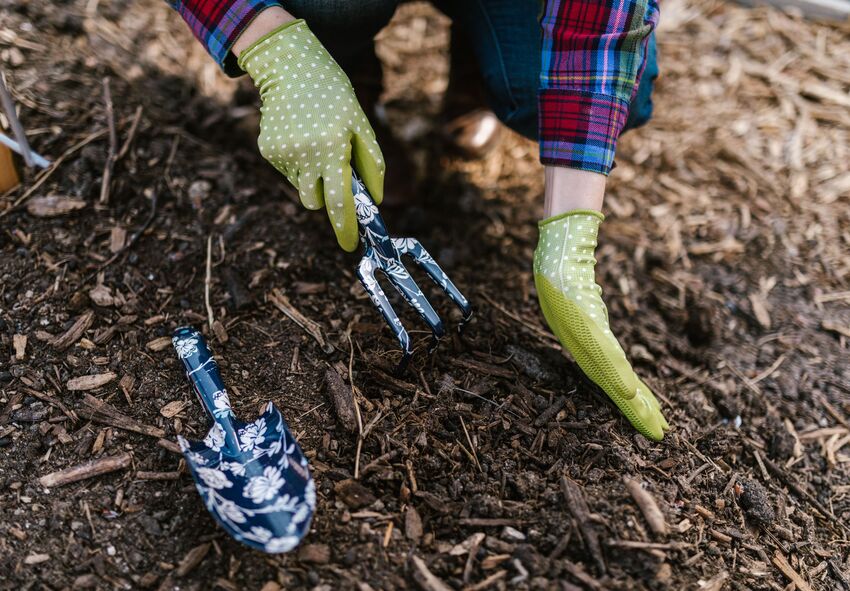
One of the most common mistakes when it comes to winter protection is covering the beds too early. In September or October, the soil is usually still relatively warm. A thick layer of mulch can then trap heat and moisture, causing bulbs to sprout prematurely or rot. Furthermore, dense foliage provides a sheltered hideaway for rodents.
You should therefore wait to apply the final layer of winter protection to your bulb flowers until temperatures have dropped consistently and the first light frosts have set in. The ideal time is after the first sustained ground frosts, when the top layer of soil is already slightly frozen. The bulbs will then be in their winter dormancy, whilst a layer of mulch protects them from more severe frosts.
In milder regions, this may be later than in areas with early frosts. It is not just the calendar that matters, but the actual weather conditions and how the soil is developing.
The right materials for mulching
A suitable layer of mulch protects the soil from extreme temperature fluctuations and reduces the risk of sensitive roots freezing during ground frost. Various natural materials are available for the garden.
Which materials are suitable?
To mulch flower bulbs in winter, you can use the following materials, amongst others:
- Bark mulch: A loose layer of bark mulch insulates the soil and protects against extreme temperature fluctuations. It is particularly important not to pile the material too thickly.
- Autumn leaves: Dry autumn leaves are ideal as natural winter protection. It should be spread as loosely as possible to allow air to reach the soil.
- Fir branches: Fir branches provide additional protection against cold winds and prevent dry leaves from being blown away by autumn storms.
- Compost: Mature compost can provide light insulation for the soil whilst also supplying organic matter. Fresh compost, on the other hand, should not be applied directly to sensitive bulbs.
- Peat: Peat can retain moisture and be used as a mulch, but for environmental reasons it should be replaced with sustainable alternatives wherever possible.
How thick should the mulch layer be?
In an open bed, a mulch layer of around 5 to 8 cm is usually sufficient. In areas particularly prone to frost, a slightly thicker layer may be advisable. However, it is important not to wrap the plants up airtight.
In spring, the winter protection should be removed in good time or carefully loosened. As soon as the first shoots appear, they must be able to grow through the covering without any problems. It is therefore advisable to reduce the layer in spring, particularly in the case of bark mulch and dense leaves.
Protection for planters and pots on the balcony
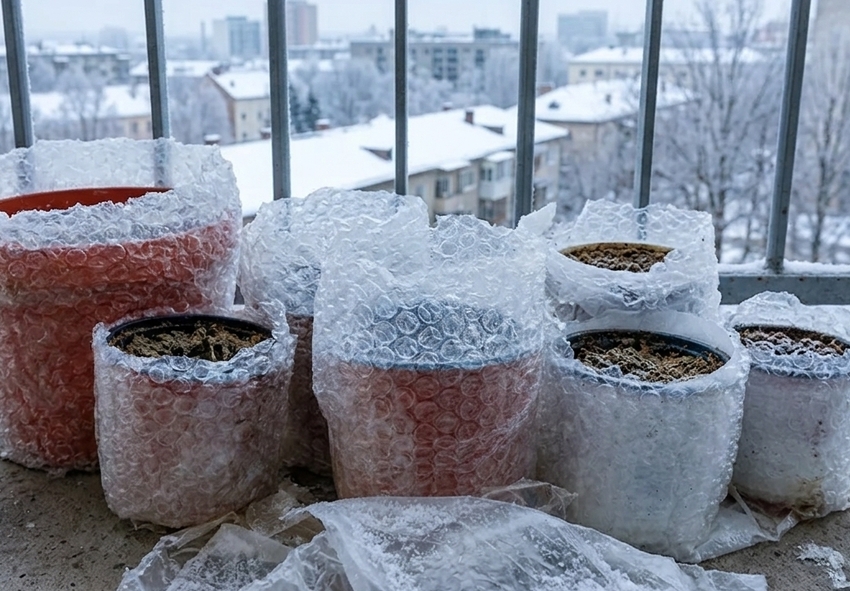
Bulbs in pots are more at risk in winter than plants in garden beds. Whilst the soil in a bed is protected on all sides by the surrounding earth, the entire root ball of a planter can freeze through. This is why overwintering flower bulbs in pots also requires special attention.
Wrapping pots correctly
To protect the roots from severe frosts, you can insulate the planters with various materials:
- Jute fabric protects the pot from wind and extreme temperature fluctuations.
- Bubble wrap can be placed around the pot as additional insulation, but should not seal the soil or the plant airtight.
- Coconut mats are a suitable natural alternative and can be reused several times.
Also, do not place the pots directly on cold concrete or stone. Wooden slats, feet or an insulating base create a gap between the pot and the cold surface. A sheltered spot right up against the house wall further reduces exposure to cold winds.
Preventing waterlogging in winter
Alongside frost, waterlogging is one of the biggest problems for container plants. You should therefore check that the drainage holes are clear and that excess water can drain away. Soil that is too wet, combined with low temperatures, increases the risk of rot and can prevent the bulbs from surviving the winter.
Overwintering delicate and heat-loving varieties correctly
Not all plants that grow in the garden in summer from bulbs or tubers are frost-hardy. Frost-hardy flower bulbs, such as many tulips, daffodils and crocuses, can normally remain in the ground. Frost-sensitive tubers, on the other hand, must be protected from severe frosts.
Digging up dahlias, gladioli and begonias
Dahlias, gladioli and begonias should be dug up well in advance of severe frosts. After digging them up, allow the tubers or bulbs to dry out thoroughly first and carefully remove any clinging soil.
They should then be stored in a cool, dry and, if possible, dark room. A cellar, garage or other unheated room with a temperature of around +5 to +10 °C may be suitable for this.
Storage conditions should be checked regularly, as too much moisture encourages rot, whilst very dry air can cause the tubers to dry out. When storing them, damaged or rotting parts of the plants should be removed regularly to prevent problems spreading to healthy material.
Well protected through to spring

If you want to prepare your bulb garden for winter, you should plan winter protection not according to a fixed calendar, but based on the weather and plant species. A loose layer of mulch made from suitable materials protects hardy bulb flowers from ground frost, whilst pots require additional insulation. Delicate bulbs, on the other hand, should be moved to a frost-free winter storage area in good time.
Ensure good frost protection for your flower bulbs now and discover high-quality planting and gardening supplies in the Dutch-bulbs.com catalogue. With the right protection, your bulb flowers can safely survive the cold season and sprout vigorously again in spring!
Frequently Asked Questions (FAQs) on Mulching and Frost Protection
1. When should I prepare my flower garden for winter?
Begin preparing your flower garden after the growing season slows and before the ground freezes. The exact timing depends on your climate and the plants you grow. Remove diseased material, clear weeds, protect tender plants, and apply mulch once the soil has cooled but before severe winter weather arrives.
2. How thick should mulch be for winter protection?
A layer of about 2–4 inches of organic mulch is generally suitable for protecting many garden plants from winter temperature fluctuations. Materials such as shredded leaves, straw, or bark can provide insulation while helping retain soil moisture. Avoid piling mulch directly against plant crowns or stems, as excessive moisture can encourage rot.
3. Which flowers need frost protection in winter?
Tender perennials, newly planted plants, and flowers that are not fully hardy in your climate may need additional frost protection. Roses, dahlias, begonias, and some young shrubs can benefit from extra insulation. Hardy perennials usually need less protection, although a layer of mulch can help protect their roots from temperature fluctuations.
4. Can I use leaves as mulch to protect flowers from frost?
Yes, fallen leaves can make excellent winter mulch when prepared properly. Shredded leaves are preferable because they allow better air circulation and are less likely to form a dense, wet layer. Apply them around plants rather than directly over crowns. Avoid using diseased leaves, which can carry pathogens into the garden.
5. Should I remove mulch in spring?
Yes, gradually remove or thin winter mulch when temperatures become consistently milder and plants begin showing new growth. Leaving a thick layer in place too long can keep soil excessively cool or moist. Move mulch away from emerging shoots and crowns while leaving a thinner layer to conserve moisture and suppress weeds.
Published: 10.09.2026