



Daffodils are one of the most beautiful and reliable spring flowers, known for their bright yellow blooms and low-maintenance nature. Learning daffodil propagation allows gardeners to multiply their plants naturally and enjoy even more vibrant flowers each year. Whether you’re a beginner or an experienced gardener, propagating daffodils is simple, cost-effective, and highly rewarding.
In this guide, you’ll learn exactly how to propagate daffodils, the best time to do it, and how to care for your bulbs to ensure long-term success. Our gardening blog is a perfect place to find all the information about daffodils and other plants you need!
What is Daffodil Propagation?
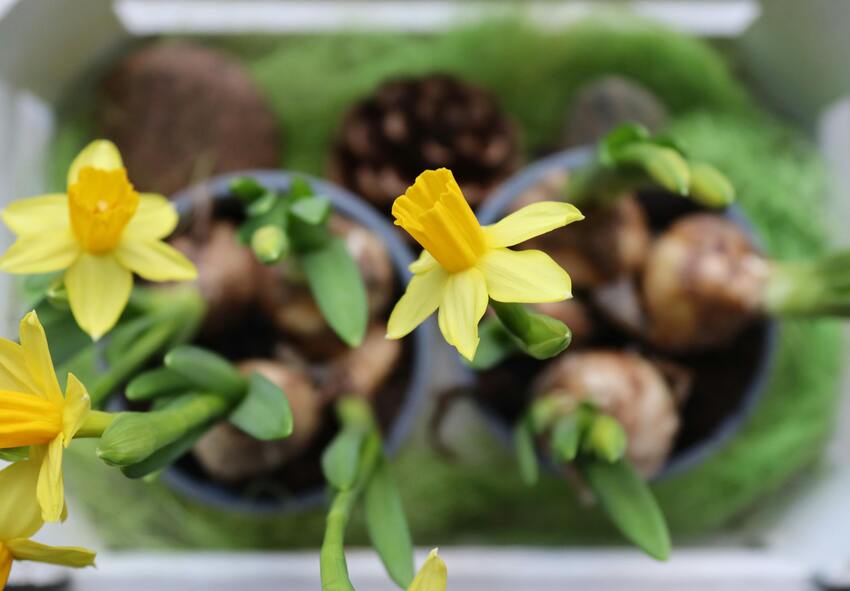
Daffodil propagation is the process of multiplying daffodil plants to grow more flowers from existing ones. This can be done through bulb division or seed propagation. Most gardeners prefer dividing bulbs because it is faster and more reliable.
Understanding how daffodils naturally reproduce helps you achieve better results. With the right techniques, you can quickly expand your garden with healthy, blooming plants.
How Daffodils Multiply Naturally
Daffodils grow from bulbs that naturally produce smaller bulbs called offsets. Over time, these offsets develop into full-sized bulbs capable of producing flowers. This process allows daffodils to spread and form larger clumps each year.
As the bulbs multiply underground, they may become crowded. This is why dividing daffodil bulbs is important to maintain healthy growth.
Why Propagation is Important for Gardeners
Propagation helps gardeners maintain strong and productive plants. By dividing bulbs, you prevent overcrowding and improve flower quality. It also allows you to expand your garden without buying new plants.
Additionally, propagation helps preserve your favorite daffodil varieties. You can continue growing the same beautiful flowers year after year.
Best Time for Daffodil Propagation
Timing plays a crucial role in successful daffodil propagation. Choosing the right season ensures bulbs have enough energy to regrow and bloom. Propagating at the wrong time can stress the plant and reduce flowering. Understanding seasonal timing helps you achieve the best results.
When to Divide Daffodil Bulbs
The best time to divide daffodil bulbs is after flowering, once the foliage has turned yellow and died back. This usually happens in late spring or early summer. At this stage, the plant has stored enough energy in the bulb for the next growing season.
Seasonal Timing Explained
Spring is when daffodils bloom, but it’s not the ideal time for division. Instead, wait until the leaves naturally die back. This allows nutrients to return to the bulb. Dividing too early can weaken the plant and reduce future blooms.
Signs Your Daffodils Need Dividing
If your daffodils are producing fewer flowers or appear crowded, it’s time to divide them. Smaller blooms and tightly packed clumps are clear signs. Regular division every 3–5 years keeps plants healthy and productive.
How to Grow Daffodils from Seeds
Growing daffodils from seeds is another propagation method, though it requires more patience. This method is less common but useful for creating new varieties. Seed propagation takes longer but can be rewarding:
- Collecting Daffodil Seeds: Seeds can be collected after flowers fade and seed pods form. Allow the pods to dry before harvesting. Store seeds in a cool, dry place until planting.
- Planting Seeds Properly: Plant seeds in well-draining soil and keep them moist. Use containers or garden beds. Seeds should be planted shallowly.
- Germination Timeline: Daffodil seeds may take several months to germinate. Full plants can take several years to bloom. Patience is required for this method.
- Pros and Cons of Seed Propagation: Seed propagation allows for new plant variations. However, it takes much longer than bulb division. Most gardeners prefer bulb division for faster results.
How to Propagate Daffodils by Bulb Division (Step-by-Step)
Bulb division is the easiest and most effective method of daffodil propagation. Following the correct steps ensures healthy bulbs and successful replanting.
Step 1: Wait Until Foliage Dies Back
Allow the leaves to turn yellow and dry out completely. This ensures the bulb has stored enough energy. Cutting foliage too early can weaken the plant.
Step 2: Carefully Dig Up the Bulbs
Use a garden fork or shovel to gently lift the bulbs from the soil. Be careful not to damage them. Loosen the soil around the plant before lifting.
Step 3: Separate the Bulb Clumps
Gently pull apart the bulb clumps into individual bulbs. Each bulb can grow into a new plant. Separate them carefully to avoid damage.
Step 4: Inspect and Clean Bulbs
Check bulbs for signs of disease or damage. Remove any soft or rotten bulbs. Healthy bulbs should feel firm and look clean.
Step 5: Replant Bulbs Properly
Replant the bulbs at the correct depth and spacing. This ensures proper growth. Choose a sunny location with well-drained soil.
Step 6: Water and Mulch
Water the bulbs after planting to help them settle. Add mulch to retain moisture and regulate temperature. Mulching also helps prevent weeds.
Step 7: Monitor Growth
Keep an eye on your plants as they grow. Ensure they receive enough water and sunlight. Healthy care leads to strong blooms next season.
Soil and Location Requirements
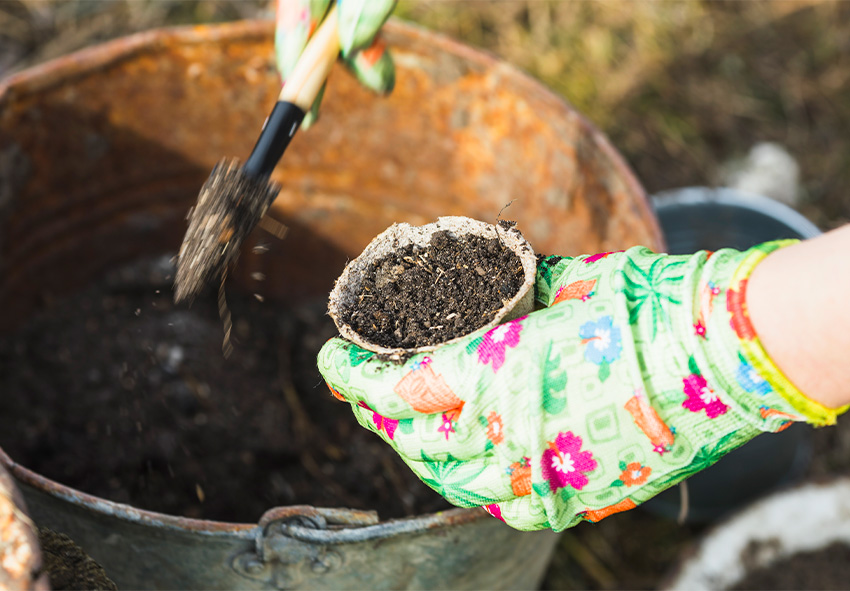
Providing the right growing conditions is essential for successful daffodil propagation. Healthy soil and proper location help bulbs grow strong and produce beautiful flowers. Good preparation leads to better results.
Best Soil for Daffodils
Daffodils grow best in well-drained soil rich in organic matter. Slightly acidic to neutral soil is ideal. Avoid heavy clay soil that retains too much water.
Sunlight Requirements
Daffodils need full sun to partial shade. At least 6 hours of sunlight daily is recommended. Good sunlight improves flowering.
Drainage Importance
Proper drainage prevents bulb rot. Waterlogged soil can damage bulbs. Raised beds can improve drainage.
Ideal Garden Placement
Plant daffodils in open areas with good airflow. Avoid overcrowded spaces. This helps reduce disease risk.
Planting Depth and Spacing for Daffodil Bulbs
Correct planting depth and spacing are essential for healthy growth. Proper placement ensures bulbs have enough space to develop. Following guidelines improves success.
Correct Planting Depth
Plant bulbs about 2–3 times their height deep. This protects them from temperature changes. Shallow planting can reduce stability.
Spacing Between Bulbs
Space bulbs 3–6 inches apart. This prevents overcrowding. Proper spacing improves air circulation.
Common Planting Mistakes
Avoid planting too shallow or too deep. Also, avoid overcrowding bulbs. Correct planting ensures healthy growth.
Common Problems in Daffodil Propagation
Even with proper seasonal care for daffodils, some issues may arise during propagation. Identifying problems early helps prevent damage.
- Bulbs Not Flowering: This may be due to overcrowding or poor soil conditions. Lack of sunlight can also affect flowering. Regular division helps solve this issue.
- Rotting Bulbs: Overwatering or poor drainage can cause bulb rot. Always ensure well-drained soil. Remove damaged bulbs immediately.
- Pests and Diseases: Pests like bulb flies and fungal diseases may affect daffodils. Regular inspection helps detect problems early. Healthy plants are less likely to be affected.
- How to Prevent Issues: Use healthy bulbs, maintain proper spacing, and avoid overwatering. Good garden hygiene is essential. Prevention is key to success.
Benefits of Daffodil Propagation
Learning how to propagate daffodils offers many advantages. It helps you grow more plants while improving garden health.
Save Money on Buying Bulbs
Propagation reduces the need to buy new bulbs. You can grow more plants for free. This makes gardening more cost-effective.
Increase Garden Blooms Naturally
More bulbs mean more flowers each season. Your garden becomes fuller and more vibrant. This improves visual appeal.
Preserve Favorite Varieties
Propagation allows you to keep growing your favorite daffodils. You won’t lose special varieties. This is especially useful for rare types.
Improve Plant Health Over Time
Dividing bulbs prevents overcrowding. This leads to healthier plants and better blooms. Healthy plants last longer.
How Long Does Daffodil Propagation Take?
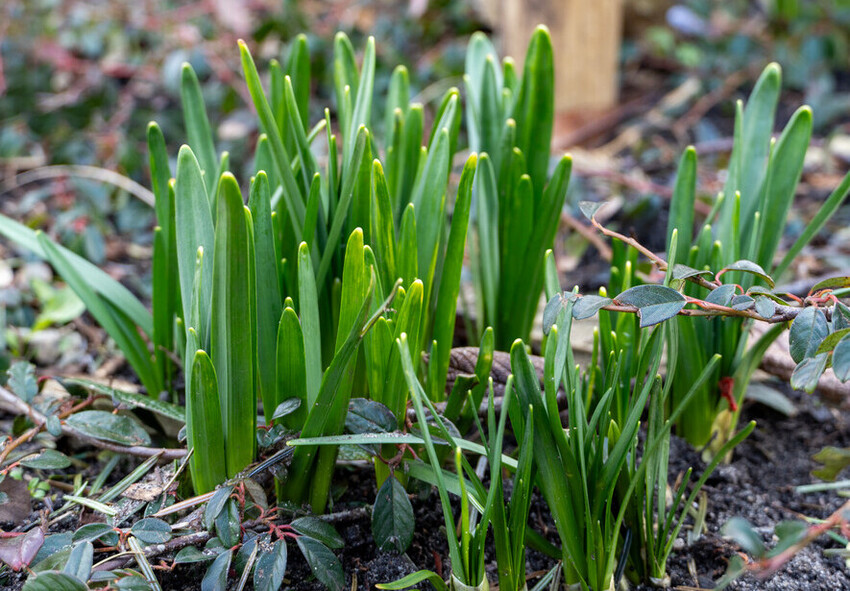
Understanding the timeline helps set realistic expectations. Different methods have different timeframes.
Timeline for Bulb Division Results
Bulb division produces results quickly. Most plants will bloom the following spring. This is the fastest method.
Timeline for Seed-Grown Daffodils
Seed-grown daffodils may take 3–5 years to bloom. This method requires patience. It is less commonly used.
When to Expect Blooms
With proper care, daffodils bloom annually in spring. Healthy bulbs produce consistent flowers. Good care ensures long-term success.
Conclusion
Daffodil propagation is a simple and rewarding way to expand your garden. By dividing bulbs at the right time and providing proper care, you can enjoy beautiful blooms year after year.
Start propagating your daffodils today and transform your garden into a vibrant spring display. Visit our online plant store to find high-quality daffodil bulbs and begin growing your collection with confidence!
Frequently Asked Questions (FAQs) about Daffodil Propagation
1. How often should daffodils be divided?
Daffodils should typically be divided every 3 to 5 years. Over time, bulbs multiply and become crowded, which can reduce flowering. Dividing them helps restore space, improve nutrient access, and encourage healthier blooms. Regular division ensures your daffodils continue to grow strong and produce vibrant flowers each spring.
2. Can daffodils multiply on their own?
Yes, daffodils naturally multiply through bulb offsets that form underground. Each year, the main bulb produces smaller bulbs that grow into new plants. However, without dividing them, overcrowding can occur, which may reduce flower size and quantity. Manual propagation helps maintain healthy growth and better blooming results.
3. Is it better to propagate daffodils by bulbs or seeds?
Propagating daffodils by bulbs is faster and more reliable than using seeds. Bulb division produces flowering plants within a year, while seed propagation can take several years before blooming. Most gardeners prefer bulb division because it ensures consistent results and preserves the characteristics of the parent plant.
4. Can I order daffodil bulbs in your online store?
Yes, you can order high-quality daffodil bulbs directly from our online store Dutch-bulbs.com. We offer a variety of healthy, ready-to-plant bulbs suitable for different climates and garden styles. Our bulbs are carefully selected and shipped securely, making it easy for you to start or expand your daffodil garden.
5. Why are my daffodils not flowering after propagation?
Daffodils may fail to flower due to overcrowding, poor soil conditions, or insufficient sunlight. Dividing bulbs at the right time and planting them in well-drained soil with enough sunlight can improve blooming. Ensuring proper care, including watering and fertilizing, also helps plants recover and produce flowers successfully.
Published: 15.05.2026