



Careful soil preparation is one of the most important prerequisites for successful flowering in spring. If you prepare the soil for flower bulbs in good time, you will create the best conditions for healthy root development and vigorous plant growth. Flower bulbs require loose, healthy and well-drained soil so that their roots can develop undisturbed during the autumn. Waterlogging, in particular, can quickly lead to rot during the winter.
It is therefore worth starting preparations around two to three weeks before planting. During this time, the loosened soil can settle, whilst compost and other soil improvers take effect. Good preparation protects the bulbs from excessive moisture and, at the same time, facilitates root formation later on. Our gardening blog is a perfect place to find any information you need!
What should the ideal soil for flower bulbs be like?
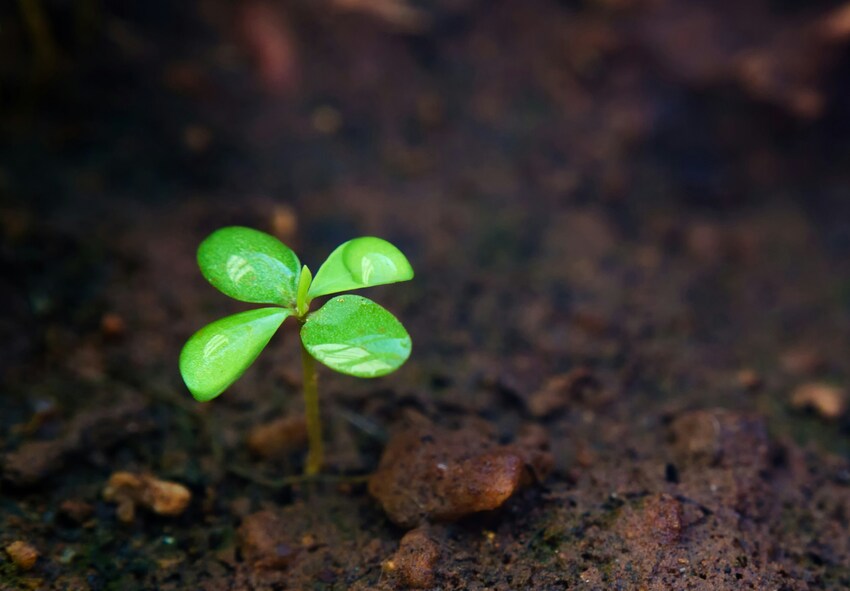
The right soil for autumn-planted flower bulbs should be loose, rich in organic matter and, above all, well-drained. Good drainage prevents excess water from pooling around the bulbs for prolonged periods. If you want to avoid waterlogging your flower bulbs, you should therefore ensure a loose structure and reliable water drainage right from the soil preparation stage.
For most spring-flowering bulbs, soil with a pH value of between approximately 6.0 and 7.0 is suitable. It should be neutral to slightly acidic or slightly alkaline. A balanced supply of nutrients is equally important. The soil may contain sufficient humus, but should not be overloaded with fresh organic matter. Fresh manure, in particular, is unsuitable for flower bulbs, as it can damage delicate roots and promote rot.
A good soil structure not only facilitates rooting but also ensures that oxygen and water reach the root zone. This allows the bulbs to develop a sturdy root system before winter.
Adapt the soil to the specific soil type
Not every garden soil naturally offers ideal conditions for tulips, daffodils, hyacinths and other spring-flowering plants. Different measures are required depending on the soil type. Anyone wishing to specifically improve the soil for their flower bulbs should first determine whether the garden soil is heavy clay, light sand or heavily compacted earth.
Enrich sandy soils with humus
Sandy soil is generally well-drained but has a limited capacity to retain water and nutrients. To ensure the bulbs receive sufficient nourishment whilst they are establishing their roots, sandy soil should be enriched with humus or mature compost.
Organic matter improves the soil’s ability to retain moisture and nutrients, whilst maintaining the necessary drainage. In this way, even light, sandy soil can be optimally prepared for spring-flowering plants.
Improving heavy clay soils
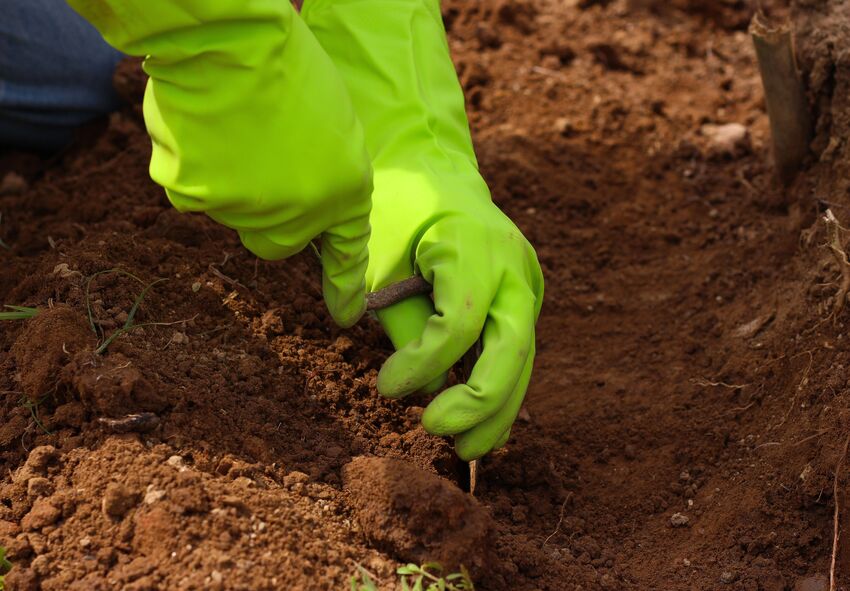
Heavy clay soil retains a lot of water and can become heavily compacted after rainfall. This restricts drainage and increases the risk of waterlogging. To loosen such soil, building sand or coarse quartz sand, fine gravel and mature compost can be worked into it.
These materials improve the soil structure and facilitate water drainage. In particularly heavy soils, it may also be advisable to install drainage in the planting area. This helps prevent waterlogging of flower bulbs, ensuring the bulbs are better protected against rot during the winter.
Deeply loosening compacted soil
With heavily compacted soil, simply loosening the surface is often not enough. Thorough deep loosening is particularly important here. The soil should be loosened to a depth of around 25 to 30 cm where possible, so that water can drain away more easily and the roots can grow deep enough.
Whilst doing so, remove any large stones and carefully loosen compacted layers of soil. Thorough deep loosening improves soil aeration and creates better conditions for vigorous root development.
Fertilising flower bulbs correctly in autumn
Anyone wondering whether and how to fertilise flower bulbs in autumn should, above all, ensure a balanced supply of nutrients. In autumn, the focus is not on rapid foliage growth, but on the development of a strong root system. Phosphorus and potassium, in particular, can promote root development and prepare the plants for the cold season.
Bone meal, for example, can be used as a natural supplement. Specialised organic fertilisers for flower bulbs are also suitable, provided they are used in accordance with the recommended dosage. Mature compost is likewise a good choice, as it both supplies nutrients and improves soil structure.
However, when it comes to fertilising flower bulbs in autumn, the rule is: less is often more. Fresh manure and fertilisers high in nitrogen should be avoided. Fresh manure can damage the roots and encourage rot, whilst a high nitrogen content can promote unwanted, premature growth. Instead, the bulbs should channel their energy into developing a healthy root system in the autumn.
Step by step: Preparing the soil correctly
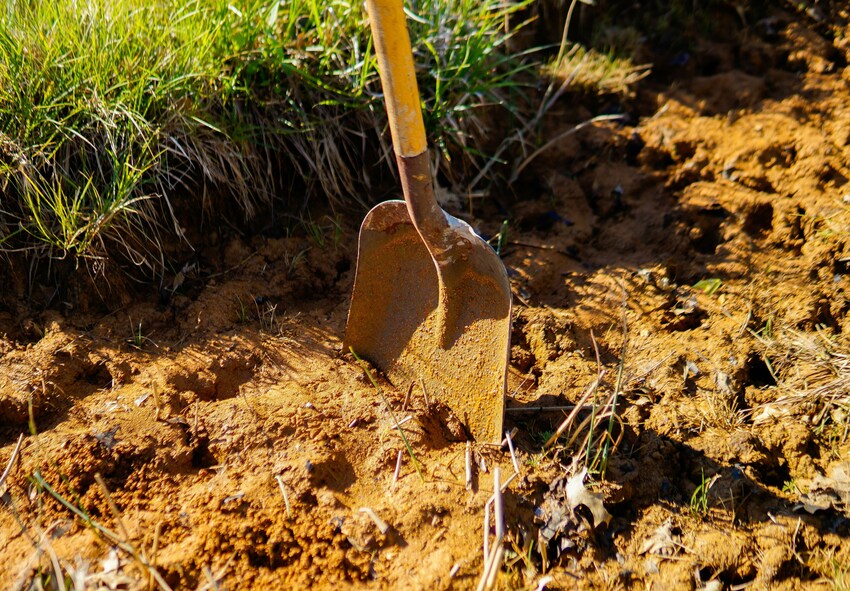
Right maintenance of garden soil in autumn is a key step in preparing the garden for late planting. With a few simple steps, you can optimally prepare the planting area for autumn planting. When preparing the soil for flower bulbs, the following steps will help you create the right conditions for the coming bloom:
- Remove weeds and stones: Clear the area thoroughly, removing weeds, root remnants and any large stones. This ensures that the newly planted bulbs will not have to compete with unwanted plants for water and nutrients later on.
- Dig over and loosen the soil: Loosen the soil to a depth of at least one spade blade. For heavily compacted soils, it is advisable to loosen the soil to a depth of around 25–30 cm.
- Improve the soil structure: Work in suitable materials depending on the soil type. Heavy soils benefit from building sand or quartz sand and compost, whilst sandy soil can be improved with humus and mature compost.
- Add nutrients in a targeted manner: Use bone meal or a suitable organic fertiliser if necessary. You should not use fresh manure or products with a high nitrogen content.
- Level the area and leave it to rest: Rake the soil evenly and, ideally, leave it to rest for one to two weeks. After that, the soil prepared for autumn-planting flower bulbs is ready for planting.
Prepare the soil now and enjoy it in spring
Good soil preparation protects flower bulbs from excessive moisture, promotes root formation and creates the best conditions for successful overwintering. If you improve the soil structure in good time and ensure sufficient drainage, you can look forward to vigorous plants and lush blooms in spring. Discover high-quality flower bulbs in the Dutch-bulbs.com catalogue and start preparing your garden now for a colourful spring season!
Frequently asked questions (FAQs) on Garden Soil Preparation
1. How should I prepare garden soil before planting flower bulbs in autumn?
Start by removing weeds, stones, old roots, and plant debris from the planting area. Loosen the soil to improve root growth and drainage, then mix in well-rotted compost or organic matter if needed. Avoid leaving the soil waterlogged, as most flower bulbs need good drainage to remain healthy.
2. What type of soil is best for planting flower bulbs?
Most flower bulbs grow best in loose, fertile, and well-drained soil. Heavy clay soil can retain too much moisture and increase the risk of bulb rot. Improving compacted soil with compost and other suitable organic materials can create better conditions for root development and healthy spring flowering.
3. Should I add compost before planting flower bulbs in autumn?
Yes, adding well-rotted compost can improve soil structure and support healthy bulb growth. Compost may help sandy soils retain moisture while improving the texture of heavier soils. However, avoid adding excessive amounts of rich fertilizer directly against bulbs, as this can sometimes damage developing roots.
4. How can I improve drainage for flower bulbs in heavy soil?
Improve heavy soil by loosening the planting area and incorporating suitable organic matter. Raised beds or raised planting areas can also help excess water drain away more effectively. Avoid planting bulbs in low spots where rainwater collects, because prolonged wet conditions can cause bulbs and roots to rot.
5. Do I need to test the soil before planting flower bulbs?
A soil test can be useful, especially if plants have previously performed poorly in the area. Testing can provide information about soil pH and nutrient levels, helping you make more informed amendments. Most importantly, ensure the planting site has suitable drainage, as excessive moisture is a common cause of bulb problems.
Published: 02.09.2026