



Garden maintenance in May is one of the most important steps in creating a healthy and beautiful garden for summer. As temperatures rise and plants enter active growth, May becomes the perfect time to plant, prune, fertilize, and prepare your outdoor space. Whether you’re caring for flowers, vegetables, or lawns, following a proper May garden checklist helps ensure strong plant development.
In this guide, you’ll discover everything you need to know about May gardening tasks, from planting and watering to pest control and lawn care. With the right approach, your garden will flourish throughout the growing season. Our gardening blog is a perfect place to find any information you need!
Why Garden Maintenance in May Is Important
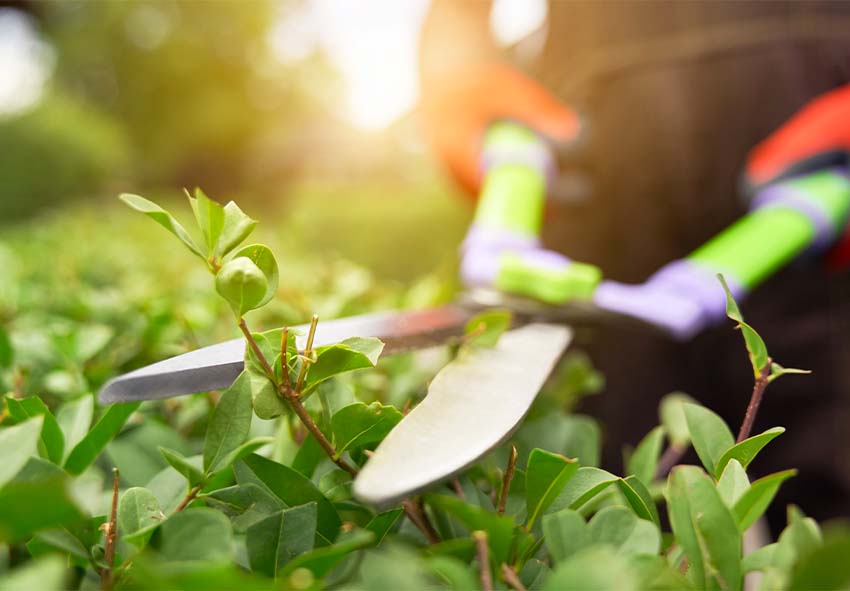
May is a crucial month for gardeners because plants begin growing rapidly. Proper care during this time helps prevent problems later in the season. Taking care of your garden now ensures healthier plants and better blooms.
Preparing Your Garden for Summer Growth
May is the ideal time to prepare your garden for the summer season. Warmer temperatures encourage plants to grow faster, making regular maintenance essential. Preparing soil, planting new flowers, and removing weeds helps create the best growing environment.
Adding compost and improving soil quality supports strong root development. Healthy soil also improves water retention and nutrient absorption. These steps set the foundation for a thriving summer garden.
Benefits of Regular Garden Maintenance
Regular spring garden maintenance helps keep your plants healthy and vibrant. Removing weeds, watering properly, and fertilizing plants improve overall garden appearance. Consistent care also reduces pest and disease problems.
Routine maintenance saves time later in the season. Small weekly tasks prevent larger issues from developing. This makes gardening easier and more enjoyable.
Common Gardening Mistakes to Avoid in May
Many gardeners make mistakes during garden maintenance in May. Overwatering is one of the most common problems. Too much water can damage roots and encourage disease.
Another mistake is planting too early without checking weather conditions. Late frosts can damage sensitive plants. Always monitor local weather before planting.
General Garden Maintenance Tasks in May
General garden tasks help maintain a healthy and organized garden. These tasks improve plant growth and keep your garden looking tidy. Following a structured May garden checklist ensures nothing is overlooked.
Cleaning Garden Beds and Borders
Start by clearing garden beds and borders. Remove fallen leaves and plant debris. This improves airflow and prevents disease. Clean garden beds also make planting easier. Preparing beds early saves time later.
Removing Weeds and Dead Plants
Weeds grow quickly in May. Remove them regularly to prevent competition for nutrients. Pull weeds before they spread seeds. Dead plants should also be removed. This improves garden appearance and plant health.
Loosening Soil and Improving Drainage
Loosening soil improves root growth. Use a garden fork to break compacted soil. This helps water reach plant roots. Good drainage prevents root rot. Add sand or compost if needed.
Adding Compost and Organic Matter
Adding compost enriches soil nutrients. Spread compost around plants. This supports healthy growth. Organic matter improves soil structure. It also helps retain moisture.
Pruning and Trimming in May
Pruning and trimming are important May gardening tasks that encourage healthy plant growth. Removing damaged or dead branches improves airflow and plant structure. Regular trimming also helps maintain a neat garden appearance.
Shrubs to Prune in May
Prune spring-flowering shrubs after they finish blooming. This encourages new growth and improves flower production for next year. Removing old stems also helps maintain plant shape. Common shrubs to prune include lilac, forsythia, and weigela. Always use clean, sharp tools for best results. Proper pruning supports long-term plant health.
Perennials to Cut Back
Cutting back perennials encourages fresh growth and improves garden appearance. Remove faded flowers and damaged leaves. This helps plants focus energy on new blooms. Some perennials may produce a second flush of flowers after trimming. Regular maintenance keeps borders tidy. This simple step enhances overall garden beauty.
Deadheading Spring Flowers
Deadheading involves removing faded blooms. This encourages plants to produce more flowers. It also prevents seed formation. Deadheading improves plant appearance. It also extends blooming periods. This is a simple but effective garden maintenance task.
Trimming Hedges
May is a good time to trim hedges. Regular trimming maintains shape and promotes dense growth. Avoid cutting too aggressively. Use sharp tools for clean cuts. Trim hedges on cloudy days to prevent leaf burn. Proper trimming keeps hedges neat and healthy.
What to Plant in May
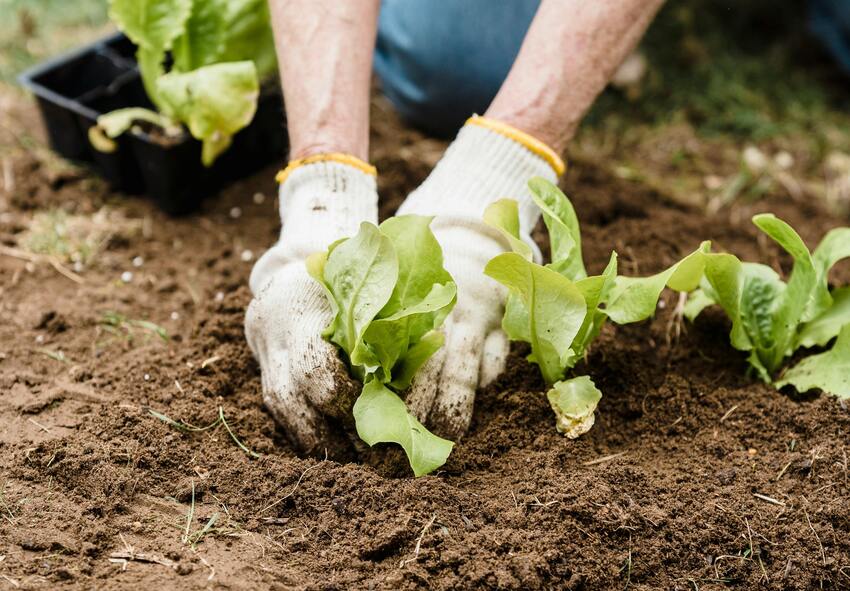
May is one of the busiest and most rewarding months for planting in the garden. Warmer temperatures and longer daylight hours create ideal conditions for many plants to establish quickly. Whether you are planting flowers, vegetables, bulbs, or herbs, following a proper May garden checklist will help ensure healthy growth and vibrant summer displays.
Flowers to Plant in May
May is an excellent time to plant summer-flowering annuals and perennials. These flowers grow quickly in warm soil and produce long-lasting blooms throughout the season. Planting a mix of colors and heights will help create visually appealing flower beds and borders.
Popular flowers to plant in May include:
- Dahlias — These colorful flowers bloom from mid-summer until autumn and work well in borders and containers.
- Lilies — Lily bulbs planted in May produce stunning summer blooms and add height to garden beds.
- Petunias — These easy-to-grow flowers are perfect for containers, hanging baskets, and borders.
- Zinnias — Zinnias grow quickly and provide bright colors that attract pollinators.
- Marigolds — These low-maintenance flowers help deter pests and add vibrant color to garden spaces.
Planting a variety of flowers ensures continuous blooms and improves garden biodiversity.
Vegetables to Plant in May
May is the perfect time to plant warm-season vegetables. The soil is warm enough for seeds to germinate quickly, and plants establish strong roots. Growing vegetables in May ensures a productive harvest later in summer. Remember to learn helpful summer harvesting tips in advance.
Vegetable seeds to plant in May include:
- Tomatoes — Plant seedlings in sunny locations with support for climbing varieties.
- Cucumbers — These fast-growing plants thrive in warm weather and need regular watering.
- Beans — Sow directly into the soil for quick germination and high yields.
- Peppers — Plant in warm, sheltered spots for best growth.
- Zucchini — These plants grow rapidly and produce abundant harvests.
Providing proper spacing and watering will help vegetables grow strong and healthy.
Bulbs to Plant in May
Planting summer bulbs in May ensures colorful blooms later in the season. These bulbs thrive in warm soil and sunny locations. Many summer bulbs are also suitable for containers and garden beds.
Summer bulbs to plant in May include:
- Begonias — Ideal for containers and shaded garden areas.
- Gladiolus — Tall flower spikes that add vertical interest to garden beds.
- Cannas — Tropical-looking plants with bold foliage and vibrant blooms.
- Calla Lilies — Elegant flowers that thrive in sunny or partially shaded locations.
- Crocosmia — Adds bright colors and attracts pollinators.
Planting bulbs in groups creates a stronger visual impact.
Herbs to Plant in May
Herbs grow particularly well in May due to warm weather and longer days. Planting herbs now ensures fresh flavors throughout summer. Many herbs also grow well in containers, making them perfect for small spaces.
Herbs to plant in May include:
- Basil — Thrives in warm conditions and grows quickly.
- Mint — Easy to grow but best planted in containers to control spreading.
- Parsley — A versatile herb suitable for garden beds or pots.
- Thyme — Drought-tolerant and ideal for sunny areas.
- Oregano — Low-maintenance herb perfect for beginners.
Regular harvesting encourages herbs to produce more foliage.
Watering and Irrigation Tips
Proper watering is essential during garden maintenance in May. Plants grow rapidly and require consistent moisture. Establishing a watering routine helps prevent stress and promotes healthy growth.
How Often to Water in May
Watering frequency depends on weather and soil type. Sandy soils dry out faster and may need more frequent watering. Clay soils retain moisture longer. Check soil moisture regularly. Water when the top layer feels dry. Adjust watering based on rainfall.
Best Time to Water Plants
Early morning is the best time to water plants. Cooler temperatures reduce evaporation. Plants absorb water more efficiently. Avoid watering during midday heat. Evening watering may encourage disease. Morning watering keeps plants healthy.
Watering Newly Planted Plants
Newly planted plants require extra attention. Their roots need time to establish. Water regularly during the first few weeks. Keep soil moist but not waterlogged. Mulching helps retain moisture. Proper watering ensures successful establishment.
Lawn Care in May
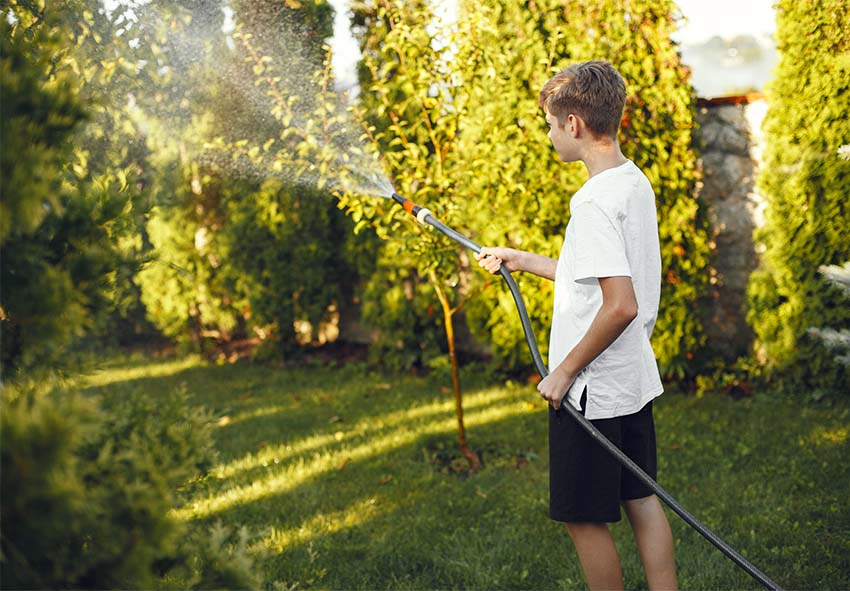
Lawn care is essential during May because grass grows quickly in warm weather. Regular maintenance helps create a thick, healthy lawn that resists weeds and pests. Following simple spring garden maintenance steps keeps your lawn looking lush and green.
Mowing and Edging
Mow your lawn regularly in May to maintain healthy growth. Avoid cutting grass too short, as this can weaken the lawn and encourage weeds. Keeping grass slightly longer helps retain moisture and improves resilience during warmer weather.
Edging lawn borders also improves garden appearance. Clean edges create a tidy, professional look. Regular edging prevents grass from spreading into flower beds and pathways.
Feeding the Lawn
Feeding your lawn in May promotes strong growth and vibrant color. Apply a balanced lawn fertilizer to provide essential nutrients. Slow-release fertilizers are particularly useful because they feed grass gradually.
Fertilizing also helps lawns recover from winter stress. Healthy grass becomes more resistant to drought and foot traffic. Always water lightly after fertilizing for best results.
Watering Tips for May
Watering is important during dry periods in May. Water deeply but less frequently to encourage deep root growth. Early morning watering helps reduce evaporation and keeps grass healthy.
Avoid watering in the evening, as this can encourage fungal diseases. Monitor rainfall and adjust watering accordingly. Proper watering keeps your lawn lush and green.
Repairing Bare Patches
Bare patches often appear after winter or heavy foot traffic. May is the ideal time to reseed these areas. Warm soil temperatures help grass seed germinate quickly.
Loosen the soil before sowing seeds. Water regularly until new grass establishes. Repairing bare patches early prevents weeds from taking over.
Fertilizing in May
Fertilizing in May supports strong plant growth and flowering. Plants need nutrients during active growth periods. Choosing the right fertilizer improves plant performance.
Best Fertilizers for May
Balanced fertilizers work well for most plants. Organic fertilizers improve soil health. Slow-release fertilizers provide long-lasting nutrients. Follow instructions carefully. Over-fertilizing can harm plants. Proper fertilizing ensures healthy growth.
Feeding Flowering Plants
Flowering plants benefit from regular feeding. Use fertilizer designed for flowering plants. This promotes more blooms. Apply fertilizer every few weeks. Water after feeding. This helps nutrients reach roots.
Fertilizing Trees and Shrubs
Trees and shrubs benefit from spring feeding. Apply slow-release fertilizer around the base. Avoid placing fertilizer near the trunk. Water thoroughly after application. Healthy trees produce strong growth. Fertilizing supports long-term plant health.
Pest and Disease Control in May
Pests become more active in May as temperatures rise. Regular inspection helps detect problems early. Preventative care reduces damage.
Common Garden Pests in May
Common pests include aphids, slugs, and beetles. These insects feed on leaves and stems. Early detection is important. Check plants regularly. Remove pests manually if possible. Healthy plants resist pests better.
Preventing Plant Diseases
Good airflow reduces disease risk. Avoid overcrowding plants. Proper spacing improves ventilation. Water at soil level. Remove infected leaves. These steps help prevent disease.
Natural Pest Control Methods
Natural methods are safe and effective. Neem oil and insecticidal soap work well. Encourage beneficial insects. Ladybugs help control aphids. Companion planting also reduces pests. Natural solutions protect garden ecosystems.
Mulching in May
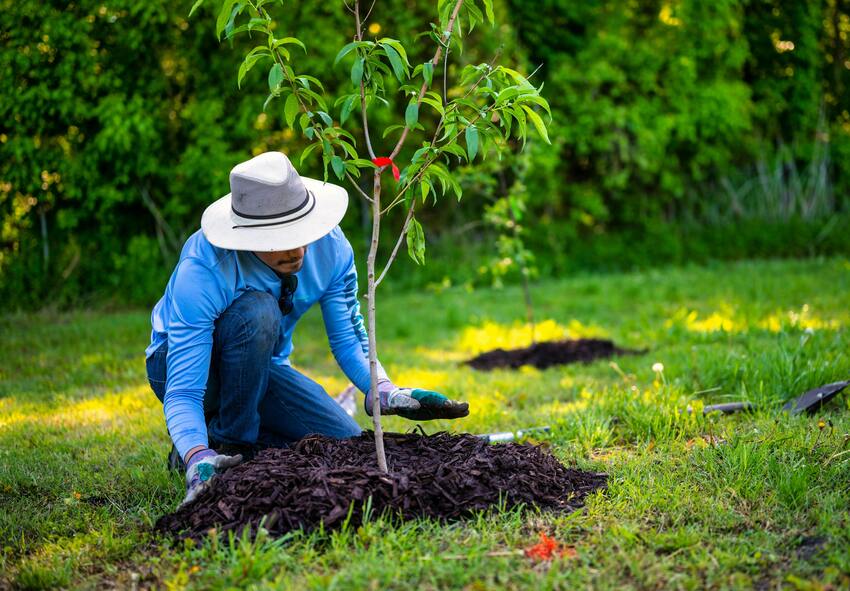
Mulching is an important part of spring garden maintenance. It helps retain moisture and suppress weeds. Mulch also improves soil structure.
Benefits of Mulching
Mulch regulates soil temperature. It reduces evaporation. Plants grow better with mulch. Mulch also improves soil health. Organic mulch adds nutrients. This supports plant growth.
Best Mulch Materials
Common mulch materials include bark, compost, and straw. Each material offers different benefits. Choose based on plant needs. Organic mulch improves soil over time.
How to Apply Mulch Properly
Apply mulch around plants. Keep mulch away from stems. Use a 5 cm layer. Avoid excessive mulch. Check regularly. Proper application improves results.
Garden Tools Maintenance in May
Maintaining garden tools improves efficiency and safety. Remember that proper maintenance extends lifespan:
- Cleaning Garden Tools: Remove dirt and debris. Use water if necessary. Dry tools thoroughly. Clean tools prevent disease spread. Regular cleaning improves performance. Store properly.
- Sharpening Tools: Sharp tools make clean cuts. This protects plants. Use sharpening tools regularly. Sharp blades reduce effort. Proper tools improve results. Maintain regularly.
- Organizing Garden Equipment: Store tools in dry areas. Organize by type. Easy access saves time. Proper storage prevents damage. Keep tools clean. Organized spaces improve gardening.
Conclusion
Garden maintenance in May plays a vital role in preparing your garden for summer success. By following these May gardening tasks, you can promote healthy growth and vibrant blooms. A well-maintained garden in May will reward you with beauty, productivity, and enjoyment throughout the growing season.
Frequently Asked Questions (FAQs) about Garden Care in May
1. What are the most important garden maintenance tasks in May?
Garden maintenance in May focuses on planting, pruning, watering, and fertilizing. This is the time to plant summer flowers and vegetables, feed lawns, and control weeds. You should also check for pests, mulch garden beds, and support tall plants. Regular maintenance in May helps create a healthy garden for summer.
2. What flowers should I plant during garden maintenance in May?
May is ideal for planting summer-flowering plants such as dahlias, lilies, petunias, and zinnias. These flowers thrive in warm soil and produce long-lasting blooms. You can also plant marigolds and begonias for additional color. Choosing a variety of flowers ensures continuous blooming throughout the summer season.
3. How often should I water my garden in May?
Watering needs depend on weather conditions and soil type. Most gardens benefit from deep watering once or twice per week. Newly planted flowers and vegetables may require more frequent watering. Early morning watering is best, as it reduces evaporation and helps plants absorb moisture efficiently.
4. Can I order garden plants for May planting in your online store?
Yes, you can order a wide range of summer bulbs in our online store Dutch-bulbs.com. We offer flowers, vegetables, herbs, and bulbs ideal for spring planting. Our plants are carefully selected for quality and delivered ready for planting, making your May gardening easier and more successful.
5. When should I start fertilizing plants in May?
Fertilizing should begin once plants show active growth in May. Use balanced fertilizers for general garden care and specialized fertilizers for flowering plants or vegetables. Slow-release fertilizers are particularly helpful during spring. Regular feeding encourages strong roots, healthy foliage, and abundant blooms throughout the growing season.
Published: 17.04.2026