



When autumn temperatures begin to fall, many gardeners start thinking about how to protect their favourite outdoor plants. While some garden perennials are best left dormant in the ground, others can be brought indoors and enjoyed throughout the colder months. Tender flowers, decorative foliage plants and culinary herbs can often continue growing on a bright windowsill or in a suitable indoor space.
Begonias, fuchsias, pelargoniums, miniature hostas, heuchera, coleus, lemon balm, mint and thyme are among the plants that can be considered for indoor winter growing. However, moving plants from the garden into the home requires some preparation. Changes in light, temperature and humidity can cause stress, while pests and unsuitable watering can create additional problems. Our gardening blog is the perfect place to find all the information you need!
Preparing Outdoor Plants for Indoor Growing
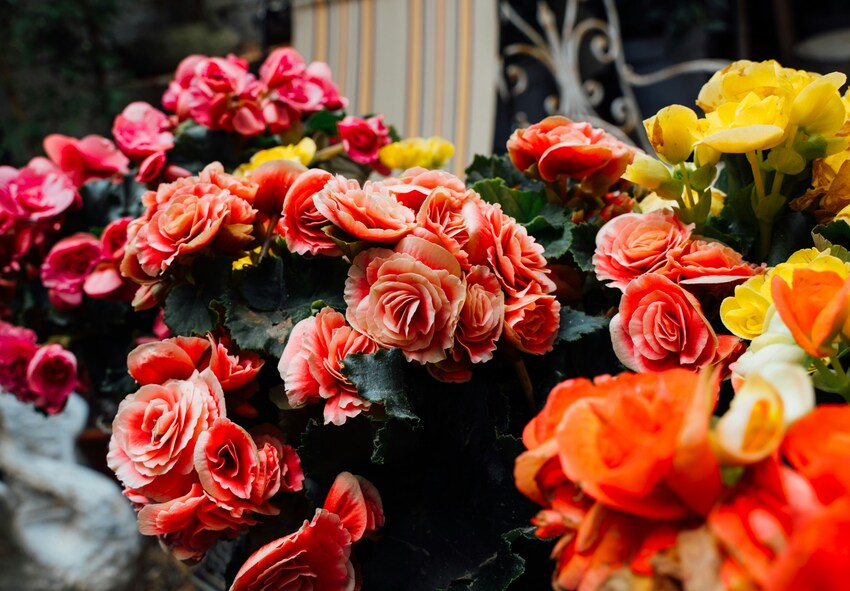
Before bringing plants indoors, take time to inspect and prepare them. Outdoor plants may carry insects, slugs or other unwanted visitors, and their roots may have outgrown their containers. A little preparation of your garden plants for winter helps to reduce stress and makes the transition easier.
Inspect Plants for Pests and Damage
Examine leaves, stems and the soil surface carefully. Pay particular attention to the undersides of leaves, where aphids, spider mites and whiteflies may hide. Remove dead or damaged foliage and check around the base of each plant for insects or slugs.
Wash foliage gently with water if necessary, taking care not to damage delicate leaves. If you discover pests, treat the plant with a suitable product before bringing it near your indoor collection. Keep newly introduced plants separate from established houseplants for a short period so you can monitor them for any remaining pests.
Pruning and Cleaning
Light pruning can make plants easier to move and help them adjust to their new surroundings. Remove dead flowers, damaged stems and yellowing leaves. Plants that have become leggy or overgrown may benefit from selective trimming, although the amount of pruning depends on the species.
Avoid cutting back every plant in the same way. Some, such as coleus and pelargonium, tolerate pruning well, while others may need their foliage retained to support continued growth. Clean the outside of pots and remove old debris from the soil surface before moving plants indoors.
Repotting Before Winter
Repotting is useful when a plant has outgrown its container, the soil has deteriorated or the existing pot does not drain properly. Choose a container with drainage holes, usually only slightly larger than the root ball. An excessively large pot holds more moisture than the roots can use, increasing the risk of root problems.
Use a suitable fresh potting mix for each plant type. Most ornamental foliage plants grow well in a loose, well-drained indoor potting medium, while herbs such as thyme prefer particularly free-draining soil. Gently loosen compacted roots and remove any that are dead or damaged, but avoid unnecessary disturbance.
Not every plant needs repotting before winter. If a plant is healthy and growing in a suitable container, it may be better to leave it undisturbed until spring. Repotting and moving indoors at the same time can create additional stress, so carry out only essential work.
How to Acclimatise Plants to Indoor Conditions
Moving outdoor plants indoors can be stressful because they must adjust to changes in light, temperature, air movement and humidity. A gradual transition helps reduce leaf drop, wilting and slowed growth. Follow these steps to help your plants settle into their winter environment:
- Move plants gradually: Over several days, place them in a sheltered, shaded outdoor area before bringing them indoors. Avoid an abrupt move from full sun into a warm room.
- Choose a suitable indoor location: Place plants in a bright, relatively cool spot, away from radiators, heaters and cold draughts.
- Maintain suitable humidity: Indoor air can become dry during winter. Grouping plants together or using a pebble tray with water can help increase local humidity. Keep the pot base above the water.
- Keep conditions stable: Once plants have adjusted, avoid moving them repeatedly. Maintain reasonably consistent temperatures and provide enough natural light.
- Adjust watering: Plants usually use less water indoors than outdoors. Check the soil before watering, and avoid keeping it constantly wet.
Plants That Flower in Winter
Flowering plants can add a welcome splash of colour to your home during the colder months. Fuchsia and pelargonium can be brought indoors to preserve them through winter, and with suitable light, temperature and watering, some varieties may continue flowering or maintain healthy growth.
Begonia
Begonias are valued for their decorative foliage and attractive flowers. Many types can be grown indoors during winter, although their exact requirements depend on the variety. They generally prefer bright, indirect light rather than strong direct sunshine, which can scorch delicate leaves.
Keep begonias in a warm room with stable temperatures, ideally away from cold windows and heating appliances. Water when the upper layer of soil begins to dry, taking care not to leave the roots sitting in water. Good drainage and moderate humidity help maintain healthy foliage. Avoid wetting hairy or delicate leaves excessively, as persistent moisture can encourage problems.
Fuchsia
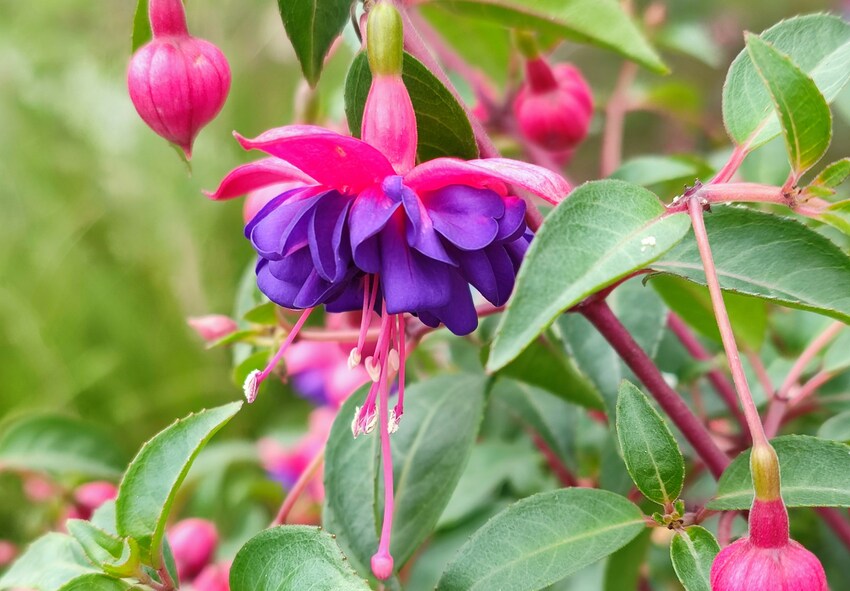
Fuchsias are popular for their hanging flowers and graceful growth. Their winter care depends on the variety and whether you want to maintain active growth or allow the plant to rest. Many outdoor fuchsias benefit from a cool winter resting period rather than being kept in a warm living room.
If you want to keep a fuchsia growing indoors, provide bright light without intense midday sun and a cool, well-ventilated location. Water sparingly during periods of slow growth, allowing the upper soil to dry slightly between waterings. Remove dead or weak growth, but avoid excessive pruning until you know whether the plant is entering dormancy.
Pelargonium
Pelargoniums, often called garden geraniums, can be kept indoors over winter and may continue flowering if conditions are favourable. They need plenty of light, so a bright south- or west-facing windowsill can be suitable, provided the foliage does not overheat.
Maintain moderate temperatures and avoid cold draughts. Allow the soil to dry slightly between waterings, as pelargoniums are sensitive to excessive moisture around their roots. Remove fading flowers and yellow leaves to keep plants tidy. If growth becomes weak due to insufficient light, reduce watering and wait for brighter conditions before encouraging further growth.
Ornamental Foliage and Shade-Loving Plants
Plants grown mainly for their decorative leaves bring colour, texture and greenery to indoor spaces throughout winter. Miniature hostas, heuchera and coleus offer a variety of leaf shapes and colours, making them attractive choices for bright windowsills and indoor plant displays.
Miniature Hostas
Miniature hostas are attractive for their compact size and decorative leaves. However, they are deciduous perennials that naturally enter dormancy during winter. They are not usually suitable for continuous warm indoor growth, because they need a period of cold rest to maintain their natural seasonal cycle.
If you bring a miniature hosta indoors temporarily, place it in a cool location with indirect light. Keep the soil slightly moist, but never waterlogged. Once the leaves die back naturally, allow the plant to rest in a cool, protected place rather than trying to encourage new foliage in a heated room. Resume regular watering as new growth appears in spring.
Heuchera
Heuchera is grown mainly for its colourful foliage, which can range from deep purple and burgundy to lime green and silver. Many varieties are hardy garden perennials and are generally better suited to outdoor winter conditions than to warm indoor rooms.
If you choose to keep a heuchera in a container indoors temporarily, provide bright, indirect light and a cool location. Use a well-drained potting mix and water when the upper layer begins to dry. Avoid excessive warmth and moisture, which can weaken the plant. For long-term health, remember that most heucheras benefit from seasonal outdoor conditions rather than permanent indoor cultivation.
Coleus
Coleus is a tender foliage plant known for its striking leaves in combinations of green, red, pink, purple and yellow. It is particularly suitable for indoor winter growing because it prefers warm conditions and can continue producing colourful foliage when given enough light.
Place coleus near a bright window, protecting it from strong direct sunlight if the leaves begin to fade or scorch. Maintain warm, stable temperatures and water when the top layer of soil feels dry. Do not allow the root ball to become completely dry for long periods. Pinching out growing tips encourages bushier growth and prevents the plant from becoming too leggy.
Herbs for Indoor Winter Growing
Fresh herbs are a practical addition to a winter windowsill, providing fragrant leaves for cooking and drinks. Lemon balm, mint and thyme can all be grown indoors in containers, provided they receive enough light and have suitable soil moisture and drainage.
Lemon Balm
Lemon balm is a fragrant herb with soft green leaves and a fresh citrus scent. It can be grown indoors during winter, although its growth may slow considerably when natural light levels decrease. Choose a bright windowsill and use a container with good drainage. Water when the upper layer of soil begins to dry, avoiding constantly wet conditions.
Regularly harvesting or lightly trimming the tips helps keep the plant compact and encourages fresh growth. If indoor light is limited, growth may become weaker, so consider using a suitable grow light during the darkest months.
Mint
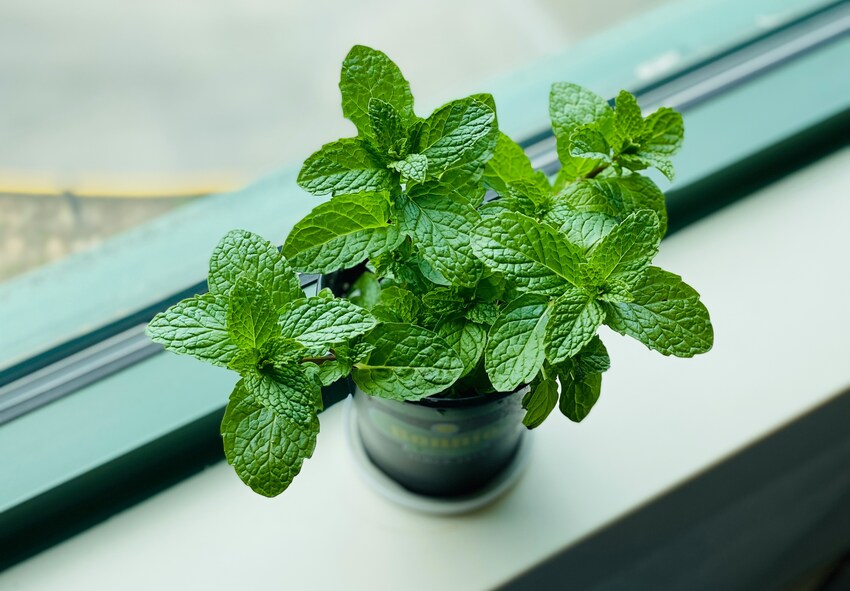
Mint is a vigorous herb that adapts well to container growing. Bringing it indoors allows you to enjoy fresh leaves for tea, cooking and other uses throughout winter. Give mint a bright location with indirect sunlight and maintain moderate temperatures.
It prefers consistently lightly moist soil, so check the container regularly and water when the surface begins to dry. Avoid leaving the pot standing in water. Trim long stems to encourage compact growth, and remove yellowing leaves. Since mint spreads quickly through underground stems, growing it in its own container helps keep it under control.
Thyme
Thyme is a Mediterranean herb that prefers conditions slightly different from those needed by mint and lemon balm. It needs plenty of light, good air circulation and relatively dry soil. A sunny windowsill is usually the best indoor location.
Use a free-draining potting mix and a container with drainage holes. Water thoroughly but infrequently, allowing the soil to dry between waterings. Avoid excessive humidity and overcrowding, as these conditions can encourage weak growth. Regular light trimming helps maintain a compact shape, but do not cut deeply into old woody stems.
Conclusion
Bringing outdoor plants indoors for winter is a practical way to preserve favourite flowers, foliage plants and herbs while enjoying greenery throughout the colder months. Begonia, fuchsia, pelargonium, miniature hostas, heuchera, coleus, lemon balm, mint and thyme can all be considered, provided their individual seasonal needs are taken into account.
The key is to prepare plants carefully, inspect them for pests, repot only when necessary and introduce them gradually to indoor conditions. With suitable light, temperature and watering, many will remain attractive through winter, while others can rest safely until spring returns.
Frequently Asked Questions (FAQs) about Bringing Outdoor Plants Indoors
1. Which outdoor plants can be brought indoors for winter?
Many outdoor plants can be moved indoors for winter, including begonias, fuchsias, pelargoniums, coleus, lemon balm, mint and thyme. Miniature hostas and heuchera have different seasonal needs and generally benefit from a period of winter dormancy. Always consider each plant’s light, temperature and watering requirements before bringing it inside.
2. When should I bring outdoor plants indoors for winter?
Bring tender outdoor plants indoors before nighttime temperatures become too low for them. The exact timing depends on the plant and your local climate. Watch the weather forecast and avoid waiting until frost threatens. Gradually moving plants into sheltered conditions before bringing them inside can help reduce stress during the transition.
3. Should I repot outdoor plants before bringing them indoors?
Repotting is not necessary for every plant. It is best reserved for specimens that have outgrown their containers, have compacted soil or need better drainage. Choose a pot only slightly larger than the root ball and use a suitable growing medium. Avoid unnecessary root disturbance, especially when plants are preparing for winter dormancy.
4. How often should I water plants growing indoors during winter?
Indoor plants usually need less water during winter because growth slows and evaporation decreases. However, watering requirements vary by species. Mint and lemon balm prefer lightly moist soil, while thyme and pelargonium need the soil to dry more between waterings. Check the soil before watering and always provide adequate drainage.
5. Can I order plants for a winter garden in your store?
Yes, you can explore our online store Dutch-bulbs.com for plants suitable for growing indoors during winter. Our selection may include decorative flowering plants, foliage varieties and herbs for your windowsill or indoor garden. Availability can vary by season, so check the current catalogue to find plants that suit your growing conditions.
Published: 23.11.2026