



Forcing bulbs means encouraging spring-flowering bulbs to grow and bloom indoors earlier than they normally would outdoors. Hyacinths and crocuses are particularly well suited to this technique because they can respond well to a period of cool conditions followed by warmth, light, and active growth.
Growing these bulbs indoors can bring colorful flowers and fragrance into the home during the coldest part of the year. With the right preparation and timing, you can enjoy hyacinths and crocuses in winter while outdoor gardens are still dormant.
The key to successful forcing is understanding that bulbs need more than just a warm windowsill. Healthy bulbs, appropriate chilling, suitable containers, careful watering, and good light all contribute to a successful indoor display. Our gardening blog is a perfect place to find all the information you need!
Choosing Hyacinth and Crocus Bulbs for Forcing
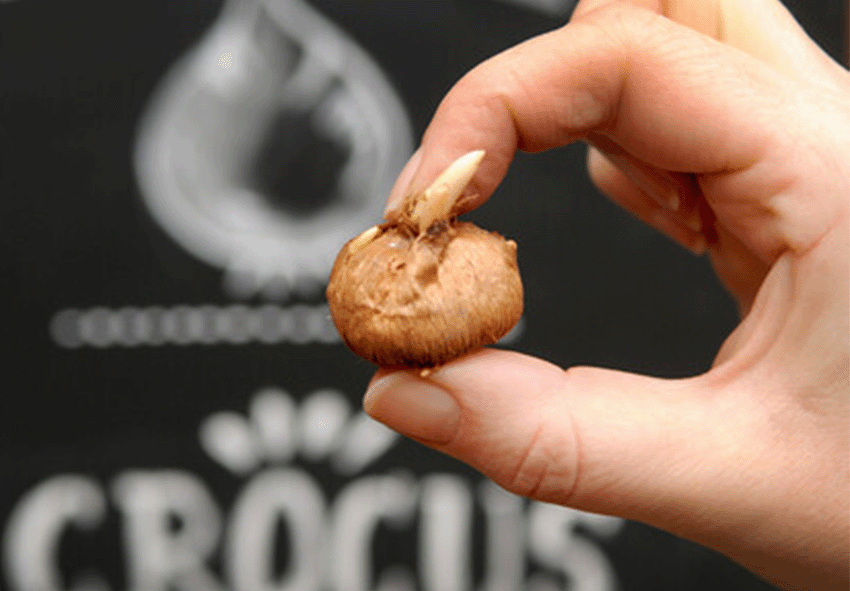
The quality of the bulbs has a major influence on the final result. Choose firm, healthy, flowering-size bulbs that feel substantial for their size and show no obvious signs of mold, rot, or physical damage.
When possible, select varieties specifically recommended for forcing or indoor culture. Some bulbs are sold as prepared bulbs, meaning they have already received part of the cold treatment needed to encourage earlier flowering. Healthy bulbs should be firm and intact, with a relatively clean outer surface. Avoid bulbs that are soft, badly shriveled, moldy, or showing extensive damage.
Prepared and unprepared bulbs require slightly different planning. Prepared hyacinth bulbs have received special treatment to reduce the amount of chilling they need before flowering. Unprepared bulbs generally require a longer period of cool conditions. Always check the supplier’s instructions when available rather than assuming every bulb has identical requirements.
When to Start Forcing Hyacinths and Crocuses
Timing is one of the most important parts of forcing spring bulbs. You need to allow enough time for both hyacinth and crocus bulbs to develop roots and experience the cool conditions required before they begin active growth. The exact schedule varies according to the bulb, variety, whether it has been prepared for forcing, and the flowering date you want. Starting several containers at different times can also help spread the flowering period.
Timing Hyacinths for Winter Flowers
If you want hyacinths flowering around Christmas, the bulbs generally need to be planted and chilled well in advance. Prepared hyacinths can usually be started later than unprepared bulbs because some of their cold requirement has already been supplied. For January or later winter flowers, you can start the forcing process later in autumn, depending on the variety and chilling requirements. The important point is to work backward from your desired flowering period and allow sufficient time for rooting and chilling.
Hyacinths typically need a cool period before they are brought into warmer growing conditions. Moving them into warmth too early can result in weak growth or poorly developed flowers. Because varieties can differ, treat suggested forcing dates as guidelines rather than exact guarantees. Temperature during chilling and growth can influence how quickly the bulbs develop.
Timing Crocuses for Winter Flowers
Crocuses can also be forced indoors for an early display of flowers. Plant the bulbs in containers in autumn and provide the necessary cool period before moving them into a bright growing location. As with hyacinths, chilling is an important part of the process. The bulbs need time to develop roots and receive the environmental signals associated with winter before they begin flowering.
For a longer indoor display, consider preparing several containers at different times. Rather than forcing every pot simultaneously, stagger the start dates so that different groups reach flowering at slightly different periods.
How to Prepare Bulbs for Forcing
Preparation begins with choosing the right bulbs and containers and then providing the cool conditions needed to establish healthy roots. The goal is to create a gradual transition from dormancy to active growth rather than forcing the bulbs into flower too quickly.
Chilling the Bulbs
Chilling is an essential part of forcing many spring-flowering bulbs because the cool period helps prepare them for active growth and flowering. Providing the right conditions during this stage can make the difference between healthy development and disappointing results:
- Provide a cool environment: Keep planted bulbs in a consistently cool location during their chilling period, following the requirements for the particular bulb.
- Keep conditions dark: A dark or low-light location is generally suitable while bulbs are developing roots during chilling.
- Allow enough time: Chilling can take several weeks, and the exact duration varies according to the bulb, variety, and whether the bulbs have already been prepared for forcing.
- Maintain moderate moisture: Keep the growing medium lightly moist, but never allow bulbs to sit in water.
- Check the containers periodically: Look for signs of excessive moisture, mold, or drying and adjust conditions when necessary.
- Avoid temperature fluctuations: Stable cool conditions are preferable to repeated periods of warming and cooling.
- Check for root development: Healthy root growth is a useful sign that bulbs are progressing through the chilling stage before being moved into warmer growing conditions.
Choosing Containers and Growing Medium
Choose containers with drainage holes whenever possible. Pots, shallow bowls, and decorative containers can all be used as long as they provide enough space for the bulbs and allow excess water to escape. Use a well-drained potting medium that provides support while allowing air to reach the roots. Avoid heavy, waterlogged soil.
For a decorative indoor display, several bulbs can be planted relatively close together, creating a fuller arrangement. However, bulbs should not be packed so tightly that they are touching excessively or that air cannot circulate around them. Containers should also be stable enough to support the plants as they grow. A heavier pot or bowl can be particularly useful for taller hyacinths.
How to Force Hyacinths in Winter
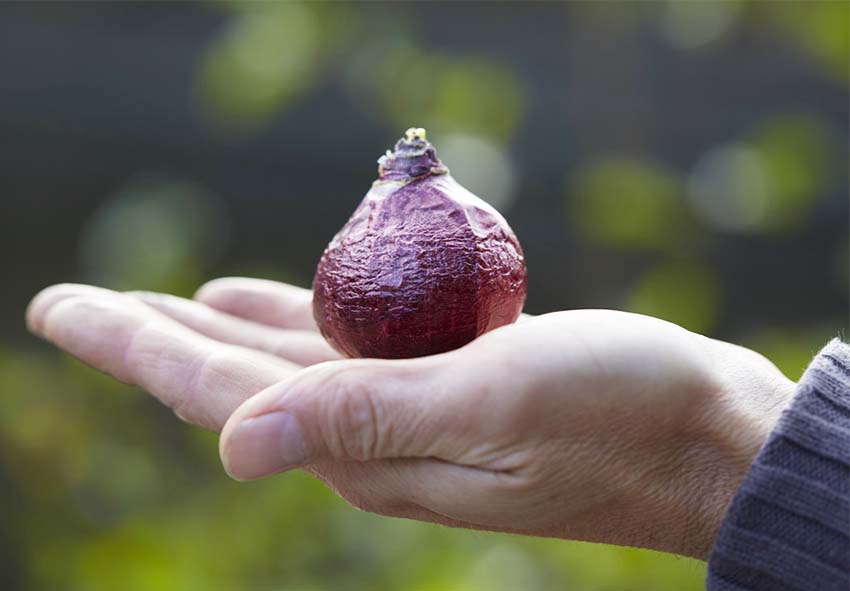
Plant hyacinth bulbs in a suitable container with a well-drained growing medium. When planting in soil, position the bulb so that the upper portion remains above the surface rather than completely burying it.
After planting, water the medium enough to settle it around the bulb, but avoid saturating the container. During the cool period, the bulbs need moisture for root development but should never sit in stagnant water. Place the planted bulbs in their required cool location for the recommended chilling period.
Once the bulbs have developed a good root system and received sufficient cold treatment, they can gradually be moved into a brighter, warmer environment. Avoid placing newly moved bulbs directly beside a radiator or in a very hot room. A cooler, bright location generally encourages steadier growth and can help prevent excessively rapid development. As the flower stem develops, it should normally support itself.
However, if a stem becomes unusually tall or leans because of uneven light or rapid growth, a discreet support may help keep the display upright. If you want to learn more about growing, forcing, and caring for these spring bulbs, our comprehensive guide for hyacinths offers useful practical advice.
How to Force Crocuses in Winter
Crocuses are particularly attractive when several bulbs are planted together in a container. Their relatively short stems and colorful flowers can create a compact indoor display. Plant several bulbs in a container with good drainage, positioning them according to the recommended planting depth for the variety. They can be arranged relatively close together for a fuller display while still leaving enough room for healthy root development.
Water after planting, then maintain moderate moisture during the growing process. The soil should feel lightly moist rather than saturated. After the chilling period, move the container into a bright, cool location. Shoots will begin to emerge, followed by flower buds. Once flowering begins, keeping the container away from excessive heat can help the flowers remain attractive for longer.
Crocus flowers can appear relatively quickly once the bulbs have received adequate chilling and are moved into suitable growing conditions. Watching the shoots develop into flowers is one of the most enjoyable parts of indoor bulb forcing. For more detailed information on planting, chilling, and caring for these bulbs, explore our full guide for crocuses.
Where to Place Forced Hyacinths and Crocuses
Once bulbs leave their cool storage period and begin active growth, their environment becomes especially important. The right combination of light and temperature helps prevent weak stems and can extend the flowering period.
Light Requirements
Place forced bulbs in a bright location after the chilling period. Good natural light helps leaves and flower stems develop properly and can encourage more balanced growth. Rotate the containers occasionally so that plants receive light more evenly. This is particularly useful when stems begin leaning toward a window.
Avoid excessively intense direct sunlight through hot windows, particularly if it causes the container to become very warm. Excessive heat can accelerate flowering and shorten the display.
Temperature
Cooler indoor conditions are generally beneficial once hyacinths and crocuses begin flowering. Moderate temperatures slow the rate at which flowers develop and can help extend their decorative period.
Keep the containers away from radiators, heating vents, fireplaces, and other sources of hot, dry air. A warm room may encourage rapid growth and produce weaker stems. During bud development and flowering, try to maintain relatively stable conditions. Sudden changes between very warm and very cool environments can place unnecessary stress on actively growing plants.
Watering and Caring for Forced Bulbs
Forced bulbs need consistent but controlled moisture. Check the growing medium regularly and water when the surface begins to dry rather than following a rigid daily schedule. Avoid overwatering. Excess water can remain around the bulbs and roots, particularly in decorative containers without adequate drainage. This increases the risk of rot.
As shoots develop and plants become more active, their water use may increase. Continue monitoring the soil and adjust watering according to the conditions in the room. Always check that excess water can drain away freely. If water collects in a decorative cachepot or saucer, empty it rather than allowing the container to remain submerged. Rotate containers occasionally to encourage balanced growth. If plants lean strongly toward a light source, turning the pot a little every few days can help produce a more even display.
How to Extend the Indoor Flowering Display
Once hyacinths and crocuses begin flowering, a few simple care adjustments can help keep the flowers attractive for longer. The main goal is to slow down rapid growth and protect the blooms from stressful indoor conditions:
- Keep flowering bulbs in a cool room: Cooler temperatures generally slow flower development and can help extend the display.
- Keep bulbs away from heat: Avoid placing containers near radiators, heating vents, fireplaces, or other sources of hot, dry air.
- Protect flowers from strong sunlight: Bright light is useful, but excessive direct sunlight through a warm window can cause flowers to fade more quickly.
- Start containers at different times: Plant or chill several groups on a staggered schedule to create a succession of indoor blooms.
- Combine different bulb types: Pair tall, fragrant hyacinths with lower-growing crocuses to add variety in height, color, and flower form.
- Rotate containers regularly: Turn pots occasionally so plants receive light more evenly and develop a balanced appearance.
What to Do With Hyacinths and Crocuses After Flowering
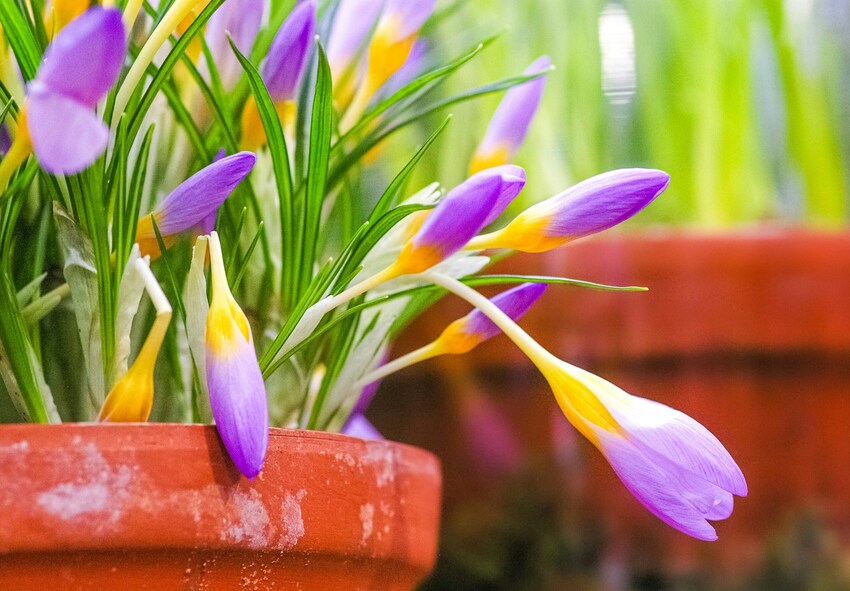
After flowering, resist the temptation to remove the leaves immediately. The foliage continues producing energy that can help replenish the bulb. Continue providing light and water while the leaves remain green. Gradually reduce watering as the foliage naturally begins to yellow and die back.
Forced bulbs can sometimes be planted outdoors after flowering. However, their performance in the following season may be less predictable than that of bulbs planted and grown under normal outdoor conditions. The forcing process uses significant stored energy, and some bulbs need time to rebuild their reserves.
Once the foliage has died back naturally, the bulbs can be prepared for planting outdoors when appropriate for the local growing conditions. Choose a suitable location with good drainage and follow the planting requirements of the particular bulb. Not every forced bulb will produce an equally impressive display the following year, so treat outdoor planting as an opportunity to allow the bulbs to recover and potentially return to the garden’s normal growth cycle.
Conclusion
Forcing hyacinths and crocuses in winter is a rewarding way to bring the colors and character of spring indoors months before the outdoor garden wakes up. The most important steps are choosing healthy, flowering-size bulbs, understanding whether they are prepared or unprepared, and providing the appropriate chilling period.
Once the bulbs have completed their cold treatment, move them gradually into suitable growing conditions with good light, moderate temperatures, and careful watering. Keeping them away from excessive heat can also help prolong the flowering display.
Timing is essential, especially if you want flowers for a particular winter occasion. Consider experimenting with successive plantings so that different containers flower at different times. With a little planning, hyacinths and crocuses can provide a succession of cheerful indoor blooms throughout the winter.
Frequently Asked Questions (FAQs) about Forcing Hyacinths and Crocuses
1. Can hyacinths and crocuses be forced to bloom in winter?
Yes, both hyacinths and crocuses can be forced indoors to produce flowers during winter. The process involves planting healthy bulbs in suitable containers, providing the required cool period, and then moving them into a bright, cooler growing location. Correct timing, moisture, temperature, and light are important for encouraging healthy flowering.
2. Can I order hyacinths and crocuses from your online store?
Yes, you can browse our online store Dutch-bulbs.com for hyacinth and crocus bulbs suitable for growing and forcing. When selecting bulbs, consider whether they are prepared for forcing, their variety, flowering period, and recommended growing conditions. Choosing healthy, flowering-size bulbs gives you a good starting point for creating attractive winter displays indoors.
3. How long do hyacinths and crocuses need to be chilled?
The chilling period varies depending on the bulb, variety, and whether the bulbs have been specially prepared for forcing. Many bulbs require several weeks of cool conditions before they can flower successfully. Always check the supplier’s recommendations for your specific bulbs, and maintain consistent temperatures and moderate moisture throughout chilling.
4. When should I start forcing hyacinths and crocuses for winter flowers?
Start by working backward from your desired flowering date, allowing sufficient time for chilling and growth. Prepared hyacinths generally need less chilling than unprepared bulbs. Crocuses also require a cool period before active growth. Starting several containers at different times can help spread flowering and provide a longer indoor display.
5. How should I care for forced hyacinths and crocuses after they bloom?
After flowering, keep the foliage growing rather than removing it immediately. Provide light and continue watering while the leaves remain green so the bulbs can rebuild their energy reserves. Once the foliage naturally yellows and dies back, gradually reduce watering. Forced bulbs can sometimes be planted outdoors, although future flowering may vary.
Published: 25.09.2026